



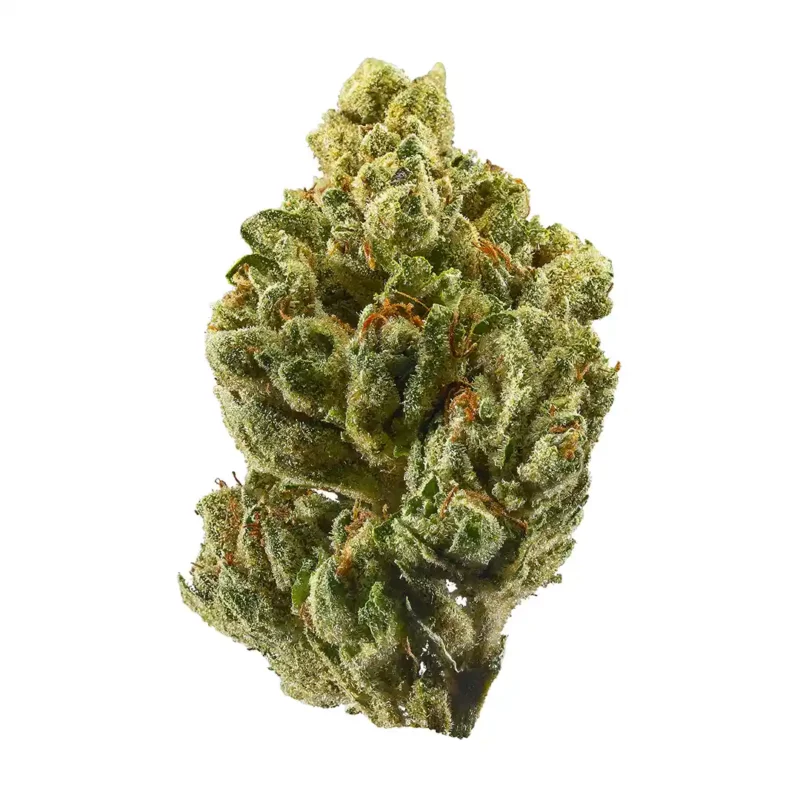
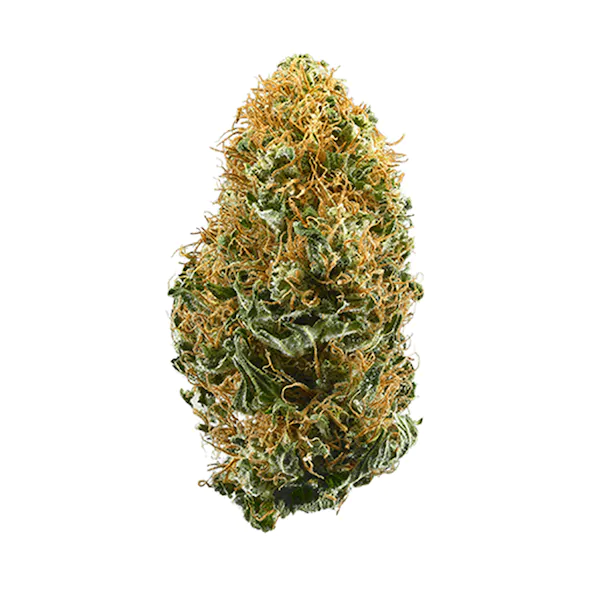
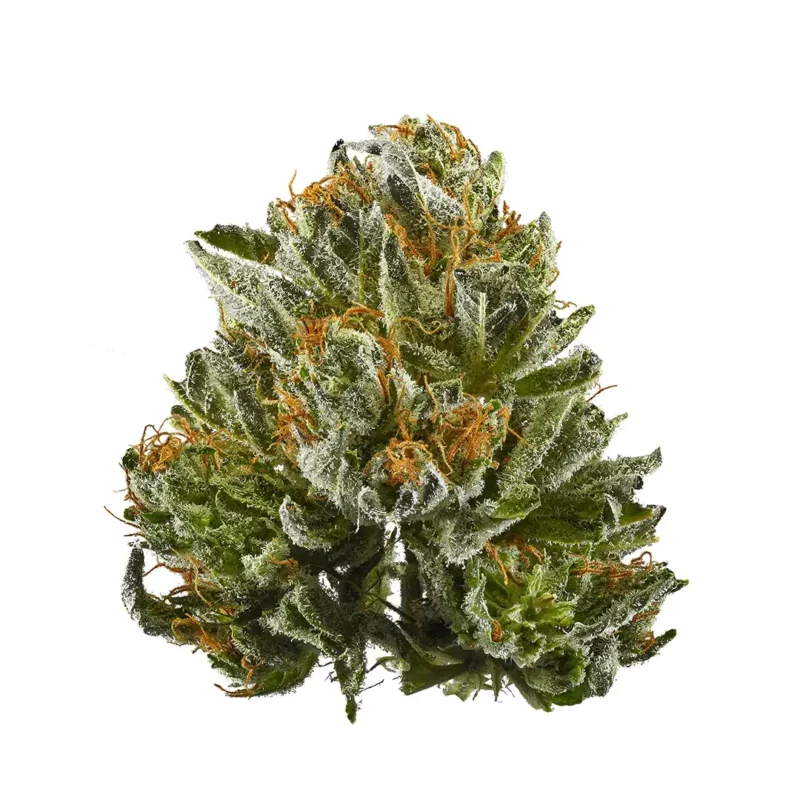
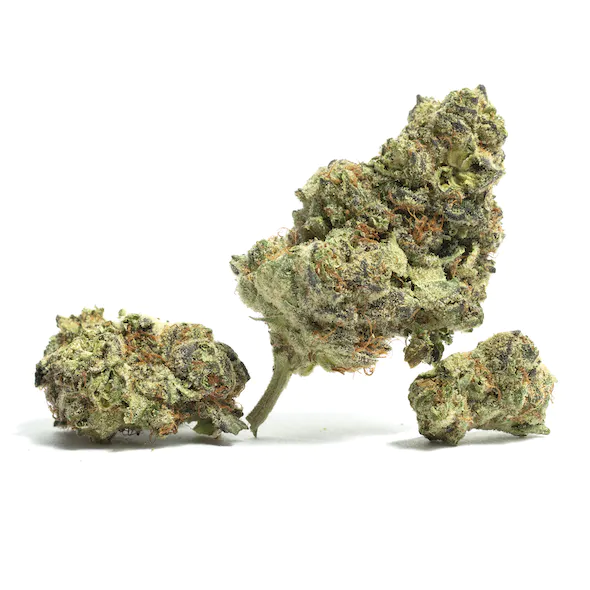







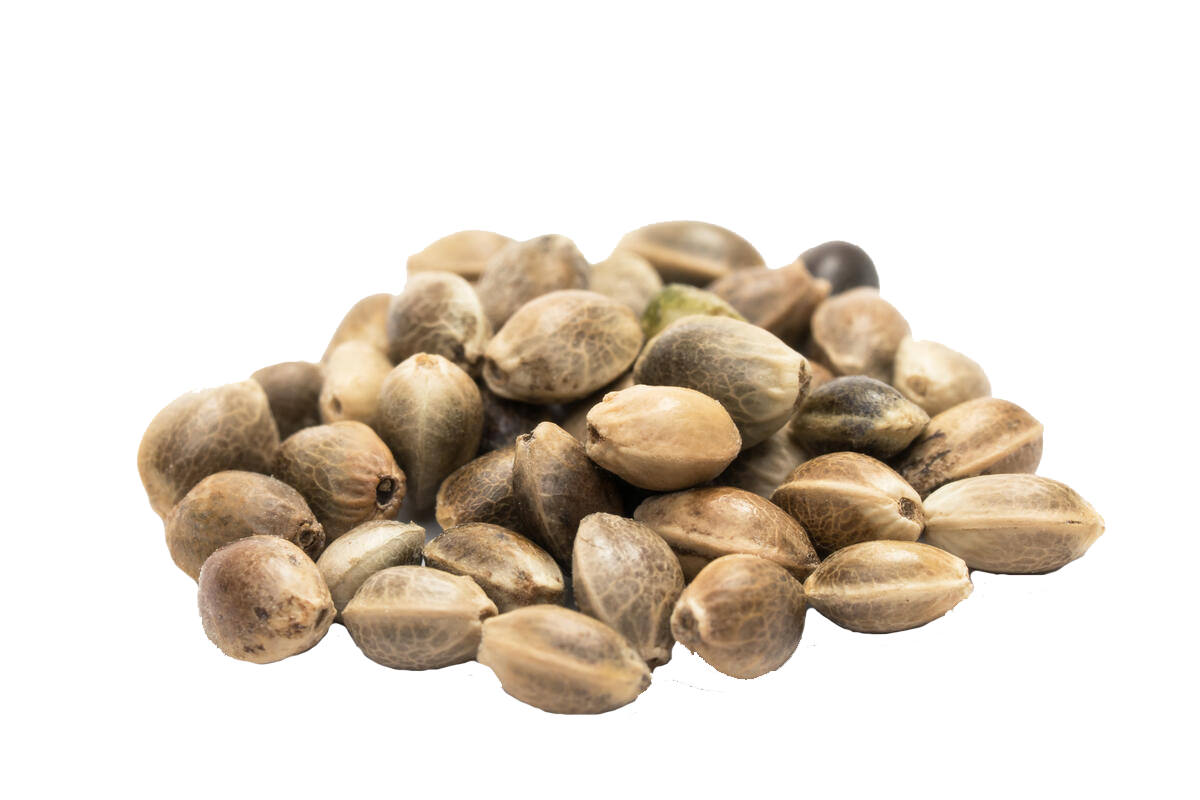
(Cannabis Seeds Explained)
Introduction
Cannabis seeds are the starting point of the plant lifecycle and play a critical role in shaping genetics, cannabinoid potential, and overall plant characteristics. As the cannabis industry continues to evolve, the conversation has shifted away from step-by-step cultivation and toward understanding seed types, genetic traits, and responsible selection.
This guide provides an overview of cannabis seeds, their classifications, and the factors that influence their quality and outcomes.
Understanding Cannabis Seeds (Cannabis Seeds Explained)
Cannabis seeds contain the genetic blueprint that determines how a plant may develop. These genetics influence:
- Cannabinoid profiles (such as THC and CBD potential)
- Terpene composition (aroma and flavor characteristics)
- Structural traits (in regulated cultivation environments)
Because of this, seed selection is often discussed in terms of predictability and consistency, rather than process.
Types of Cannabis Seeds
Cannabis seeds are generally grouped into a few main categories:
Feminized Seeds
Feminized seeds are associated with plants that are more likely to produce cannabinoid-rich flower. They are often discussed in relation to consistency and efficiency.
(Cannabis Seeds Explained)
Autoflowering Seeds
Autoflowering seeds are known for transitioning through growth phases based on age rather than environmental light cycles. They are often referenced in discussions about lifecycle timing and adaptability.
Regular Seeds
Regular seeds may produce a mix of plant characteristics and are commonly associated with genetic diversity and breeding potential.
(Cannabis Seeds Explained)
The Role of Genetics
Genetics are one of the most important aspects of cannabis seeds. They influence not only plant traits but also the characteristics of the final product.
Some widely recognized strains often referenced in genetic discussions include:
- AK-47
- Amnesia
- Amnesia Lemon
These strains are commonly associated with distinct terpene profiles and cannabinoid potential, though results may vary depending on multiple factors.
(Cannabis Seeds Explained)
Key Factors When Evaluating Seeds
Rather than focusing on cultivation methods, it’s more useful to evaluate cannabis seeds based on quality and transparency:
Genetic Stability
Stable genetics are associated with more consistent outcomes across batches.
Source and Reputation
Established breeders are typically linked to clearer lineage and better quality control.
Intended Characteristics
Different seeds are associated with varying attributes, such as:
- Cannabinoid potential
- Terpene expression
- Structural traits
Packaging and Preservation
Proper storage and packaging help maintain seed viability and protect against environmental exposure.
Cannabis Seeds in the Modern Market
Cannabis seeds are part of a broader ecosystem that includes:
- Flower products
- Concentrates (including solventless formats)
- Edibles and infused products
As the industry matures, seeds are increasingly viewed through the lens of genetics, innovation, and long-term product development, rather than just cultivation.
Safety Considerations
While cannabis seeds themselves are not psychoactive, they are directly connected to regulated cannabis activity. Important considerations include:
- Understanding local laws and restrictions
- Awareness of responsibilities tied to cultivation (where permitted)
- Avoiding unverified or low-quality sources
Legal Considerations
Cannabis seed regulations vary widely depending on jurisdiction. These may include:
- Restrictions on germination or cultivation
- Differences between seed possession and plant cultivation
- Licensing requirements
- Limits on distribution or transport
Always verify local and state laws, as regulations are subject to change.
Final Thoughts
Cannabis seeds represent the foundation of the plant’s lifecycle and are central to discussions around genetics, consistency, and product potential. Understanding seed types and selection factors allows for more informed and responsible engagement with the category.
As the cannabis industry continues to evolve, education and transparency remain essential when navigating cannabis-related products.
Disclaimer
This content is for informational purposes only and does not constitute medical or legal advice. Cannabis laws vary by location and are subject to change. Always consult local regulations and a qualified professional regarding cannabis-related decisions.


