



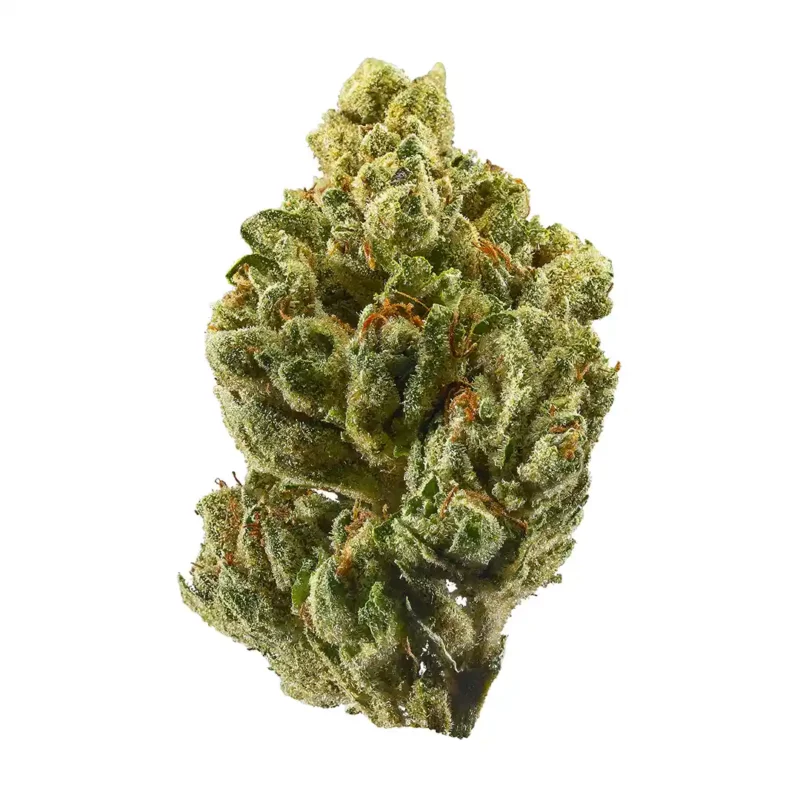
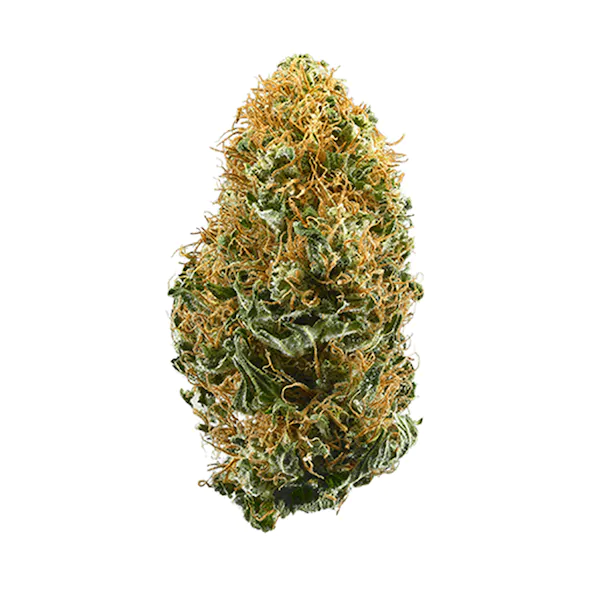
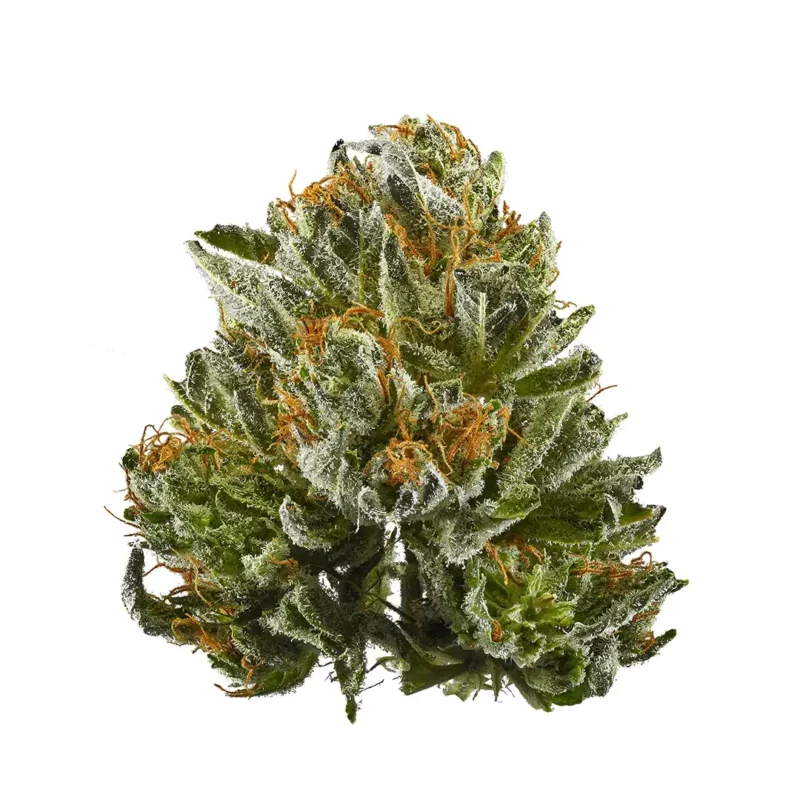
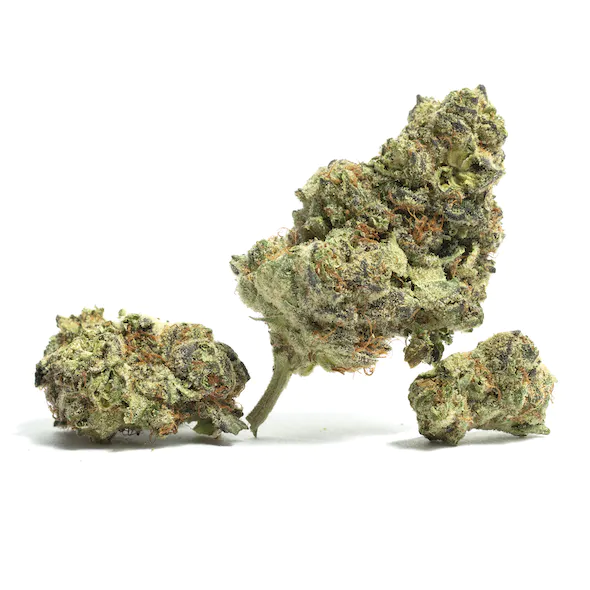
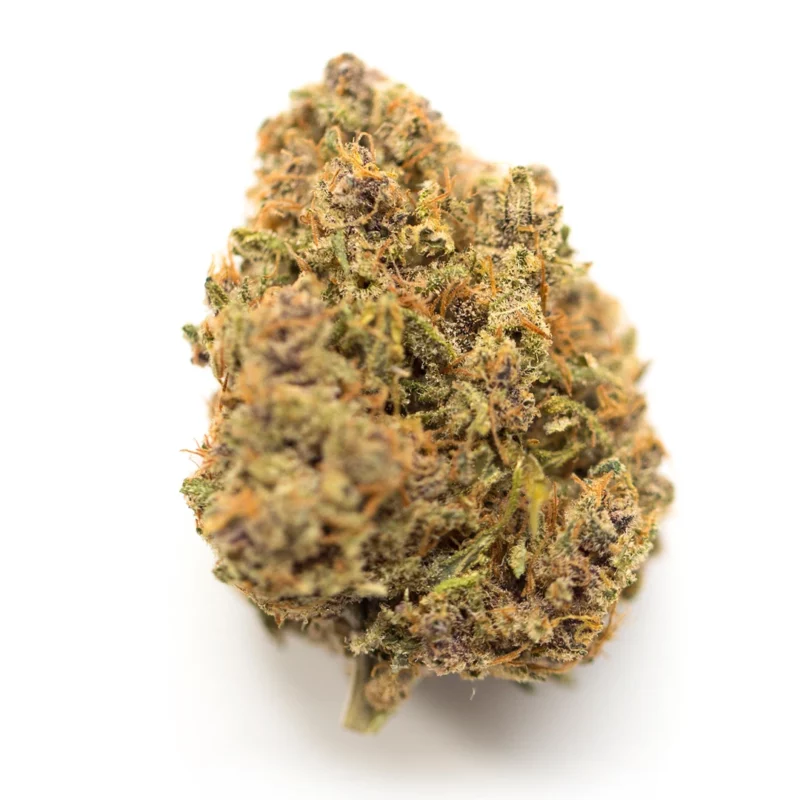

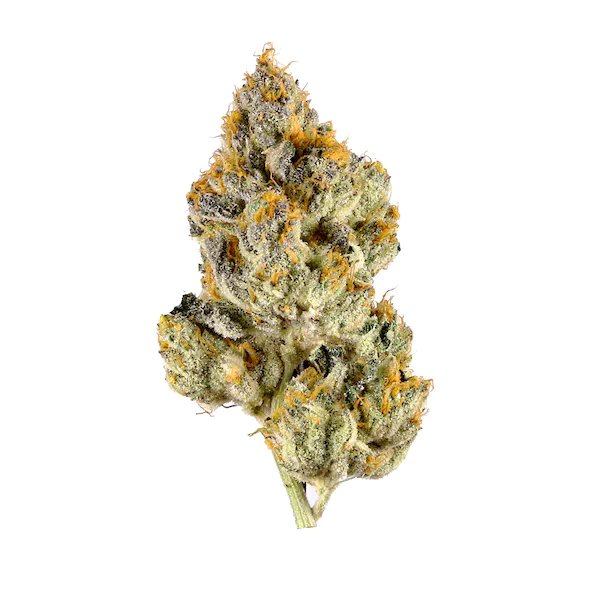









pot plants look like
You are standing in a garden center staring at a sea of green, trying to decode what these pot plants look like. According to professional growers, a plant’s appearance is actually its visual care resume.
We start reading this resume by checking the silhouette, or overall shape. Is your find a climbing vine, an upright stalk, or a trailing waterfall? Spotting this frame prevents beginner mix-ups, like confusing a cannabis plant with a legally benign Japanese maple.
Next, examine the foliage details—a concept botanists call morphology. Identifying indoor plants by their leaves helps reveal their survival needs. Thick, fleshy leaves store moisture efficiently, proving they require far less watering than delicate ferns. (pot plants look like)

Reading the Leaves: Using Shapes and Textures to Spot Your Favorite Houseplants
A plant shop can feel overwhelming, but textures quickly reveal hidden care needs. Leaves that are chunky like tiny water balloons belong to succulents built for droughts. Light clues also hide in the finish: glossy leaves reflect harsh sun, while matte surfaces prefer gentler shade. You might even spot beautiful white or yellow splashes across the green—a decorative coloring trait called variegation. (pot plants look like)
To organize what you see, picture a simple leaf shape identification chart in your mind. Focus on three classic profiles:
- Heart-shaped: The trailing silhouette of many common houseplants with heart-shaped leaves, like the Philodendron.
- Sword-shaped: Stiff, upright spikes pointing toward the ceiling on a Snake Plant.
- Swiss-cheese style: Broad greenery featuring large, natural holes. These dramatic gaps—called fenestration—allow tropical winds to pass through safely, meaning they aren’t bug damage!
These broad visual clues make choosing the right addition to your living room highly intuitive. (pot plants look like)
The Great Green Mix-up: Telling Pothos and Philodendrons Apart by Their Stems and Tips
Mastering pothos vs philodendron identification starts with a simple touch test. Foliage texture is a primary differentiator. Pothos leaves feel thick and waxy, spilling over pots as hardy trailing plants. Philodendrons are usually climbing vines with thinner foliage that feels almost velvety.
A closer look at the stem reveals more structural secrets. Pothos stems have indented channels—called petiole grooves—running down them like tiny rain gutters. Philodendron stems lack these grooves but feature a papery sheath covering their new growth. This thin casing, known as a cataphyll, eventually dries up and falls off. You might even spot some philodendrons with purple undersides hiding beneath these fresh leaves.
These subtle physical differences turn you into a confident plant detective, allowing you to track early foliage development across different species.
Tracking the Growth: What Young Marijuana and Cannabis Plants Look Like at 1, 3, and 5 Weeks
Right after breaking through the soil, a seedling looks surprisingly mundane. At week one, two smooth, rounded starter leaves emerge. These little green ovals, called cotyledons, are why new sprouts are easily confused with everyday garden weeds.
Around the three-week mark, the plant reveals its famous silhouette. The growth shifts from smooth baby leaves to iconic serrated leaves. These sharp, jagged edges resemble the teeth of a handsaw, giving the foliage that classic, spiky appearance.
During the fifth week, the plant begins showing its gender. A five-week-old female weed plant develops tiny, wispy white hairs sprouting from the joints where branches meet the main stem. These delicate strands, known as pistils, are key indicators of a female plant. (pot plants look like)
Tracking this visual timeline takes the guesswork out of early plant identification, making it easier to monitor healthy growth and spot early signs of distress.
Spotting Trouble: How Variegation and Yellowing Reveal Your Plant’s Health Secrets
Stunning variegated houseplants feature white spots or creamy streaks that look like a painter flicked a brush across them. This natural, genetic coloring is crisp and intentional. However, if those white patches look like powdery dust or blurry brown rings, you are likely looking at a fungal infection. Likewise, if the leaf edges resemble burnt paper with dry, crispy tips, the plant needs higher humidity. (pot plants look like)
When lower leaves near the soil turn soft, mushy, and pale while the top growth looks fine, the roots are likely drowning from overwatering.
Before tossing the pot out, run a quick diagnostic check on that yellow leaf:
- Moisture check: Poke your finger in the dirt; is it swampy or bone dry?
- Light check: Is the plant stuck in a dark corner struggling for sun?
- Age check: Is it just a single old leaf dying naturally to make room for new growth?
Decoding these distress signals prepares you for matching the plant to its ideal environment. (pot plants look like)
Matching the Vibe: Why Leaf Color and Thickness Predict Your Plant’s Sunlight Needs
Broad, deep green leaves act like giant solar panels, making them excellent choices for low-light corners. Conversely, plants sitting in bright windows need built-in protection. Some develop a striking purple pigment called anthocyanin, which works like natural sunscreen.
Beyond color, a gentle leaf squeeze reveals hydration needs. If a succulent feels chunky and firm, it stores extra moisture, meaning you can safely skip a watering day. Understanding these fleshy canteens and purple sun-shields rounds out your visual identification toolkit. (pot plants look like)
Your Visual Identification Toolkit: Putting it All Together
Whether identifying young pot plants, examining distinctive weed foliage, or spotting the features of air plants, the silhouette method clarifies mystery plants. Next time you shop, try performing a rapid visual audit of any new plant using this checklist:
- Shape: Tall or bushy?
- Texture: Glossy or fuzzy?
- Growth Pattern: Trailing or climbing?
This simple assessment lets you create a care plan based solely on physical traits, helping you make informed decisions for your indoor garden. (pot plants look like)


