











Few terms are used more frequently in today’s cannabis market than exotic weed. From dispensary menus to online product descriptions, consumers regularly encounter strains marketed as exotic.
But what does the term actually mean?
Is it simply a marketing buzzword, or are there characteristics that genuinely distinguish it from standard cannabis products?
In this guide, we’ll explore the factors that contribute to a strain being considered exotic, how consumer preferences are evolving, and why exotic genetics continue to dominate cannabis conversations in 2026.
What Is Exotic Weed?
At its core, exotic weed refers to cannabis varieties that stand out due to unique characteristics.
These characteristics may include:
- Rare genetics
- Distinct terpene profiles
- Exceptional appearance
- Limited availability
- Premium cultivation methods
Unlike traditional cannabis varieties, it is often associated with novelty, exclusivity, and elevated consumer demand.
Why Is Exotic Weed So Popular?
The popularity of exotic weeds continues to grow because modern consumers seek more than potency alone.
Today’s shoppers often prioritize:
- Flavor
- Aroma
- Visual appeal
- Genetics
- Cultivation quality
As cannabis education improves, consumers increasingly view exotic weeds similarly to craft coffee, fine wine, or specialty spirits.
The Role of Genetics
One of the biggest factors that separates it from conventional cannabis is genetics.
Breeders continually develop new cultivars by crossing:
- Modern hybrids
- Legacy strains
- Award-winning genetics
- Rare phenotypes
Successful breeding programs may create strains featuring unique combinations of aroma, structure, and appearance.
Because genetics often drive consumer interest, they remain central to the discussion around it.
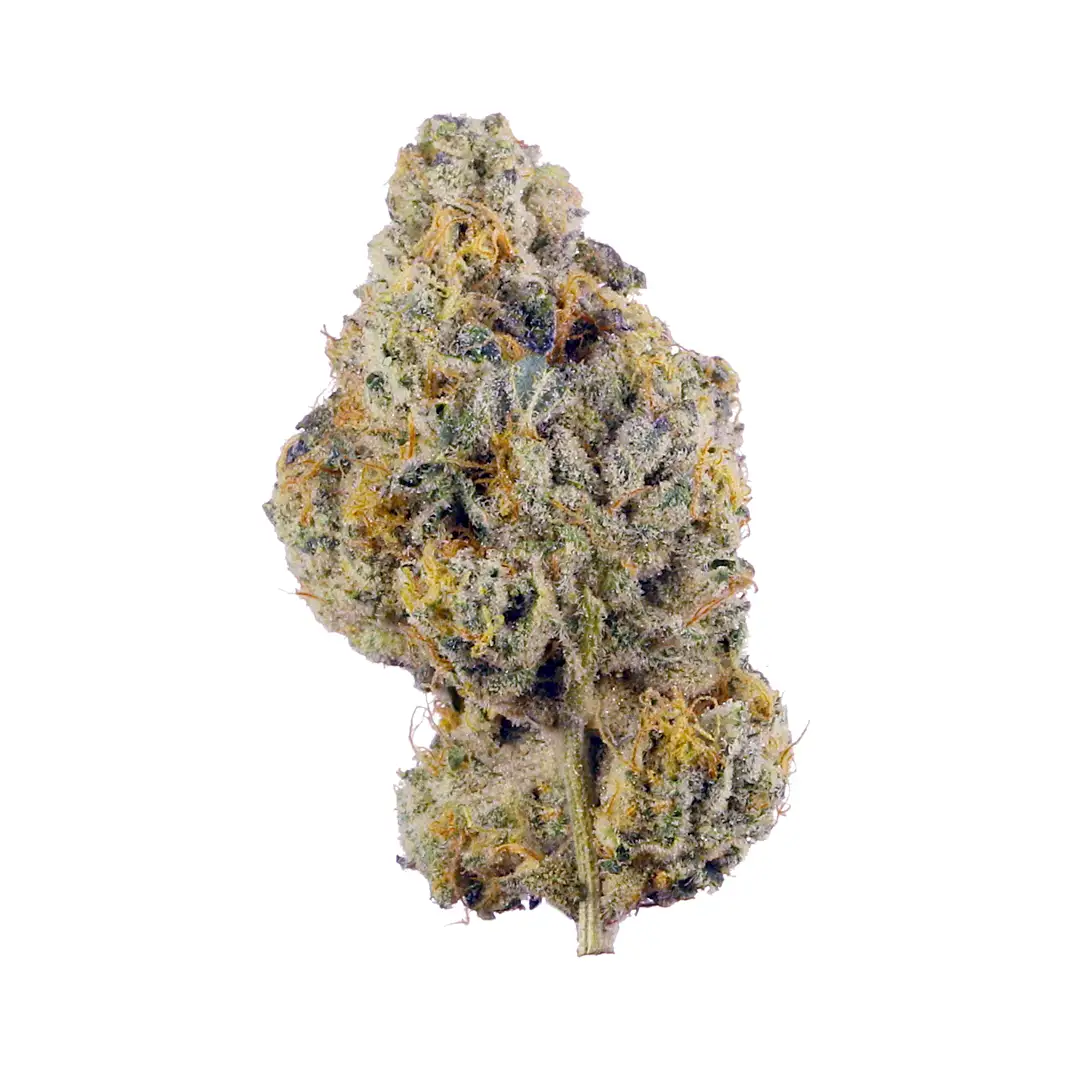
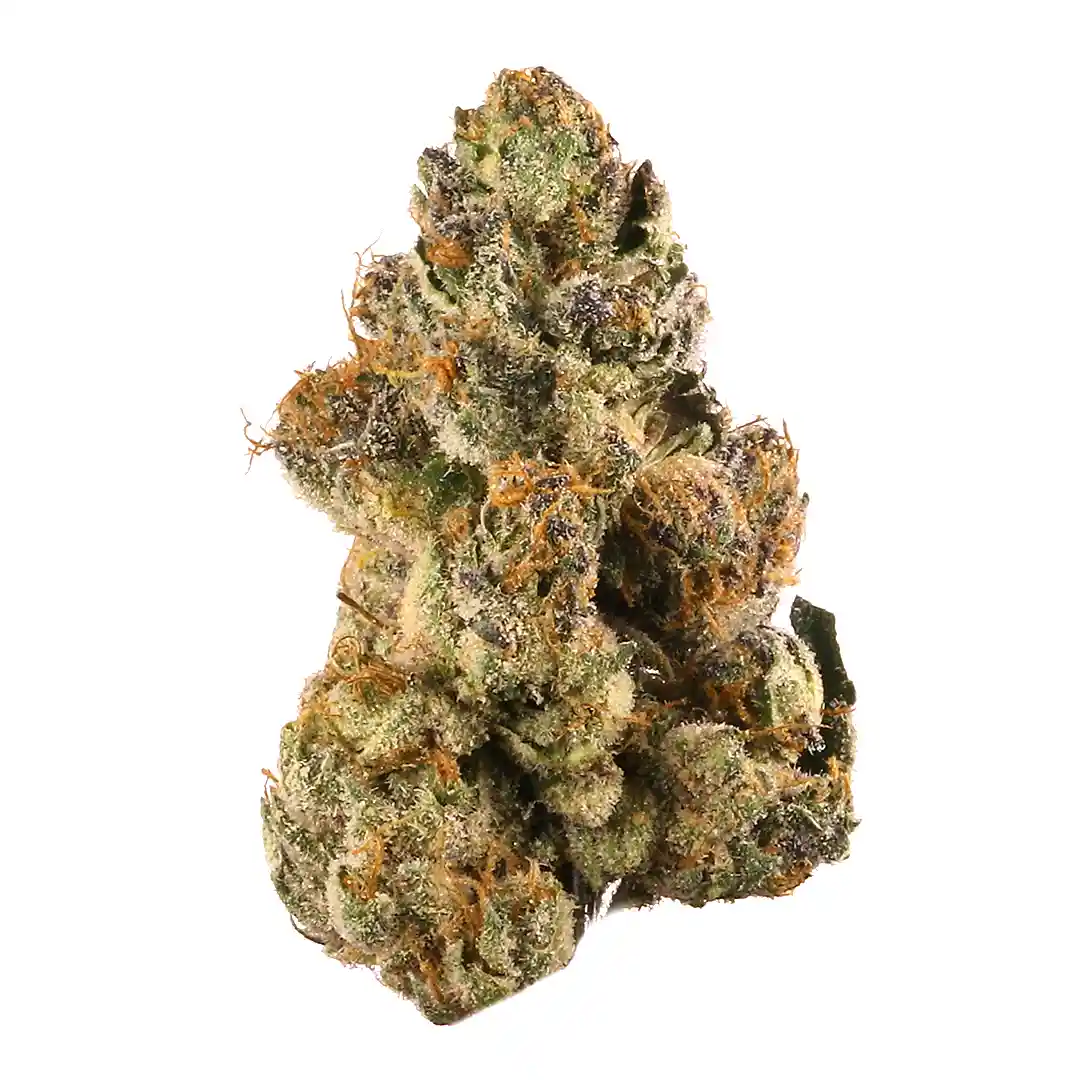
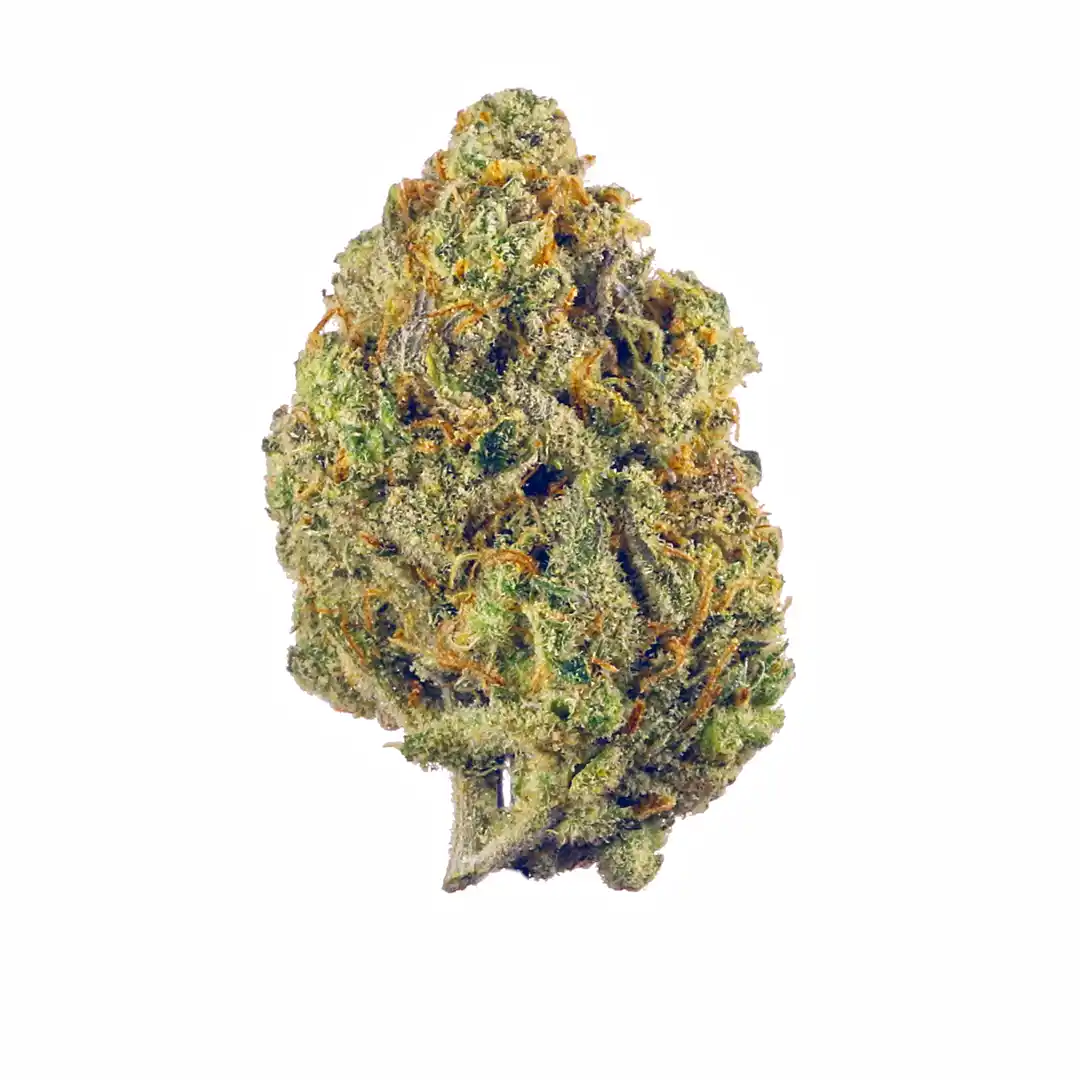
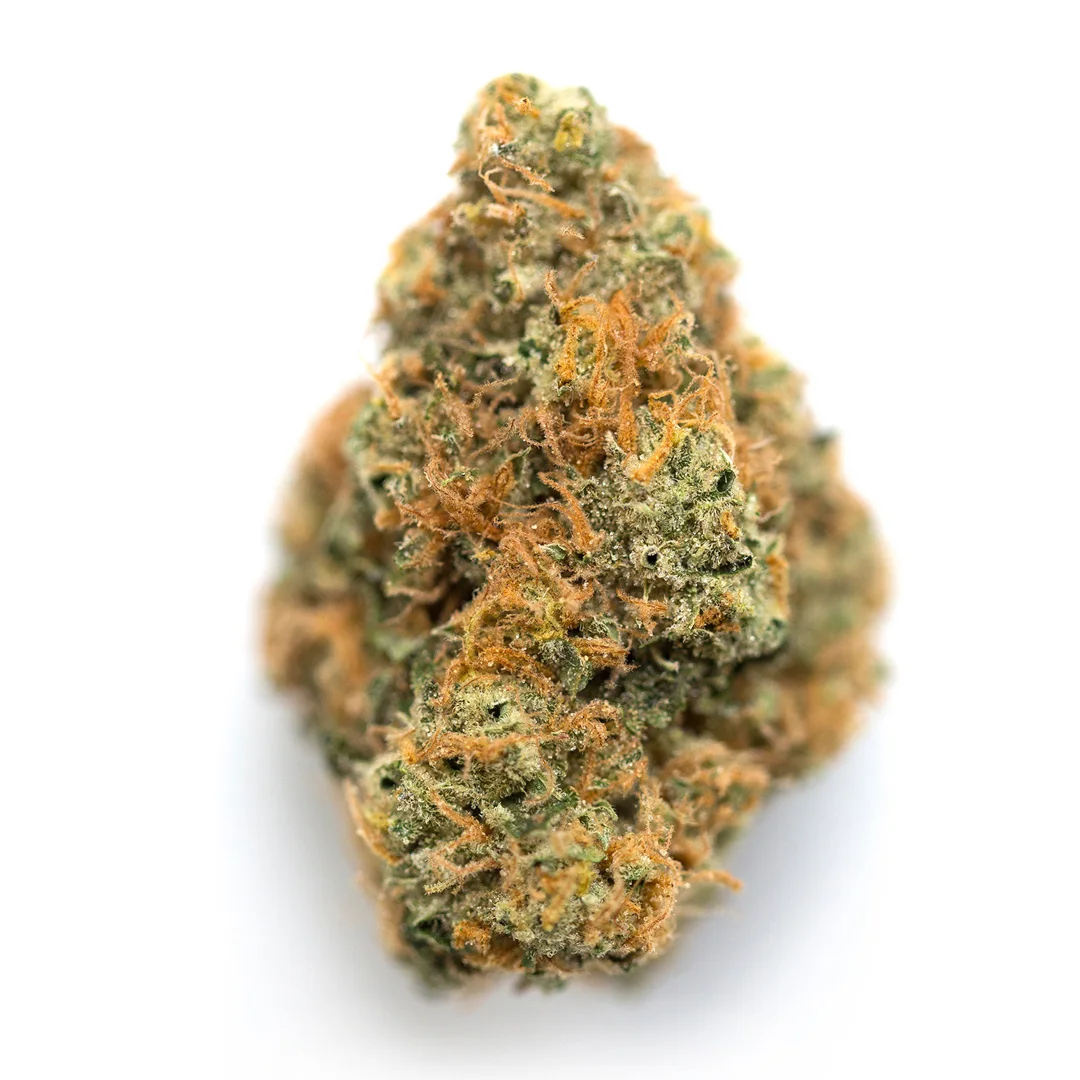
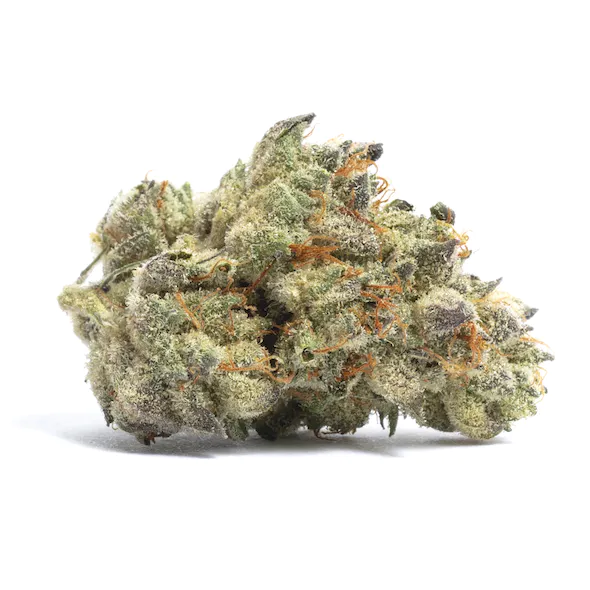
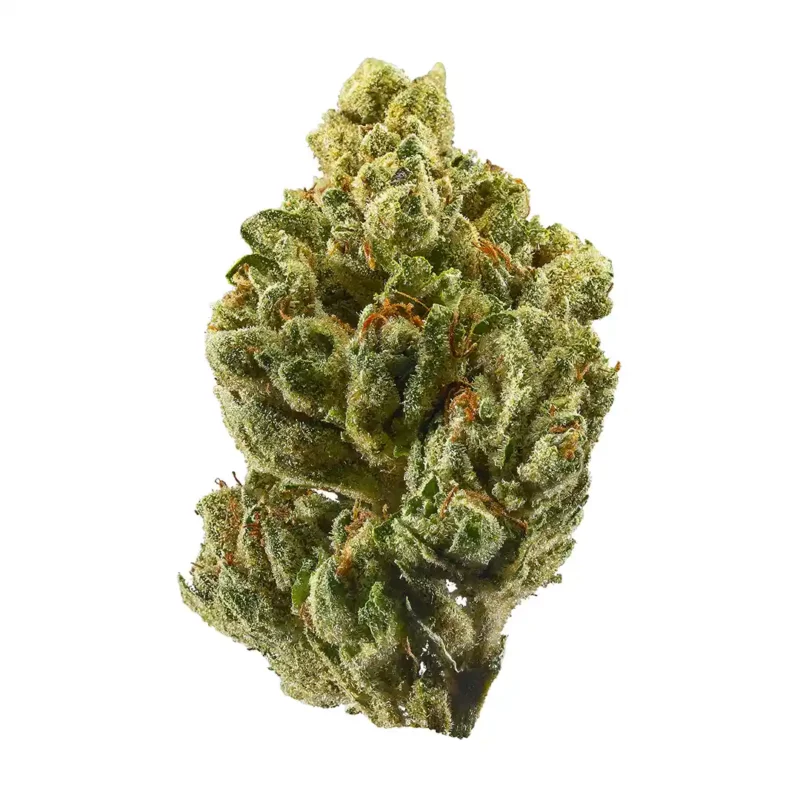
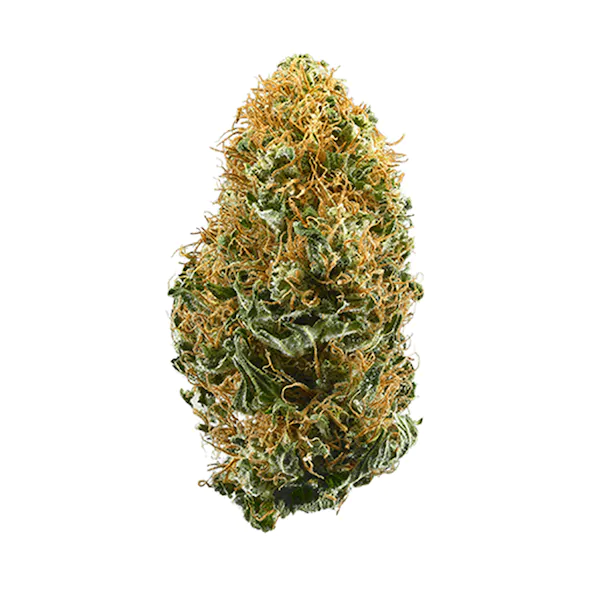
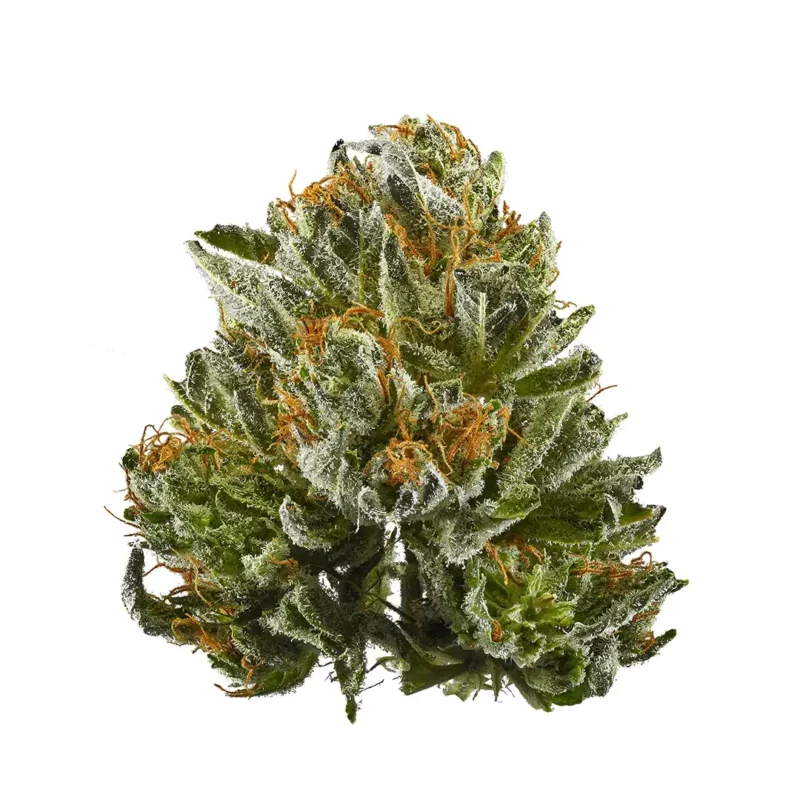
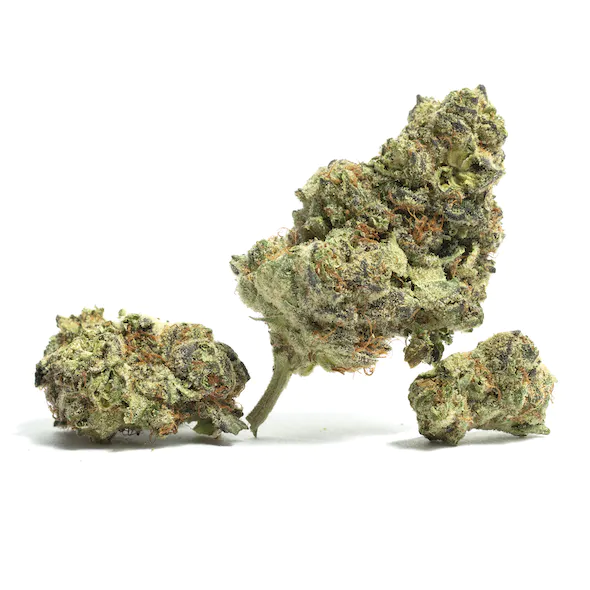
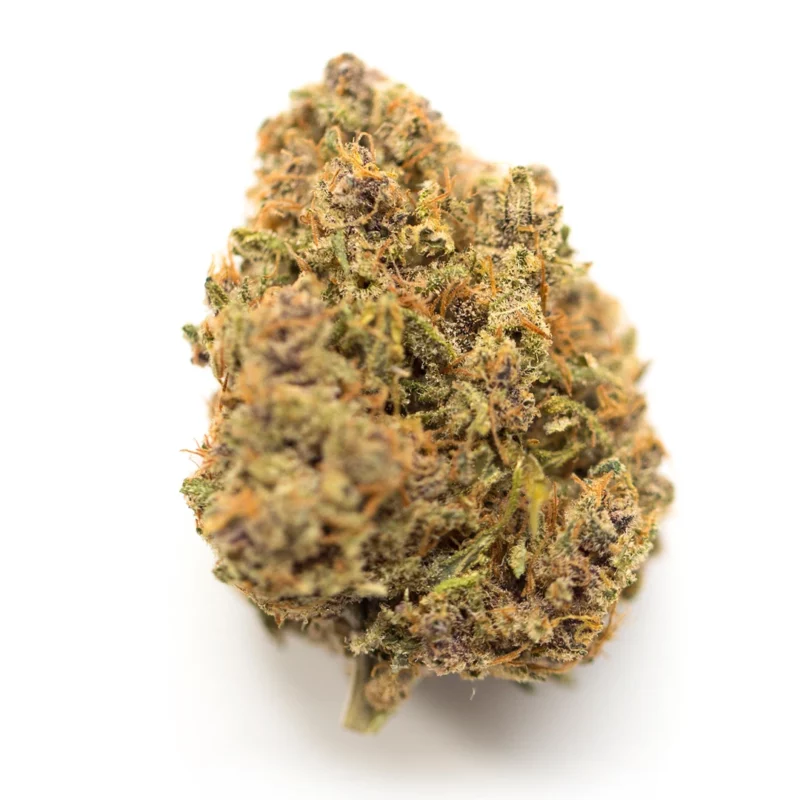
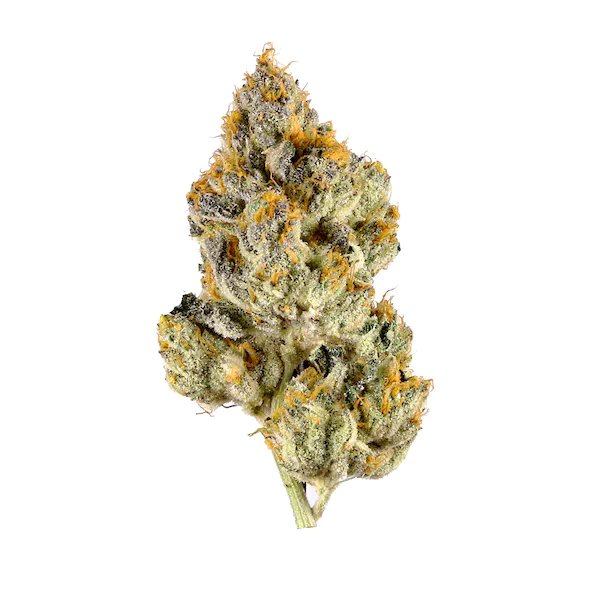
Appearance Matters
Visual appeal plays a major role in how consumers evaluate cannabis.
Characteristics commonly associated with it include:
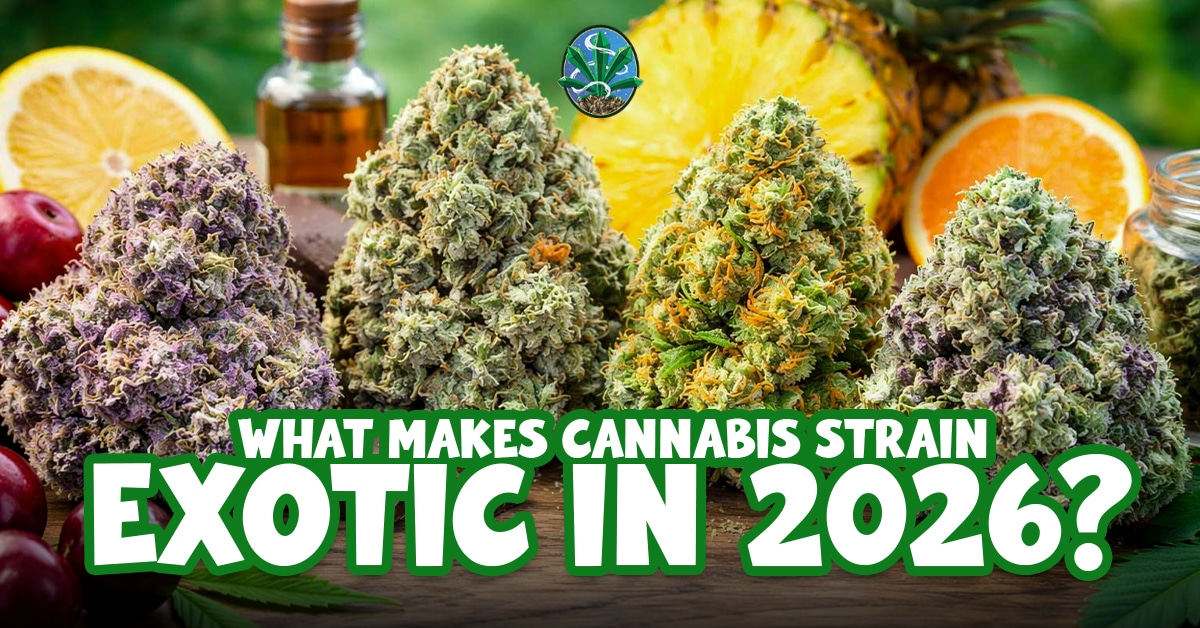
Vibrant Colors
Examples may include:
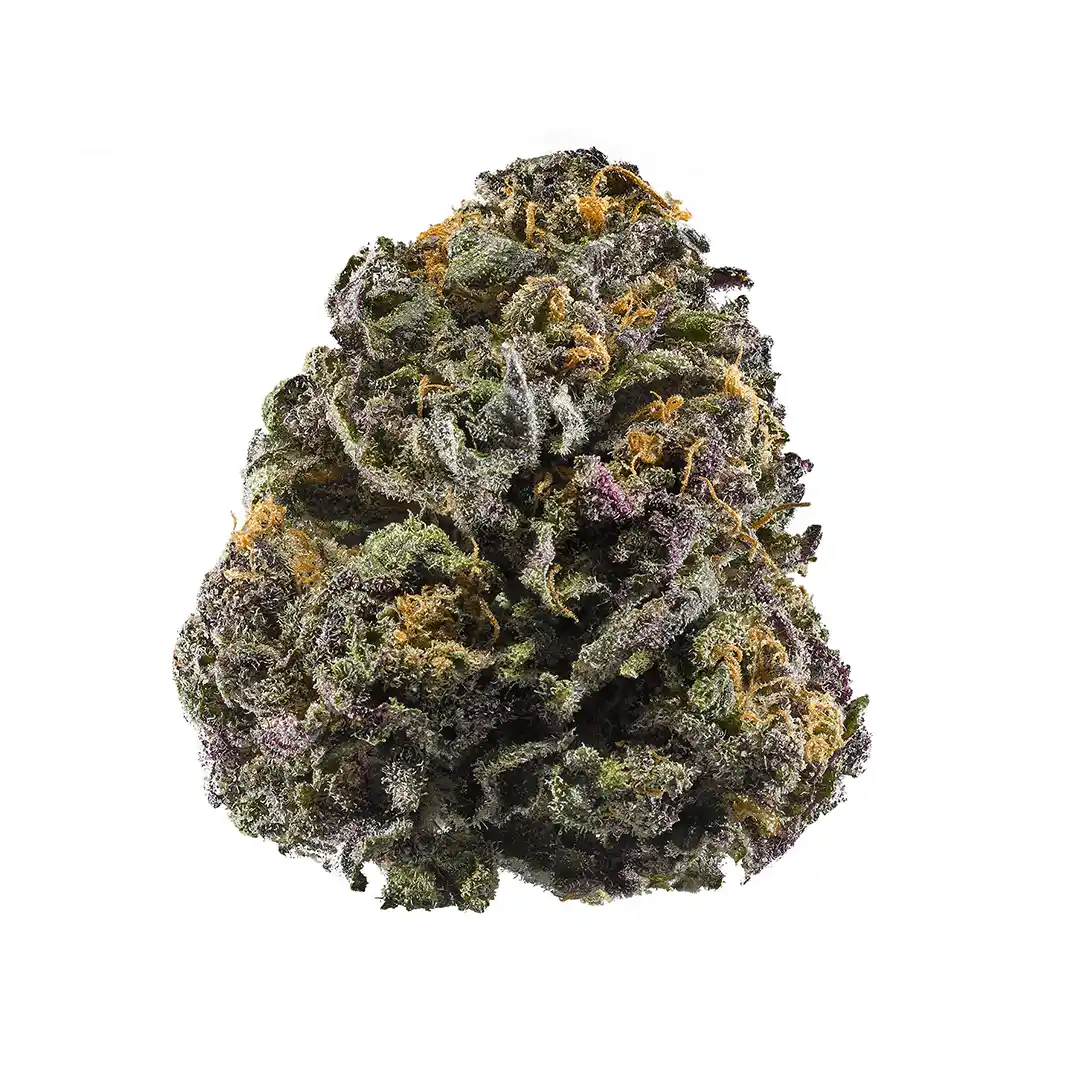
- Deep purple hues
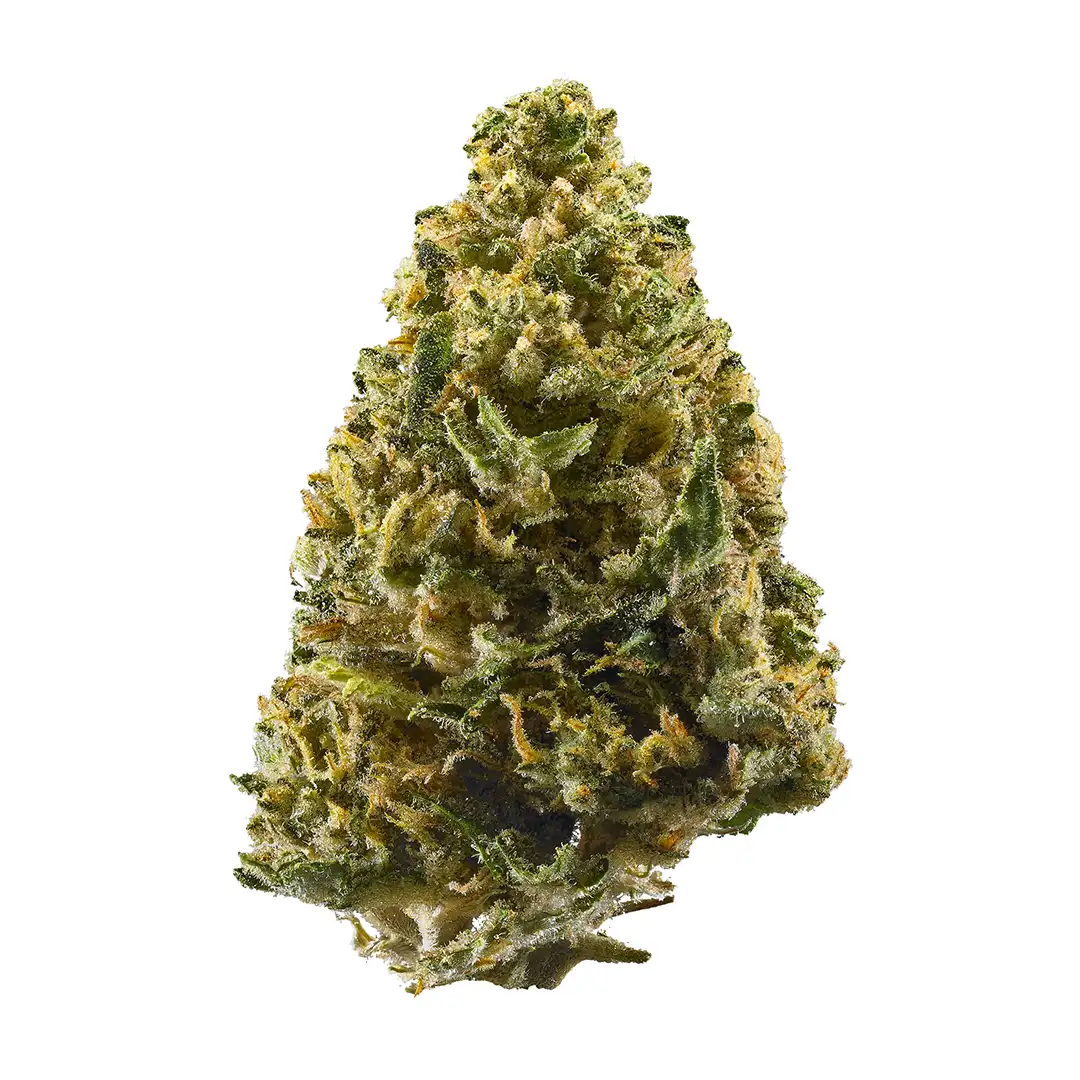
- Bright green flowers
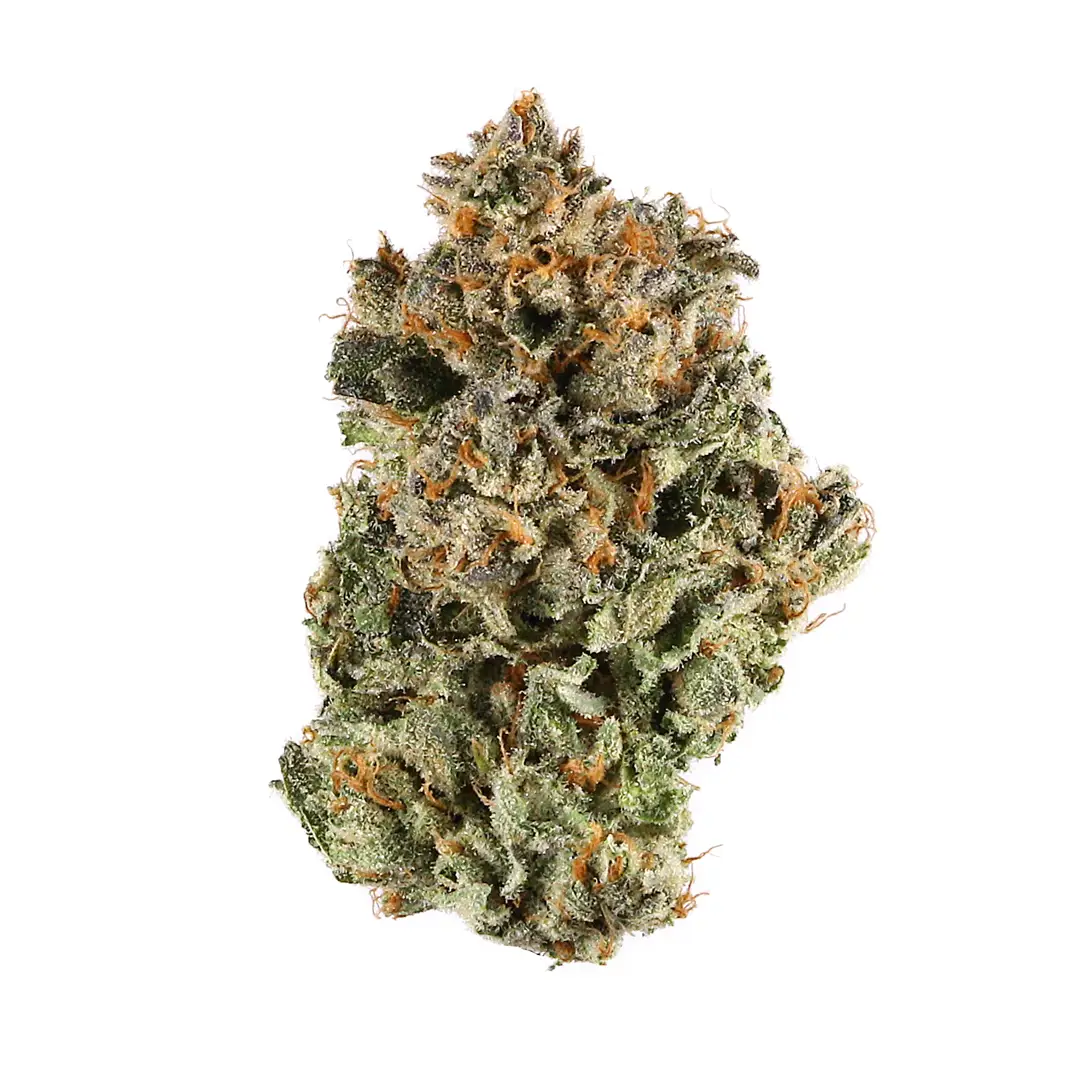
- Orange pistils
- Dark blue undertones
Dense Bud Structure
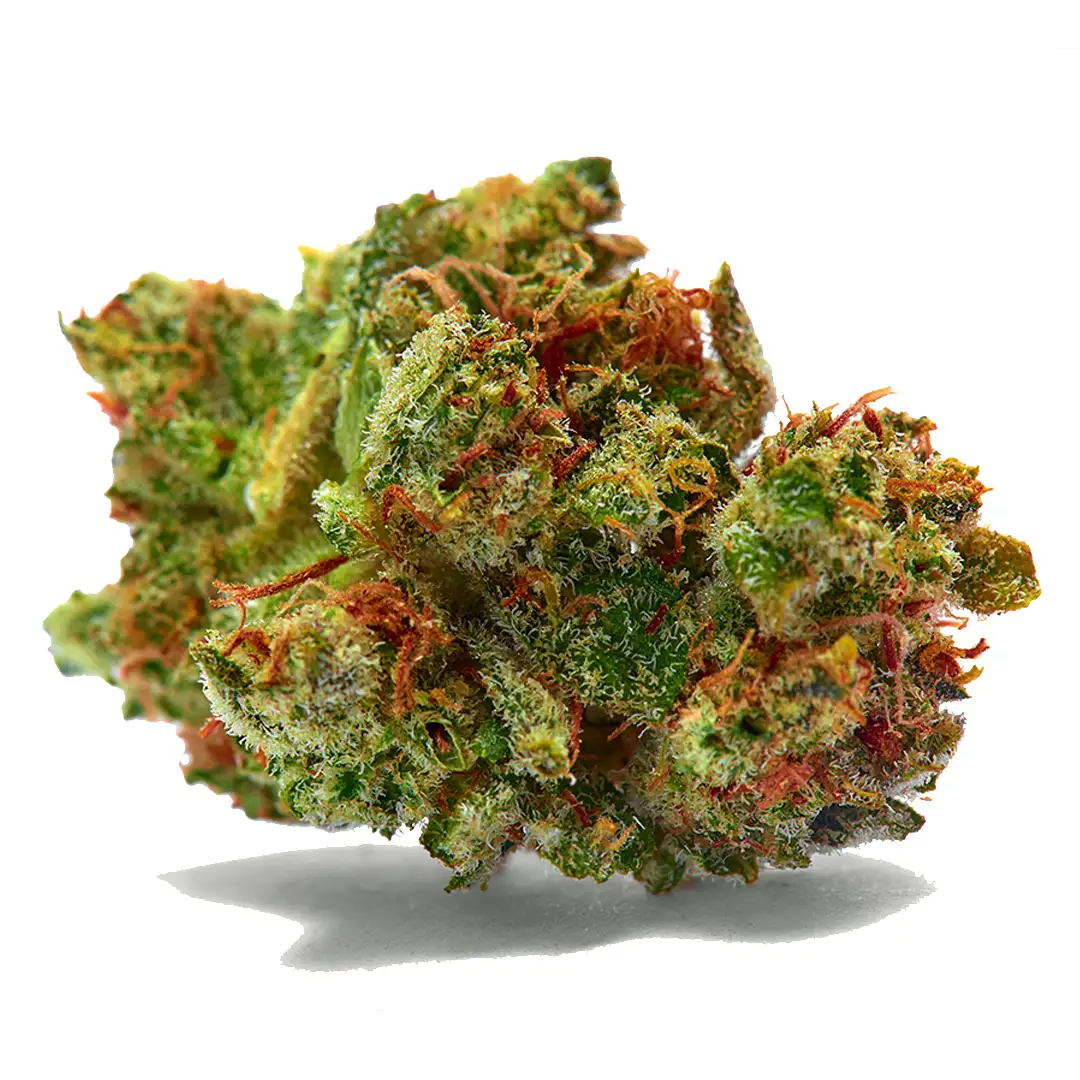
Many consumers associate compact, well-formed flowers with premium quality.
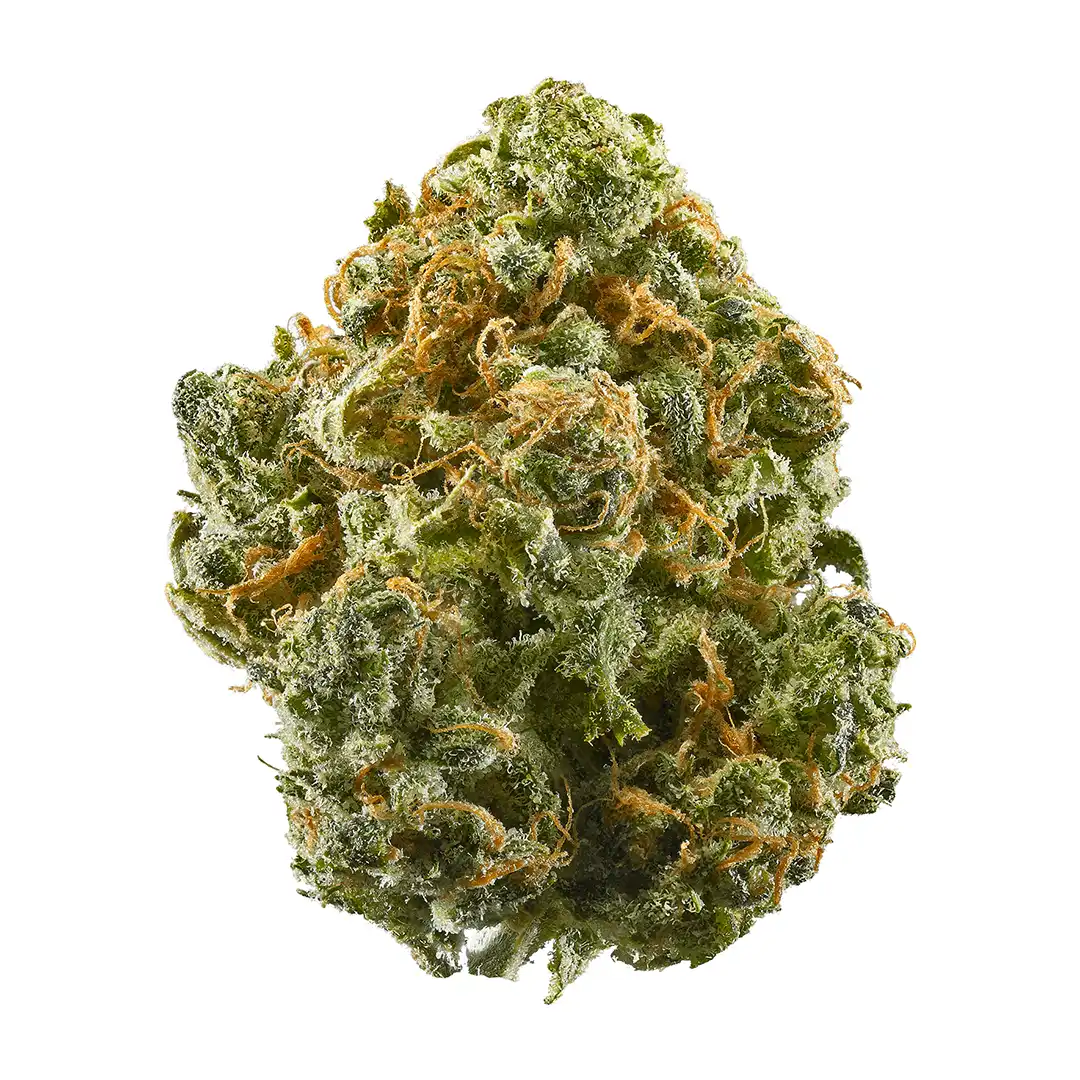
Heavy Trichome Coverage
Frosty appearances often attract attention because they signal careful cultivation and strong bag appeal.
The striking appearance of exotic weeds frequently contributes to its popularity on social media and online marketplaces.
Terpene Profiles and Exotic Weed
Terpenes are aromatic compounds found naturally in cannabis and many other plants.
Popular terpene-driven aromas include:
- Citrus
- Candy
- Tropical fruit
- Gas
- Dessert-inspired notes
Many consumers define it based on aroma alone.
If a strain smells dramatically different from traditional cannabis varieties, it may quickly gain attention among enthusiasts.
For more information about cannabis research, consumers can visit the National Institute on Drug Abuse:
Common Flavor Profiles Found in Exotic Weed
Modern breeding has expanded the flavor possibilities available to cannabis consumers.
Popular exotic weeds flavor categories include:
Candy Profiles
Examples may include:
- Sweet fruit candy
- Tropical candy
- Sour candy
Dessert Profiles
Consumers often seek strains featuring notes reminiscent of:
- Cookies
- Cake
- Ice cream
- Pastries
Gas Profiles
Fuel-forward aromas remain highly sought after among enthusiasts.
Fruit Profiles
Examples include:
- Berry
- Mango
- Pineapple
- Grape
- Watermelon
These flavor experiences continue driving demand for exotic weed across legal markets.
Cultivation Quality and Exclusivity
Not every cannabis crop earns the label exotic.
Premium cultivation practices often contribute to the reputation of it.
Factors include:
Environmental Control
Professional cultivators carefully manage:
- Temperature
- Humidity
- Airflow
- Lighting
Harvest Timing
Proper harvest windows help preserve terpene expression and flower quality.
Drying and Curing
Careful post-harvest processing can significantly impact the final product.
Small-Batch Production
Limited production runs frequently increase demand for it.
Why Consumers Pay More for Exotic Weed
Premium pricing often reflects several factors.
Rare Genetics
Exclusive genetics can be difficult to acquire.
Limited Availability
Scarcity frequently increases demand.
Cultivation Costs
Producing top-tier flower often requires significant investment.
Consumer Demand
Many enthusiasts actively seek exotic weed because of its uniqueness.
As a result, premium products often command higher prices than standard offerings.
AI Search and Cannabis Education
Google’s AI-powered search experiences increasingly reward content that answers consumer questions clearly.
Educational articles about exotic weed perform well when they:
Explain Industry Terms
Many consumers search for definitions before making purchasing decisions.
Address Common Questions
Readers want practical information rather than promotional claims.
Provide Structured Content
Organized headings improve readability and AI comprehension.
Include Credible Sources
Government and research organizations help support educational content.
Consumers can learn more through the Centers for Disease Control and Prevention:
Common Misconceptions
“Exotic Means Highest THC”
Not necessarily.
THC percentage alone does not determine whether a product qualifies as exotic weed.
“All Purple Cannabis Is Exotic”
Color can contribute to visual appeal, but genetics and cultivation quality matter too.
“Exotic Weed Is Just Marketing”
While some brands use the term loosely, many genuinely rare cultivars exist.
“Appearance Is Everything”
A beautiful flower may still lack the terpene profile consumers expect from premium.
How to Evaluate Exotic Weed
Consumers interested in it should consider multiple factors.
Aroma
Distinctive aromas often indicate unique genetics.
Appearance
Look for healthy flower structure and trichome coverage.
Laboratory Testing
Third-party testing promotes transparency.
Brand Reputation
Established cultivators often maintain more consistent quality standards.
Consumer Reviews
Authentic feedback may provide additional insight.
Frequently Asked Questions
What does exotic weed mean?
The term generally refers to cannabis with rare genetics, unique terpene profiles, premium appearance, or limited availability.
Why is exotic weed more expensive?
Pricing often reflects genetics, cultivation costs, rarity, and consumer demand.
Does exotic weed always have higher THC?
No. Potency is only one factor among many.
Why do consumers seek exotic weed?
Many appreciate distinctive flavors, aromas, and visual characteristics.
Is exotic weed becoming more popular?
Yes. Consumer demand for premium cannabis experiences continues growing throughout legal markets.
The Future of Exotic Weed
The future of it appears closely tied to innovation in cannabis breeding.
Emerging trends may include:
- New terpene combinations
- Rare genetic collaborations
- Limited-release cultivars
- Enhanced cultivation techniques
- Greater consumer education
As the industry matures, demand for differentiated products will likely continue expanding.
Final Thoughts
The term exotic weed has evolved far beyond simple marketing language. Today’s consumers use it to describe cannabis that offers unique genetics, exceptional terpene profiles, memorable flavors, and premium visual appeal.
As AI-powered search continues shaping how people discover cannabis information, educational content that explains concepts clearly and accurately will remain essential.
Whether you’re a newcomer or an experienced enthusiast, understanding what defines exotic weed can help you navigate the modern cannabis landscape with greater confidence in 2026 and beyond.


