














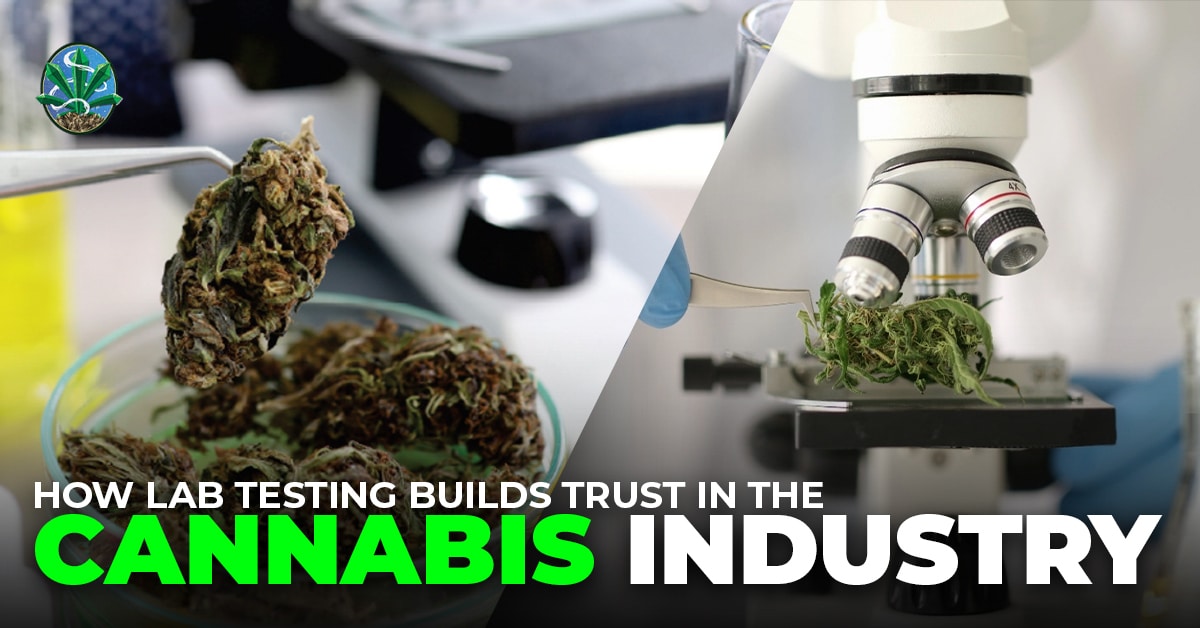
As the legal cannabis market continues to mature, consumers are becoming more informed about the products they purchase. They no longer rely solely on packaging, branding, or product descriptions. Instead, many shoppers actively seek verified information about potency, ingredients, and product quality before making a decision.
This growing demand for transparency has made cannabis lab testing one of the most important aspects of today’s cannabis industry.
Whether purchasing flower, concentrates, edibles, vape products, or cannabis seeds, consumers increasingly expect brands to provide reliable testing results that verify product information. Independent laboratory testing helps create confidence, supports industry standards, and encourages responsible business practices.
In this guide, we’ll explain what cannabis lab testing is, why it matters, how Certificates of Analysis (COAs) work, and why transparency continues to shape the future of cannabis in 2026.
What Is Cannabis Lab Testing?
Cannabis lab testing is the process of analyzing cannabis products in an independent laboratory to verify important product information.
Testing may evaluate:
- Cannabinoid content
- Terpene profiles
- Moisture levels
- Microbial contaminants
- Heavy metals
- Pesticide residues
- Residual solvents (for extracts)
The exact testing requirements vary depending on state regulations and product type, but the primary goal is to provide accurate, unbiased information about the product.
Why Cannabis Lab Testing Matters
Trust is one of the most valuable assets in today’s cannabis marketplace.
Consumers want to know:
- What they’re purchasing
- How products were evaluated
- Whether labeling is accurate
- If products meet regulatory requirements
Cannabis lab testing helps answer these questions by providing measurable data instead of marketing claims.
Brands that prioritize transparency often strengthen long-term customer confidence.
What Is a Certificate of Analysis (COA)?
One of the most important outcomes of cannabis lab testing is the Certificate of Analysis, commonly called a COA.
A COA is a laboratory report that summarizes testing results for a specific product batch.
A typical COA may include:
- Cannabinoid percentages
- Terpene analysis
- Safety screening results
- Laboratory information
- Sample identification
- Testing dates
Many reputable cannabis brands make COAs available through QR codes, product pages, or customer support.
Why Third-Party Testing Is Important
Independent laboratories play a critical role in cannabis lab testing.
Third-party testing helps reduce potential conflicts of interest by providing evaluations from organizations separate from the manufacturer.
Consumers often view independently verified results as more trustworthy because they are produced outside the company’s production process.
This independence contributes to greater transparency throughout the cannabis industry.
Understanding Cannabinoid Results
One of the first sections consumers notice on a COA is cannabinoid content.
Cannabis lab testing commonly measures cannabinoids such as:
- THC
- THCA
- CBD
- CBDA
- CBG
- CBN
These values help consumers better understand product composition while allowing brands to accurately label their products.
Why Terpene Testing Is Becoming More Popular
Terpenes contribute to the aroma and flavor characteristics of cannabis.
Many consumers now look beyond cannabinoid percentages and examine terpene profiles when comparing products.
Cannabis lab testing may identify terpenes such as:
Myrcene
Known for earthy and herbal aromas.
Limonene
Often associated with citrus fragrances.
Caryophyllene
Recognized for peppery and spicy notes.
Pinene
Commonly contributes fresh pine aromas.
Terpene analysis has become an increasingly valuable educational resource for cannabis consumers.
Safety Screening Protects Consumers
Beyond potency, cannabis lab testing also evaluates product safety.
Depending on regulations, laboratories may screen for:
Heavy Metals
Testing may identify unwanted metals that could enter products through cultivation or processing.
Pesticides
Many jurisdictions require cannabis products to meet strict pesticide standards.
Microbial Contaminants
Laboratories may test for yeast, mold, bacteria, and other microorganisms.
Residual Solvents
Extract products are often analyzed to confirm solvent levels meet applicable standards.
These evaluations help support consumer confidence and product quality.
Transparency Creates Stronger Brands
Consumers increasingly reward brands that provide clear information.
Businesses that embrace cannabis lab testing often demonstrate commitments to:
- Accuracy
- Consistency
- Accountability
- Consumer education
- Regulatory compliance
Transparency is becoming a competitive advantage rather than simply a regulatory requirement.
How Consumers Can Read a COA
Although laboratory reports may appear technical, understanding a few key sections can be helpful.
Look for:
Laboratory Information
Identify the testing laboratory.
Batch Number
Verify the report matches the purchased product.
Testing Date
Recent reports help demonstrate current product information.
Cannabinoid Results
Review labeled cannabinoid percentages.
Safety Results
Confirm the product meets applicable testing standards.
Learning to interpret COAs empowers consumers to make more informed purchasing decisions.
Cannabis Lab Testing and AI Search
As Google continues expanding AI-powered search experiences, educational content focused on cannabis lab testing aligns well with consumer intent.
People frequently search:
- What is a COA?
- Why is cannabis tested?
- How do I read a cannabis lab report?
- Why does third-party testing matter?
Clear educational content addressing these questions improves both user experience and search visibility.
Common Misconceptions About Cannabis Lab Testing
“Testing Is Only About THC”
False.
Cannabis lab testing evaluates many different aspects of product quality and safety.
“Every COA Looks the Same”
Different laboratories may use slightly different report formats while following applicable standards.
“Only Flower Requires Testing”
Many product categories undergo laboratory analysis, including concentrates, edibles, tinctures, and vape products.
“A COA Guarantees Product Quality Forever”
Laboratory results apply to the tested batch and represent conditions at the time of testing.
Frequently Asked Questions
What is cannabis lab testing?
It is the independent analysis of cannabis products to verify potency, composition, and safety information.
Why is third-party testing important?
Independent testing promotes transparency and helps consumers evaluate product information with greater confidence.
What is a COA?
A Certificate of Analysis is a laboratory report summarizing testing results for a specific product batch.
What information can consumers find on a COA?
Many reports include cannabinoid content, terpene analysis, safety screening results, laboratory details, and testing dates.
Why do reputable brands publish COAs?
Making laboratory reports available demonstrates transparency and helps consumers make informed purchasing decisions.
The Future of Cannabis Lab Testing
As the cannabis industry grows, cannabis lab testing will likely become even more comprehensive.
Future developments may include:
- Faster testing technologies
- Expanded terpene analysis
- Enhanced product traceability
- Digital COA verification
- Greater consumer access to laboratory information
- Standardized reporting formats
These advancements will continue supporting consumer confidence and industry accountability.
Final Thoughts
Transparency has become one of the defining characteristics of the modern cannabis industry. As consumers become more knowledgeable, they increasingly value brands that provide accurate information backed by independent verification.
Cannabis lab testing plays a central role in building that trust. From verifying cannabinoid content to screening for contaminants and publishing Certificates of Analysis, laboratory testing helps create a more informed marketplace where consumers can make confident decisions.
As cannabis continues evolving in 2026 and beyond, brands that embrace cannabis lab testing and openly share verified product information will be well positioned to earn long-term customer trust and strengthen their reputation.


