










Marijuana has a rich tapestry of slang. These terms reflect its diverse cultural roots.
From “weed” to “ganja,” each word tells a story.
Slang for weed is more than just words. It’s a reflection of history and culture.
These terms have evolved over time. They vary by region and community.
Some slang words for weed are centuries old. Others are modern creations.
The creativity in these terms is fascinating. They capture the essence of cannabis culture.
Understanding these slang terms can be enlightening. It offers a glimpse into the world of cannabis.
Join us as we explore this vibrant vocabulary.

The Evolution of Slang for Weed
The language around marijuana is ever-changing. This evolution reflects societal shifts. As attitudes have changed, so have the words we use.
Early slang terms for weed emerged out of necessity. People needed ways to discuss it discreetly. These words often carried subtle meanings.
Over the decades, new terms have been introduced. They mirror cultural and social movements. Some have even become mainstream. (slang for weed)
Different eras have different popular terms. Here’s a quick glance at slang terms over the years:
- 1930s: “Reefer”
- 1960s: “Grass”
- 1990s: “Chronic”
- 2000s: “Kush”
- 2010s: “Dank”
With legalization, slang keeps evolving. Social acceptance is introducing new terms. The internet and pop culture play key roles, too.

Language is dynamic. Slang terms for weed show this dynamism well. They evolve with the ever-changing cannabis landscape.
Classic Slang Words for Weed
Marijuana holds a long history intertwined with slang. Each term carries its unique story and cultural significance. Some of these words are timeless.
“Weed” is perhaps the most common term. This straightforward nickname is casual, yet widely recognized. Many know it, even if they’re not users. (slang for weed)
“Pot” has deep roots. Its origin traces back to the Spanish word “potiguaya.” This term became prevalent across English-speaking countries.
“Ganja” offers a cultural connection. Derived from the Sanskrit word for hemp, it’s often linked with Rastafarianism. This term represents more than just a plant.
“Reefer” gained fame in the 1930s. It became iconic thanks to the film “Reefer Madness.” This term evokes images of an era.
Another term with a twist is “Mary Jane.” It cleverly plays on the Spanish pronunciation of marijuana. Over time, it’s grown in popularity.
Here’s a quick list of classic terms:
- Weed
- Pot
- Ganja
- Reefer
- Mary Jane
These classic words for weed have stood the test of time. Their presence in popular culture is undeniable. As the cannabis narrative shifts, they remain foundational. (slang for weed)

by Elsa Olofsson (https://unsplash.com/@elsaolofsson)
Slang carries cultural weight and emotional undertones. The longevity of these words highlights their significance. They are integral to the weed lexicon. (slang for weed)
Regional and Cultural Slang Terms
Marijuana slang often varies by region and culture. Many terms reflect local history and customs. They offer a glimpse into diverse cannabis cultures.
In Jamaica, “ganja” reigns supreme. Deeply rooted in Rastafarian tradition, it’s used freely. This term signifies both cultural and spiritual connections.
Mexico provides us with “mota.” This word is familiar to Spanish speakers. It’s a simple, yet widely used term across Latin America. (slang for weed)
In Canada, you might hear “BC Bud.” Known for high-quality cannabis, British Columbia lends its name to this term. It highlights regional pride in their product.
Australia brings us “yarndi.” This term represents cannabis in Aboriginal communities. It’s a reflection of Indigenous language and culture.
South Africa introduces us to “dagga.” This term is steeped in history, carried through oral traditions. It’s integral to South African cannabis conversations.
In the U.S., regional slang like “kush” is popular. Originating from the Hindu Kush mountains, it’s become a staple. (slang for weed)
Here are some regional terms:
- Ganja (Jamaica)
- Mota (Mexico)
- BC Bud (Canada)
- Yarndi (Australia)
- Dagga (South Africa)
- Kush (U.S.)
Cultural terms can reflect beliefs or practices. Their use offers insight into unique traditions. (slang for weed)
Cultural slang examples include:
- Herb (natural and holistic views)
- Chronic (refers to high-quality cannabis, popularized by music)
These terms signify more than just cannabis use. They reflect local histories and cultural values. (slang for weed)

by Xiangkun ZHU (https://unsplash.com/@arttoinspire) (slang for weed)
Slang for Different Forms and Products
Marijuana comes in various forms. Each form has its own set of slang terms. These nicknames often highlight specific characteristics.
Cannabis concentrates are quite popular. Terms like “wax” and “shatter” describe their texture and appearance. Both are powerful, offering a strong experience.
Edibles introduce a different way to enjoy marijuana. These cannabis-infused foods are often called “medibles.” The term blends “medicine” and “edibles,” reflecting their origins in medical use.
Hash, a concentrated resin, is known by several slang names. It’s sometimes called “hashish” or simply “hash.” Its concentrated nature makes it popular among seasoned users.
Keef is the delicate, powder-like substance found on cannabis flowers. This slang term is spelled in various ways, including “kief” or “keef.” It refers to the potent trichomes collected from the plant.
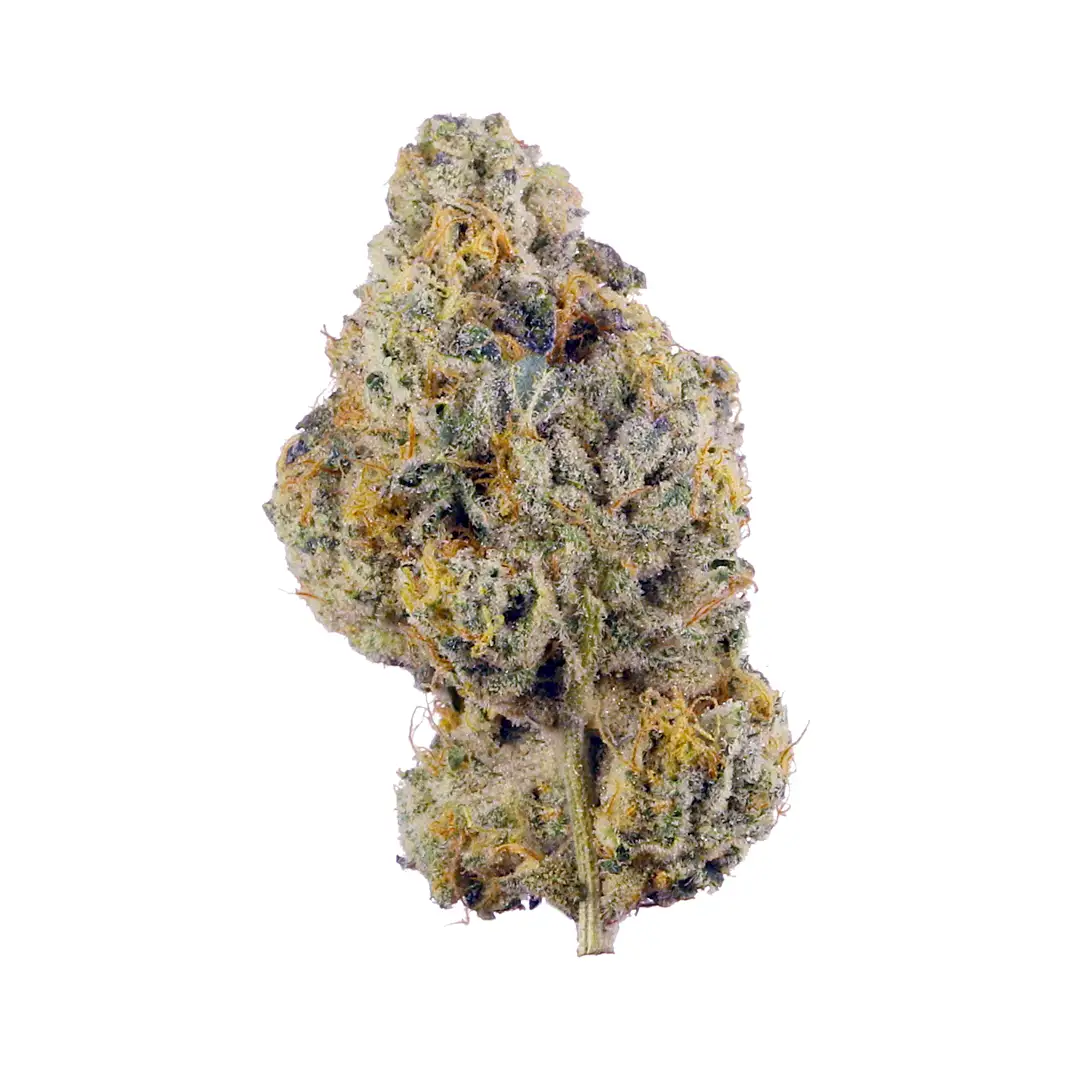
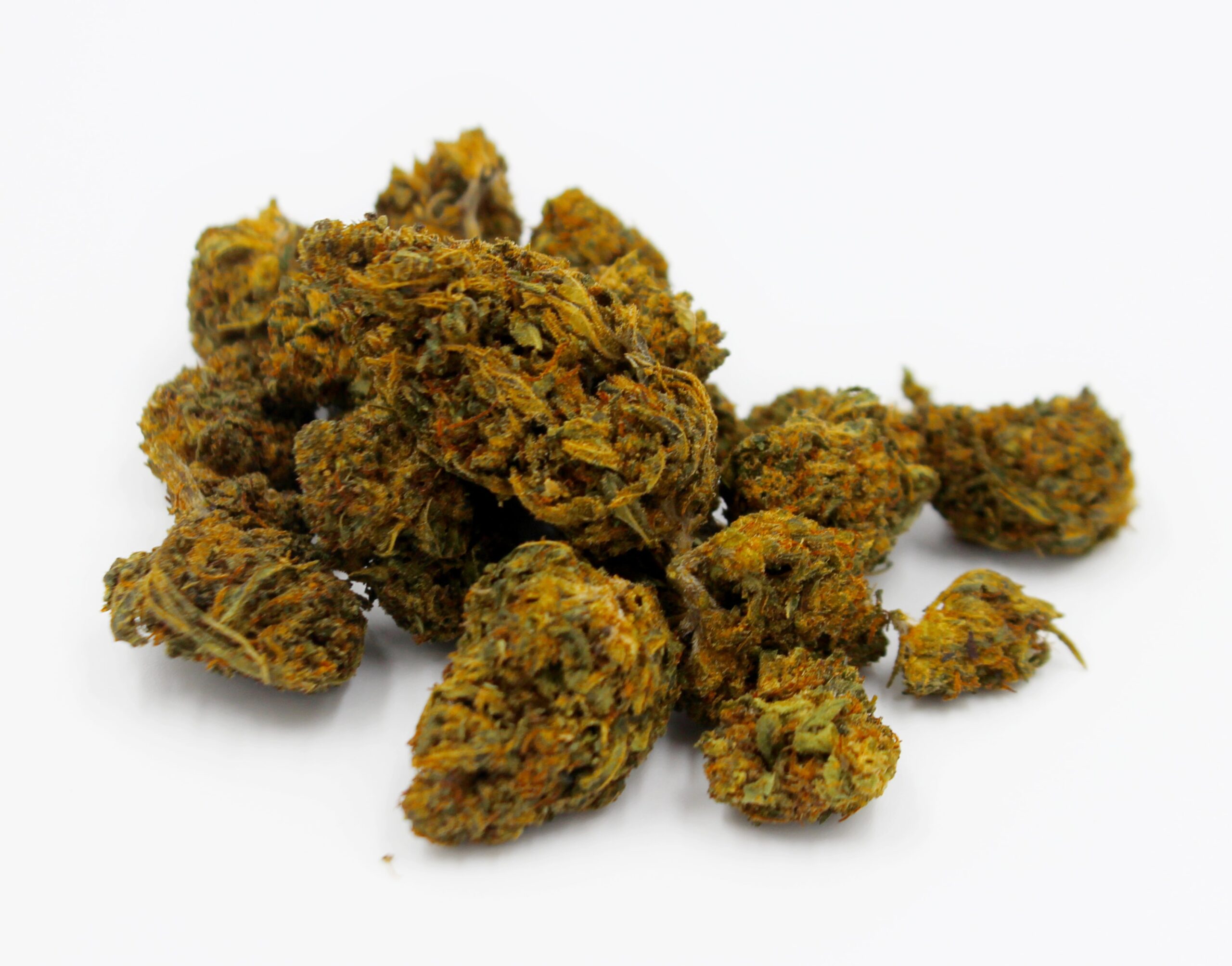
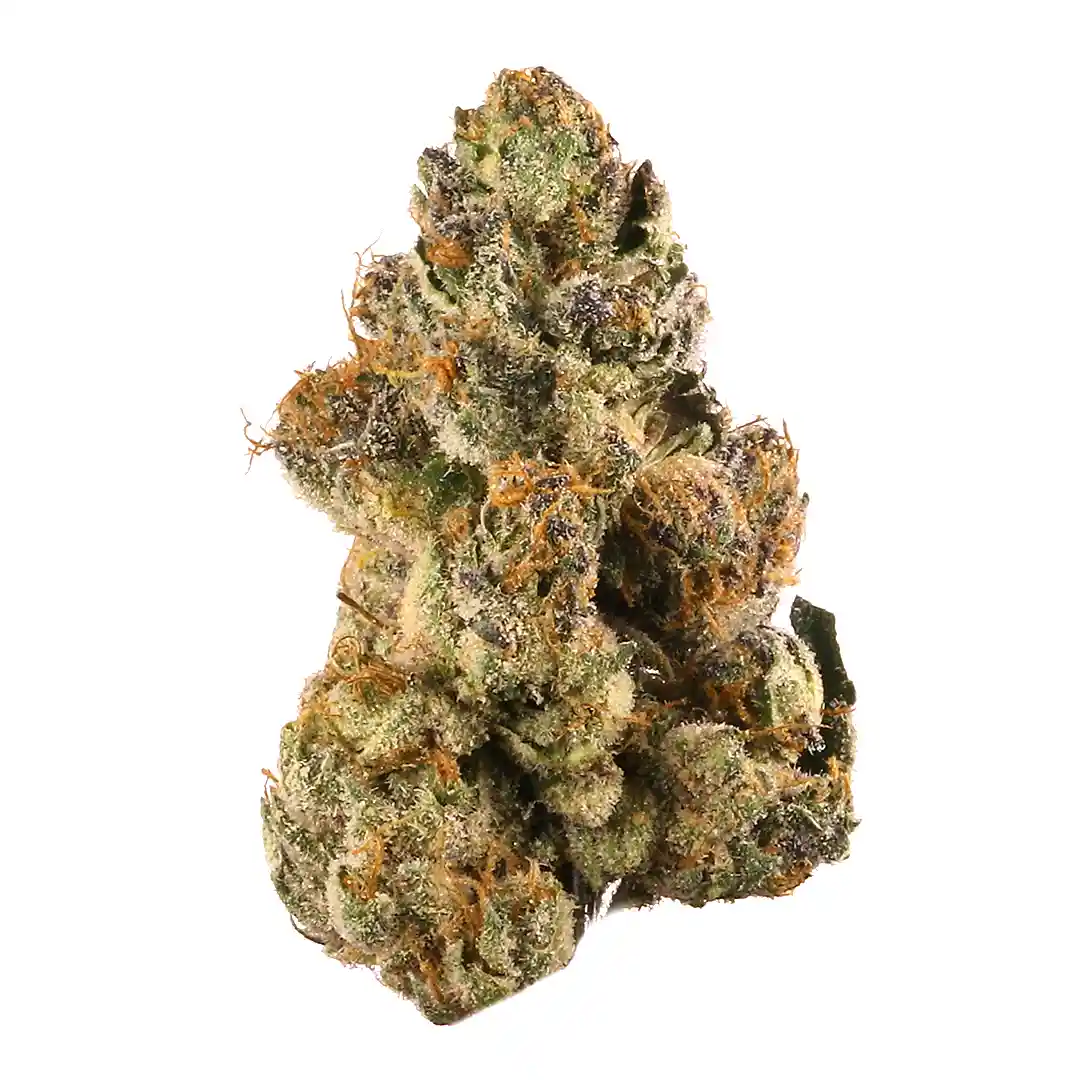
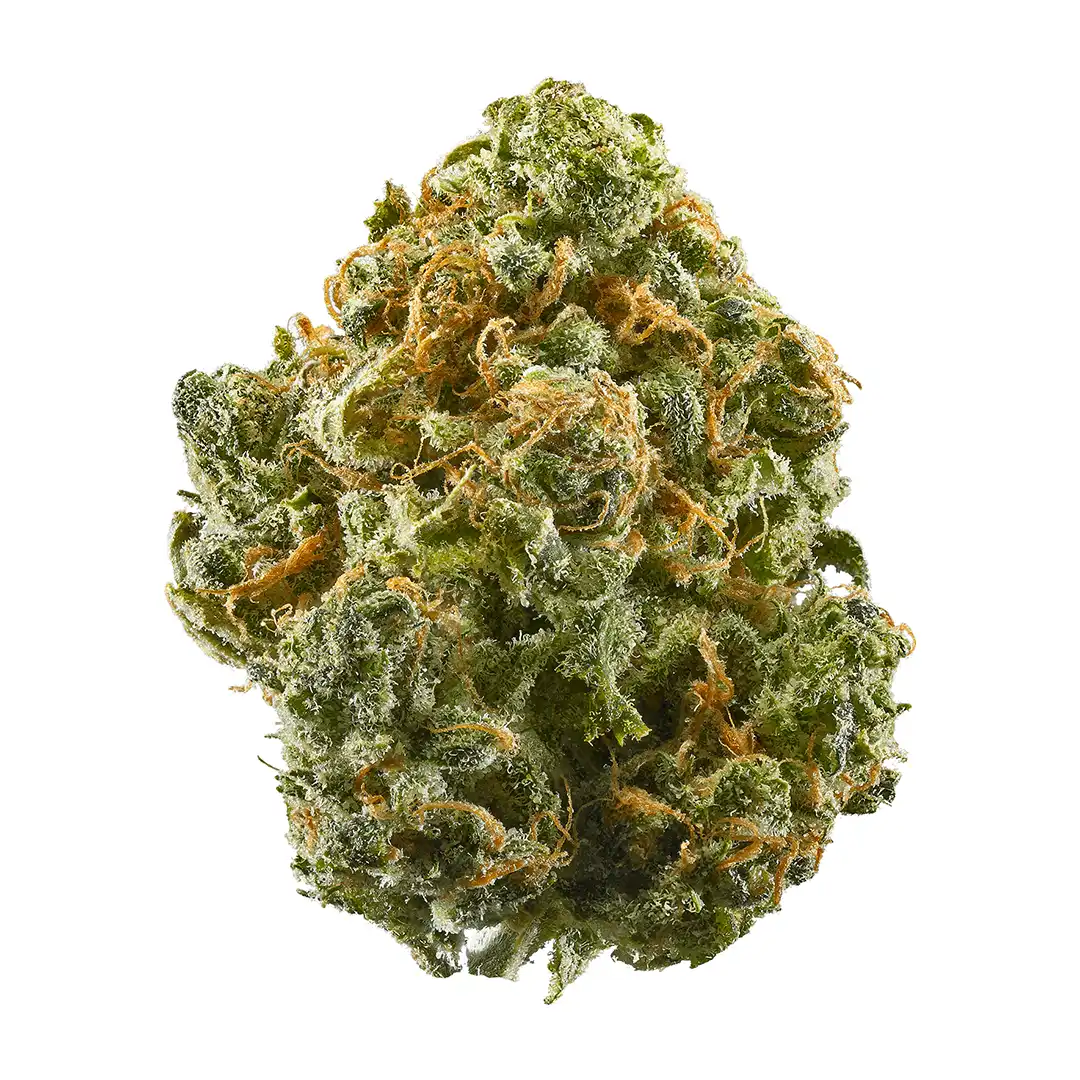
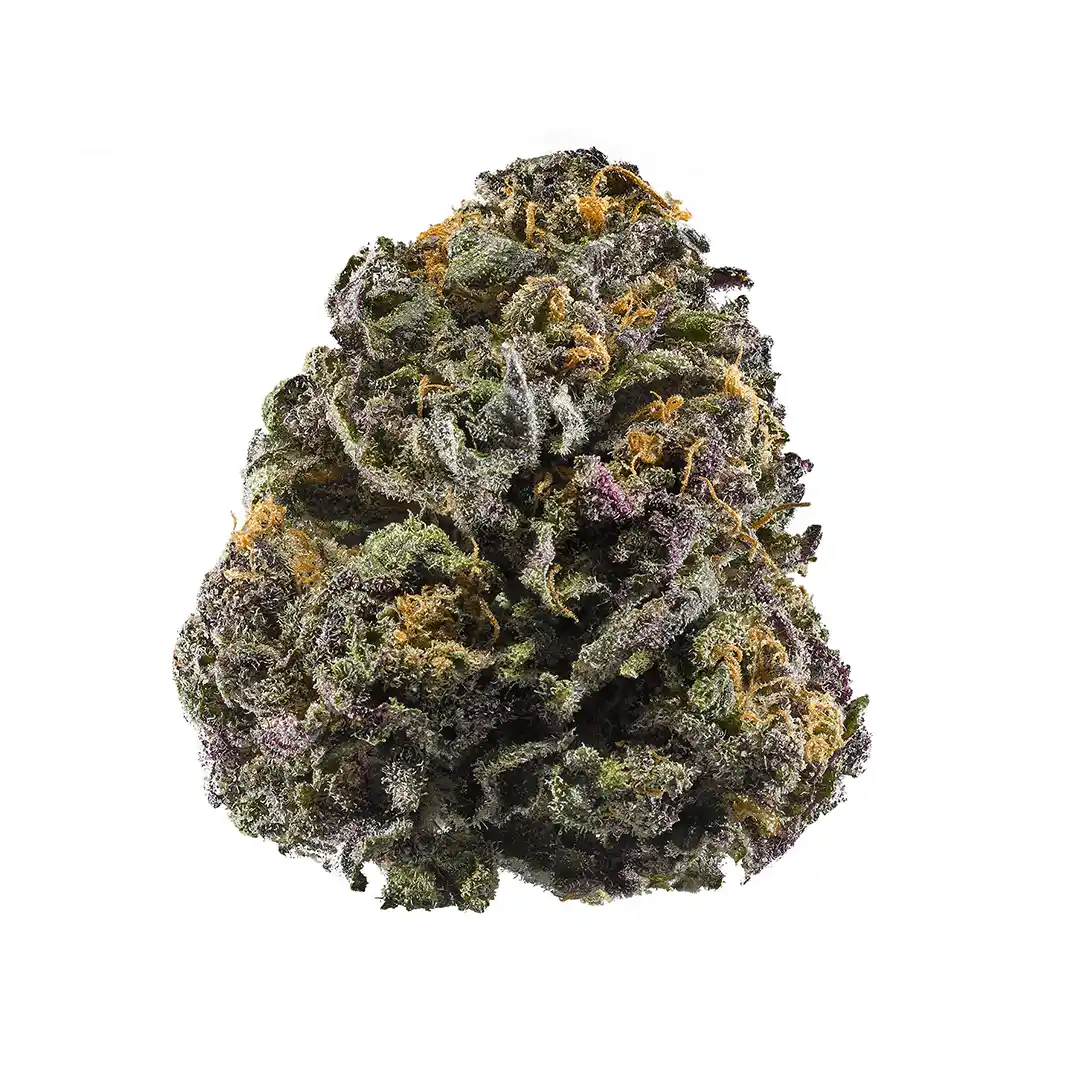
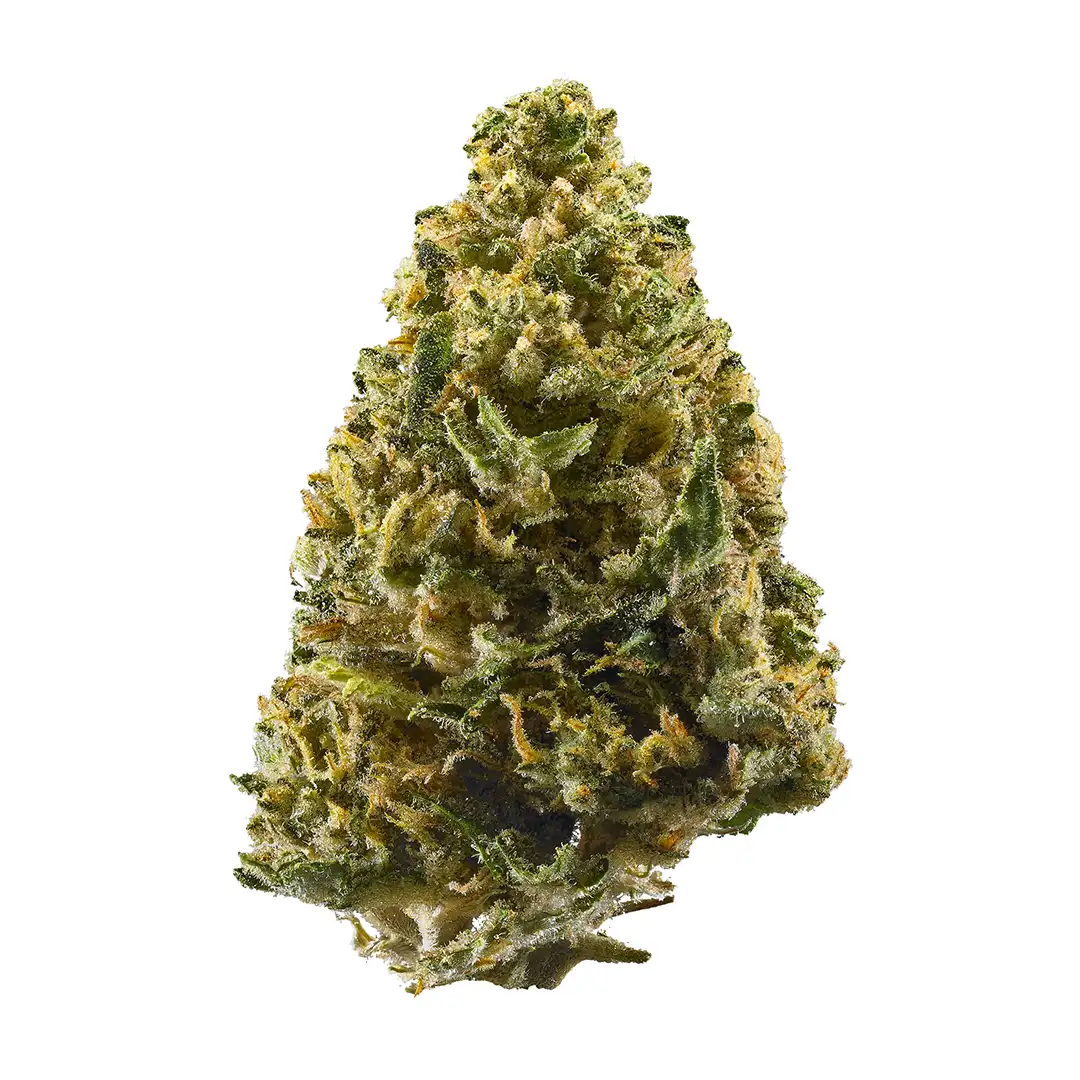
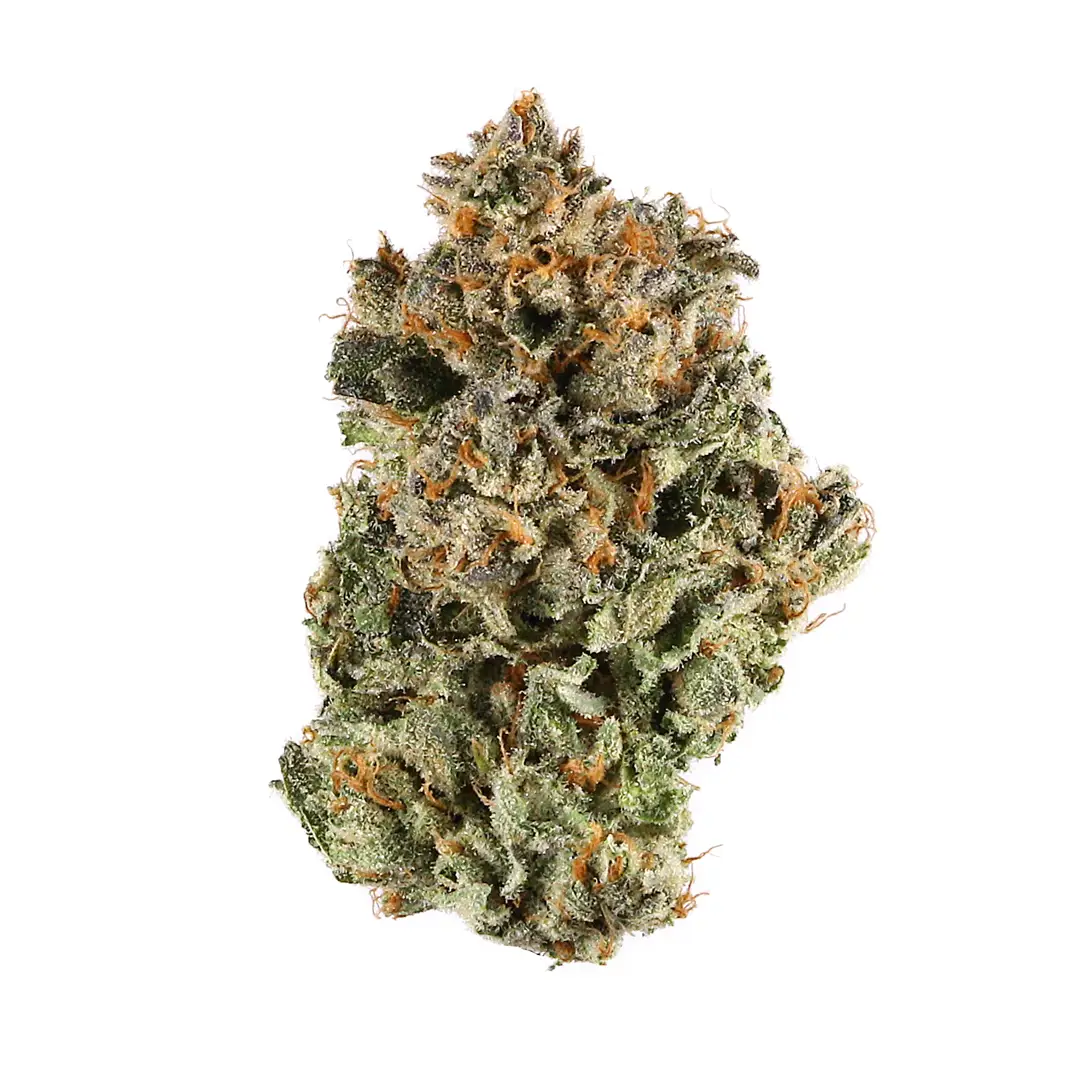
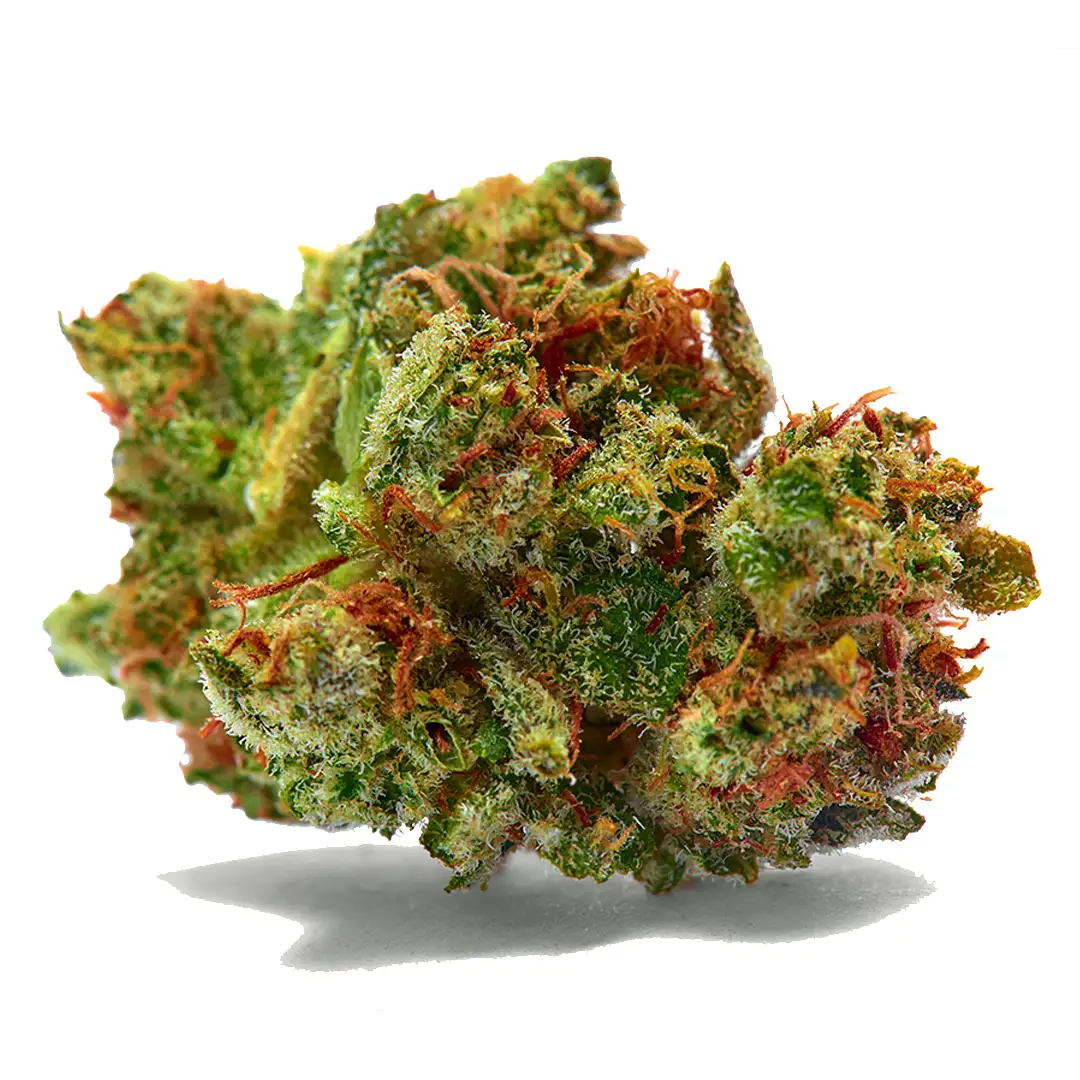
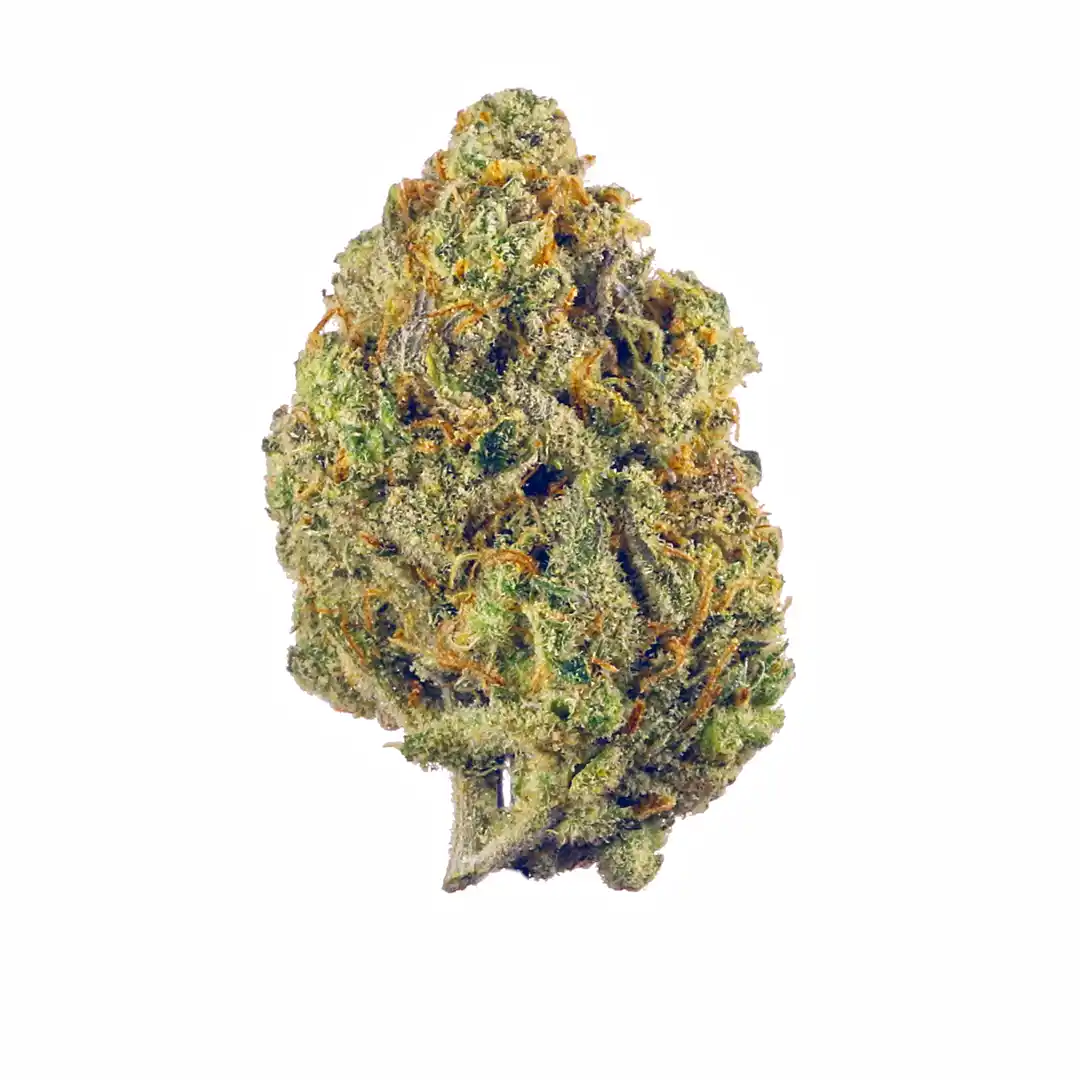
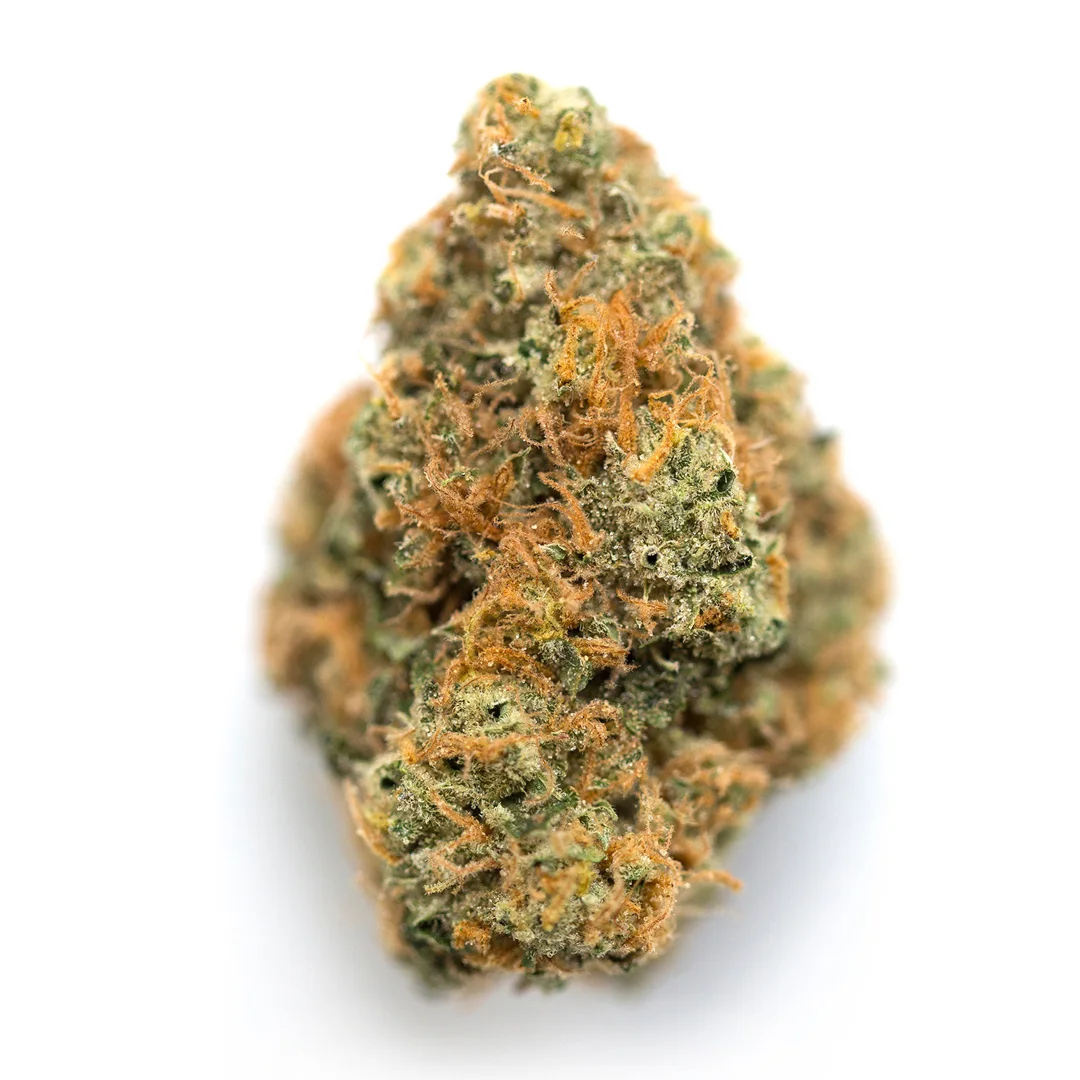
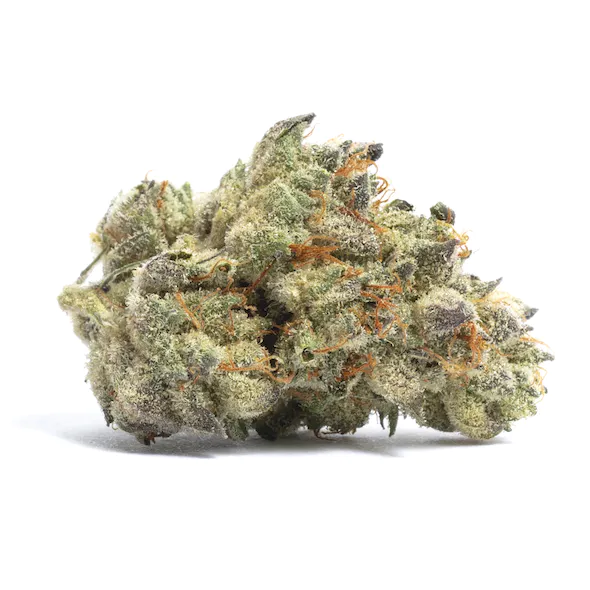
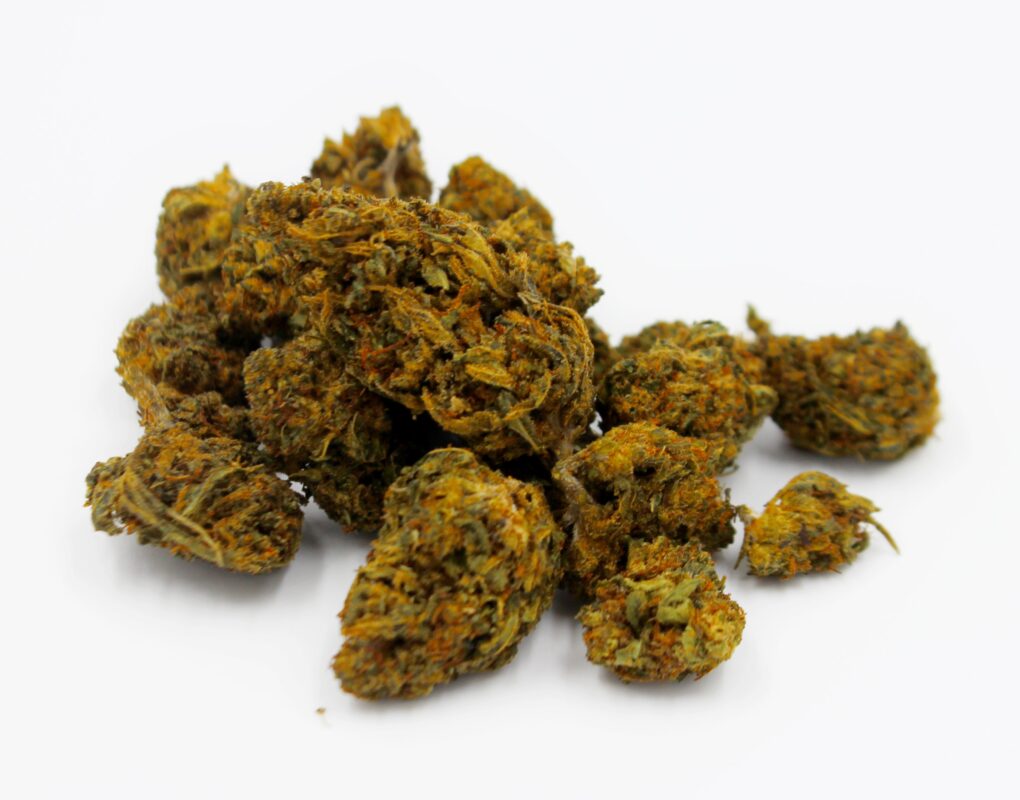
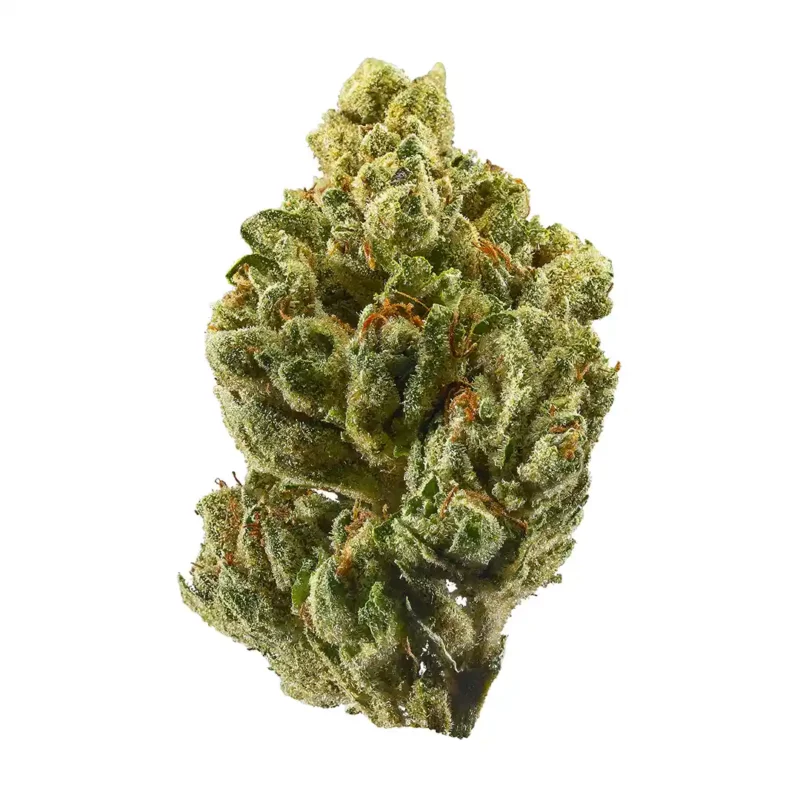
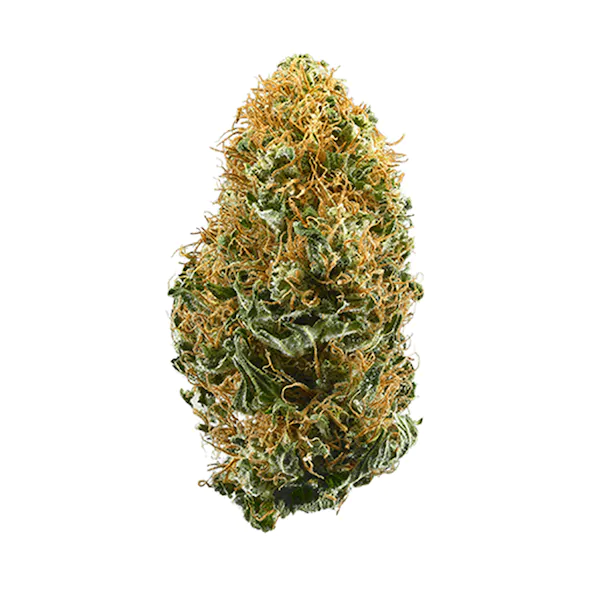
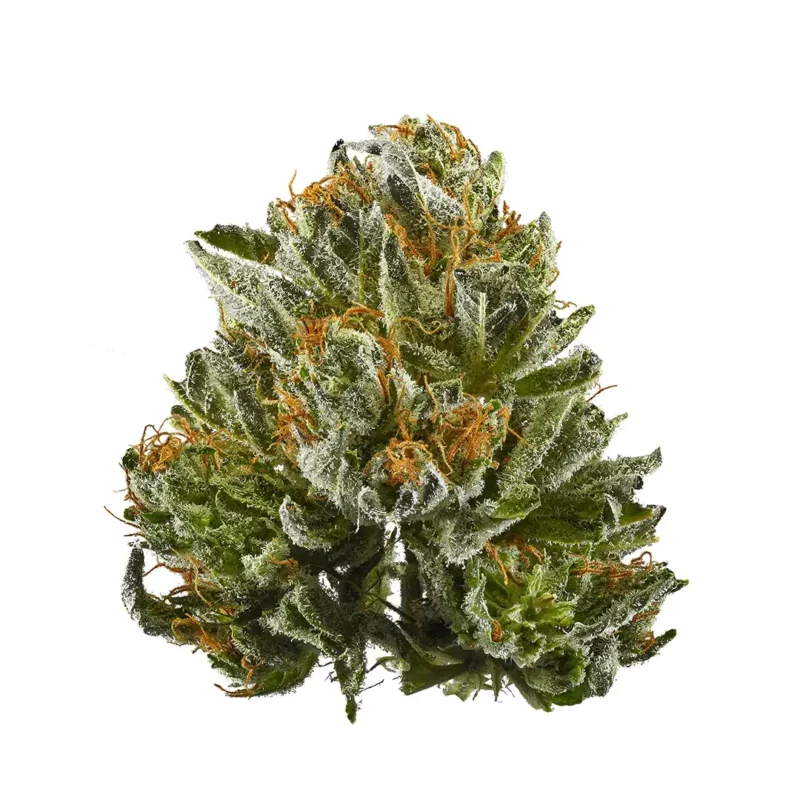
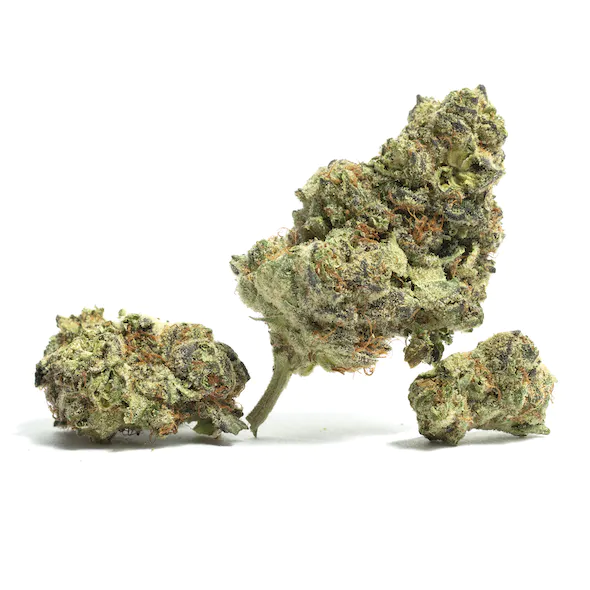
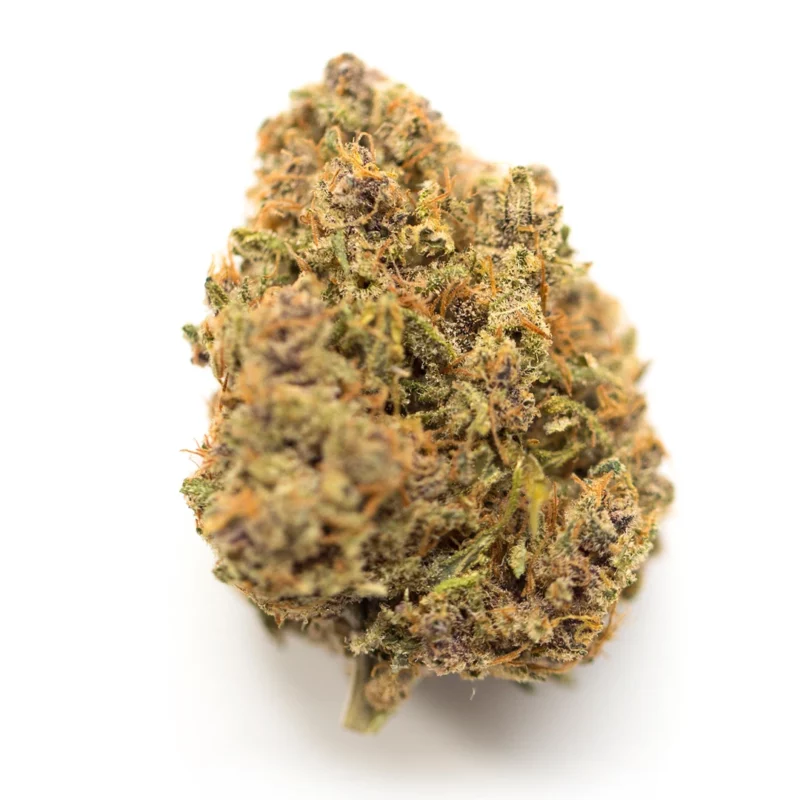
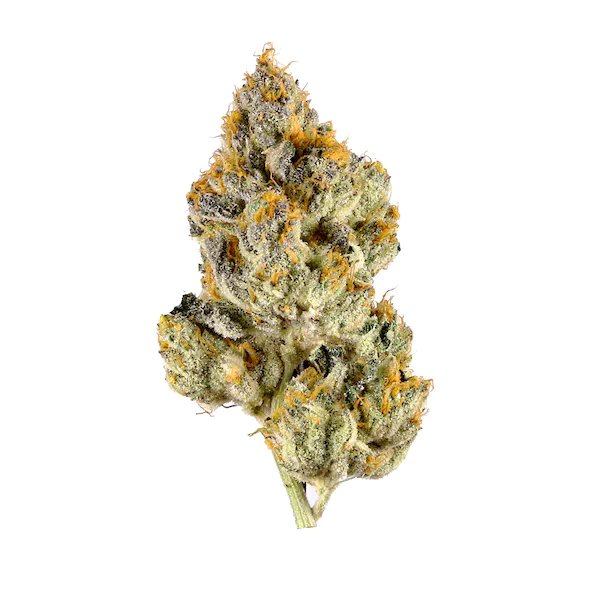
The cannabis flower has its own terms too. “Nug” describes a high-quality piece of cannabis. Meanwhile, “bud” is a more general term for the flower itself. (slang for weed)
Here’s a quick list of slang for different forms:
- Wax
- Shatter
- Medibles
- Hash
- Keef
- Nug
- Bud
These diverse terms highlight cannabis’ versatility. They capture the unique qualities of each form and product.

by Jasmine RODRIGUEZ (https://unsplash.com/@sabad) (slang for weed)
Slang for Methods of Consumption
The way marijuana is consumed influences its effects. Each method has developed unique slang words. These terms reflect the method’s popularity and cultural influence.
Smoking remains one of the most common methods. Terms like “joint” and “blunt” describe rolled marijuana. A “joint” uses paper, whereas a “blunt” uses a cigar wrap.
Vaporizing offers a different experience. It avoids burning the plant, leading to a cleaner intake. The slang “vape” has become widely recognized among users.
Bongs and pipes are also popular. A bong uses water to filter smoke, providing a smoother hit. “Pipe” is a general term for small, handheld devices used for smoking.(slang for weed)
Edibles aren’t just forms—they’re a method too. Eating marijuana-infused products provides a delayed but intense experience. This method has its own set of enthusiasts.
Here’s a list of consumption methods and their slang:
- Joint
- Blunt
- Vape
- Bong
- Pipe
- Edibles
Each consumption method offers a unique experience. The corresponding slang reflects these differences.

by Testeur de CBD (https://unsplash.com/@testeurdecbd) (slang for weed)
Slang for Being High and Cannabis Effects
The experience of being high brings about its own vocabulary. Each term captures a unique aspect of the marijuana high. Some words describe the state itself, while others capture the specific effects felt.
“High” is the most straightforward term, describing the euphoric effects. It’s a simple yet effective way to convey the experience. Meanwhile, “baked” often suggests a deeper, more profound sense of intoxication.
Feeling “lit” is another common expression. It’s a modern term associated with fun and excitement. This word has risen in popularity alongside changing social perceptions of cannabis.
Some strains leave you feeling heavy and relaxed. The term “couch-lock” captures this sedative effect. It vividly describes the inability to leave the sofa, a common sensation for some users.
A “green-out” can occur after too much consumption. It reflects feelings of discomfort and nausea. This term highlights potential downsides of overindulgence.(slang for weed)
Here’s a list of terms about feeling high:
- High
- Baked
- Lit
- Couch-lock
- Green-out
Each term reflects a different facet of the marijuana experience, illustrating its diverse effects. (slang for weed)
Slang for Quantities, Buying, and Selling
When it comes to marijuana, quantities and transactions have their own set of slang. These terms simplify the process of buying and selling. They also provide a cultural touchstone for aficionados.
“Stash” refers to a personal reserve of marijuana. It’s an essential term for any cannabis user. This word emphasizes privacy and personal consumption.
Small purchases are often described in unique terms. A “dime bag” usually costs ten dollars. It’s a small but convenient amount for casual users.
Larger amounts have their own vocabulary as well. An “ounce” is a common unit for serious users. It’s perfect for those who favor bulk purchases.
Traditional measurement systems also exist, with words like “eighth” and “quarter.” These terms convey specific weights. They help users specify exact amounts without misunderstanding.
Here’s a list of common slang for marijuana quantities and transactions:
- Stash
- Dime bag
- Ounce
- Eighth
- Quarter
These terms simplify communication around buying and selling, enriching the culture of cannabis. (slang for weed)
Modern and Social Media-Inspired Weed Slang
The digital age has revolutionized how slang evolves, including that for marijuana. Social media and online communities have birthed new terms, often creating a sense of exclusivity and camaraderie among users.
“Lit” is a popular term that describes the state of being high. It’s frequently used in memes and social media posts, elevating its status among younger audiences. Simple yet evocative, it captures the feeling perfectly.
“420-friendly” is another term that has gained traction online. It denotes a person or a place that welcomes cannabis use, often seen in dating profiles or travel forums. It signals openness and acceptance in a concise way.
Virtual communities also popularized the use of “weed emojis” to discreetly discuss marijuana. These symbols subtly replace words in digital conversations. They convey messages without attracting unwanted attention.
Here’s a list of modern, social media-inspired weed slang:
- Lit
- 420-friendly
- Weed emojis
New slang terms will undoubtedly continue to emerge as technology and culture evolve together.

by Obi (https://unsplash.com/@obionyeador) (slang for weed)
Funniest and Most Creative Weed Nicknames
The world of cannabis is rich with humor and creativity. Enthusiasts often invent entertaining nicknames for weed, adding flavor to conversations and texts. These names reflect the playful spirit of cannabis culture.
“Jazz cabbage” is a whimsical term that injects a dose of fun into the discourse. It playfully combines the art of music with marijuana, suggesting a lively and laid-back experience. Imagery is key to its charm.
“Devil’s lettuce” is another imaginative nickname. It takes a tongue-in-cheek approach to the infamous reputation marijuana once had. It mocks old stereotypes while celebrating the rebellious nature of pot users.
“Buddha’s delight” introduces a touch of irony and spirituality. It draws on cultural symbols to convey the meditative or euphoric experience some users associate with marijuana. This nickname adds a philosophical twist.
Here’s a quick list of funny weed nicknames:
- Jazz cabbage
- Devil’s lettuce
- Buddha’s delight
These entertaining monikers highlight the creativity and humor inherent in weed culture. They make conversation vibrant and memorable.

by Allison Saeng (https://unsplash.com/@allisonsaeng)
The Cultural Impact of Weed Slang (slang for weed)
Weed slang is more than just words; it’s a cultural phenomenon. It paints a vivid picture of the cannabis community’s shared identity. This language binds users through unique expressions and shared experiences.
Cannabis slang enriches artistic endeavors. Musicians and writers often infuse it into their work, adding authenticity and depth. This integration helps bridge the gap between subcultures and mainstream audiences.
Socially, weed slang has played a role in destigmatizing marijuana use. As terms evolve, they soften the taboo, fostering open conversation. This shift helps legitimize cannabis in both recreational and medicinal spheres.
Globally, weed slang reflects cultural diversity. Different regions contribute unique terms, showcasing a rich tapestry of linguistic influence. This global exchange enhances understanding and appreciation among cannabis users worldwide.

by Vimal Natarajan (https://unsplash.com/@vimalvkn)
Conclusion: The Ever-Growing Vocabulary of Cannabis
The language of cannabis is constantly evolving, reflecting cultural trends and social changes. As attitudes toward marijuana shift, so does the vocabulary surrounding it. This dynamic lexicon keeps the cannabis conversation fresh and engaging.
Each new slang term adds color and depth to marijuana culture, giving users more ways to express themselves. From the classic to the contemporary, these terms reflect personal experiences and cultural narratives. They serve as a testament to the plant’s broad and increasing influence.
In the future, as cannabis becomes more integrated into society, its vocabulary will continue to expand. This ever-growing lexicon reflects not only linguistic creativity but also the widespread embrace of cannabis in diverse communities.


