











(Cannabis oil explained)
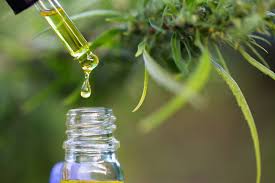
Cannabis oil has become one of the most widely discussed cannabis-derived products in recent years, often mentioned in conversations around wellness, alternative products, and evolving regulations. With increased visibility comes confusion, especially around what cannabis oil actually is, how it differs from other cannabis products, and what consumers should be aware of before exploring it.
This guide provides a clear, educational overview of cannabis oil, focusing on its types, general uses, and important legal and safety considerations.
What Is Cannabis Oil? (Cannabis Oil Explained)
Cannabis oil is a concentrated product derived from the cannabis plant. It typically contains cannabinoids such as CBD (cannabidiol) and/or THC (tetrahydrocannabinol), along with other naturally occurring compounds like terpenes and flavonoids.
The composition of cannabis oil can vary significantly depending on the source plant, processing method, and intended formulation. Some products are designed to emphasize non-intoxicating compounds like CBD, while others may contain varying levels of THC, the compound commonly associated with psychoactive effects.
Common Types of Cannabis Oil (Cannabis oil explained)
Cannabis oil is not a single standardized product. Instead, it exists in several forms, each with distinct characteristics:
1. CBD-Dominant Oils
These oils primarily contain cannabidiol (CBD), a non-intoxicating compound. They are often discussed in wellness contexts and are widely available in regions where permitted by law. (Cannabis oil explained)
2. THC-Dominant Oils
These formulations contain higher levels of THC, which may produce psychoactive effects. Availability is typically limited to jurisdictions with legalized or regulated cannabis programs.
3. Full-Spectrum Oils
Full-spectrum cannabis oils include a range of cannabinoids and plant compounds, aiming to preserve the plant’s natural chemical profile. (Cannabis oil explained)
4. Broad-Spectrum Oils
Similar to full-spectrum oils but typically formulated without THC, depending on regulatory requirements and product design.
5. Isolate-Based Oils
These products contain a single cannabinoid (such as CBD isolate) without other plant compounds.
General Uses and Contexts (Cannabis oil explained)
Cannabis oil is often discussed across a range of general-use contexts. These may include:
- Inclusion in wellness-focused product categories
- Use in topical or formulated products
- Integration into broader cannabis-related product offerings
It’s important to note that the way cannabis oil is presented and discussed can vary depending on regional laws and product regulations. Any intended use should align with local guidelines and applicable restrictions.
Factors to Consider When Evaluating Cannabis Oil (Cannabis oil explained)
When reviewing cannabis oil products, several general factors are commonly considered:
Cannabinoid Profile
Understanding whether a product is CBD-dominant, THC-dominant, or balanced can help clarify its general characteristics.
Source of the Plant
The origin and type of cannabis plant used (hemp vs. marijuana) may affect both composition and legal classification.
Third-Party Testing
Reputable products are often accompanied by independent lab testing to verify cannabinoid content and screen for contaminants.
Product Transparency
Clear labeling, ingredient disclosure, and accessible product information are key indicators of quality and reliability.
Legal Considerations (Cannabis oil explained)
Cannabis oil exists within a complex and evolving legal landscape. Regulations vary widely depending on location, and may include:
- Restrictions based on THC content
- Differences between hemp-derived and marijuana-derived products
- Licensing and distribution requirements
- Age restrictions and consumer access limitations
Before engaging with cannabis oil products, it is important to review the laws specific to your jurisdiction. What is permitted in one region may be restricted or prohibited in another.
Safety and Responsibility (Cannabis oil explained)
As with any cannabis-related product, awareness and responsible consideration are essential. General safety considerations include:
- Being informed about product composition
- Avoiding unverified or untested products
- Understanding local regulations before purchasing or possessing products
- Keeping products out of reach of minors
Cannabis oil products are not universally regulated in the same way across all markets, so consumers are encouraged to approach them with careful evaluation.
Final Thoughts
Cannabis oil continues to be a widely discussed category within the broader cannabis space, shaped by ongoing research, evolving laws, and shifting consumer interest. Understanding its types, general characteristics, and regulatory considerations can help provide clarity in an otherwise complex landscape.
Rather than focusing on instruction or usage methods, approaching cannabis oil from an educational and informed perspective allows for more responsible and compliant engagement with the topic.
Read Other Topics
Dispensaries Near Me 2024: Iced Out Genetics – Your Best & Nearest Weed Shop Online
Strongest Marijuana 2024: Ranking Cannabis Strains Based on Shocking THC %