








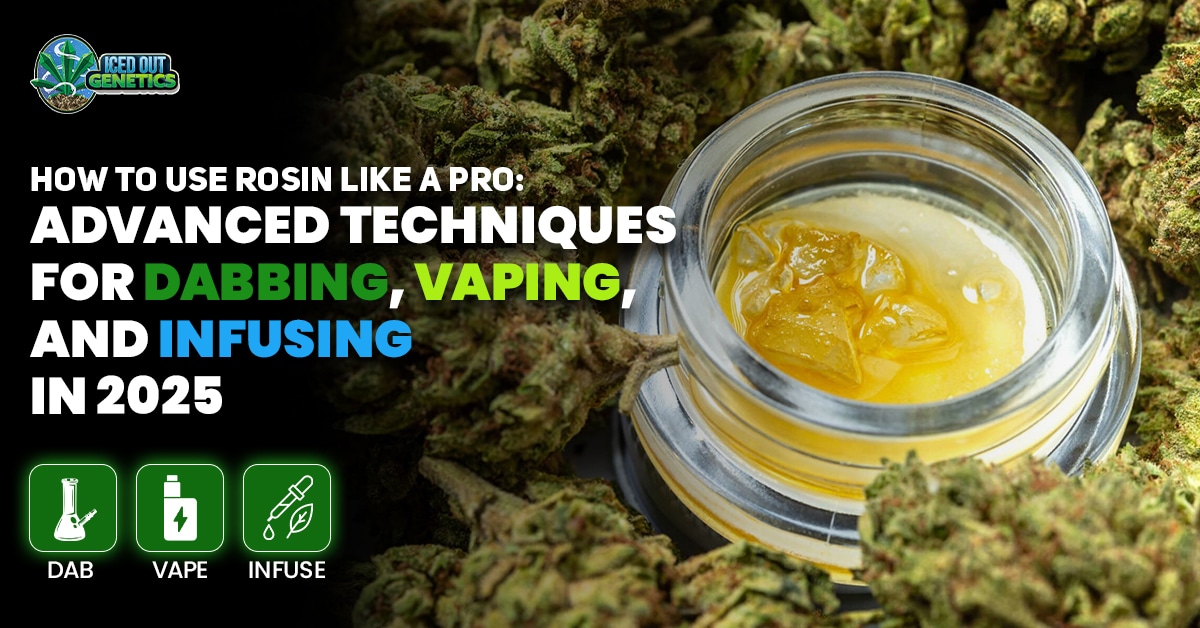
Rosin Explained in 2025 Introduction: Understanding Rosin in Today’s Cannabis Market
Rosin has become one of the most recognized categories within solventless cannabis concentrates. Known for its absence of chemical solvents and emphasis on terpene preservation, it is often discussed in relation to product purity, sensory experience, and evolving consumer preferences.
In 2025, the conversation around rosin has shifted away from instructions and techniques toward product understanding, quality evaluation, and responsible awareness. This article provides a general overview of rosin, how it fits into different product formats, and what to consider when evaluating it.
Rosin as a Product Category (Rosin Explained in 2025)
Rosin is part of the broader cannabis concentrate segment, but it stands apart due to its solventless production approach. It is commonly available in multiple formats, including:
- Concentrated forms (e.g., badder, sap, or similar textures)
- Vape-compatible products such as cartridges or disposable devices
- Infused products where rosin is incorporated into other formats
- Premium pre-rolls or flower-based combinations
Each format offers a different experience profile in terms of duration, intensity, and sensory characteristics, though these can vary widely depending on formulation and individual response.
(Rosin Explained in 2025)
Key Characteristics of Rosin
1. Terpene Profile and Aroma
Rosin is often associated with strong terpene presence, contributing to:
- Distinct aroma profiles
- Flavor-forward experiences
- Strain-specific characteristics
Terpene expression is one of the primary ways consumers differentiate between products.
(Rosin Explained in 2025)
2. Texture and Consistency
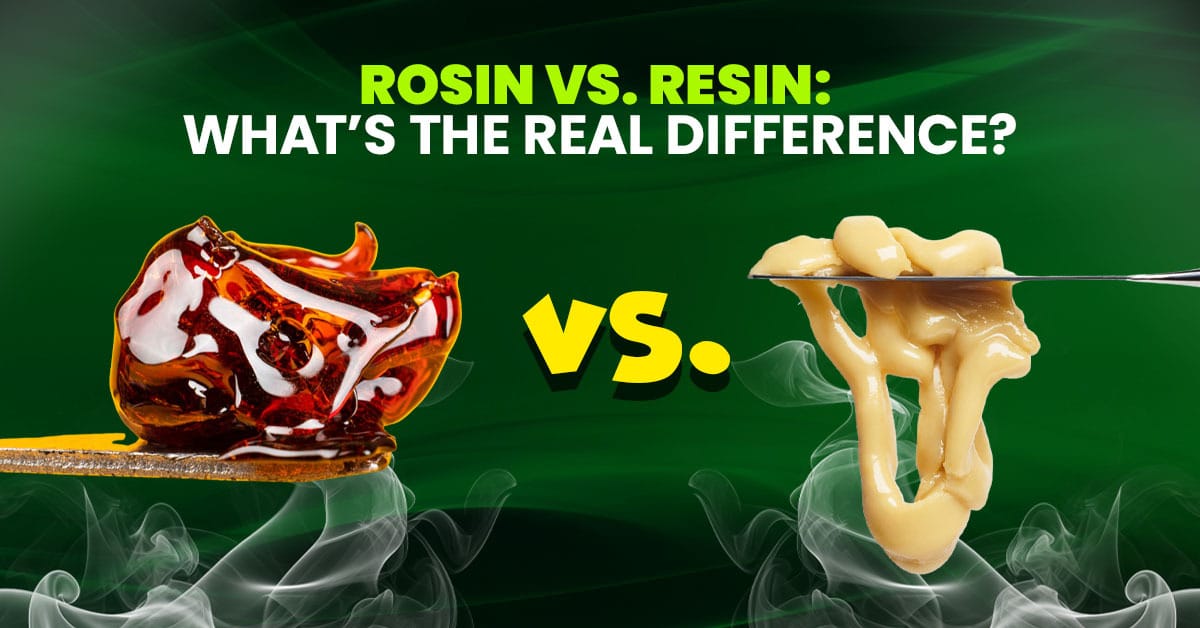
Rosin can appear in a range of consistencies, including:
- Soft and creamy
- Thick and viscous
- More stable or firm textures
These variations are influenced by factors such as source material and post-processing conditions, and they do not necessarily indicate quality on their own.
(Rosin Explained in 2025)
3. Color and Visual Quality
Color may range from light gold to darker amber tones. While lighter shades are often associated with freshness or terpene preservation, overall quality should be evaluated alongside lab data and sourcing transparency rather than appearance alone.
Storage and Stability Considerations
Rosin is sensitive to environmental factors. Its characteristics can change over time depending on:
- Exposure to heat
- Light conditions
- Air and oxidation
Improper storage may affect aroma, texture, and overall product stability. Many products are designed with packaging that helps maintain consistency, but conditions outside of controlled environments can still influence quality.
(Rosin Explained in 2025)
Rosin in Different Product Formats
Vape Products
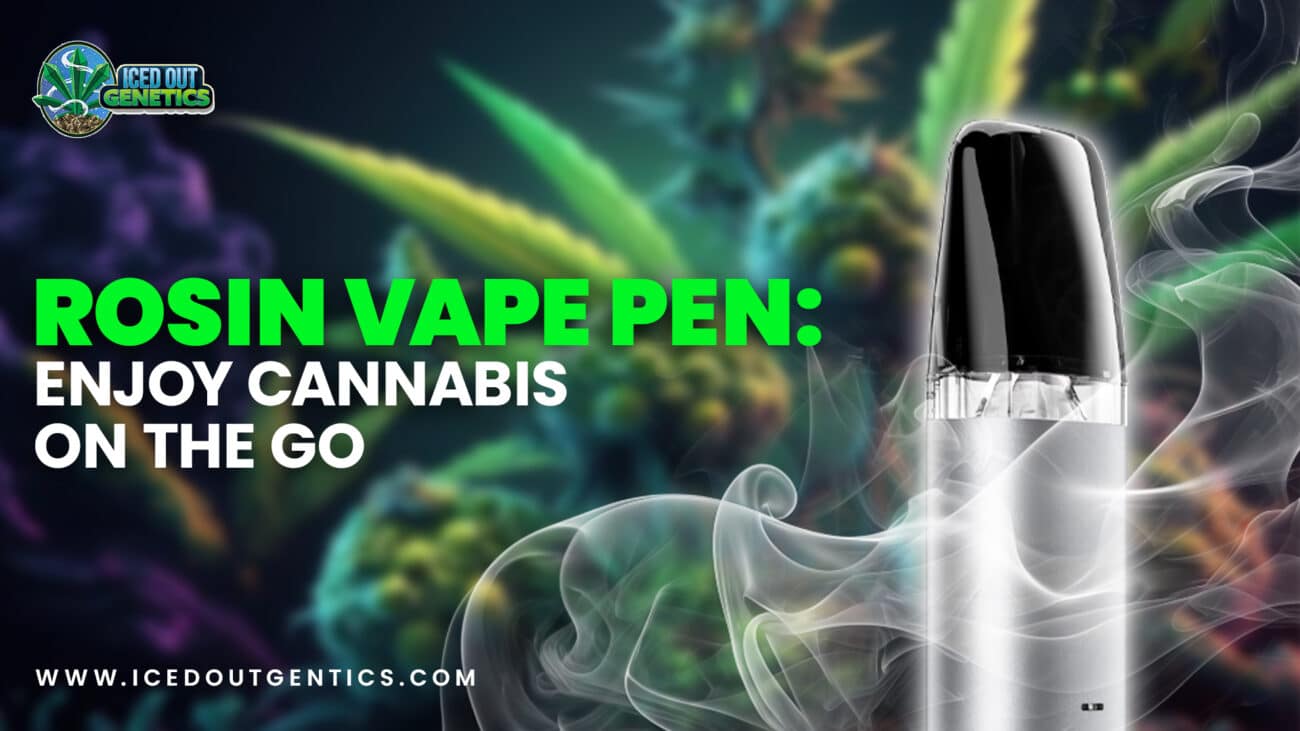
Rosin is increasingly used in vape-compatible formats, offering a portable option within the solventless category. These products are often discussed in terms of:
- Convenience
- Terpene-forward profiles
- Device compatibility
(Rosin Explained in 2025)
Edible and Infused Products
Rosin may also be incorporated into edibles or infused formats. In these cases, the experience differs from inhalable products due to metabolic processing, which can affect onset and duration.
Flower and Pre-Roll Integrations
Some products combine rosin with cannabis flower to create enhanced or infused formats, often positioned within the premium segment of the market.
Selection Considerations
When evaluating rosin products, focusing on quality indicators rather than usage methods is key. Common considerations include:
- Third-party lab testing for cannabinoid and terpene content
- Transparency in sourcing and production
- Consistency in texture and appearance
- Packaging quality and storage integrity
- Brand reputation and compliance standards
These factors help establish reliability and product integrity.
(Rosin Explained in 2025)
Safety Considerations
Cannabis concentrates, including rosin, may contain higher cannabinoid concentrations than other product types. General considerations include:
- Individual tolerance can vary significantly
- Effects may differ depending on product format
- Overconsumption is possible, particularly with high-potency products
- Cannabis may impair coordination and judgment
Avoid engaging with cannabis in situations that require full attention, such as driving. Individuals with underlying health conditions or those taking medications should consult a qualified professional.
(Rosin Explained in 2025)
Legal Considerations
Cannabis regulations vary depending on jurisdiction and may include:
- Age restrictions
- Limits on product types and potency
- Packaging and labeling requirements
- Licensing for production and distribution
Always verify local and state laws, as regulations are subject to change.
(Rosin Explained in 2025)
Industry Trends in 2025
The rosin category continues to evolve alongside broader cannabis market trends:
- Growth of solventless products driven by consumer demand for transparency
- Expansion into multiple formats, including portable and infused options
- Increased emphasis on terpene preservation
- Standardization and lab testing across licensed producers
These trends reflect a shift toward education, quality, and informed selection rather than technique-focused discussions.
Final Thoughts
Rosin represents a significant part of the modern cannabis landscape, defined by its solventless nature, terpene-rich profile, and product diversity. Understanding its characteristics and how it differs across formats allows for more informed and responsible engagement.
As the industry continues to mature, the focus is increasingly on clarity, compliance, and consumer awareness, rather than instruction or process.
(Rosin Explained in 2025)
Disclaimer
This content is for informational purposes only and does not constitute medical or legal advice. Cannabis laws vary by location and are subject to change. Always consult local regulations and a qualified professional regarding cannabis-related decisions.