











(Advanced Rosin Pressing Explained)
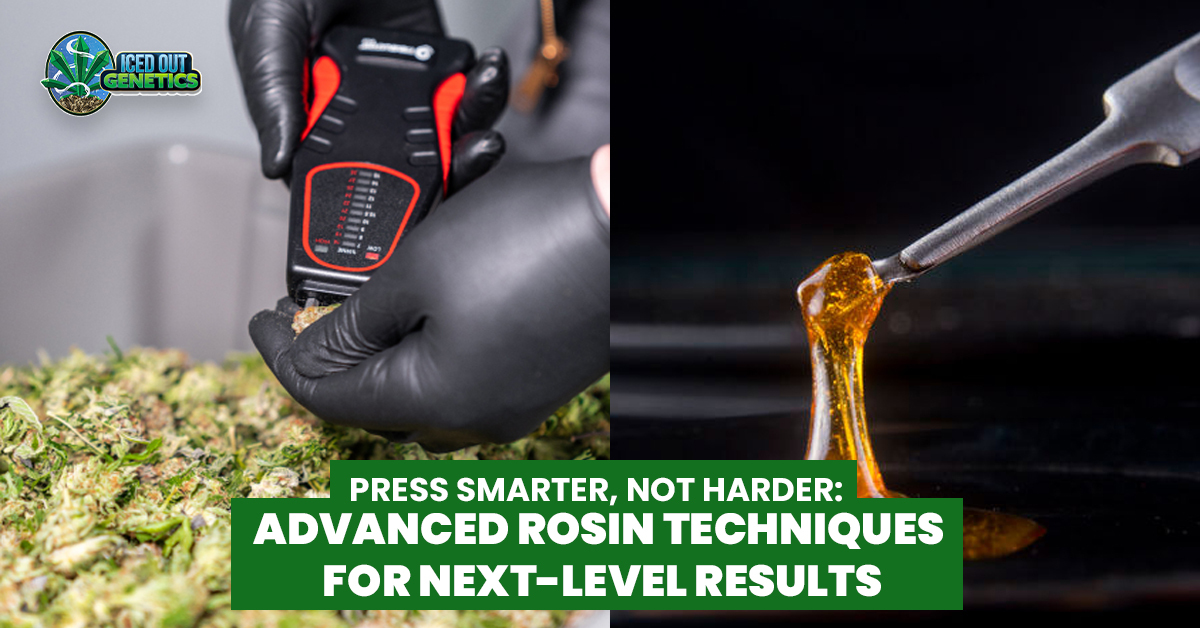
As solventless cannabis products continue to evolve, rosin has emerged as one of the most discussed concentrate categories in the modern market. What began as a niche, experimental process is now widely recognized for its emphasis on purity, terpene preservation, and solvent-free production methods.
Today, conversations around rosin are less about “how it’s made” and more about what defines quality, how products differ, and what consumers should understand when evaluating them.
This article explores the characteristics of rosin, the factors that influence quality, and broader trends shaping the solventless category.
The Evolution of Rosin in the Cannabis Market Advanced Rosin Pressing Explained
Rosin represents a shift toward solventless extraction philosophies, where mechanical processes are used instead of chemical solvents. As consumer awareness has grown, so has interest in:
- Cleaner production methods
- Transparency in sourcing and processing
- Preservation of terpene profiles
- Full-spectrum cannabinoid experiences
This evolution has positioned rosin as a premium category within the broader cannabis concentrate space.
(Advanced Rosin Pressing Explained)
What Defines Rosin Quality
Rather than focusing on production methods, quality is typically evaluated based on observable and measurable characteristics:
1. Appearance
High-quality rosin is often described in terms of:
- Color clarity (ranging from light gold to amber)
- Consistency (sap, badder, or more crystalline forms)
- Lack of visible contaminants
2. Aroma and Terpene Profile
Terpenes play a central role in defining rosin’s sensory experience. Products with strong, well-preserved terpene profiles are often associated with:
- Distinct aroma intensity
- Strain-specific scent characteristics
- Greater perceived freshness
3. Texture and Stability
Texture can vary widely depending on source material and post-processing conditions. Common consistencies include:
- Sauce-like or viscous
- Creamy or whipped
- Firm or stable
These variations are part of normal product diversity rather than indicators of correctness or incorrectness.
(Advanced Rosin Pressing Explained)
Product Categories: Rosin in Context
Rosin exists alongside other cannabis product formats, each with distinct characteristics:
- Vape products (including rosin-based cartridges): Portable and terpene-forward
- Edibles: Ingestible formats with extended duration profiles
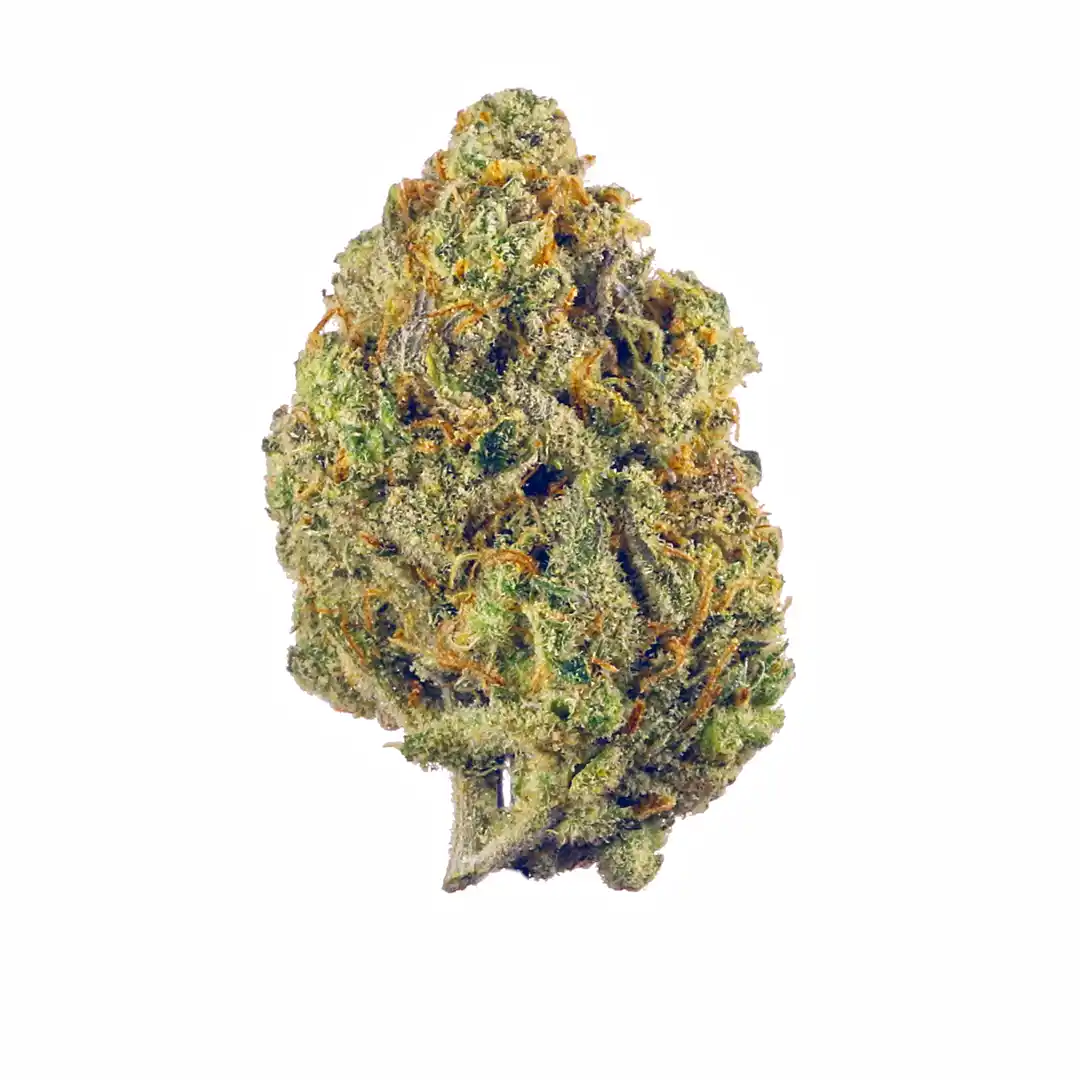
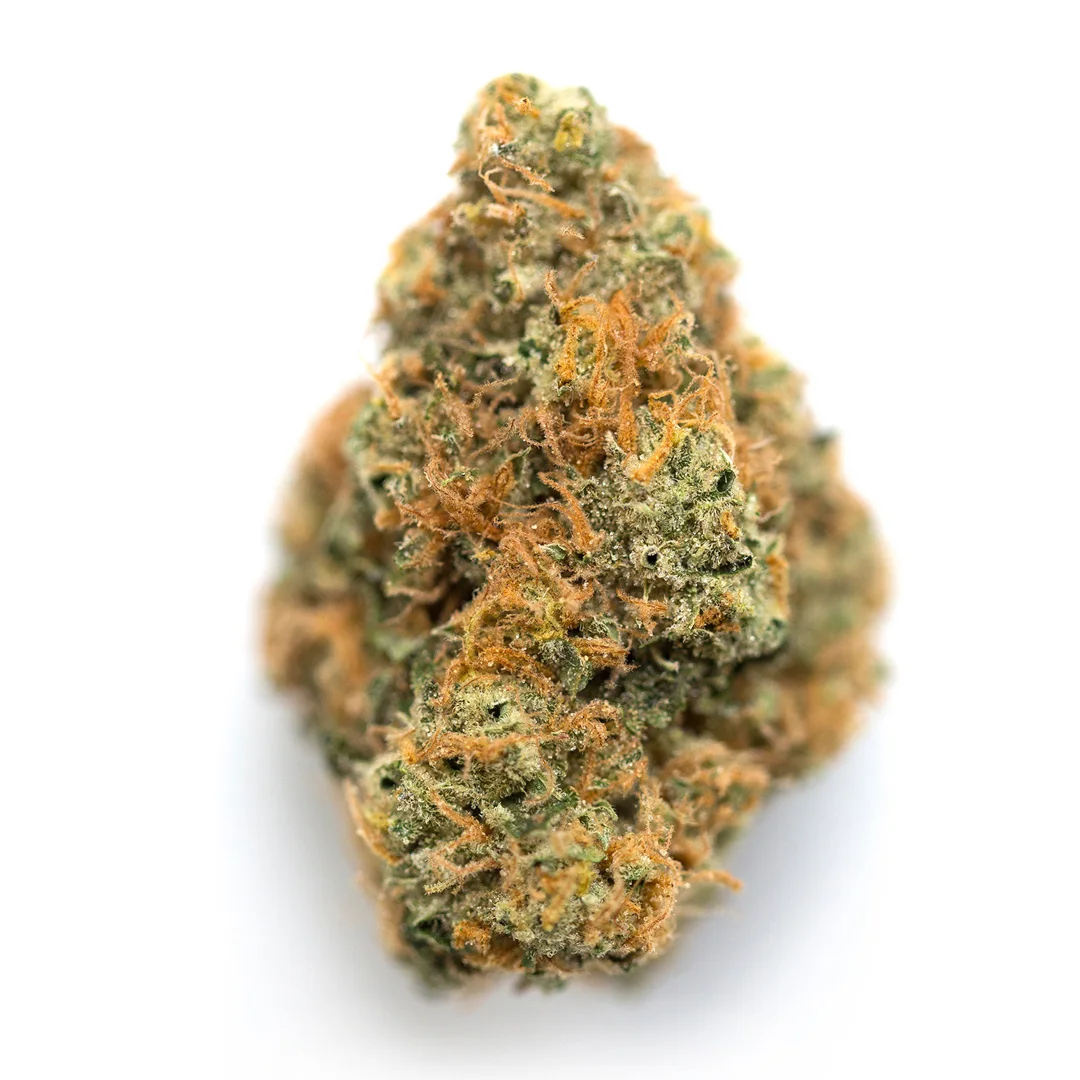
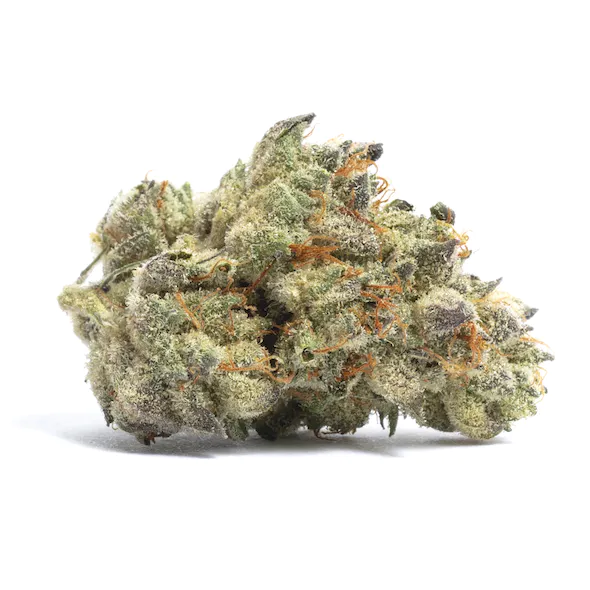
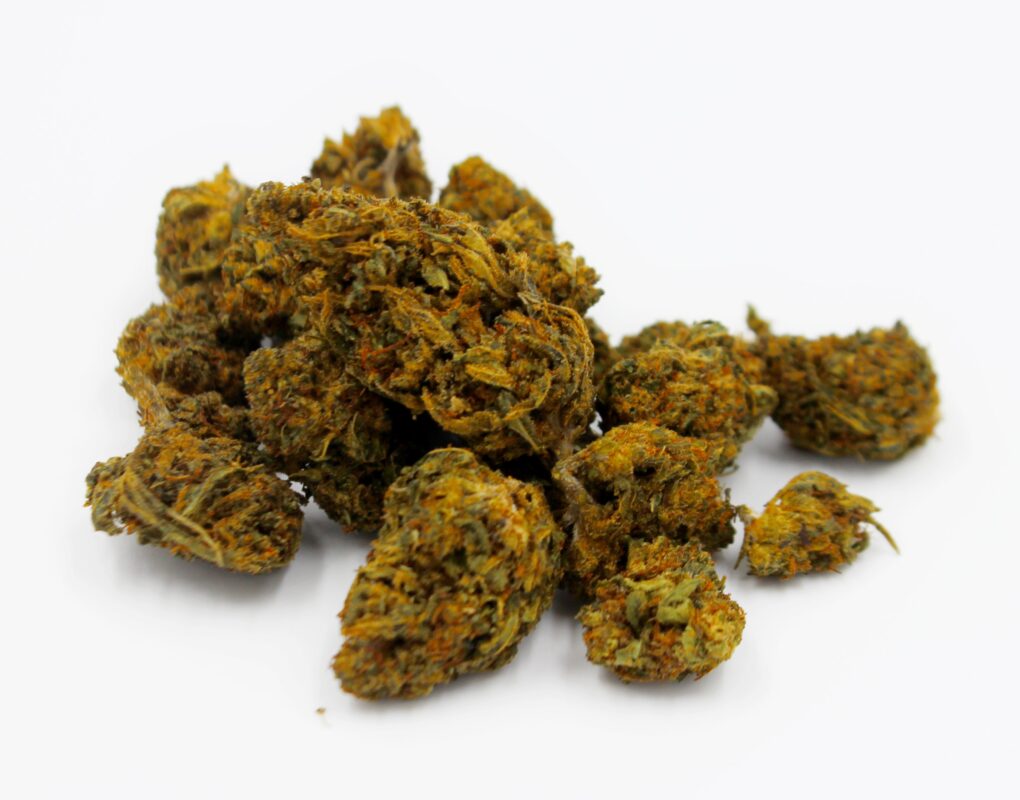
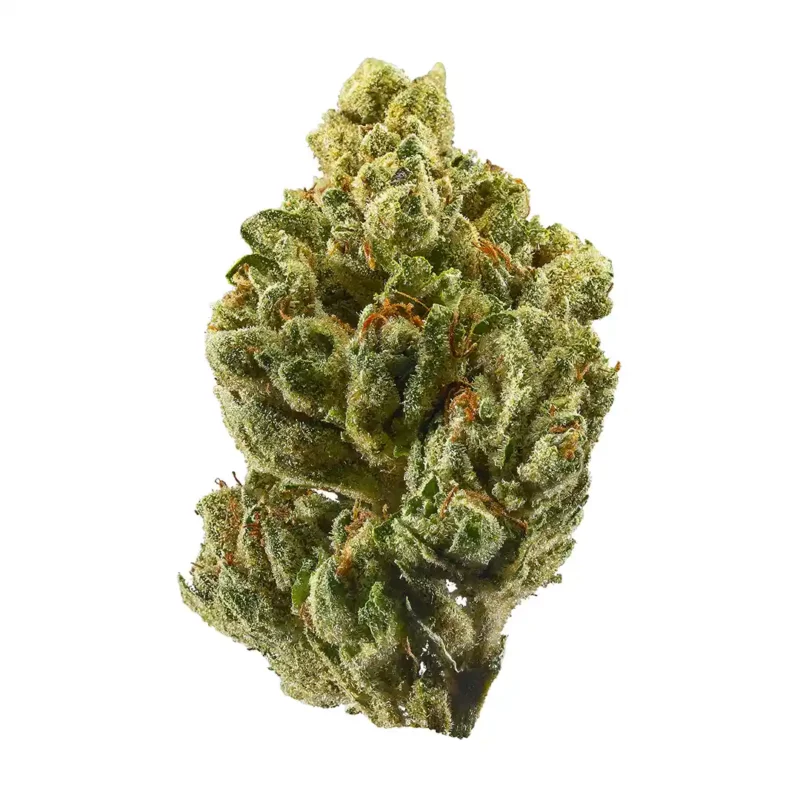
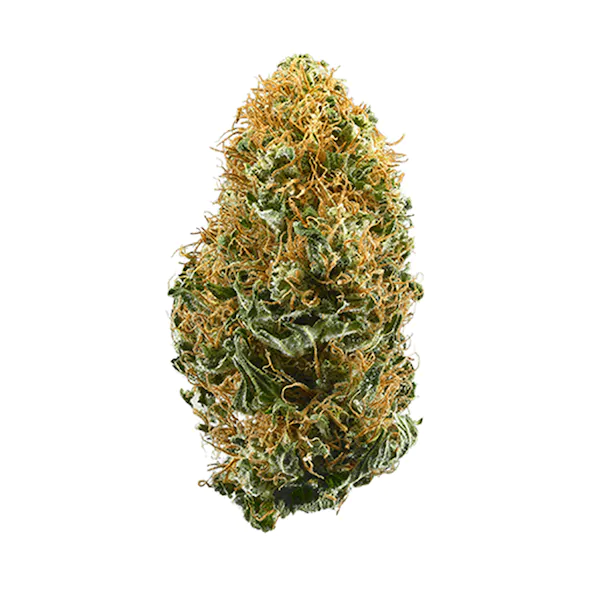
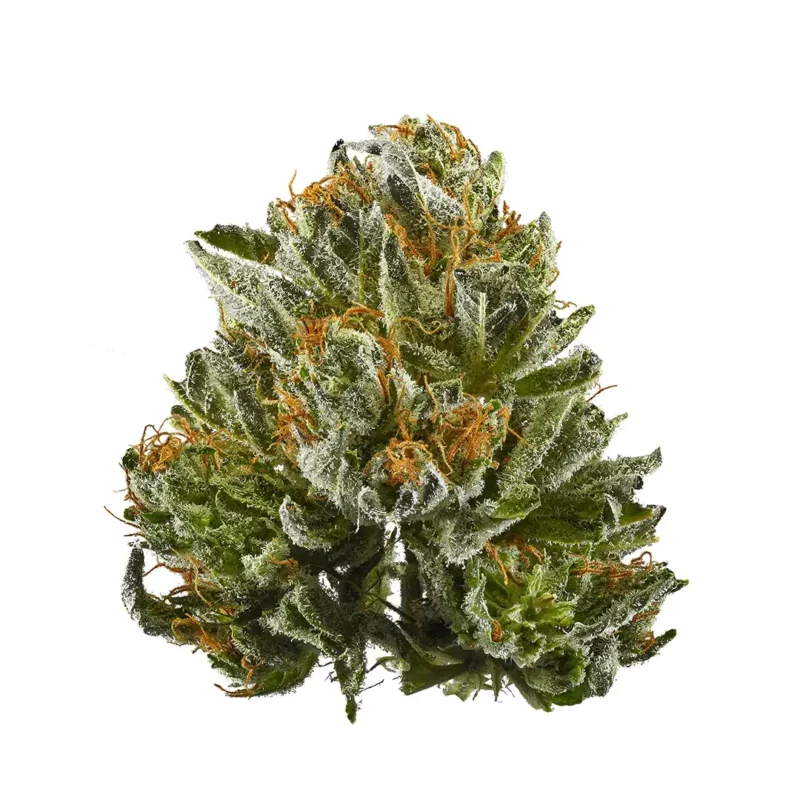
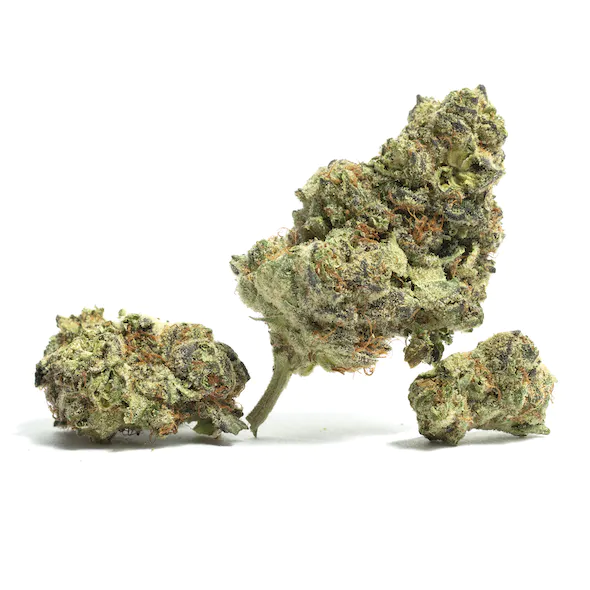
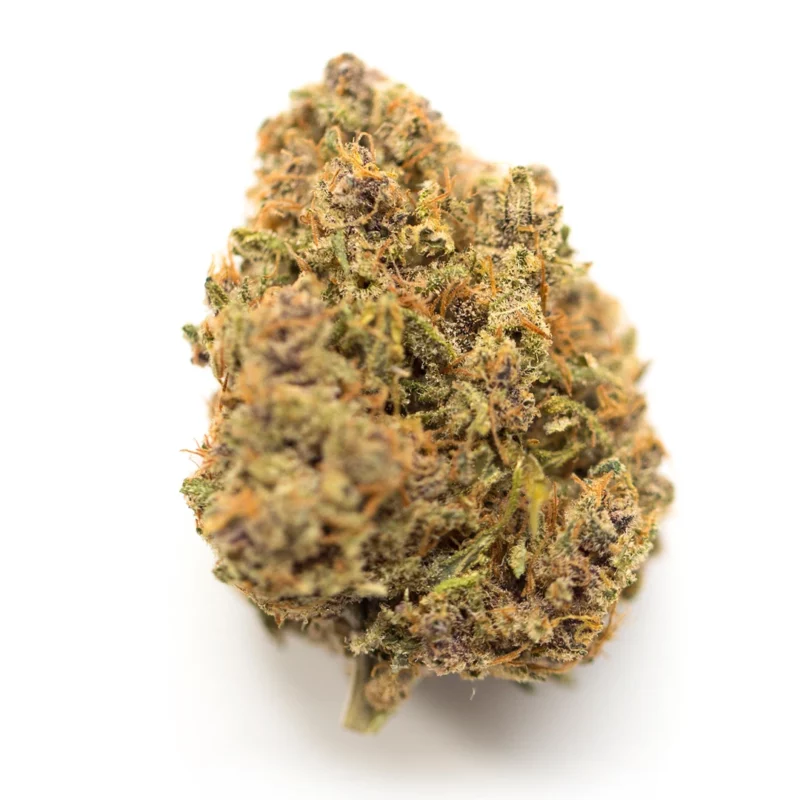
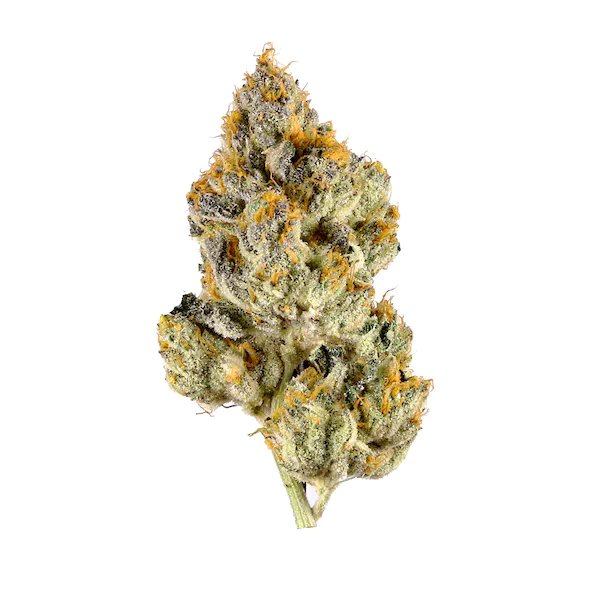
- Flower: Traditional, full-spectrum plant material
- Concentrates (broader category): Includes both solventless and solvent-based products
Understanding how rosin compares to these categories helps contextualize its role in the market without prescribing specific use cases.
(Advanced Rosin Pressing Explained)
Factors That Influence Rosin Characteristics
Several upstream factors contribute to the final product profile:
Genetics
Cannabis genetics influence:
- Cannabinoid ratios
- Terpene composition
- Resin production potential
Different cultivars may produce noticeably different rosin characteristics.
Cultivation and Harvesting Practices
Environmental conditions, plant health, and harvest timing all affect resin quality and overall output.
Post-Harvest Handling
Drying, curing, and storage conditions can impact:
- Terpene retention
- Moisture balance
- Product stability
These variables contribute to why rosin products can vary significantly between batches and producers.
(Advanced Rosin Pressing Explained)
Industry Trends in Solventless Products
The solventless category continues to expand, with several notable trends:
Increased Focus on Purity
Consumers are showing stronger preference for products perceived as:
- Minimally processed
- Free from residual solvents
- Transparent in origin
Growth of Rosin-Based Vape Products
Rosin is increasingly being adapted into vape-compatible formats, combining portability with solventless extraction.
Emphasis on Terpene Preservation
Brands are prioritizing processes and storage methods that maintain aromatic compounds, as these are closely tied to product differentiation.
Data-Driven Production
Licensed producers are incorporating:
- Lab testing
- Batch consistency tracking
- Standardization practices
This reflects a broader shift toward professionalism and quality control in the industry.
(Advanced Rosin Pressing Explained)
Selection Considerations
When evaluating rosin products, it’s more useful to focus on quality indicators rather than acquisition. Common considerations include:
- Third-party lab testing and transparency
- Cannabinoid and terpene content labeling
- Consistency and appearance
- Brand reputation and production standards
These factors help establish confidence in product integrity without promoting specific purchasing behavior.
(Advanced Rosin Pressing Explained)
Safety Considerations
Cannabis concentrates, including rosin, may have higher cannabinoid concentrations than other product types. General considerations include:
- Variability in individual tolerance and response
- Potential for overconsumption
- Avoiding use in situations requiring full attention
- Consulting a qualified professional regarding potential interactions with medications or health conditions
Awareness and moderation are key when engaging with concentrated cannabis products.
(Advanced Rosin Pressing Explained)
Legal Considerations
Cannabis laws vary widely by jurisdiction and may include:
- Age restrictions
- Limits on possession or product types
- Regulations on manufacturing and distribution
- Licensing requirements
Consumers and businesses should always verify local and state regulations, as laws are subject to change.
(Advanced Rosin Pressing Explained)
The Future of Solventless Cannabis
As the industry matures, rosin is expected to remain a central part of the quality-driven segment of the market. Ongoing developments include:
- Greater product standardization
- Expanded format innovation
- Increased consumer education
- Continued emphasis on transparency and compliance
Rather than focusing on production techniques, the conversation is increasingly centered on informed evaluation and product literacy.
(Advanced Rosin Pressing Explained)
Final Thoughts
Rosin represents a broader shift in cannabis toward quality, transparency, and intentional product design. Understanding what defines its characteristics—rather than how it is produced—allows for more informed, responsible engagement with the category.
As consumer awareness continues to grow, education and clarity will play a larger role in shaping how cannabis products are understood and evaluated.
(Advanced Rosin Pressing Explained)
Disclaimer
This content is for informational purposes only and does not constitute medical or legal advice. Cannabis laws vary by location and are subject to change. Always consult local regulations and a qualified professional regarding cannabis-related decisions.
(Advanced Rosin Pressing Explained)


