












(weed leaves images) We see the iconic silhouette on clothing and pharmacy signs, but rarely do we explore the biology behind that famous shape. For those wondering exactly what does a marijuana leaf look like in nature, viewing a real picture of cannabis leaf reveals a surprising truth. According to botanists, this recognizable star-shaped icon isn’t actually a single, solid leaf.
To understand the basic anatomy of a cannabis leaf, picture an open human hand. The plant features a “palmately compound” shape, meaning multiple fingers—scientifically known as leaflets—radiate outward from one central connection point. While examining clear weed leaves images, you can easily spot their serrated margins, which are the distinct, saw-toothed edges lining the outside of every single leaflet. (weed leaves images)

Thin vs. Broad: How to Spot the Difference Between Sativa and Indica Leaves (weed leaves images)
Look beyond the iconic silhouette, and you will notice that not all marijuana leaves look identical. Just as different dog breeds have distinct body types, the cannabis plant signals its specific genetic background through its leaflets. A quick indica vs sativa leaf shape comparison can tell you exactly what kind of plant is growing. (weed leaves images)
Botanists generally divide these plants into three visual categories based on their foliage. When classifying leaf ganja, look for these distinct structural traits:
- Sativa: Think “tall and lanky.” These feature nine or more highly slender, finger-like leaflets with sharp, jagged edges.
- Indica: Think “short and stocky.” Indica foliage typically has seven to nine broad, chunky leaflets that often overlap one another.
- Ruderalis: The smallest of the group. These hardy ganja leaves usually develop only three to five short, narrow leaflets.
Recognizing these structural differences allows you to predict the plant’s overall growth habit long before it matures. While broad or slender fingers reveal a plant’s heritage, another crucial visual detail lies in where the foliage actually grows on the stem, which becomes especially important when distinguishing resinous sugar leaves from large fan leaves. (weed leaves images)

Fans and Frost: Distinguishing Resinous Sugar Leaves from Large Fan Leaves (weed leaves images)
Observing the plant reveals two distinct foliage types sharing a single stem. The large, iconic structures are fan leaves, acting as broad solar panels bending toward the sun—a natural light-seeking drive called phototropism. Recognizing that these massive green panels are built purely for energy collection, entirely lacking any sticky resin, is the first step to mastering fan leaves vs sugar leaves morphology.
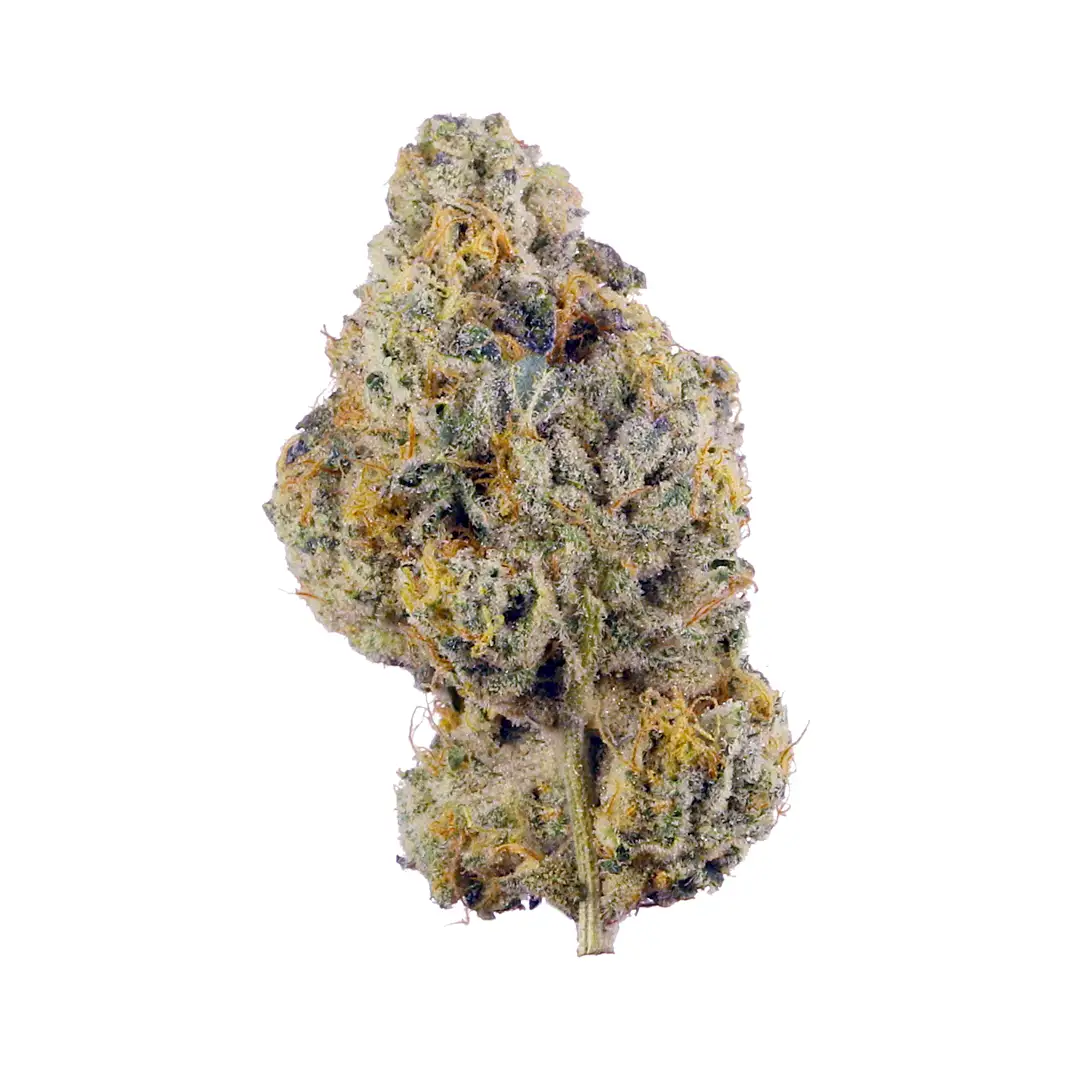
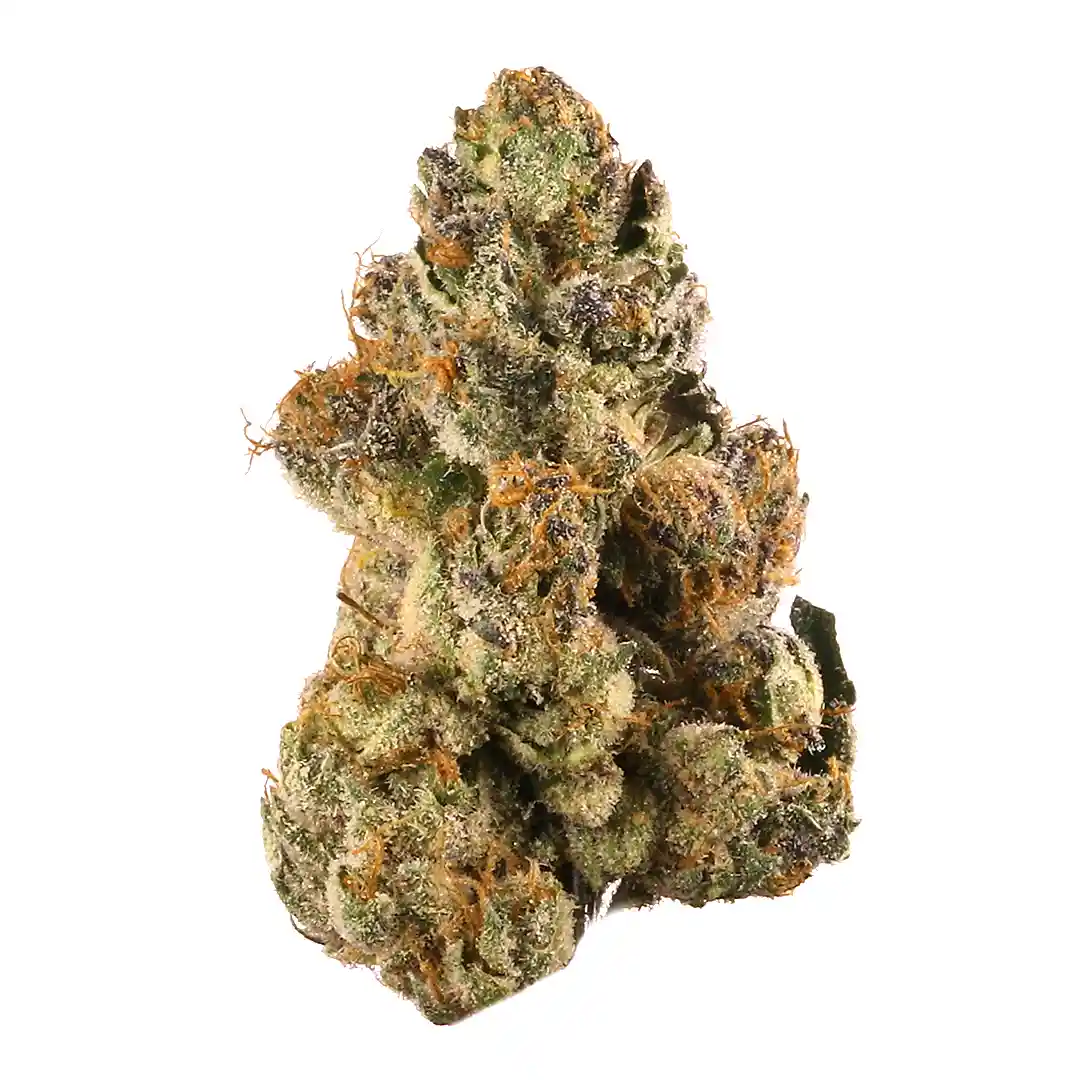
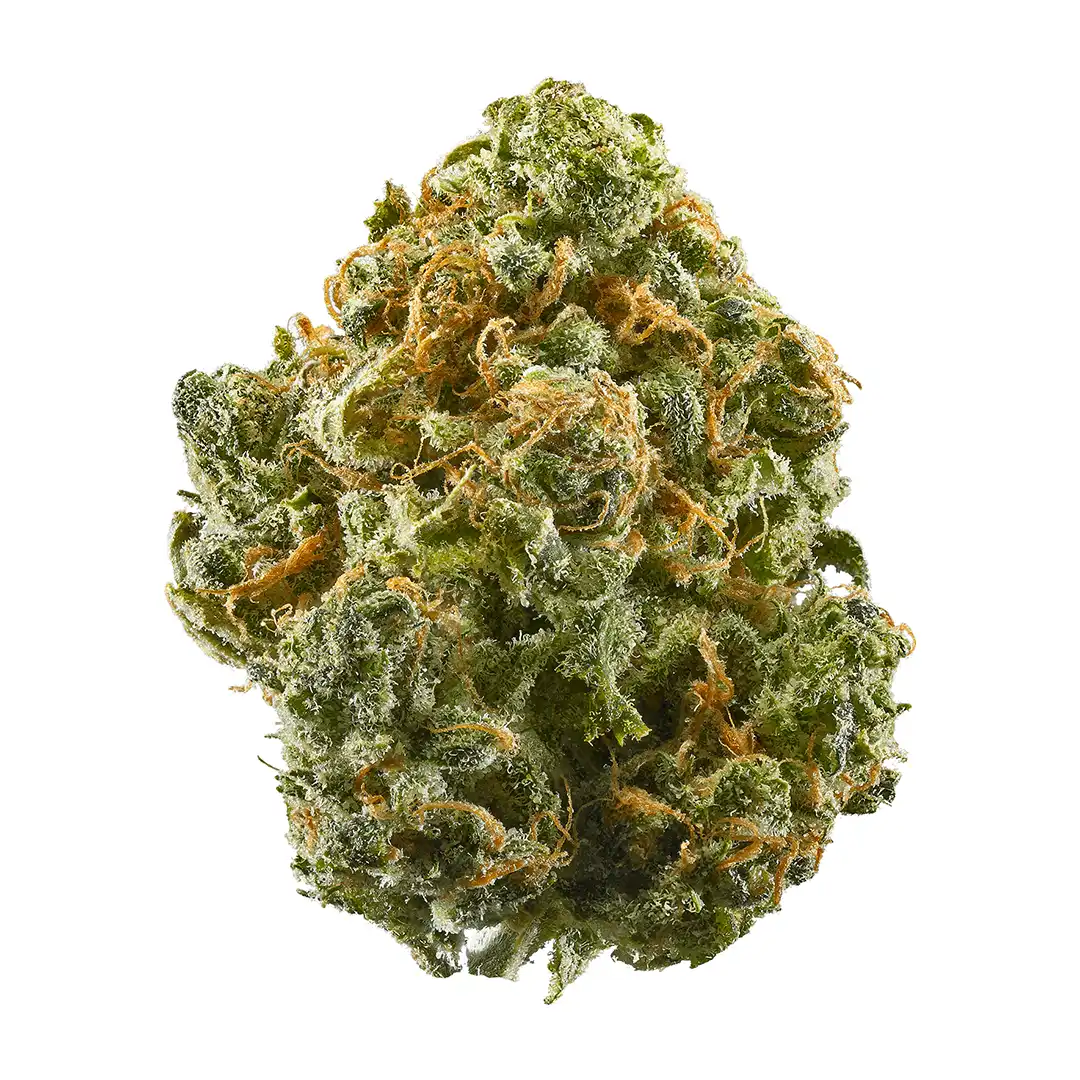
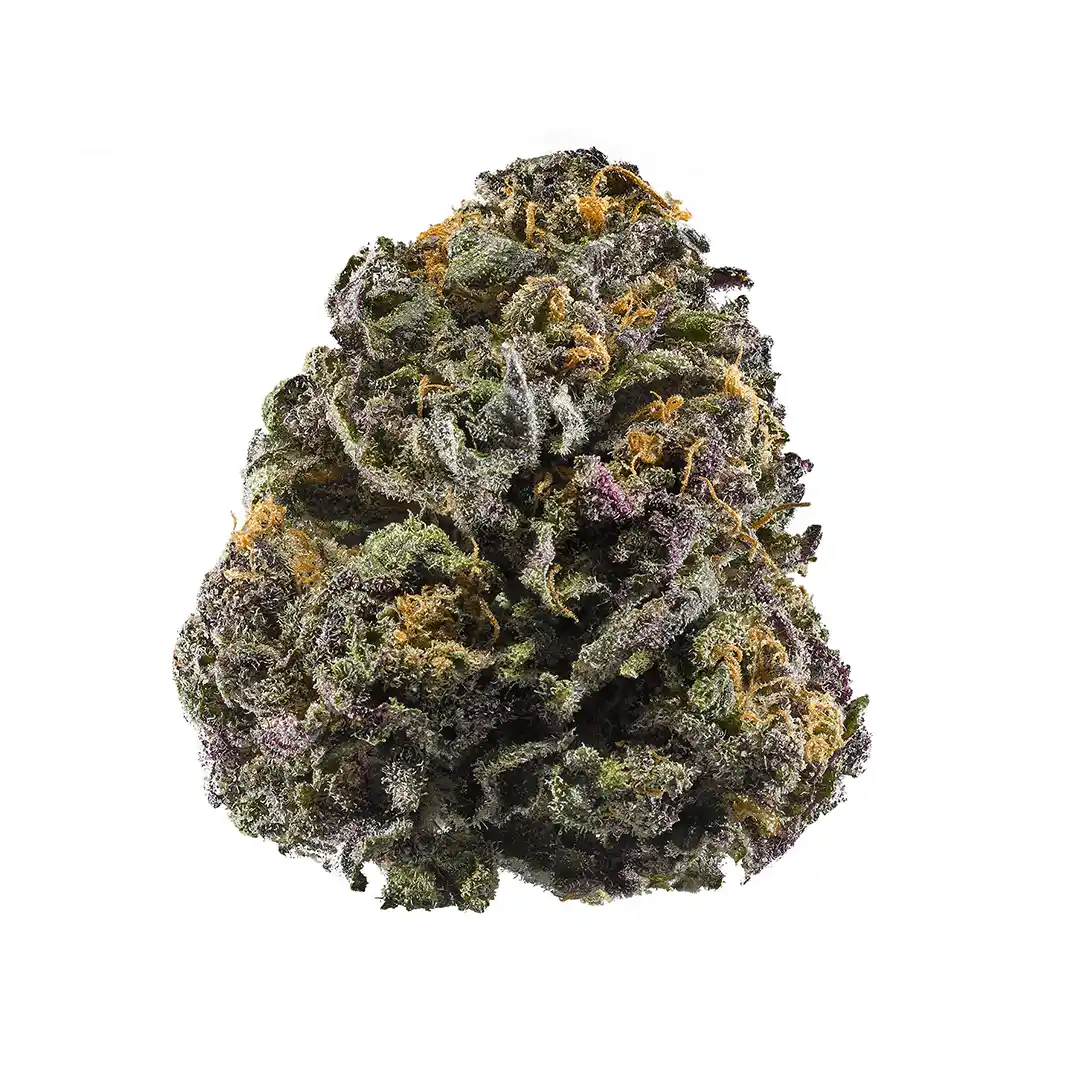
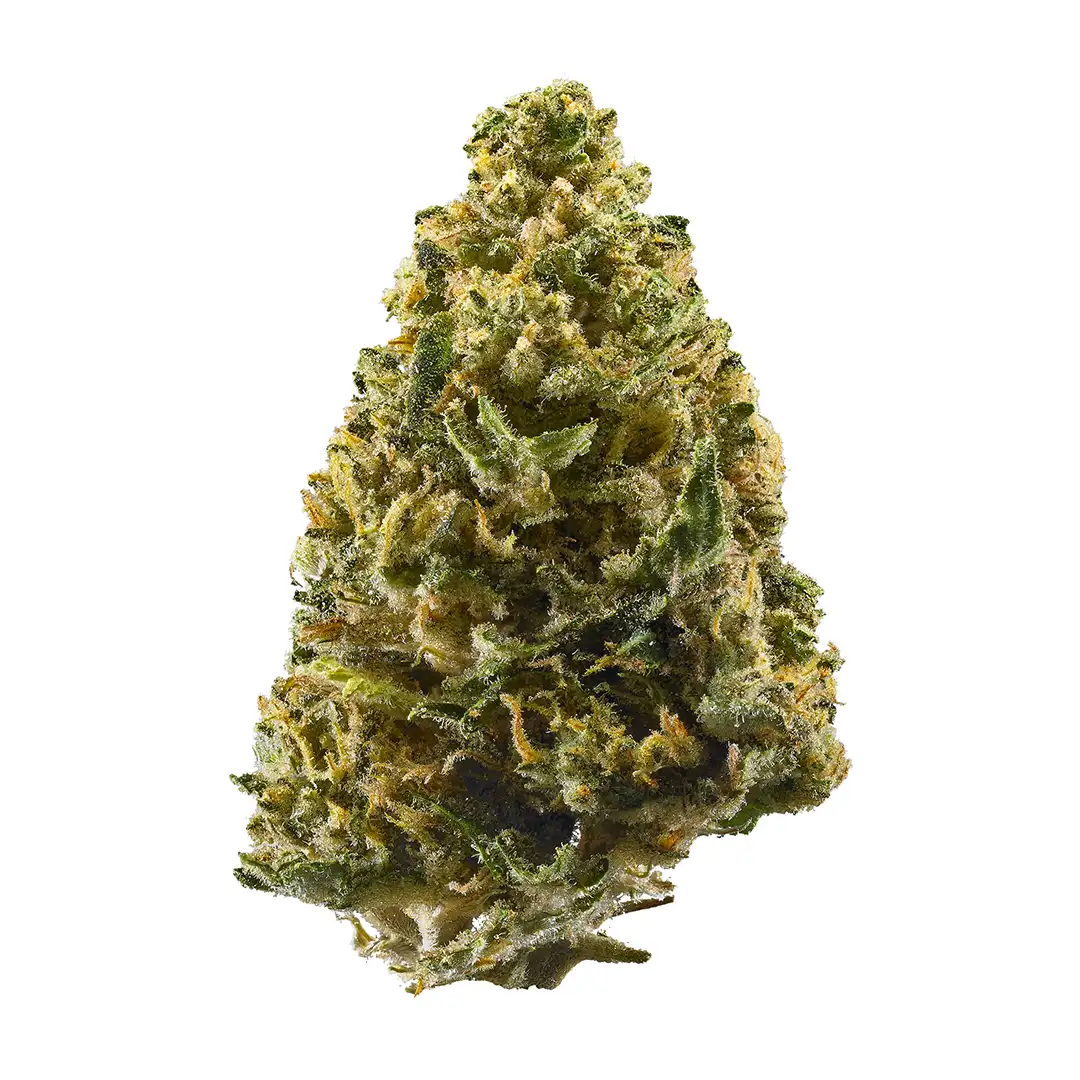
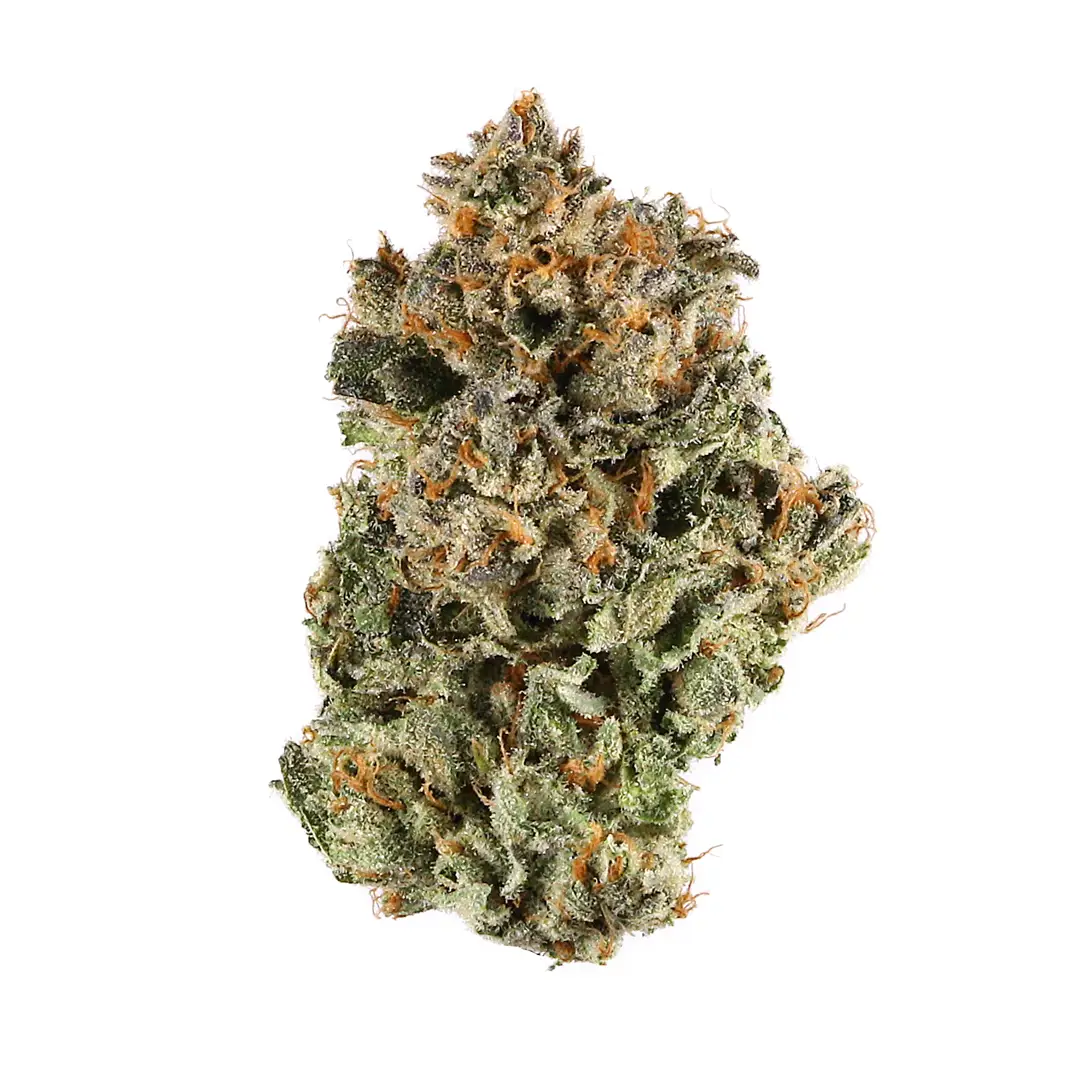
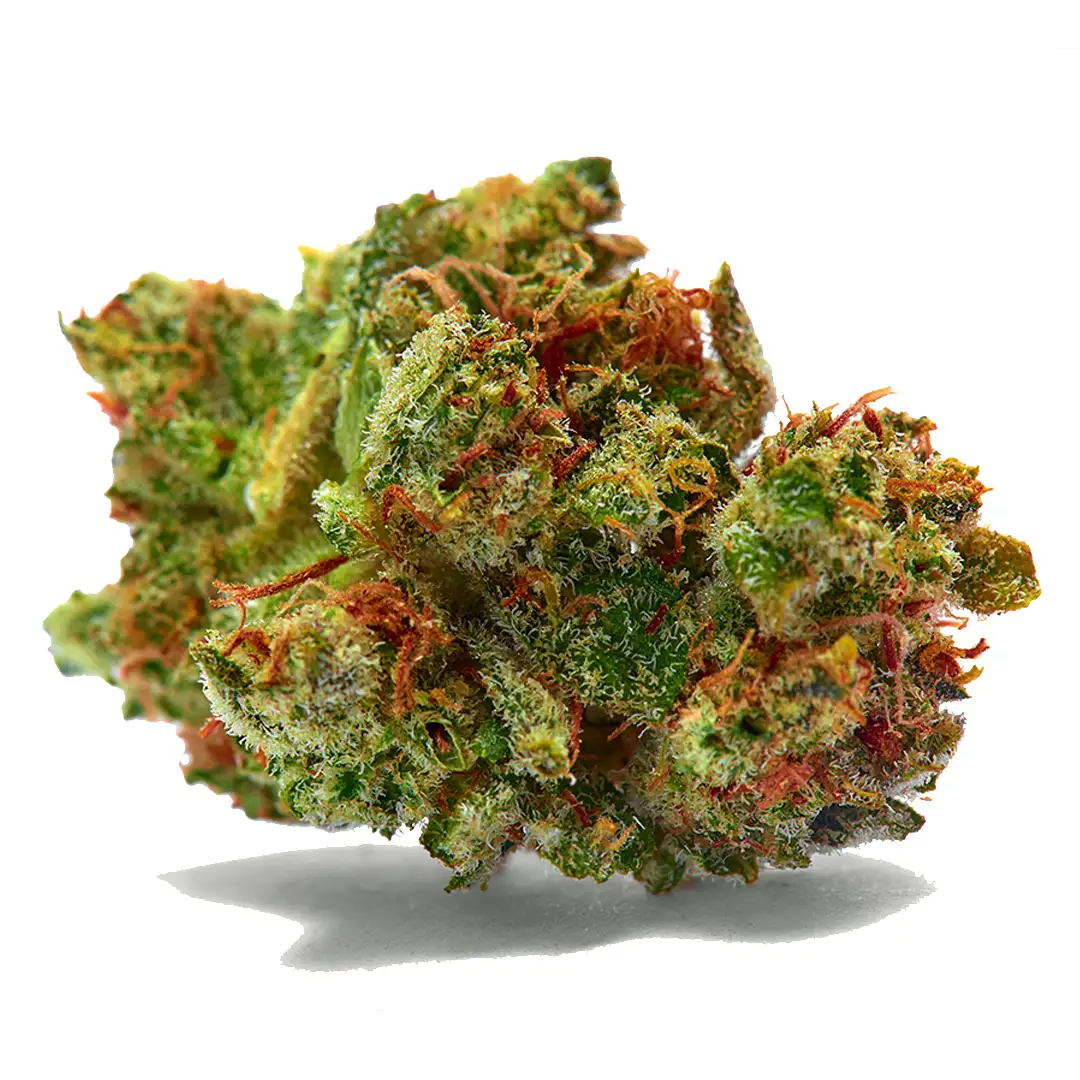
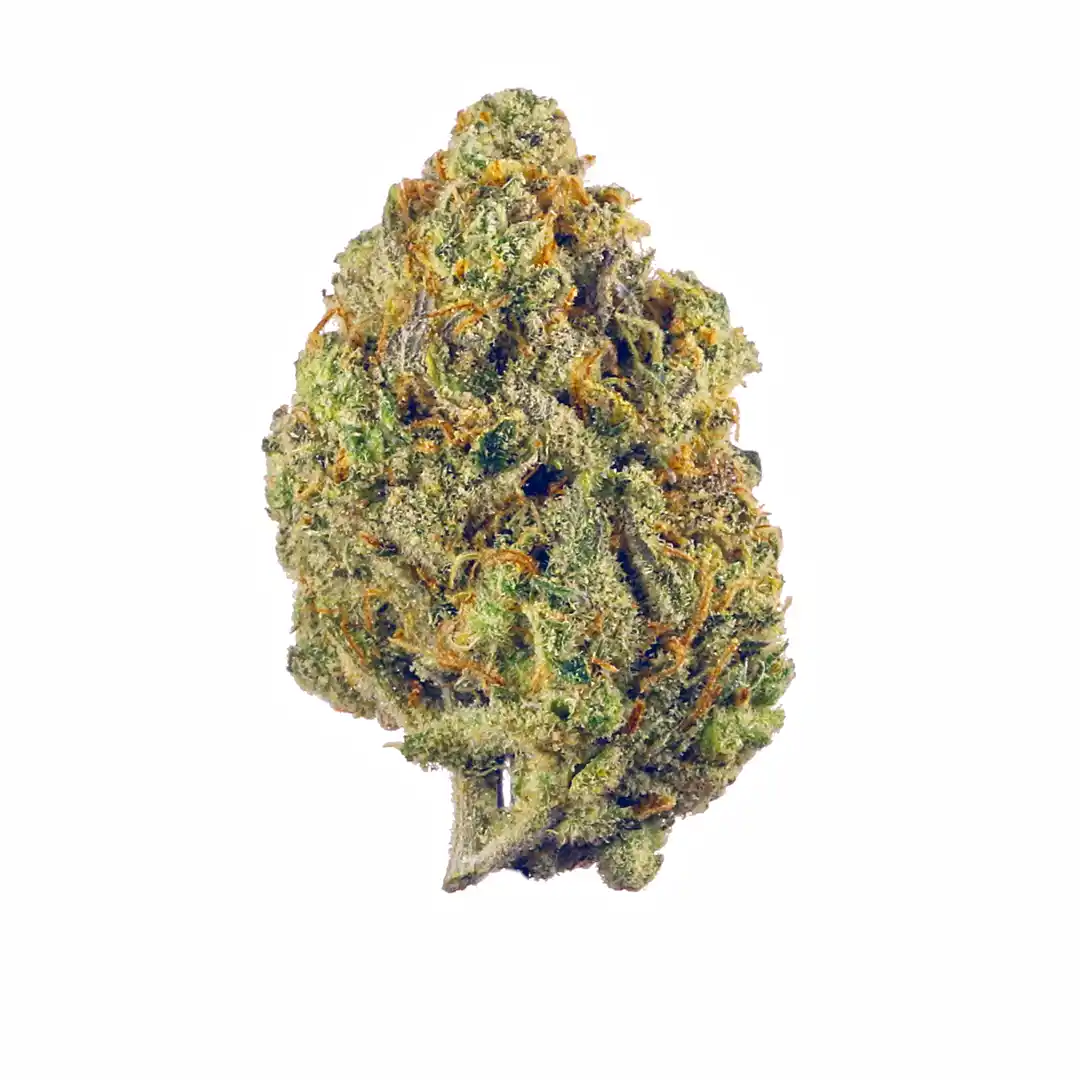
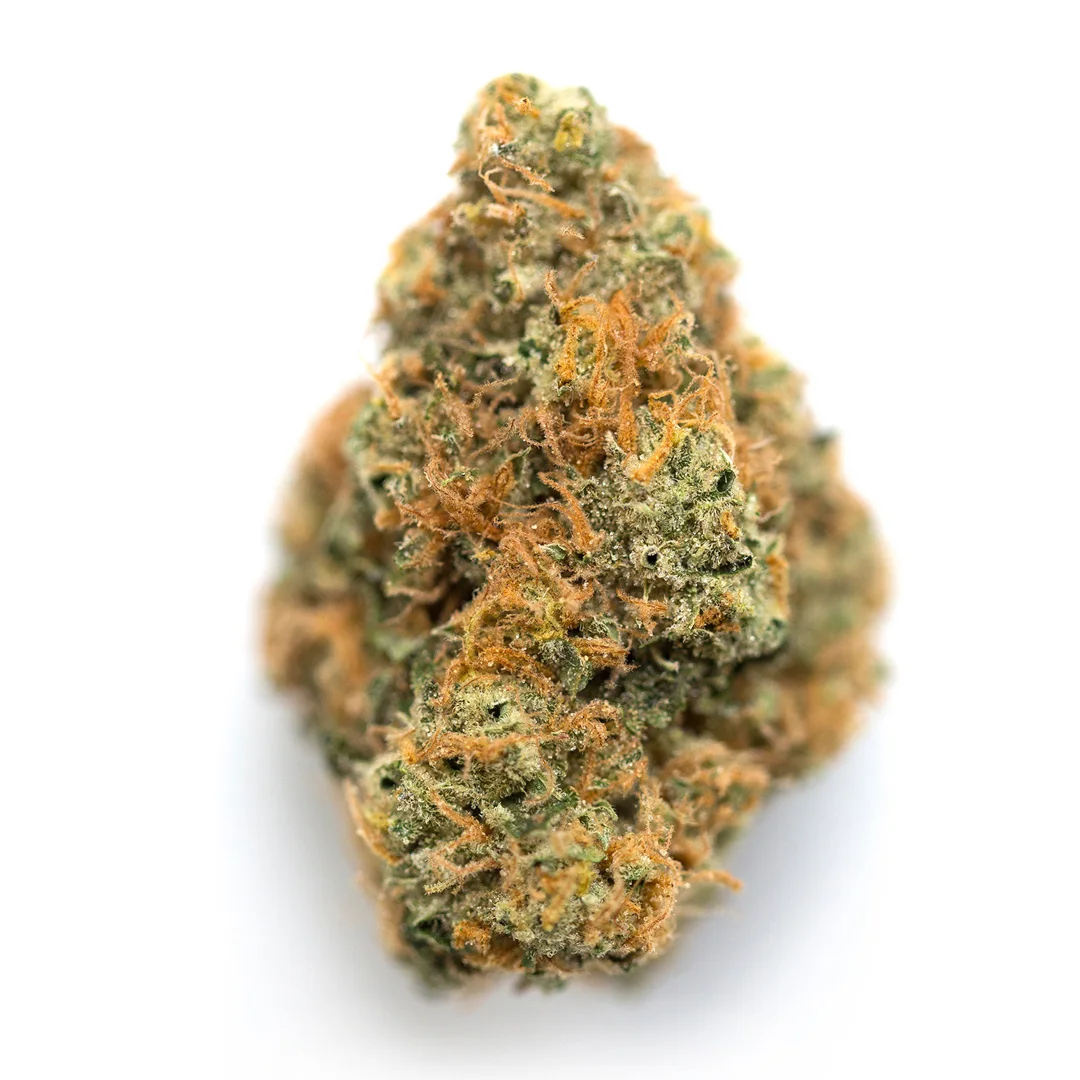
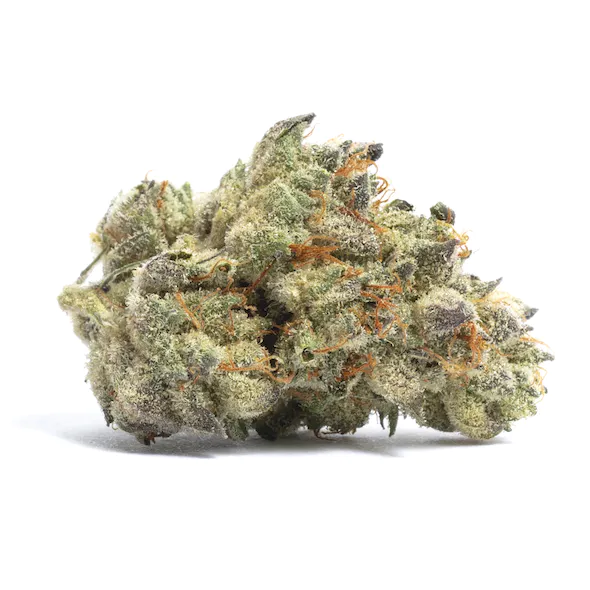
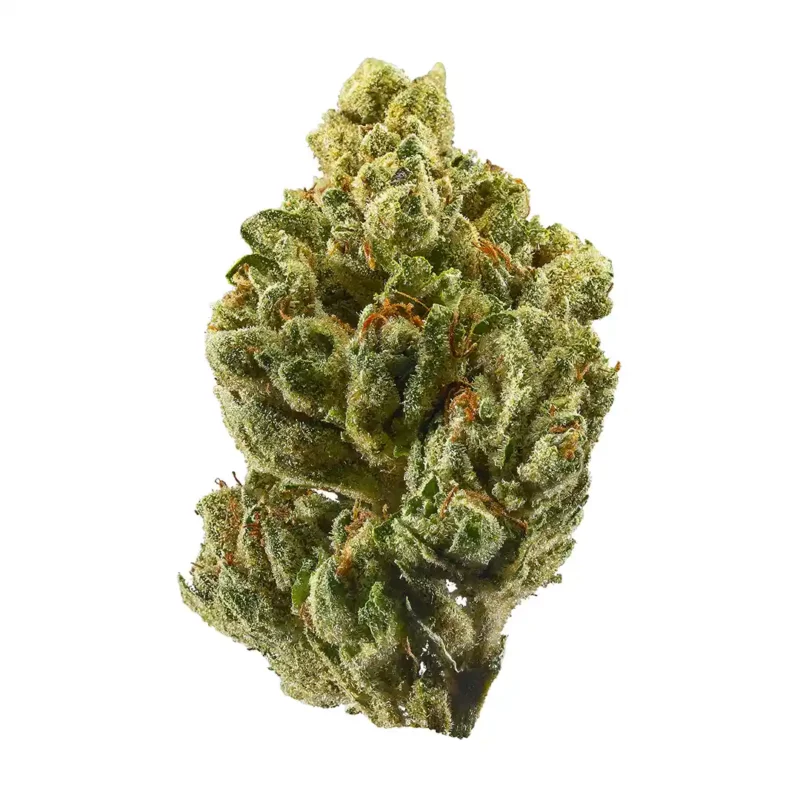
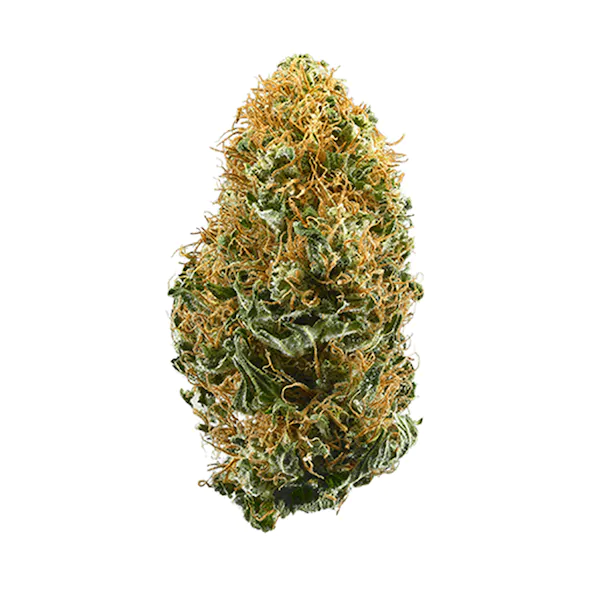
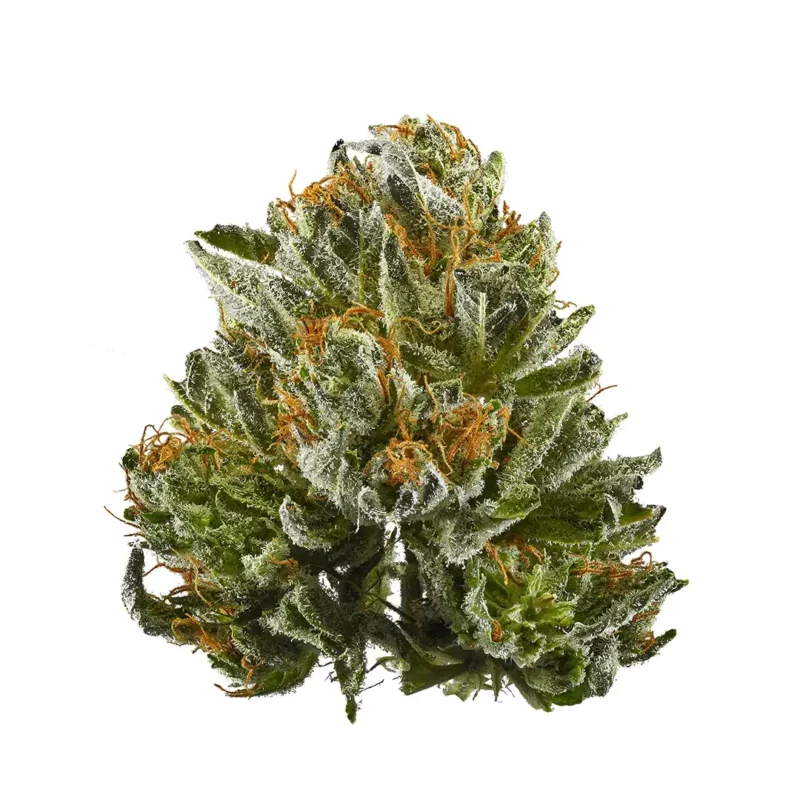
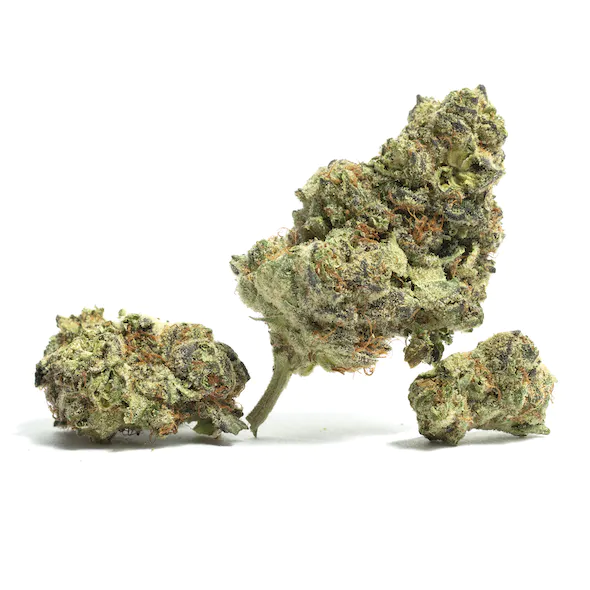
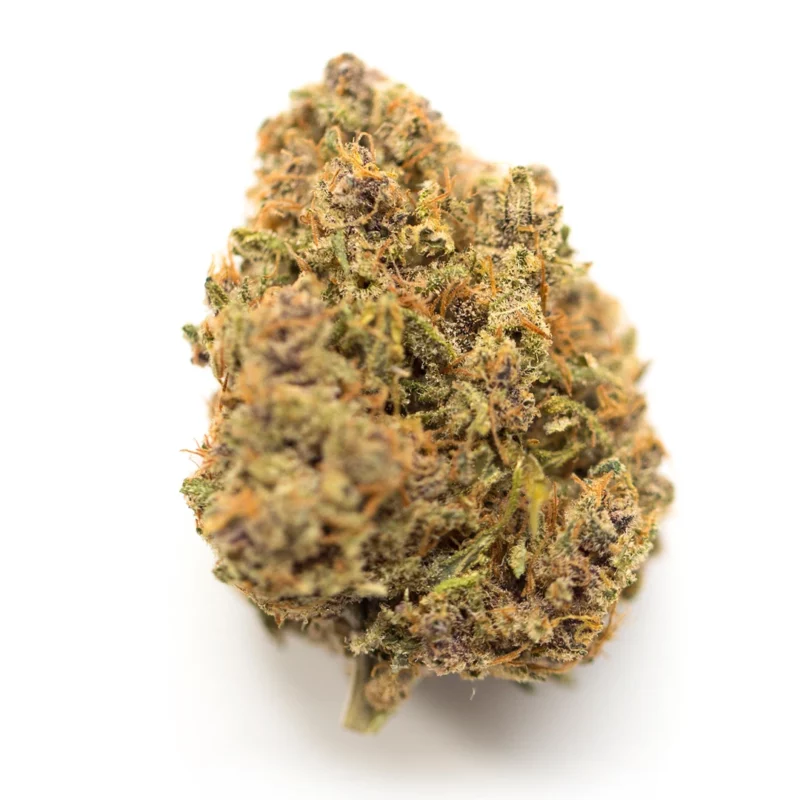
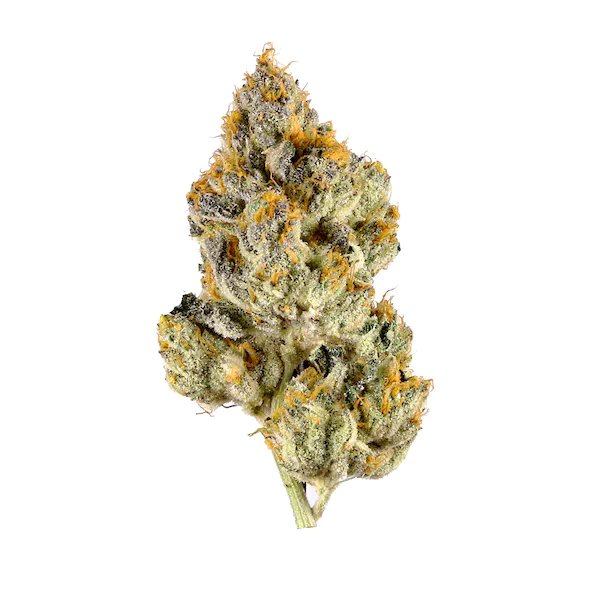
Look closely at the actual flowers to find a much smaller, highly specialized leaf. Inspecting a bud with leaves reveals tiny leaflets dusted in what appears to be powdered white frost. This beautiful crystalline coating highlights trichome development on sugar leaves—microscopic, mushroom-shaped resin glands holding the plant’s aromatic oils. (weed leaves images)
Because of this dramatic difference, any standard guide to pruning cannabis fan leaves advises carefully removing the plain solar panels to push light and energy toward the frosty sugar leaves. Yet, before clipping anything away, it is crucial to read the health signals these big leaves display, acting as the plant’s check engine light when unexpected yellowing or brown spots suddenly appear. (weed leaves images)

The Plant’s Check Engine Light: What Yellowing and Brown Spots Really Mean
Healthy foliage is beautiful, but a sudden color shift acts as a vital distress beacon. When observers wonder why are my weed leaves turning yellow, they are actually seeing chlorosis—a botanical term for the loss of green chlorophyll pigment. For visualizing cannabis plant health, these colorful changes act like dashboard warning lights, revealing exactly what is happening underground. (weed leaves images)
Instead of guessing, you can read these signals like a natural cannabis nutrient deficiency symptoms chart:
- Bottom-up yellowing: When lower leaves turn pale while the top stays green, the plant is hungry for nitrogen. (weed leaves images)
- Crispy tips: Singed, brown edges indicate nutrient burn, a direct reaction to overfeeding.
- Rust spots: Tiny brown speckles appearing across the middle of the leaf signal a calcium or mineral imbalance. (weed leaves images)
Careful observation prevents accidental damage by separating similar symptoms. For example, while nutrient burn scorches the tips, light burn physically bleaches the leaves closest to the sun. Furthermore, fixing brown spots on marijuana leaves often involves correcting water acidity rather than adding more fertilizer, due to the roots’ extreme pH sensitivity.
Interpreting these warning signs highlights the plant’s dynamic communication skills. However, these complex environmental indicators only appear on fully mature foliage. To truly appreciate this botanical architecture, we must watch it emerge from the soil, moving from sprouts to spikes: tracking leaf development through the life cycle.
From Sprouts to Spikes: Leaf Progression as the Plant Grows (With Images)
If you line up pictures of weed leaves from day one to harvest, you can see a clear progression in shape and leaflet count. Below is a practical, visual timeline you can use when comparing weed plant images and marijuana plant images.
Stage 1: Cotyledons (seed leaves)
Right after sprouting, the plant shows two smooth, oval starter leaves (cotyledons). In early pictures of a weed plant, these can look nothing like the famous multi-finger leaf.

Stage 2: First true leaf (single blade)
The first true leaf often appears as one serrated blade. This is the first time the saw-toothed edge becomes obvious in images of cannabis leaves.

Stage 3: Three leaflets
Next, the plant commonly produces a set of three leaflets. This is the first “hand-like” shape many people recognize in weed leaves images.

Stage 4: Five leaflets
As the plant enters stronger vegetative growth, five-leaflet fan leaves become common. Many “classic” marijuana leaf silhouettes match this stage.

Stage 5: Seven to nine+ leaflets (mature fan leaves)
With maturity, fan leaves can reach seven, nine, or even more leaflets depending on genetics and conditions. Comparing leaves of cannabis across strains here is where “thin vs broad” differences really stand out.

Stage 6: Flowering: smaller “sugar leaves” around buds
During flowering, you will see more small leaves embedded in and around the buds. In a bud with leaves, these sugar leaves are typically the ones that look frosty because of trichomes.

Tip: Leaf progression isn’t a perfect calendar—light, nutrition, stress, and genetics can speed up or slow down development. Use the images above as a visual reference when comparing your own photos.
Becoming a Visual Expert: How to Read a Cannabis Plant at a Glance
That famous silhouette is no longer just a cultural symbol. Now, you can look at images of cannabis leaves and read the plant’s high-definition broadcast of its identity and health. By combining your new understanding of wide versus narrow leaflets with crucial color signals, you can confidently analyze real-world photos.
The next time you encounter pictures of weed leaves, test your skills by spotting these botanical tells. Exploring weed leaves images is no longer about recognizing a popular shape—it is an invitation to appreciate the complex biology of a fascinating plant.


