












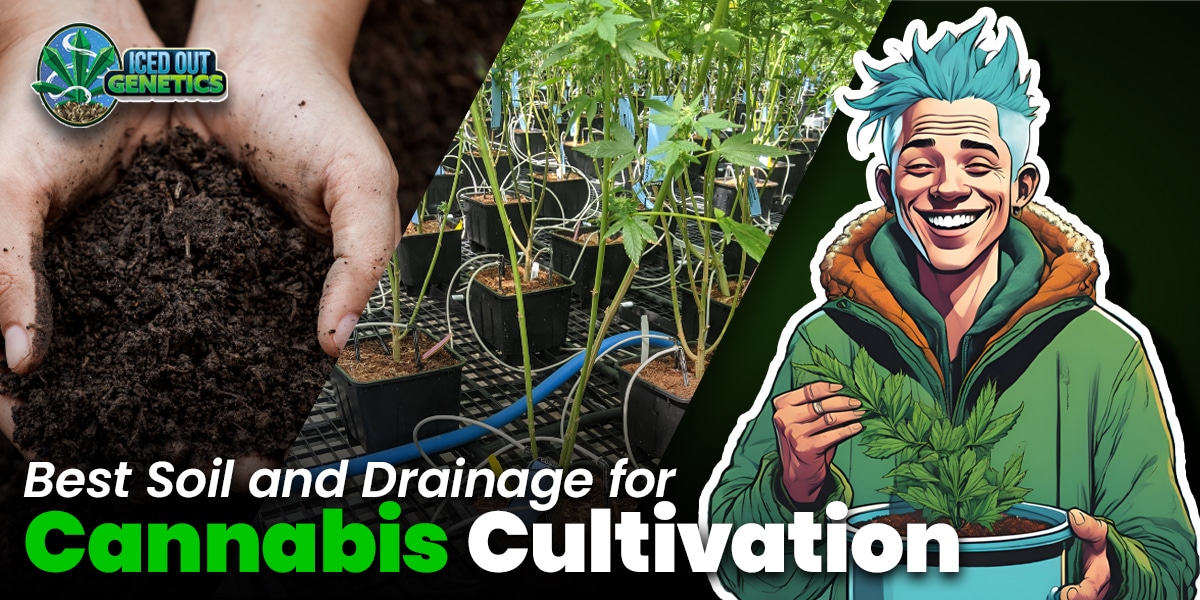
The Best Soil and Drainage for Cannabis Cultivation: A Comprehensive Guide for Growers
Growing cannabis is not just an art; it’s also a science that begins with the very foundation of the plants—the soil. The right soil composition and effective drainage can significantly influence the health and yield of your cannabis plants. In this extensive guide, we’ll dive deep into the intricacies of selecting the best soil, establishing proper drainage systems, and recommending some of the top cannabis seeds for both novice and seasoned growers.
Understanding the Importance of Soil in Cannabis Cultivation
Soil serves as more than just a medium for planting; it’s a complex ecosystem filled with microorganisms, nutrients, and minerals that work in synergy to support plant growth. For cannabis cultivation, soil impacts:
Nutrient Availability: The soil’s nutrient content directly affects plant growth. Cannabis requires specific nutrients in varying amounts throughout its growth stages.
Water Retention and Drainage: Properly structured soil retains moisture while allowing excess water to drain away, preventing root rot and other water-related issues.
Aeration: Good soil provides spaces for air, which is essential for healthy root respiration.
Key Components of Soil :Best Soil and Drainage for Cannabis
Before we get into soil types, let’s explore the essential components that contribute to the ideal cannabis-growing medium:
Organic Matter: Helps retain moisture and provides nutrients. It enhances microbial activity, which benefits the plant.
Minerals: Essential for plant growth, minerals such as sand, silt, and clay affect the soil’s texture and drainage capacity.
pH Levels: The pH of the soil affects nutrient availability. A pH between 6.0 and 7.0 is optimal for cannabis.
Microorganisms: Beneficial bacteria and fungi help break down organic matter and improve nutrient uptake.
Selecting the Best Soil for Cannabis
Types of Soil
When it comes to cannabis cultivation, not all soils are created equal. Here are some popular soil types, along with their pros and cons:
Organic Soil : Best Soil and Drainage for Cannabis
Pros:
– Rich in nutrients from natural sources.
– Contains beneficial microorganisms that enhance plant growth.
– Environmentally friendly and sustainable.Best Soil and Drainage for Cannabis
Cons:
– Can be more expensive than synthetic mixes.
– May require more careful management to avoid nutrient burn.
Recommended Products: Look for organic soil blends specifically designed for cannabis cultivation, such as FoxFarm Ocean Forest or Roots Organic. Best Soil and Drainage for Cannabis
Coco Coir
Coco coir is a byproduct of coconut husks and has become increasingly popular in cannabis cultivation.
Pros:
– Excellent water retention while allowing for good aeration.
– pH neutral, making it easy to manage.
– Sustainable and biodegradable. Best Soil and Drainage for Cannabis
Cons:
– Requires additional nutrients, as it is low in natural nutrients.
– Can be more challenging for beginners due to its specific watering needs.
Recommended Products: Coco coir bricks or pre-mixed coco coir bags can be found at many gardening stores.
Soilless Mix :Best Soil and Drainage for Cannabis
Soilless mixes often contain a blend of peat moss, perlite, and vermiculite, providing a lightweight, sterile medium for growth.
Pros:
– Excellent drainage and aeration properties.
– Sterile, reducing the risk of pests and diseases.
Cons:
– May require more frequent fertilization as it lacks inherent nutrients.
– pH levels can fluctuate if not managed properly.
Understanding pH Levels
Maintaining the correct pH level is critical for nutrient uptake. Cannabis plants thrive in a pH range of 6.0 to 7.0 for soil and 5.5 to 6.5 for soilless mixes. Here’s how to manage pH effectively:
Testing pH: Use pH test kits or digital meters to check the pH of your soil and water regularly.
Adjusting pH: Best Soil and Drainage for Cannabis
– To lower pH (make it more acidic), add sulfur or a pH down solution.
– To raise pH (make it more alkaline), add lime or a pH up solution.
Nutrient Content: Best Soil and Drainage for Cannabis
Cannabis plants require different nutrients throughout their life cycle:
– Nitrogen (N): Vital for vegetative growth; helps in leaf and stem development.
– Phosphorus (P): Essential for flowering and root development.
– Potassium (K):Important for overall plant health and disease resistance.
When choosing soil, look for options that are pre-fertilized or plan to supplement with nutrient solutions.
Setting Up Proper Drainage for Cannabis: Best Soil and Drainage for Cannabis
The Importance of Drainage
Effective drainage is crucial in preventing waterlogging, which can lead to root rot and other problems. Here’s how to set up a proper drainage system for your cannabis plants:
Step 1: Choosing the Right Container
Containers play a significant role in drainage. Choose pots that have:
– Drainage Holes:Ensure your pots have sufficient holes at the bottom to allow excess water to escape.
– Size: Select a size that accommodates the growth stage of your plants. Larger pots allow for better root development.
Step 2: Creating a Drainage Layer
1. Bottom Layer: Place a few inches of small stones, gravel, or hydroton at the bottom of the pot. This layer will act as a barrier, preventing soil from clogging the drainage holes.
2. Mesh Screen: Use a mesh screen or fabric pot liner over the drainage layer. This keeps the soil in place while allowing water to flow freely.
Step 3: Filling the Container with Soil
– Soil Level: Fill the pot with your chosen soil mix, leaving about an inch of space from the top to avoid overflow during watering.
– Tamping Down: Lightly tamp down the soil to eliminate air pockets but avoid compacting it too much.
Step 4: Watering Technique
– Initial Watering: Water the soil thoroughly until you see excess water draining from the bottom. This helps settle the soil and ensures it’s evenly moist.
– Regular Watering: Allow the top inch of soil to dry out between waterings. This promotes strong root development and helps prevent overwatering.
Signs of Overwatering : Best Soil and Drainage for Cannabis
Keep an eye out for these symptoms of overwatering:
– Yellowing leaves
– Wilting despite moist soil
– Root rot, which can lead to a foul smell
Signs of Underwatering: Best Soil and Drainage for Cannabis
Conversely, look for these signs of underwatering:
– Drooping leaves
– Dry, crumbly soil
– Brown, crispy leaf edges
Creating a Fertilization Schedule: Best Soil and Drainage for Cannabis
Along with soil and drainage, a solid fertilization plan is essential for healthy cannabis growth. Here’s how to create a nutrient schedule:
Growth Stages
1. Seedling Stage: Use a light, nutrient-rich soil. Fertilize minimally, as seedlings are delicate.
2. Vegetative Stage: Introduce a balanced fertilizer with higher nitrogen levels (N-P-K ratio of 3-1-2). Fertilize every 2-4 weeks, depending on the growth rate.
3. Flowering Stage: Switch to a fertilizer higher in phosphorus and potassium (N-P-K ratio of 1-3-2). Fertilize every 1-2 weeks during this stage.
Organic vs. Synthetic Nutrients : Best Soil and Drainage for Cannabis
– Organic Nutrients: Derived from natural sources, organic fertilizers improve soil health and are less likely to cause nutrient burn.
– Synthetic Nutrients: Fast-acting and more concentrated but can lead to salt buildup in the soil.
Choose what aligns with your growing philosophy and the needs of your plants.
The Top 10 Cannabis Seeds to Plant
Best Soil and Drainage for Cannabis
Now that you have a solid foundation in soil and drainage, let’s explore some of the best cannabis seeds you can grow. Each of these strains has unique characteristics that cater to different grower preferences and experiences.
1. Northern Lights
Type: Indica
THC Level: 18-20%
Flowering Time: 6-8 weeks
Characteristics: Known for its resilience and robust growth, Northern Lights produces dense, resinous buds with a sweet, earthy flavor. It’s perfect for indoor growing and provides relaxing effects.
2. Blue Dream
Type:Hybrid
THC Level:17-24%
Flowering Time: 9-10 weeks
Characteristics: This strain offers balanced effects and is renowned for its sweet berry flavor. It’s easy to grow and provides a relaxing yet uplifting high, making it suitable for daytime use.
Type: Hybrid
THC Level:18-28%
Flowering Time:9-10 weeks
Characteristics:A crowd favorite, GSC has a sweet and earthy flavor profile. It delivers strong effects and is great for both recreational and medicinal use.
4. Amnesia Haze
Type: Sativa
THC Level: 20-22%
Flowering Time: 10-12 weeks
Characteristics: Amnesia Haze provides an uplifting, euphoric high. Its sweet, citrusy aroma and flavor make it a delightful choice for sativa lovers.
5. White Widow
Type: Hybrid
THC Level: 18-25%
Flowering Time: 8-9 weeks
Characteristics: Known for its frosty buds and balanced effects, White Widow is a staple strain that produces a strong, relaxing high while keeping users mentally alert.
Type: Hybrid
THC Level: 20-25%
Flowering Time: 8-9
Characteristics: A legendary strain, OG Kush is famous for its unique flavor profile with earthy, pine, and citrus notes. It offers strong, relaxing effects, making it suitable for evening use and a favorite among many connoisseurs.
Type: Indica
THC Level: 18-22%
Flowering Time:7-8 weeks
Characteristics: This strain is known for its heavy yields and rapid flowering time. Critical Mass produces large, dense buds with a sweet, fruity flavor. It’s perfect for beginners looking for quick results without sacrificing quality.
8. Jack Herer
Type: Sativa
THC Level: 18-24%
Flowering Time: 8-10 weeks
Characteristics: Celebrated for its uplifting effects, Jack Herer is named after the cannabis activist and author. It offers a spicy, earthy flavor and is great for creativity and sociability, making it a favorite for daytime use.
Type: Hybrid
THC Level: 16-26%
Flowering Time: 7-9 weeks
Characteristics:A fruity strain with tropical notes, Pineapple Express delivers a balanced high that’s both energizing and relaxing. It’s an excellent choice for users looking for a happy, euphoric experience.
10. Bubblegum
Type: Indica
THC Level: 15-20%
Flowering Time: 8-9 weeks
Characteristics: Known for its sweet, bubblegum flavor, this strain offers relaxing effects that can help with stress and anxiety. It’s easy to grow and produces a good yield, making it suitable for beginners.
Tips for Successful Cannabis Cultivation: Best Soil and Drainage for Cannabis
1. Environmental Control
Proper environmental conditions are crucial for cannabis growth. Monitor the following:
Temperature: Ideal daytime temperatures range from 70°F to 85°F (20°C to 30°C). Nighttime temperatures should be a bit cooler, around 60°F to 70°F (15°C to 20°C).
Humidity: During the vegetative stage, maintain humidity levels between 40-70%. During flowering, lower humidity to around 40-50% to prevent mold.
2. Lighting
Cannabis plants require a significant amount of light to thrive:
Indoor Growing: Use high-quality grow lights, such as LED or HID (High-Intensity Discharge) lights. Maintain a 18/6 light cycle during vegetative growth and switch to a 12/12 cycle during flowering.
Outdoor Growing: Ensure your plants receive at least 6-8 hours of direct sunlight daily. Consider the local climate and season when planning your outdoor grow.
3. Pest and Disease Management
Pests and diseases can wreak havoc on cannabis plants. Implement preventative measures:
Regular Inspections: Check your plants frequently for signs of pests, such as spider mites, aphids, and whiteflies.
Natural Predators: Introduce beneficial insects like ladybugs or predatory mites to combat pests naturally.
Sanitation: Keep your growing area clean and free from debris to reduce the risk of disease. 4. Harvesting and Curing
Once your cannabis plants have matured, proper harvesting and curing techniques are essential for preserving potency and flavor:
Harvest Timing: Monitor the trichomes (small resin glands) on your buds. Harvest when they are mostly cloudy with some amber for optimal potency.
Curing Process: Hang your buds upside down in a dark, well-ventilated area for 7-14 days. Then, transfer them to airtight containers, opening them daily for a few minutes to allow moisture to escape. This curing process enhances flavor and aroma.
Best Soil and Drainage for Cannabis Info 2025
Conclusion
Growing cannabis successfully hinges on a solid foundation built upon the right soil and effective drainage. By understanding the intricacies of soil types, nutrient management, and pest control, you can cultivate healthy, thriving plants that yield quality buds.
The ten strains mentioned provide a fantastic starting point for growers of all levels, each with unique characteristics that cater to different preferences and needs. With the right tools and knowledge, you can embark on a fulfilling cannabis cultivation journey.
Happy growing! Whether you’re doing it for personal use, medicinal benefits, or commercial purposes, the satisfaction of nurturing a plant from seed to harvest is unmatched. Embrace the process, stay informed, and enjoy the rewards of your hard work.


