











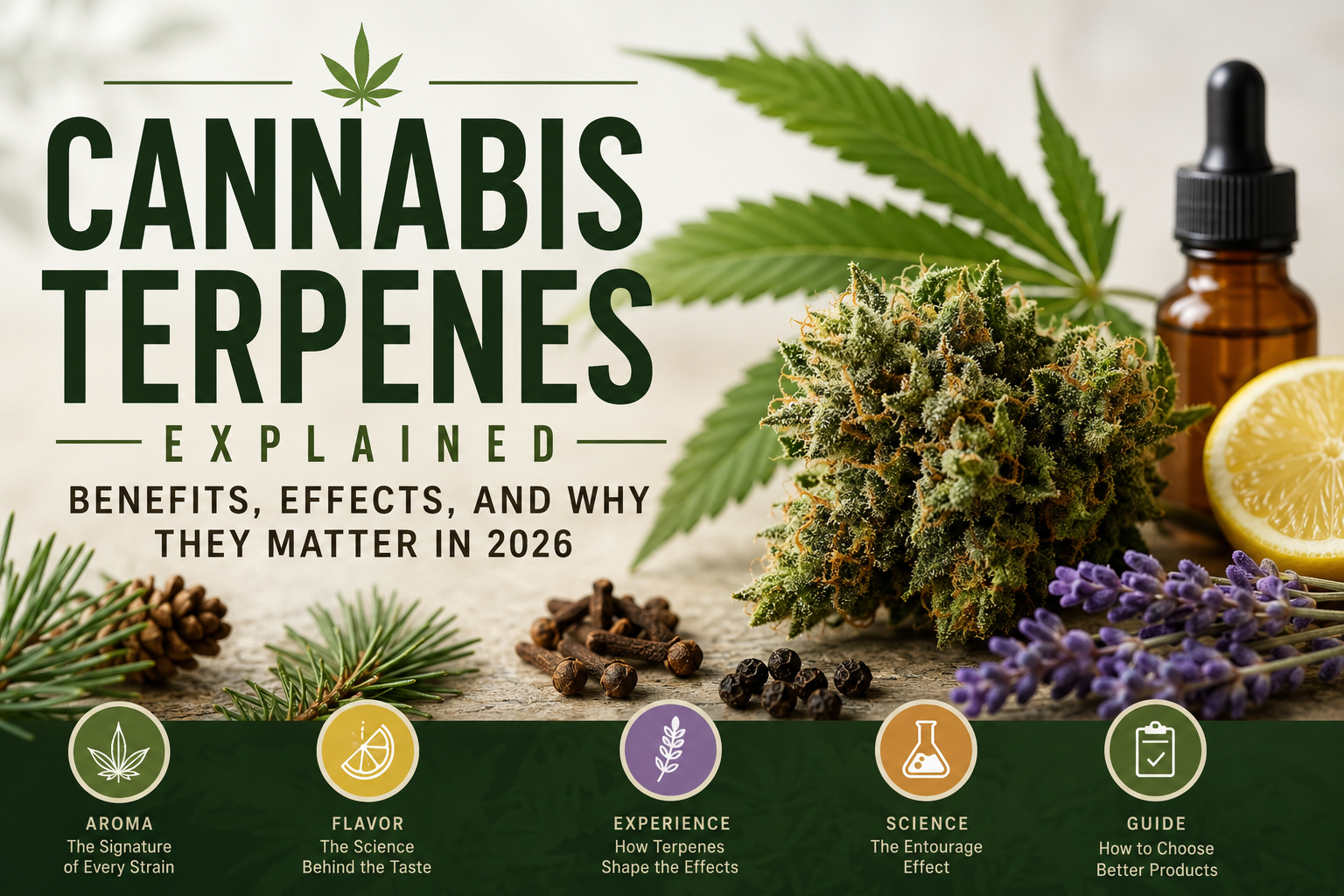
Cannabis Terpenes Explained: Benefits, Effects, and Why They Matter in 2026
As consumers become more educated about cannabis, the conversation has shifted beyond THC percentages and strain names. One of the fastest-growing topics in modern cannabis education is cannabis terpenes.
These naturally occurring aromatic compounds are responsible for the scents, flavors, and distinctive characteristics found in different cannabis varieties. Whether you’re browsing flower, concentrates, vape products, or edibles, understanding terpenes can help you make more informed decisions about the experiences you’re seeking.
This guide explores what terpenes are, how they work, why they matter, and what the future of terpene-focused cannabis products may look like.
What Are Cannabis Terpenes?
Cannabis terpenes are aromatic compounds produced by the cannabis plant. They’re also found throughout nature in fruits, herbs, flowers, and spices.
For example:
- Limonene is found in citrus peels.
- Linalool is present in lavender.
- Pinene occurs naturally in pine trees.
- Caryophyllene appears in black pepper.
- Myrcene exists in mangoes and hops.
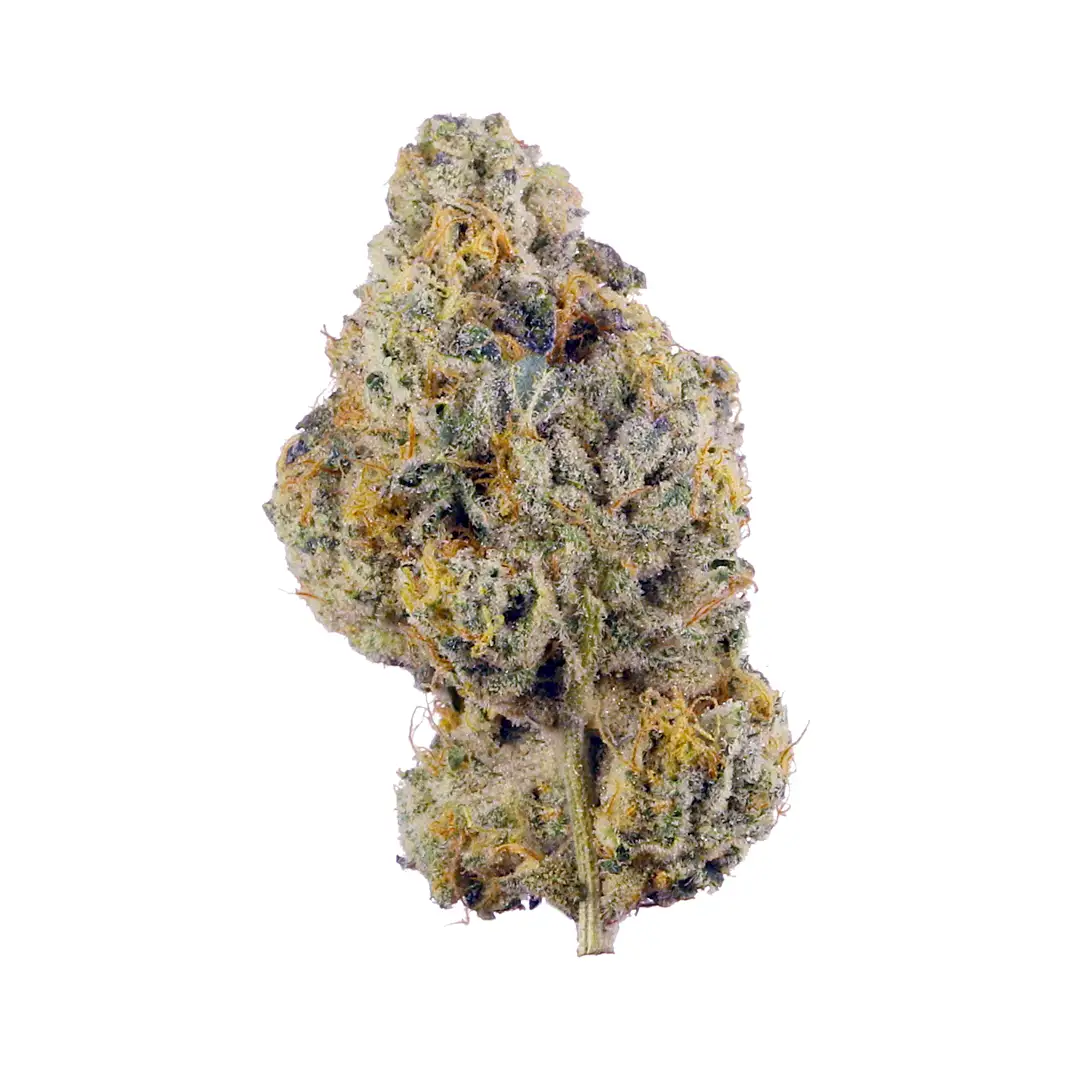
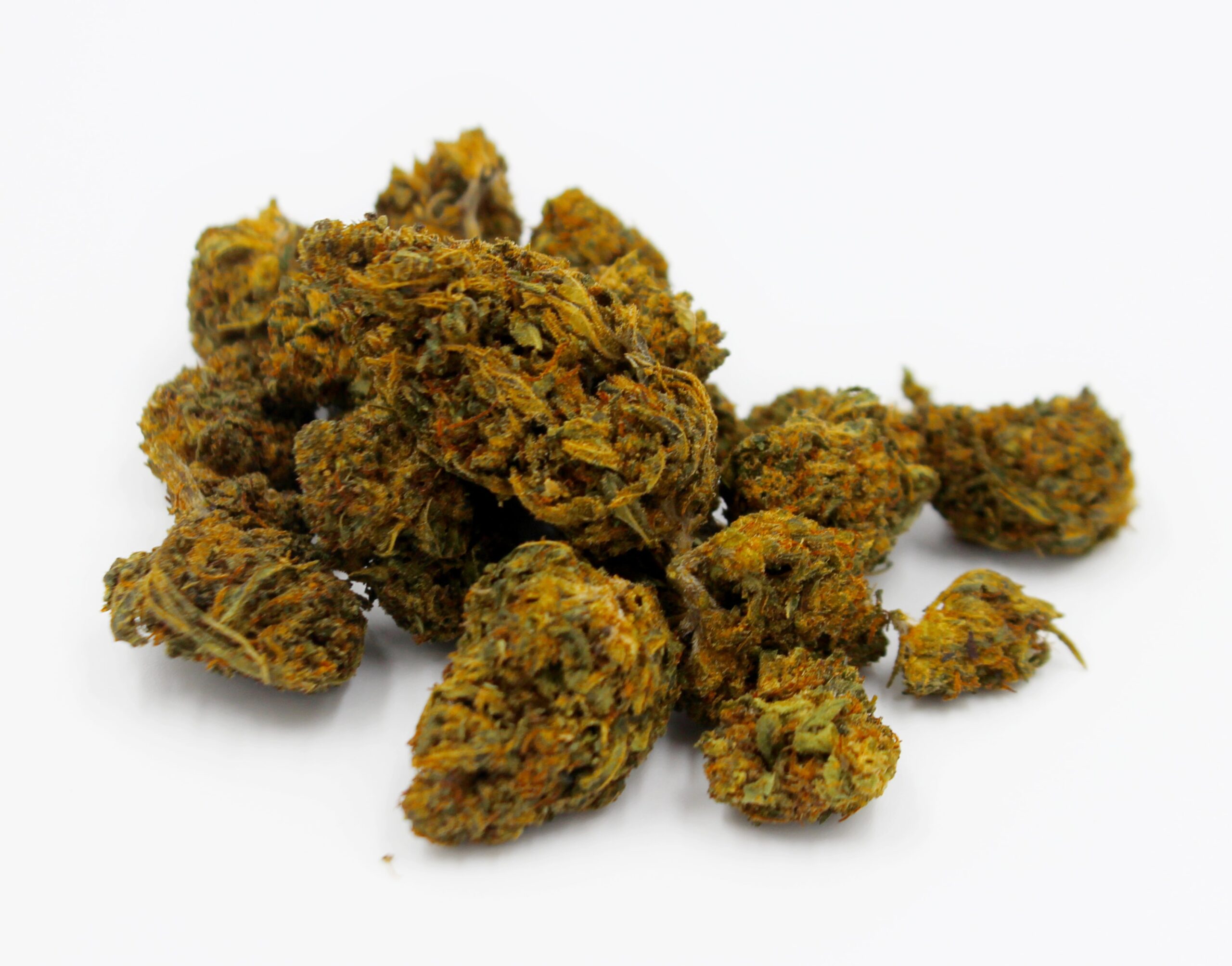
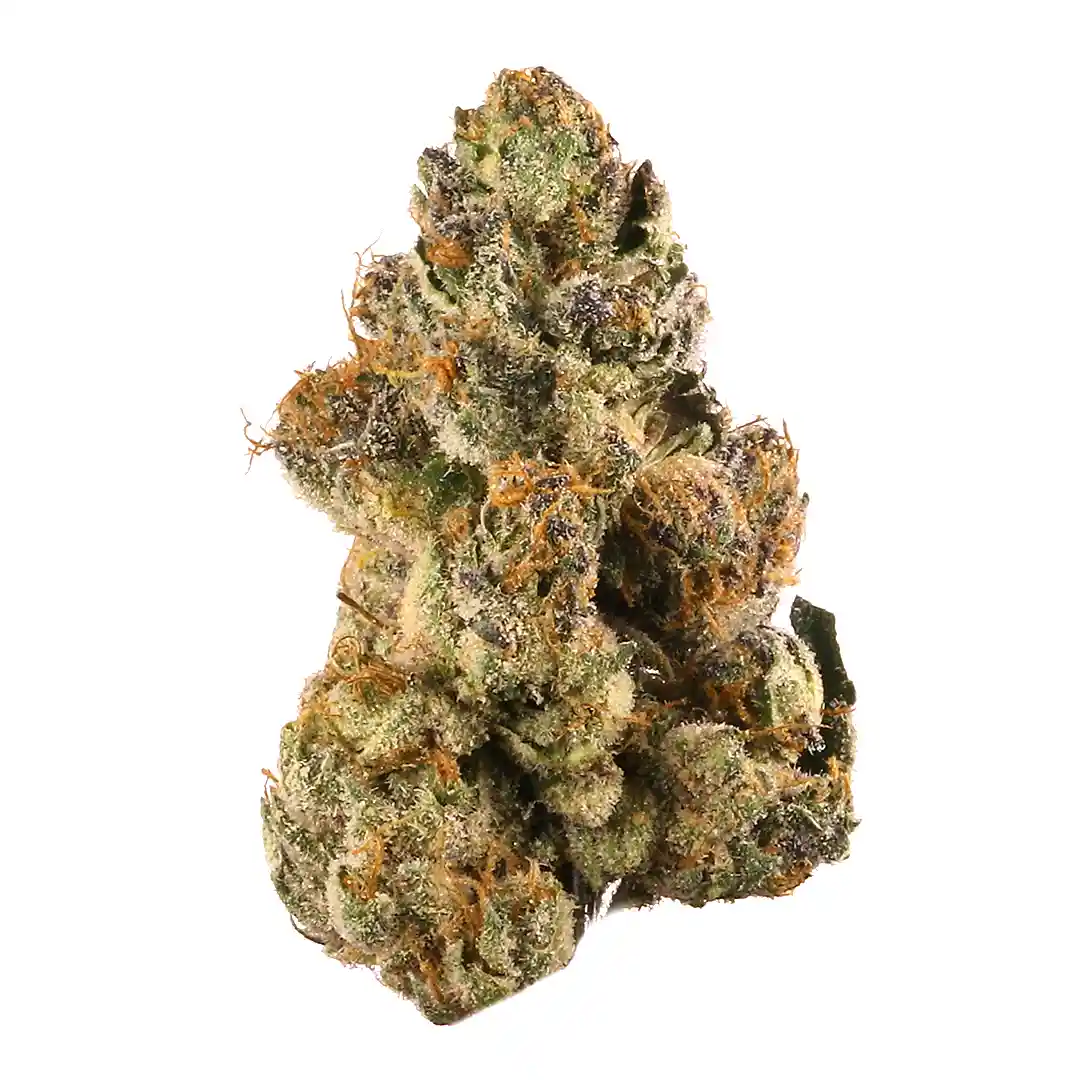
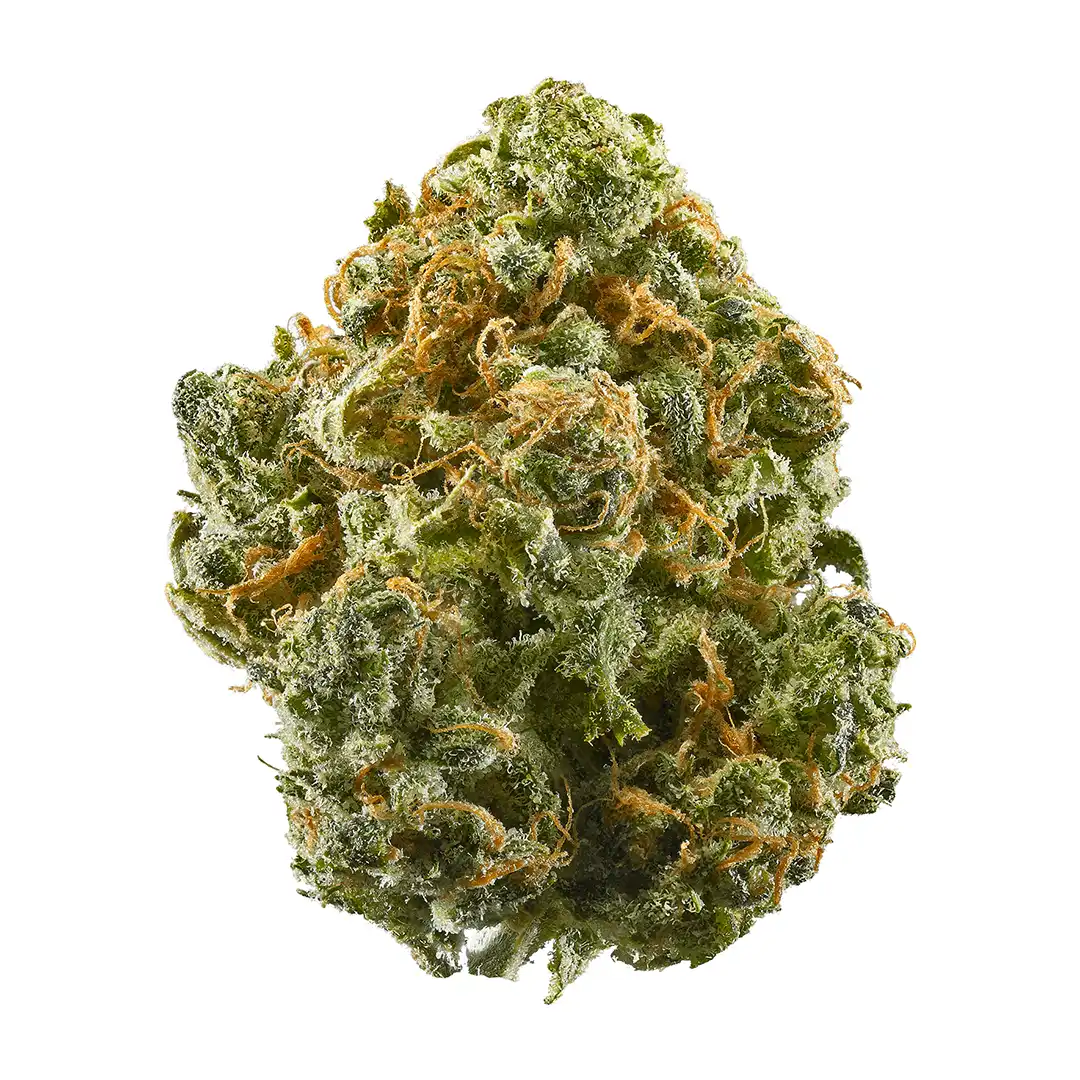
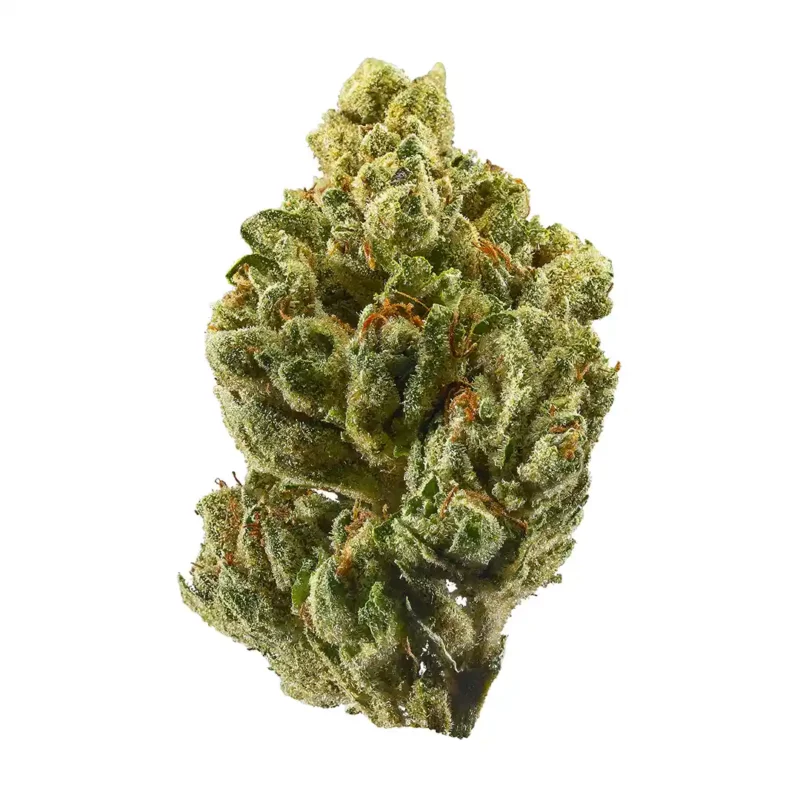
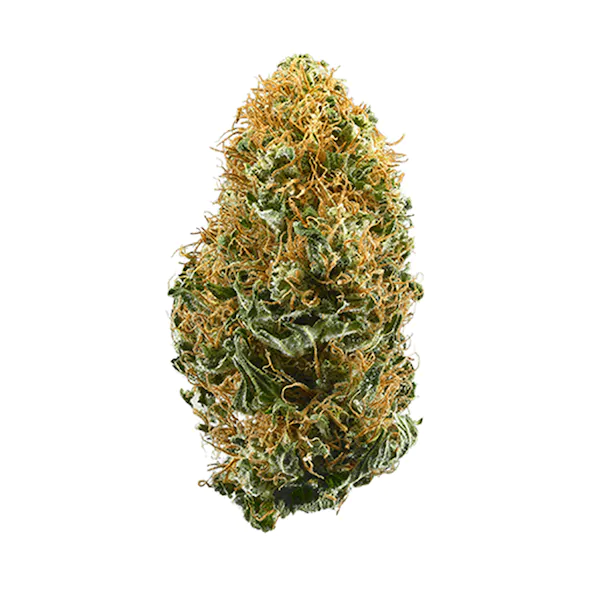
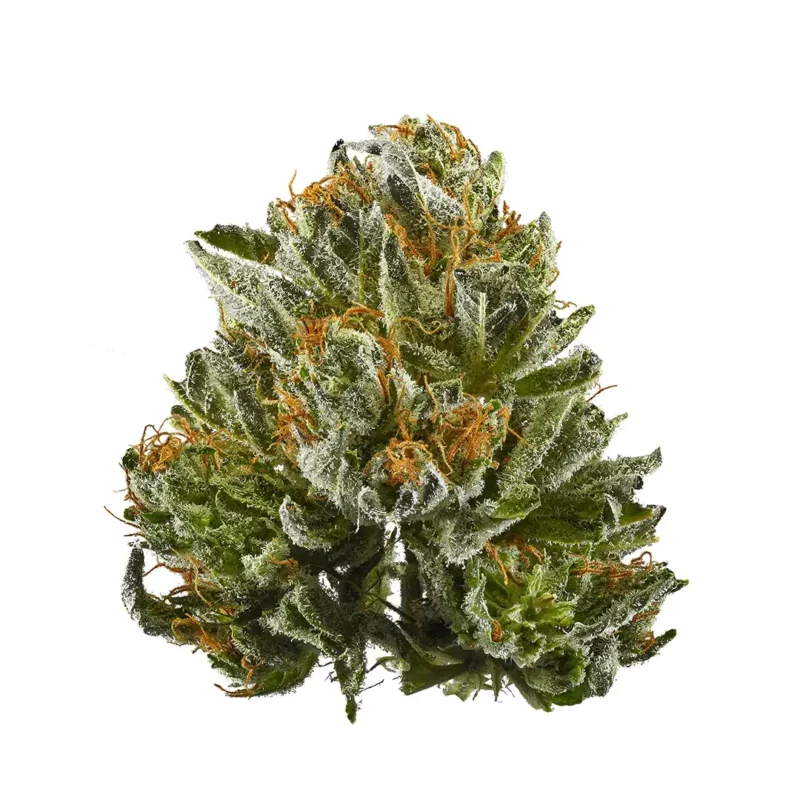
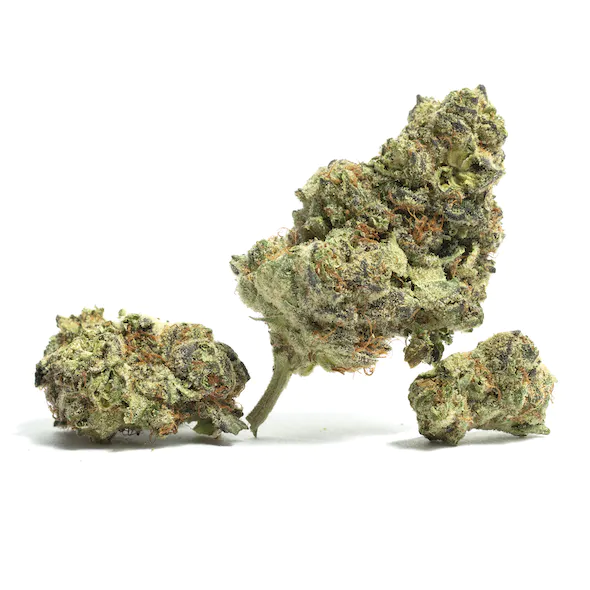
These compounds contribute to the aroma profiles consumers associate with different cannabis cultivars. Earthy, fruity, citrusy, floral, spicy, and diesel-like scents often come from varying terpene combinations.
Researchers continue studying how these compounds interact with other cannabinoids and plant constituents.
Why Are Cannabis Consumers Paying More Attention to Terpenes?
In the past, many consumers judged products primarily by THC content. Today, education has evolved.
Consumers increasingly recognize that two products with similar cannabinoid percentages can deliver very different experiences.
This growing awareness has pushed cannabis terpenes into the spotlight.
Reasons for increased interest include:
- Greater product transparency
- Improved laboratory testing
- Consumer demand for personalized experiences
- Expanded educational resources
- Retail recommendations based on terpene profiles
Many shoppers now ask for products based on aroma preferences rather than simply selecting the highest THC percentage available.
How Do Terpenes Work?
Scientists continue investigating how cannabis terpenes interact within the plant’s broader chemical composition.
One theory often discussed is known as the “entourage effect.” The concept suggests cannabinoids and aromatic compounds may work together in complex ways that influence the overall consumer experience.
Although research is ongoing, many experts believe that examining a product’s full profile provides more useful information than focusing on a single cannabinoid measurement.
To learn more about cannabis research initiatives, readers can explore resources from the National Institute on Drug Abuse (NIDA).
The Most Common Cannabis Terpenes
Myrcene
Myrcene is among the most abundant cannabis terpenes found in commercial cultivars.
Common aroma notes include:
- Earthy
- Herbal
- Musky
- Clove-like
It is also naturally present in:
- Mangoes
- Lemongrass
- Thyme
- Hops
Limonene
Limonene delivers bright citrus characteristics.
Aromas often include:
- Lemon
- Orange
- Grapefruit
- Sweet citrus zest
Outside cannabis, limonene can be found in citrus peels and is widely used in household products and fragrances.
Pinene
Pinene contributes fresh forest-like aromas.
Characteristics include:
- Pine needles
- Rosemary
- Basil
- Woody notes
Pinene exists in many evergreen species and culinary herbs.
Caryophyllene
Among all cannabis terpenes, caryophyllene stands out due to its unique interaction with the body’s endocannabinoid system.
Its aroma profile includes:
- Pepper
- Spice
- Warm earthiness
You’ll also find it in black pepper and cloves.
Linalool
Linalool is commonly associated with floral characteristics.
Typical scent descriptors include:
- Lavender
- Sweet flowers
- Soft herbal notes
This terpene frequently appears in perfumes and aromatherapy products.
Why Aroma Matters
The scent of cannabis isn’t merely cosmetic.
Aroma influences:
- Consumer expectations
- Product selection
- Brand perception
- Product memorability
- Purchasing decisions
Many experienced consumers evaluate cannabis terpenes before reviewing potency data.
A strong citrus profile may appeal to one person, while another prefers earthy or dessert-inspired aromas.
As legal markets mature, sensory experiences increasingly shape buying behavior.
The Role of Laboratory Testing
Third-party testing has transformed how consumers evaluate products.
Modern Certificates of Analysis often provide terpene percentages alongside cannabinoid data.
Consumers can use this information to compare:
- Similar products
- Different cultivars
- Batch consistency
- Product quality standards
Testing transparency has elevated discussions around cannabis terpenes and encouraged brands to provide more detailed product information.
To understand testing standards and public health guidance, visit the U.S. Food and Drug Administration (FDA).
How Cultivation Influences Terpene Profiles
Genetics play an important role, but they’re only part of the equation.
Several factors affect terpene expression:
Growing Conditions
Environmental variables include:
- Temperature
- Humidity
- Light intensity
- Air circulation
Harvest Timing
Plants harvested too early or too late may display altered aromatic characteristics.
Drying and Curing
Proper post-harvest handling helps preserve cannabis terpenes that contribute to product quality.
Storage Conditions
Exposure to:
- Heat
- Oxygen
- Light
- Moisture fluctuations
can gradually degrade aromatic compounds over time.
Terpenes Beyond Flower
Consumers often associate terpenes exclusively with dried flower.
However, cannabis terpenes appear throughout multiple product categories.
Concentrates
Examples include:
- Rosin
- Live rosin
- Resin products
- Badder
- Wax
These products often emphasize flavor preservation.
Vape Products
Many consumers select vape products based on specific terpene profiles.
Popular flavor categories include:
- Fruity
- Gassy
- Dessert-inspired
- Citrus-forward
- Herbal
Edibles
Some manufacturers incorporate terpene blends to complement flavor experiences.
Topicals
Certain formulations may include botanical terpenes to enhance aromatic appeal.
How Consumers Choose Products Using Terpenes
Instead of asking:
“What’s the strongest product?”
Many shoppers now ask:
“What does it smell like?”
This shift demonstrates how cannabis terpenes have become part of everyday purchasing language.
Consumers often organize preferences into categories:
Citrus Lovers
Often gravitate toward:
- Limonene-rich profiles
- Bright aromas
- Sweet citrus notes
Earthy Enthusiasts
May prefer:
- Myrcene-forward options
- Herbal expressions
- Traditional cannabis aromas
Spice Seekers
Often enjoy:
- Caryophyllene-heavy products
- Peppery notes
- Complex profiles
Floral Fans
Commonly choose:
- Linalool-containing products
- Lavender aromas
- Softer fragrance experiences
Why Brands Are Highlighting Terpenes
Competition in legal cannabis markets has intensified.
As a result, brands increasingly differentiate themselves through:
- Genetics
- Extraction methods
- Flavor experiences
- Product education
- Laboratory transparency
Educational content centered around cannabis terpenes helps consumers better understand products and build trust with companies.
Brands that explain why their products smell and taste a certain way often strengthen customer loyalty.
AI Search and the Future of Cannabis Education
Google’s search ecosystem continues evolving.
AI-generated summaries increasingly prioritize:
- Comprehensive content
- Credible sources
- Clear structure
- Reader-first information
- Expertise signals
Content discussing cannabis terpenes should focus on education rather than exaggerated claims.
To improve visibility within AI-assisted search experiences, publishers should:
Answer Common Questions
Examples include:
- What are terpenes?
- Why do they matter?
- Which terpenes are most common?
- How are terpenes tested?
Use Descriptive Headings
Structured formatting helps search engines understand context.
Cite Reliable Resources
Government and research organizations increase credibility.
Readers may explore educational resources through the Centers for Disease Control and Prevention (CDC).
Focus on User Intent
Address genuine consumer questions instead of keyword stuffing.
Keep Information Updated
Search systems increasingly reward freshness and relevance.
Common Misconceptions About Terpenes
“Higher THC Means Better Quality”
Not necessarily.
Many consumers value aroma and overall experience more than potency alone.
“All Citrus-Smelling Products Are the Same”
False.
Products can contain numerous compounds beyond limonene.
“Terpenes Only Affect Flavor”
Flavor is important, but cannabis terpenes contribute significantly to a product’s overall identity.
“Every Product Has Identical Profiles”
Cultivation methods, genetics, and processing techniques all influence final composition.
Tips for Shopping Based on Terpenes
If you’re new to terpene-focused shopping, consider the following:
Read Product Labels
Look for terpene information whenever available.
Keep Notes
Track:
- Favorite aromas
- Preferred products
- Experiences
- Brands
Explore Different Profiles
Trying diverse cannabis terpenes can help refine your preferences.
Ask Questions
Knowledgeable retailers often explain terpene characteristics and testing results.
Prioritize Transparency
Brands that share detailed laboratory information demonstrate accountability.
Frequently Asked Questions
Are terpenes unique to cannabis?
No.
Many plants produce terpenes, including citrus fruits, lavender, pine trees, basil, and black pepper.
Can terpenes change over time?
Yes.
Improper storage conditions may reduce aromatic intensity.
Why do two products smell different?
Variations in genetics, cultivation, processing, and preservation influence cannabis terpenes.
Are terpene percentages important?
They provide useful information when comparing products, though they represent just one aspect of a product’s profile.
Why is terpene education becoming more popular?
Consumers increasingly seek personalized experiences and transparent product information.
The Future of Terpene-Focused Cannabis Products
As research expands and consumer knowledge grows, terpene education is likely to become standard throughout the industry.
Future trends may include:
- Enhanced terpene labeling
- Interactive shopping experiences
- Personalized recommendations
- Advanced cultivation strategies
- Increased consumer literacy
The industry’s emphasis on cannabis terpenes reflects a broader movement toward informed decision-making and product transparency.
Rather than reducing cannabis to a single number, consumers are embracing a more complete understanding of the plant.
Final Thoughts
Understanding cannabis terpenes empowers consumers to move beyond outdated assumptions and engage with cannabis products more thoughtfully.
Whether you’re exploring flower, concentrates, vape products, or edibles, terpene awareness offers valuable insight into aroma, flavor, and product identity.
As AI-powered search continues reshaping how information is discovered, educational content that prioritizes clarity, trustworthiness, and reader value will remain essential.
For brands, educators, and consumers alike, cannabis terpenes represent one of the most important conversations shaping the future of cannabis in 2026 and beyond.


