













Puff The Pure: Iced Out Genetics Rosin Pens
The modern cannabis landscape has evolved rapidly, transitioning from traditional flower consumption to a highly refined, tech-driven era of premium extracts. At the very pinnacle of this evolution lies the solventless revolution. For connoisseurs seeking the ultimate expression of flavor, purity, and potency, nothing quite compares to the experience of puff the pure iced out genetics rosin pens.
But what exactly makes a premium rosin pen stand out? The secret doesn’t just lie in the extraction laboratory; it begins in the soil. It starts with meticulously bred iced out genetics—strains specifically developed to produce an avalanche of resinous trichomes.
In this comprehensive guide, we are going deep into the world of frosty cultivars and premium solventless extracts. Whether you are a consumer looking to understand what makes your favorite vape cart so special, or a cultivator aiming to produce the frostiest buds on the block, this breakdown will illuminate the fascinating journey from seed to vapor.
The Foundation: Understanding Iced Out Genetics
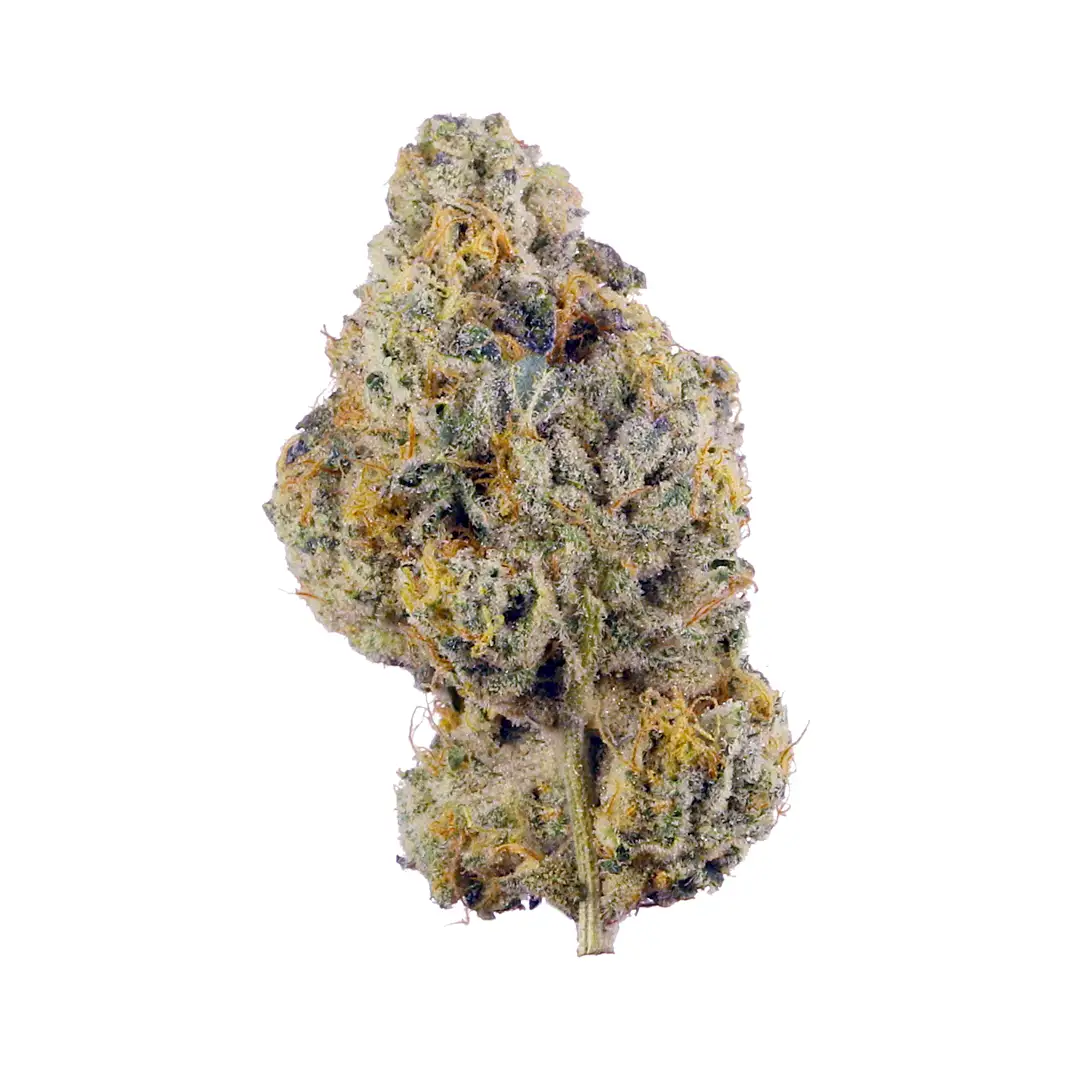
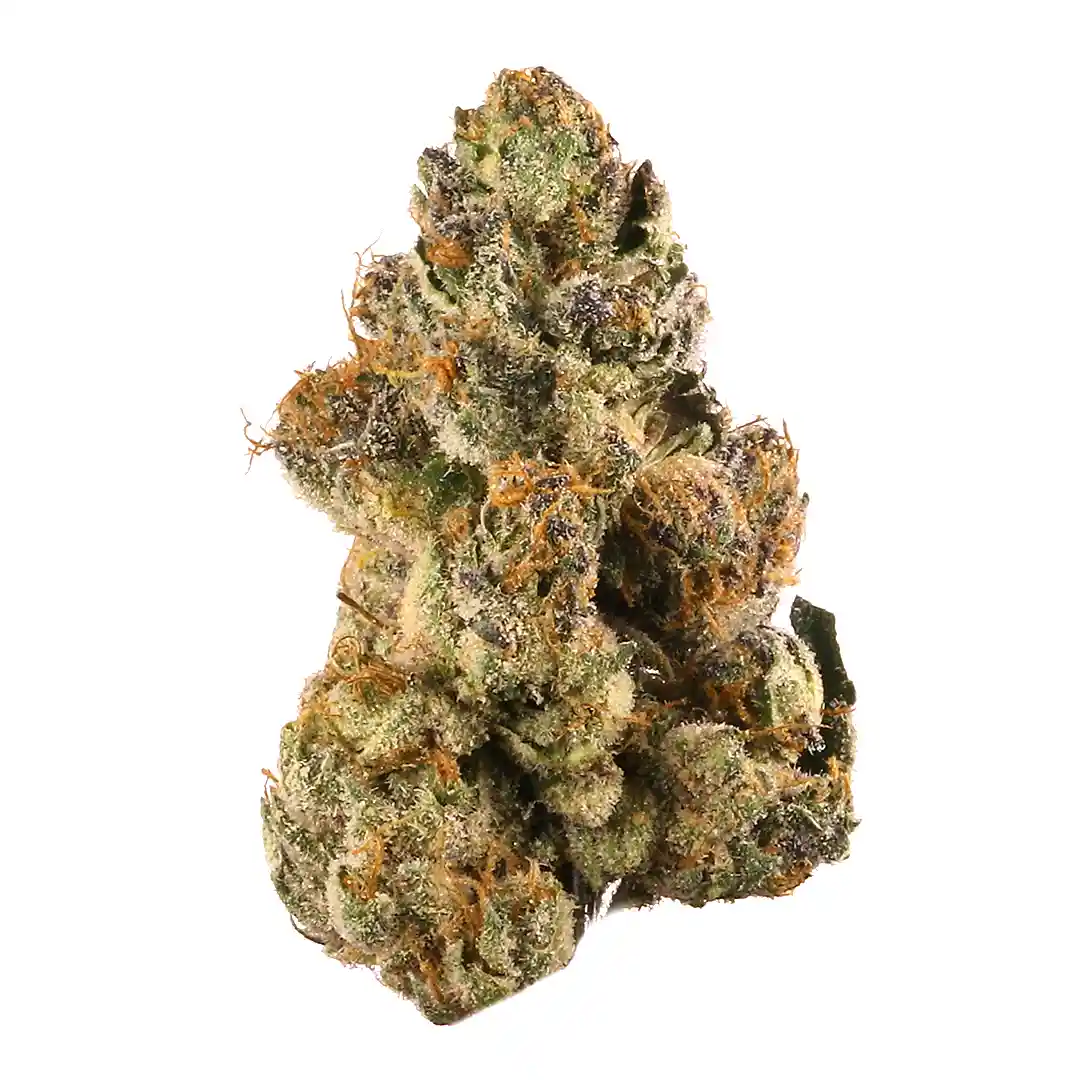
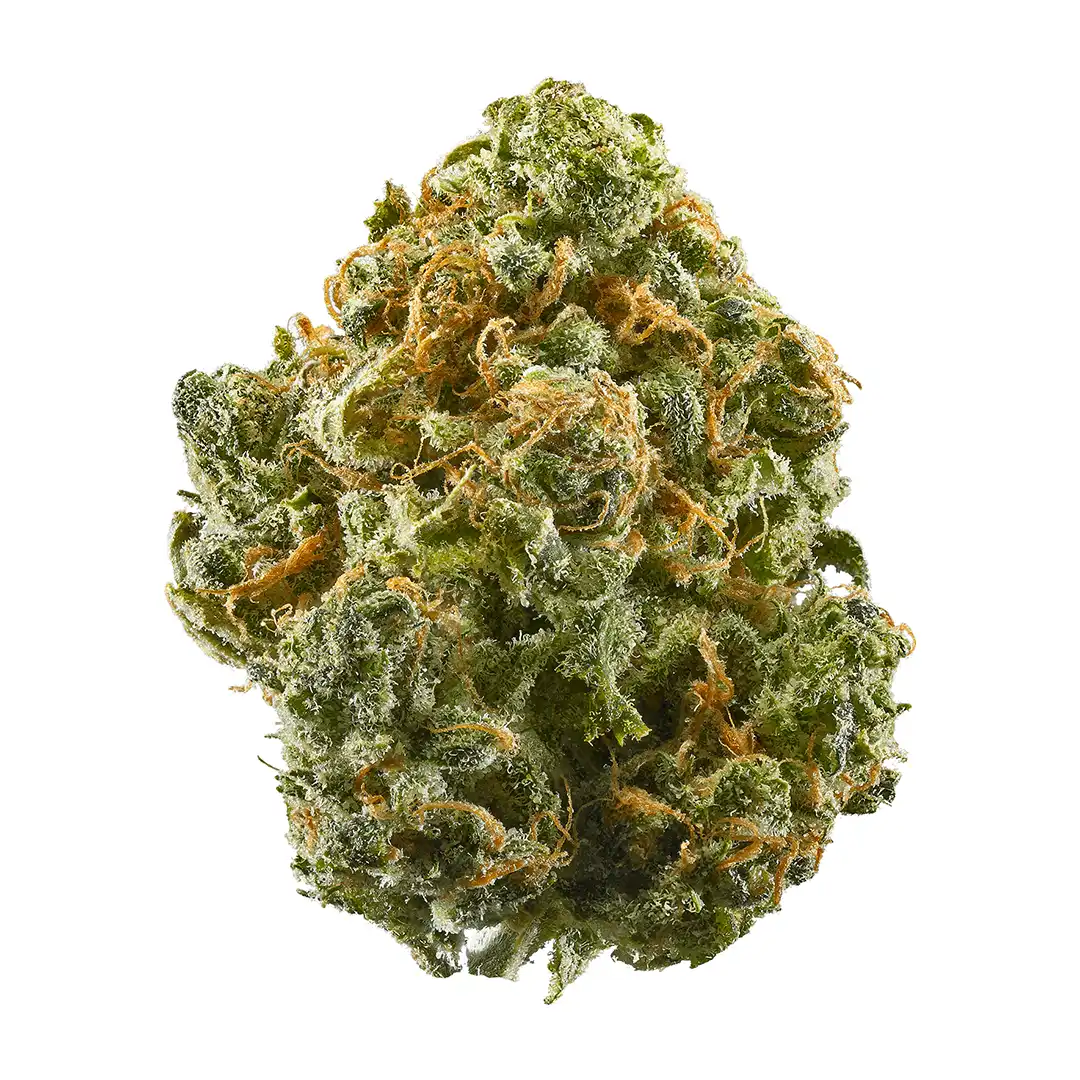
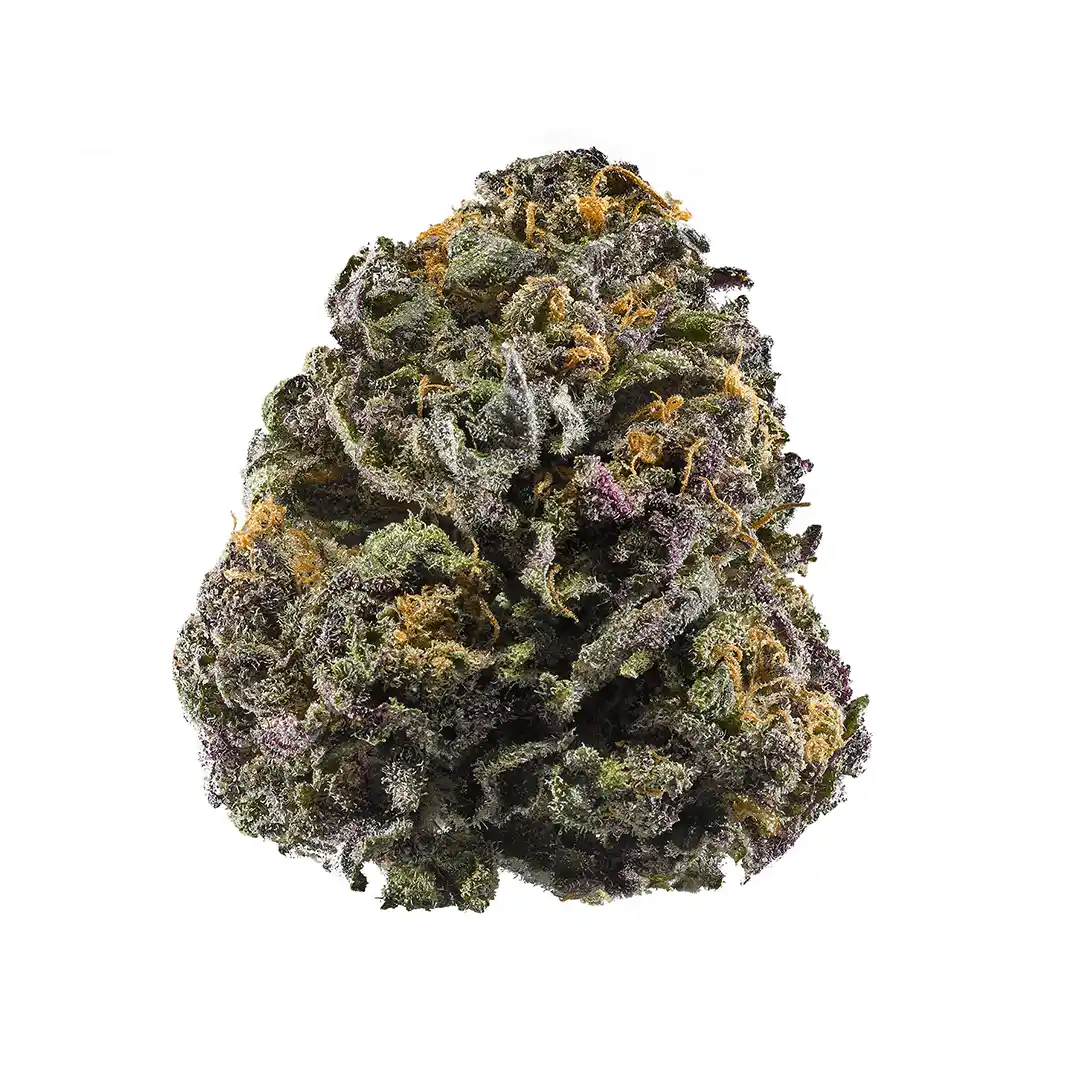
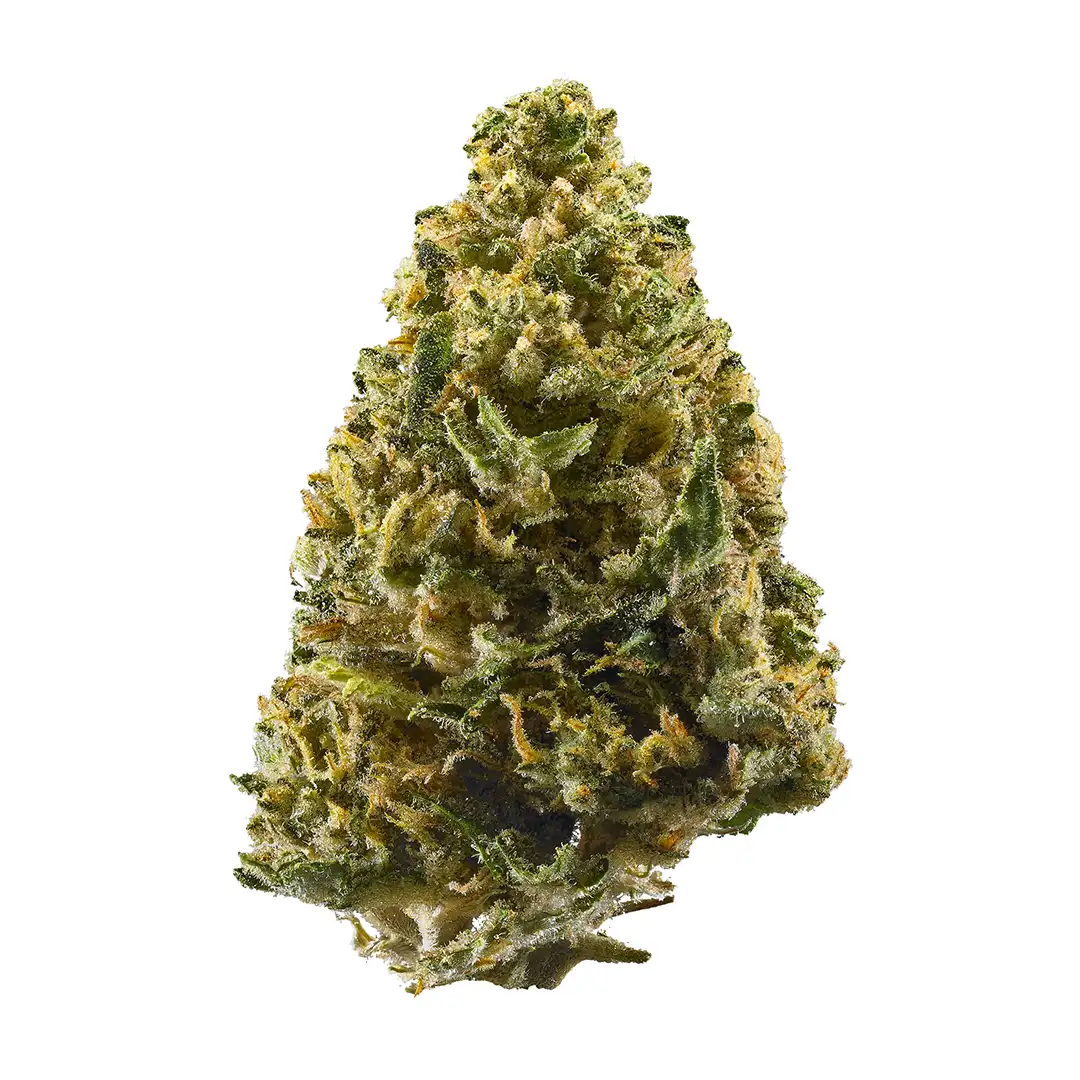
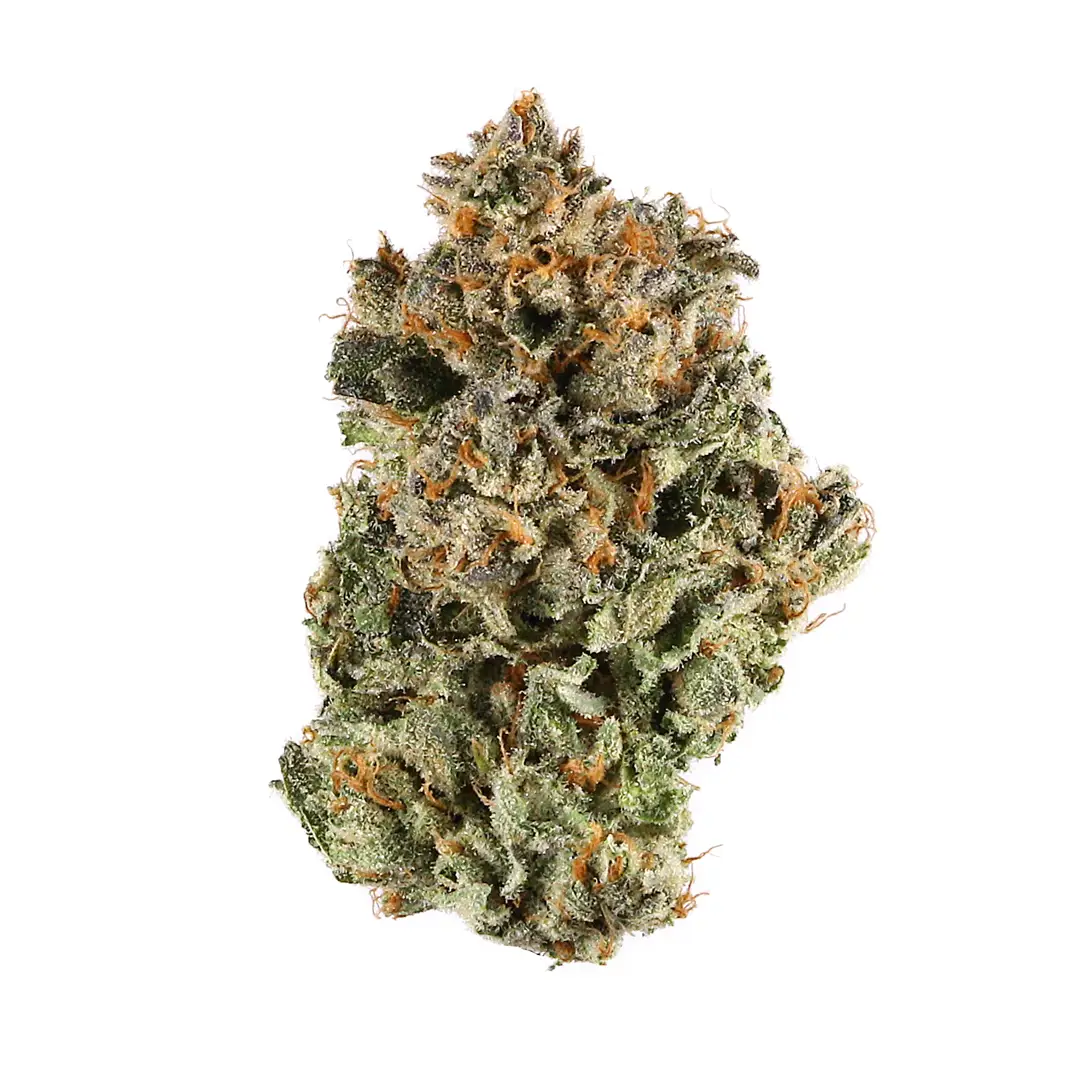
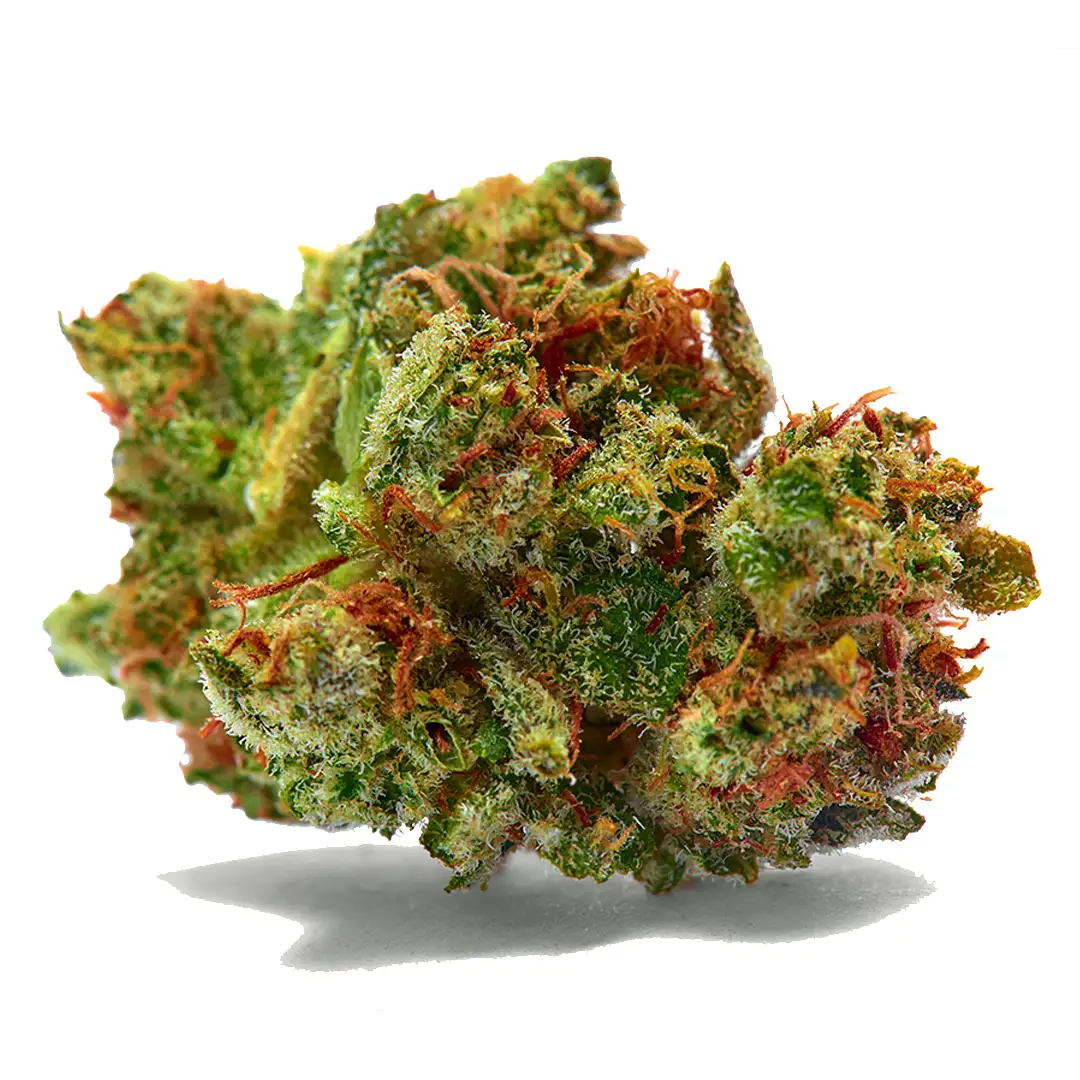
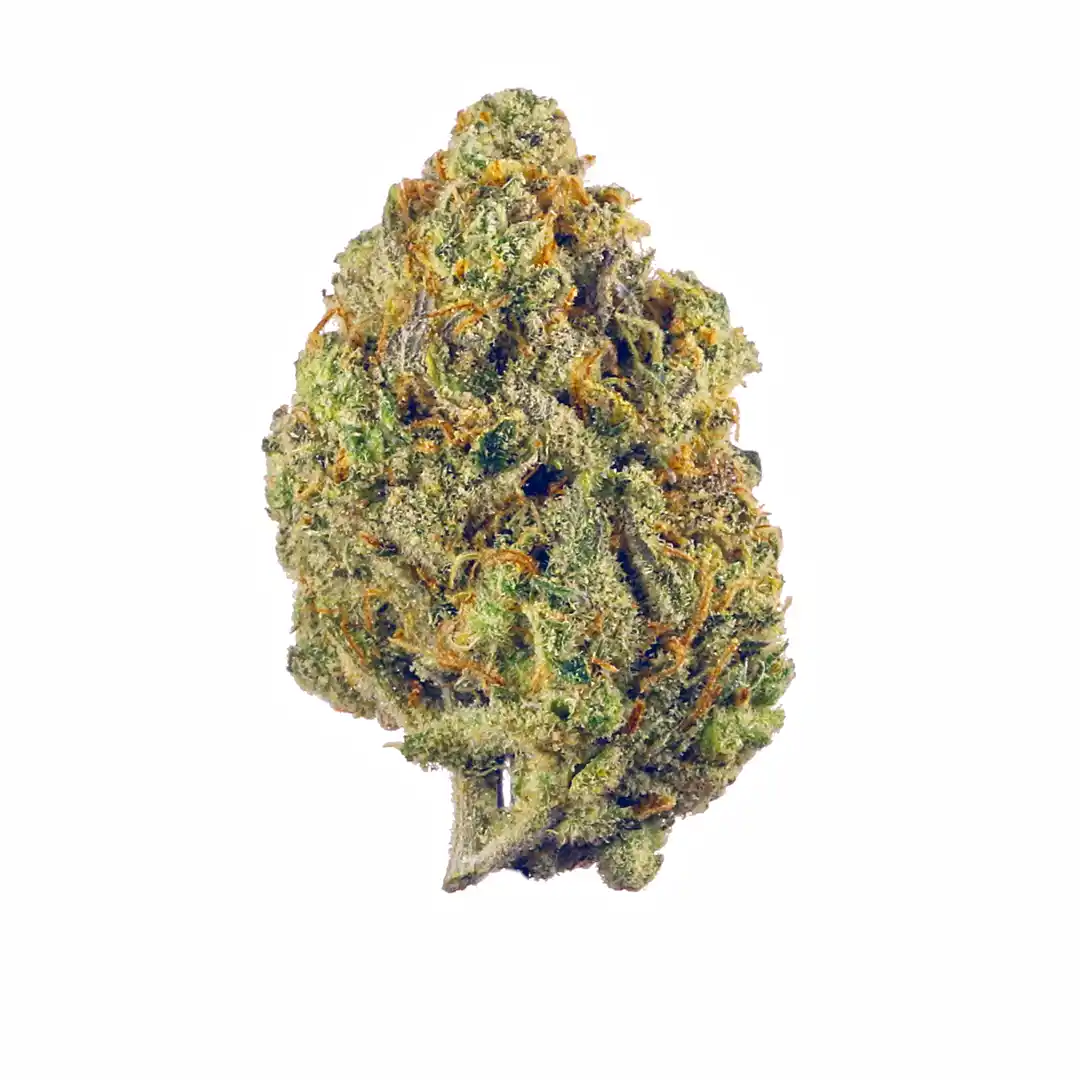
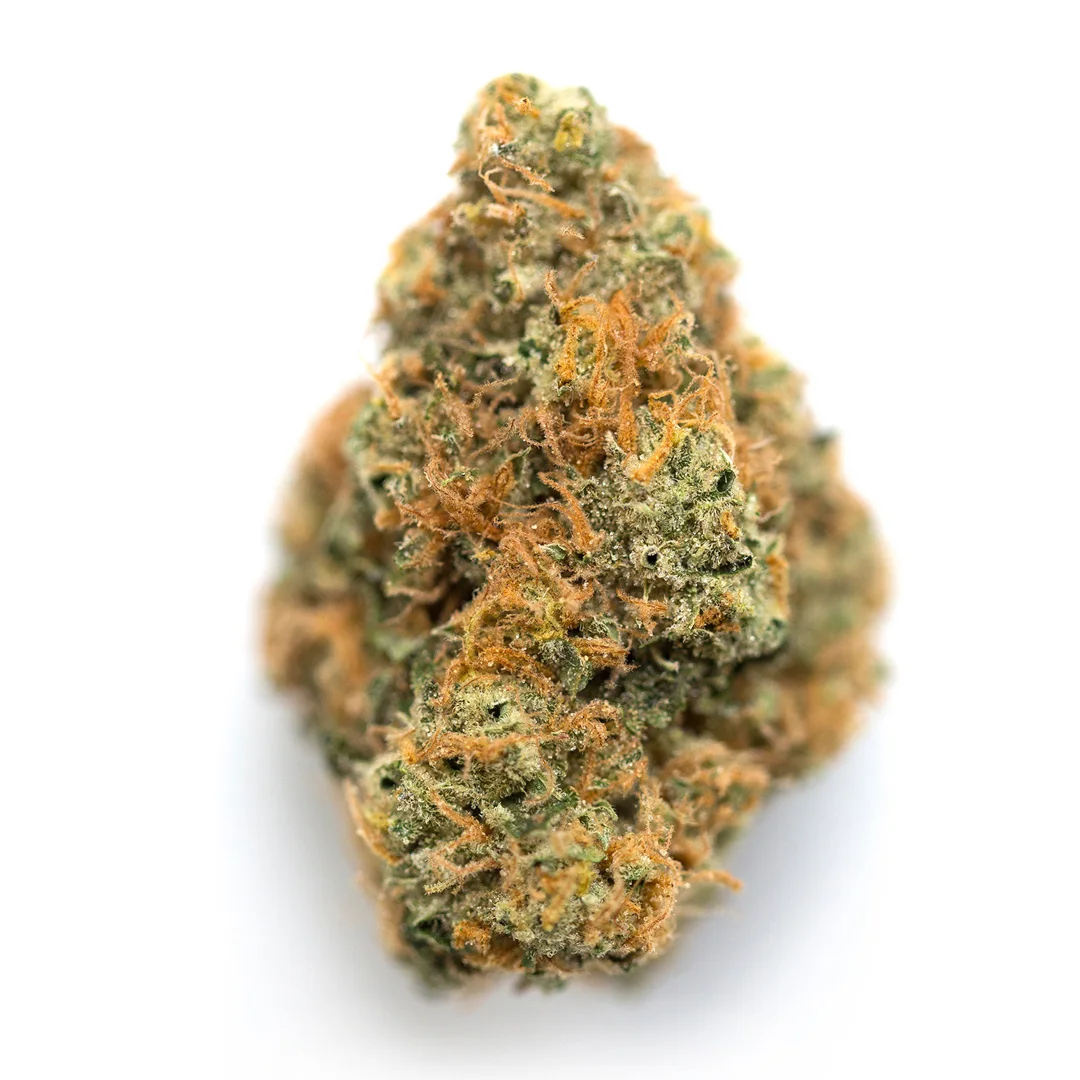
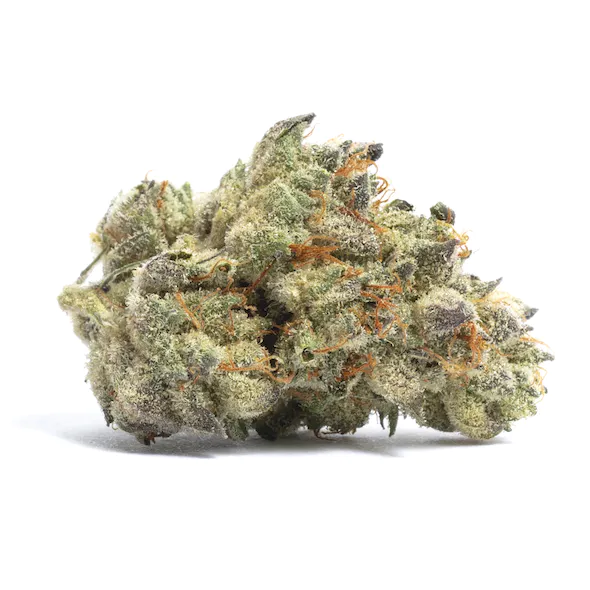
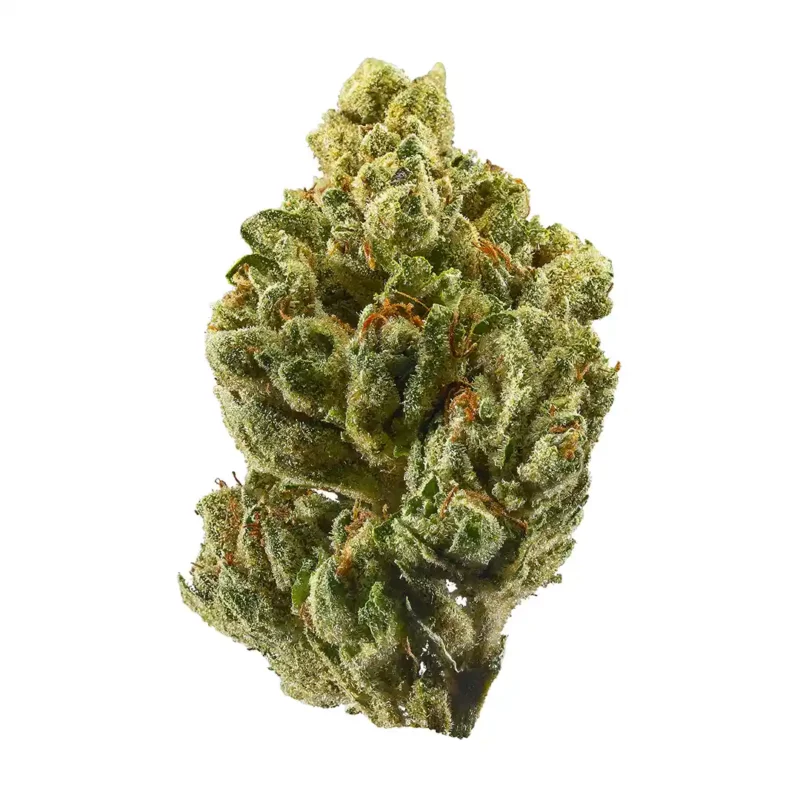
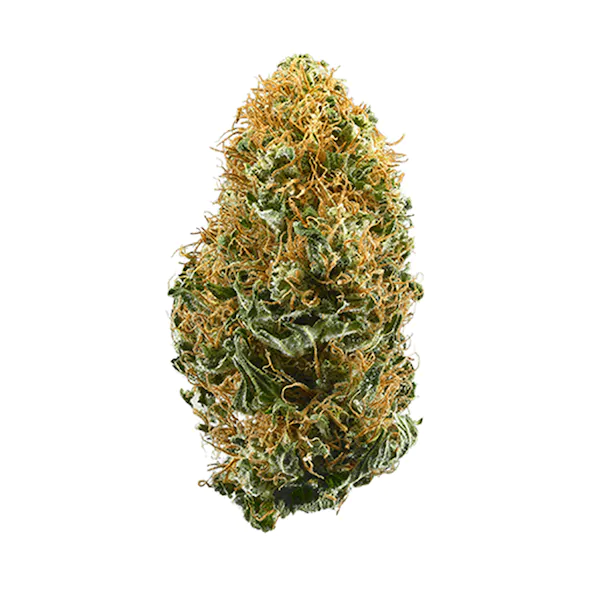
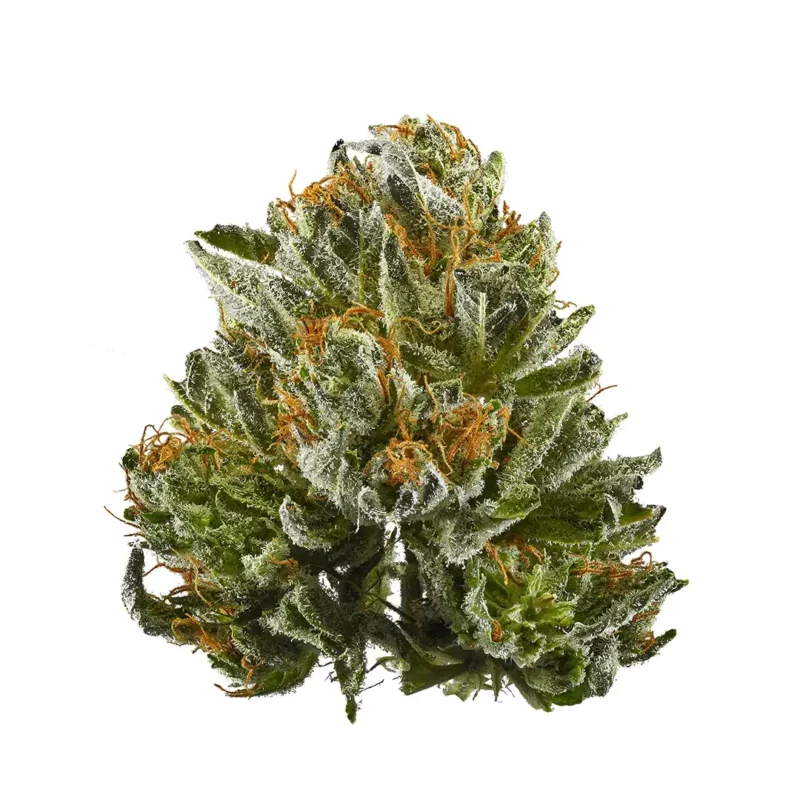
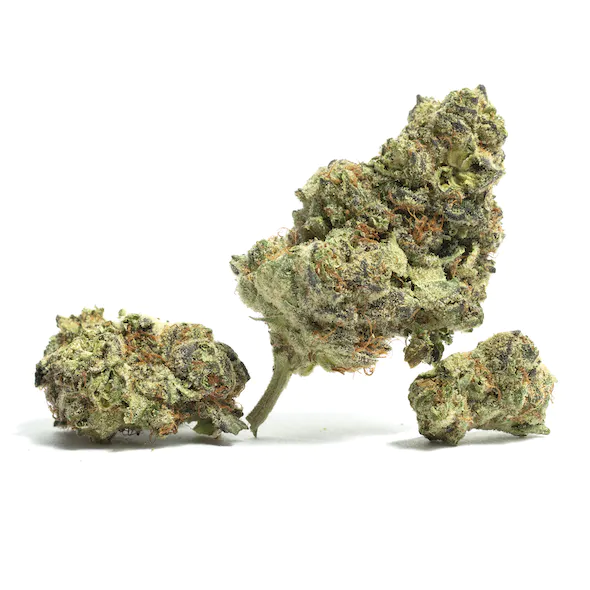
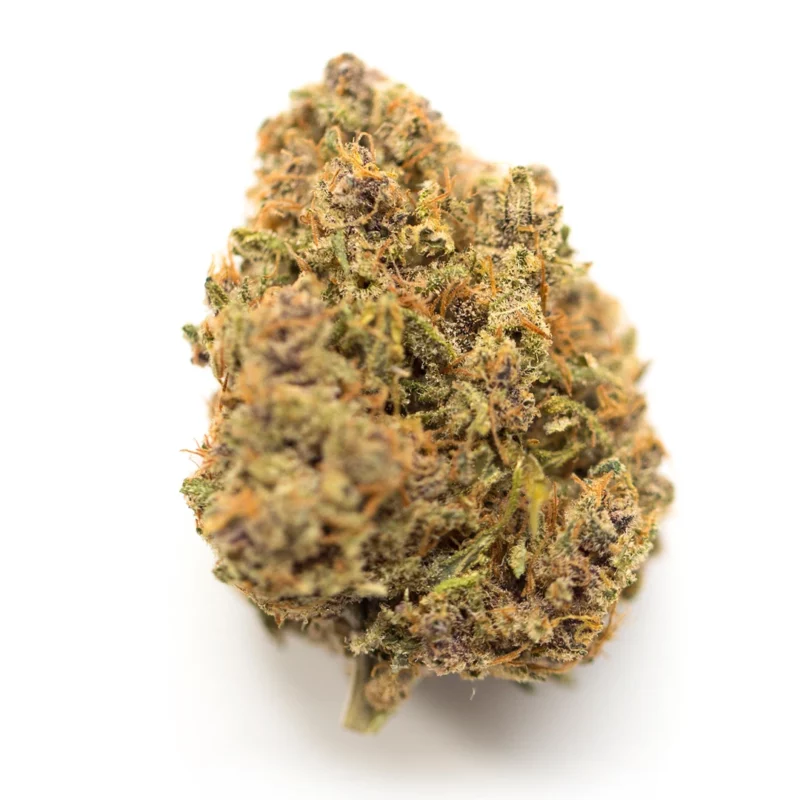
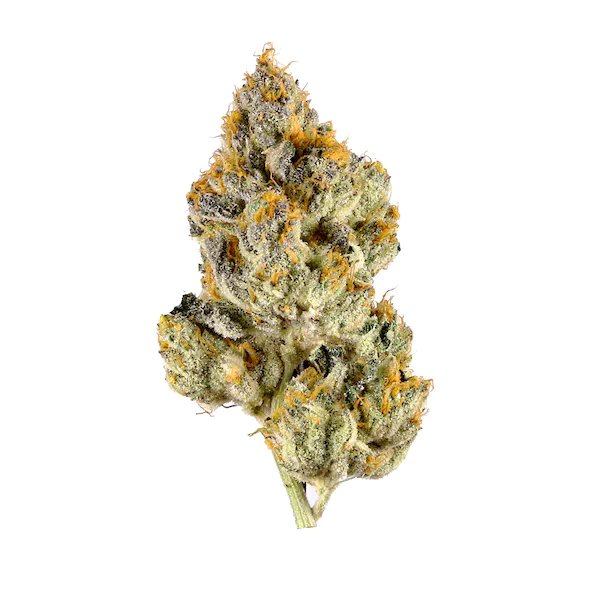
When we talk about “iced out genetics,” we are referring to cannabis plants that look as though they have been rolled in crushed diamonds or freshly fallen snow. These plants boast an unusually thick coating of glandular trichomes—the microscopic, mushroom-shaped glands where cannabinoids (like THC and CBD) and terpenes are synthesized and stored.
But exactly what determines cannabis resin coverage?
The answer is a delicate dance between nature and nurture. While environmental factors like lighting and temperature play a massive role, the absolute ceiling for trichome production is dictated by the plant’s DNA. High trichome production strains have been selectively bred over generations to prioritize resin output over sheer biomass. In the modern era, breeders focus heavily on the structure of the trichome head, favoring genetics whose resin glands easily detach during ice-water agitation—the first step in making premium rosin.

The Solventless Revolution: Puff The Pure and Iced Out Extracts
For years, the concentrate market was dominated by solvent-based extraction methods like BHO (Butane Hash Oil). While effective, solvents can strip away delicate terpenes and, if not purged correctly, leave behind unwanted residuals.
Enter the era of solventless extraction.
Products like puff the pure iced out genetics rosin pens represent the gold standard of this movement. By using only ice, water, heat, and pressure, extractors can isolate the plant’s pure essence. These iced out extracts offer a true-to-plant experience. When you take a draw from a high-quality rosin pen, you aren’t just getting THC; you are getting the exact terpene profile of the living plant at the exact moment it was harvested.
Creating these premium pens requires starting material of the highest caliber. You cannot make top-tier rosin from mediocre flower. The extraction process—specifically washing the buds to make bubble hash before pressing it into rosin—demands strains that dump resin generously.
Sourcing the Frost: Navigating Premium Exotic Cannabis Seed Banks
If you are a grower looking to produce your own extract-ready flower, your journey begins with seed selection. Acquiring elite genetics requires tapping into premium exotic cannabis seed banks. These specialized repositories curate the finest lines from breeders who prioritize frost, flavor, and unique terpene profiles.
When browsing these banks, you will quickly notice the stark difference in top shelf vs commercial grade seeds. Commercial seeds are often bred for high yields, pest resistance, and rapid finishing times to maximize agricultural profit. Top-shelf seeds, on the other hand, are artisanal. They are bred for sensory perfection, exotic aromas (like garlic, gas, tropical fruit, or baked goods), and most importantly, heavy trichome density.
Heirloom vs Modern Hybrid Genetics
When selecting seeds for rosin production, it helps to understand the historical context of the lineage:
- Heirloom Genetics: These are pure, unadulterated strains that have been preserved for generations without being crossed with modern varieties. Think of classic landraces from the Hindu Kush mountains or Thai jungles. While they possess unique, highly desirable traits and robust hardiness, they rarely produce the sheer volume of resin required for commercial rosin production.
- Modern Hybrid Genetics: This is where the magic happens for extractors. By continuously crossing heavy-hitting, resin-dense plants, breeders have created “polyhybrids.” These modern marvels are engineered specifically to produce the icy, resin-drenched flowers needed for today’s high-end extracts.

The Breeding Ground: Feminized vs Regular Seeds Comparison
Once you have found a reputable seed bank, you will face a critical choice: regular or feminized seeds. Understanding the feminized vs regular seeds comparison is vital for your grow strategy.
- Feminized Seeds: These seeds are bred to produce only female plants (with a 99.9% success rate). Because only female plants produce the smokable, resinous buds used for extraction, feminized seeds are highly efficient. They are perfect for growers who have limited space and want to guarantee a full canopy of flower-producing plants.
- Regular Seeds: These seeds will produce a mix of male and female plants (usually a 50/50 split). While pulling males is a chore for those purely seeking flower, regular seeds are the absolute lifeblood of breeding programs. Many veteran cultivators argue that regular seeds offer more robust phenotypic expressions, making them the preferred choice when hunting for a rare, exotic mother plant.
For home growers looking for predictability without sacrificing quality, seeking out stable genetic lineages for home growers in feminized form is usually the smartest entry point.
The Hunt: Germination and Selecting the Ultimate Phenotype
The process of turning a tiny seed into a jar of premium rosin is a labor of love. It begins with germinating rare cannabis seeds. Because exotic seeds can be quite expensive, proper germination techniques are critical to protect your investment.
Actionable Germination Tips:
- The Paper Towel Method: Place seeds between two unbleached, lightly moistened paper towels.
- Warmth and Darkness: Keep them in a warm (75-80°F), dark place, such as inside a slightly open DVD case placed on top of a low-heat seedling mat.
- Gentle Handling: Once the taproot emerges (usually within 48 to 72 hours), use sterile tweezers to plant the seed root-down into your starter medium.
Phenotype Hunting for Resin Density
Planting a ten-pack of premium seeds of the same strain is like having ten children from the same parents; they will share similarities, but each will be unique. This variation is why cultivators engage in phenotype hunting for resin density.
Also known as “pheno-hunting,” this process involves growing out multiple seeds of the same strain, taking clones of each, and flowering the original seed plants. As they bloom, the cultivator meticulously observes which plant has the best structure, the most intoxicating aroma, and the thickest coat of “ice.”
For rosin production, growers will even perform “test washes” on small amounts of flower from each phenotype to see which one yields the highest percentage of hash. The winning plant (the “keeper pheno”) is then kept alive indefinitely via its clone, ensuring a continuous supply of top-tier, iced out genetics.

Environment and Nutrition: How to Grow Frosty Buds
Having world-class genetics is only half the battle. To truly unlock a plant’s genetic potential and maximize resin production, the environment must be flawless. Indoor cultivation of exotic strains allows the grower to play Mother Nature, fine-tuning every variable for perfection.
Lighting and Temperature
Trichomes act as a natural sunscreen for the cannabis plant. By utilizing high-intensity LED grow lights—particularly those with a broad spectrum that includes UV-A and UV-B—you can trigger a defense mechanism in the plant, causing it to produce more resin to protect its delicate flowers.
Furthermore, mimicking the onset of autumn can drastically increase frost. Dropping temperatures in the final weeks of flowering (aiming for daytime temps around 72°F and nighttime temps around 60-65°F) stresses the plant just enough to push trichome production into overdrive, resulting in visually stunning, icy buds.
Best Nutrients for Trichome Development
Feeding your plants correctly is paramount. While nitrogen is essential for early growth, high-phosphorus and high-potassium (PK) feeds are required during the bloom phase. However, to push resin production to the absolute limit, consider these specific additives:
- Silica: Liquid silicon strengthens plant cell walls, allowing branches to support the weight of heavy, dense buds. It also aids in environmental stress resistance, indirectly supporting robust trichome development.
- Amino Acids and Carbohydrates: Providing a source of natural sugars and amino acids fuels the plant’s metabolic pathways, giving it the energy required to synthesize complex essential oils and cannabinoids.
- Sulfur: Often overlooked, sulfur is a critical building block for terpenes. Ensuring adequate sulfur levels in your nutrient regimen is a primary strategy for maximizing terpene profiles in flower.
By combining superior genetics, precise environmental controls, and optimal nutrition, cultivators can successfully cultivate high potency hybrid cultivars that will eventually become the starting material for luxury concentrates.

The Final Act: Harvesting and Curing
All the hard work in the grow room culminates at harvest time. For those producing flower for rosin pens, the timing of the harvest dictates both the potency and the consistency of the final extract.
Harvesting for maximum cannabinoid content requires careful observation of the trichome heads using a jeweler’s loupe or a digital microscope.
- Clear Trichomes: The plant is immature, and cannabinoid production has not peaked.
- Cloudy/Milky Trichomes: This indicates peak THC levels and maximum psychoactivity. This is the ideal time to harvest for light-colored, highly potent rosin.
- Amber Trichomes: THC has begun to degrade into CBN (Cannabinol), which provides a more sedative, “couch-lock” effect.
For the production of premium solventless products like puff the pure iced out genetics rosin pens, cultivators typically harvest when trichomes are 90% cloudy and 10% amber.
Once harvested, flower destined for live rosin bypasses the traditional drying and curing phase. Instead, it is immediately flash-frozen. This “fresh frozen” technique locks in the exact terpene profile of the living plant, ensuring that none of the volatile, aromatic compounds evaporate into the air. When this frozen material is later washed in ice water, the brittle trichome heads snap off easily, resulting in a remarkably pure, flavorful extract.
Conclusion
The leap from a humble seed to a high-end, solventless vape experience is a journey of science, art, and uncompromising dedication. Products like puff the pure iced out genetics rosin pens don’t just happen by accident. They are the result of breeders pushing the boundaries of high trichome production strains, cultivators meticulously dialing in their environments, and extractors utilizing pure, mechanical separation to capture the essence of the plant.
Understanding the mechanics of iced out genetics—from browsing premium exotic cannabis seed banks and phenotype hunting, to mastering the best nutrients for trichome development—empowers both the consumer and the grower. As the cannabis industry continues to elevate its standards, the demand for icy, resin-drenched cultivars will only grow. By prioritizing genetics and respecting the solventless process, we can continue to enjoy the purest, most flavorful expressions of this incredible plant.


