













Plant Genetics How In-House Genetics Revolutionizes Agriculture
The agricultural landscape is undergoing a profound transformation. Gone are the days when farmers relied solely on a handful of commercial seed giants for their annual planting. Today, the intersection of advanced biotechnology and customized farming has given rise to a new era of localized, highly specialized crop development. Understanding exactly How In-House Genetics Revolutionizes Agriculture is essential for anyone involved in modern food production, specialty crop cultivation, or agronomy. By bringing seed development closer to the soil where it will grow, cultivators are unlocking unprecedented levels of yield, resilience, and quality.
The Shift Toward Proprietary Plant Breeding Programs
For decades, the global agricultural supply chain leaned heavily on generalized seeds bred for mass viability rather than localized perfection. So, why do farmers develop internal seed varieties today? The answer lies in environmental specificity.
When comparing in-house breeding vs commercial seed suppliers, the primary difference is customization. Commercial seeds are designed to perform “adequately” across a wide range of climates. Conversely, proprietary plant breeding programs allow farmers to develop seeds specifically adapted to their farm’s unique soil microbiome, microclimate, and moisture levels. This hyper-local approach guarantees that crops don’t just survive their environment—they thrive in it.
Navigating the Science: From Tradition to Innovation
The methods used to create these custom cultivars have evolved drastically. While the transition from traditional crossbreeding vs molecular marker selection was a significant leap, modern agriculture has pushed the boundaries even further.
Today, genome mapping for sustainable agriculture allows breeders to pinpoint the exact DNA sequences responsible for desirable traits, eliminating years of trial-and-error guesswork. Taking it a step further, CRISPR gene editing in modern farming has given agronomists the ability to make precise tweaks to a plant’s DNA without introducing foreign genetic material. This combination of traditional knowledge and cutting-edge biotechnology is the backbone of internal genetic programs, allowing farms to innovate at breakneck speeds. (Plant Genetics)
Top Benefits of Custom Plant Genetics
If you are wondering, what are the benefits of custom plant genetics, the advantages extend far beyond basic crop survival. A tailored genetic program impacts every facet of a farming operation:
- Maximized Output: Through high-yield crop development strategies, breeders can isolate and propagate the most productive phenotypes, ensuring maximum profitability per acre. (Plant Genetics)
- Environmental Resilience: Mitigating climate change with resilient crops is becoming a global necessity. In-house breeding allows farms to quickly adapt to drought, extreme heat, or unseasonal frosts by selecting for climate-hardy traits.
- Eco-Friendly Cultivation: Reducing pesticide use through genetic resistance is a major win for both the environment and the farmer’s bottom line. Plants naturally bred to fend off local pests require fewer chemical interventions.
- Better End Products: By tweaking specific biological pathways, breeders can achieve improved nutritional profiles in bioengineered produce, delivering higher vitamin content and better flavor to the consumer. (Plant Genetics)
Exploring Specialty Crops and Boutique Breeders
The revolution of internal breeding is especially visible in the specialty crop sector. Advanced trait discovery platforms for specialty crops have allowed boutique breeders to isolate unique flavors, aromas, and structural profiles.
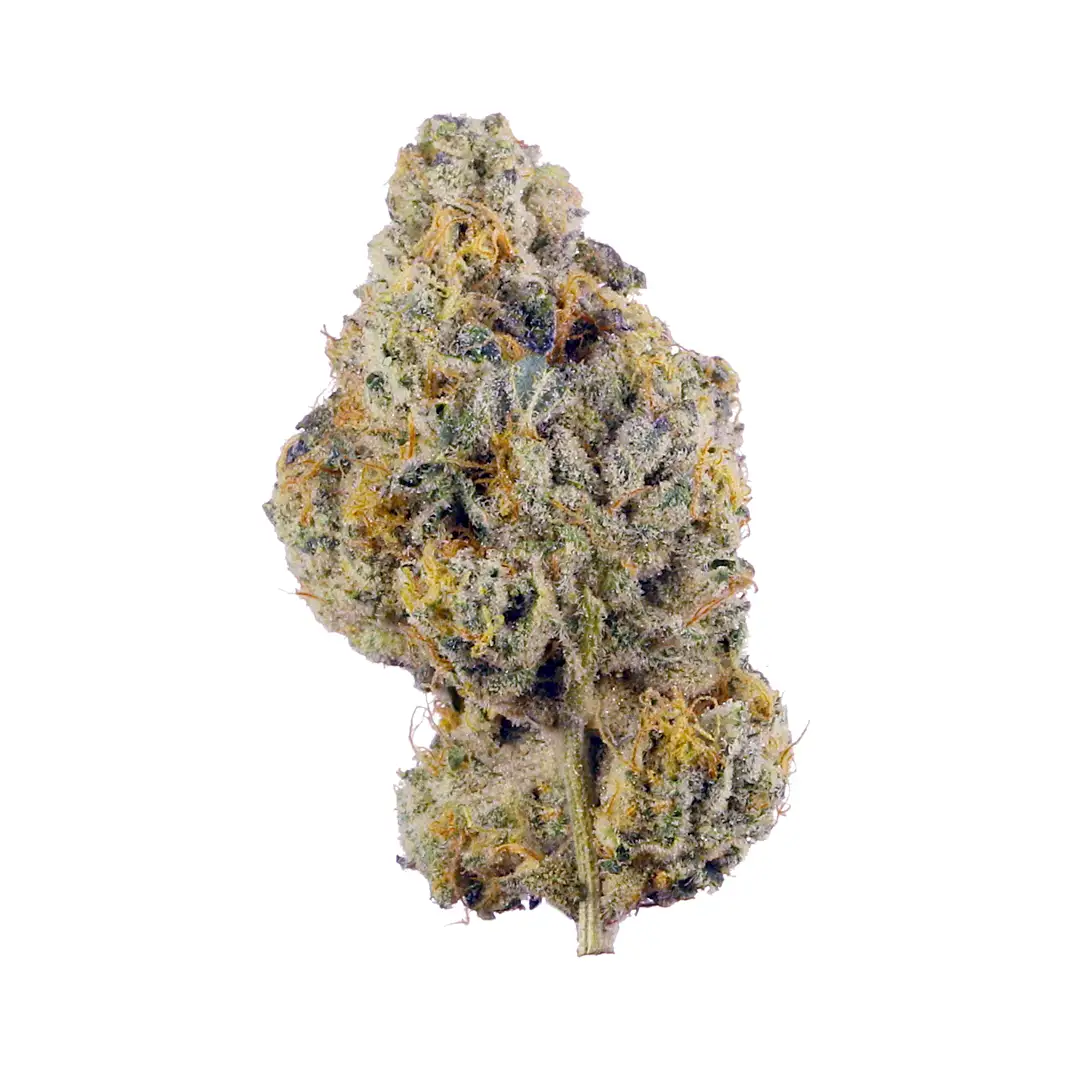
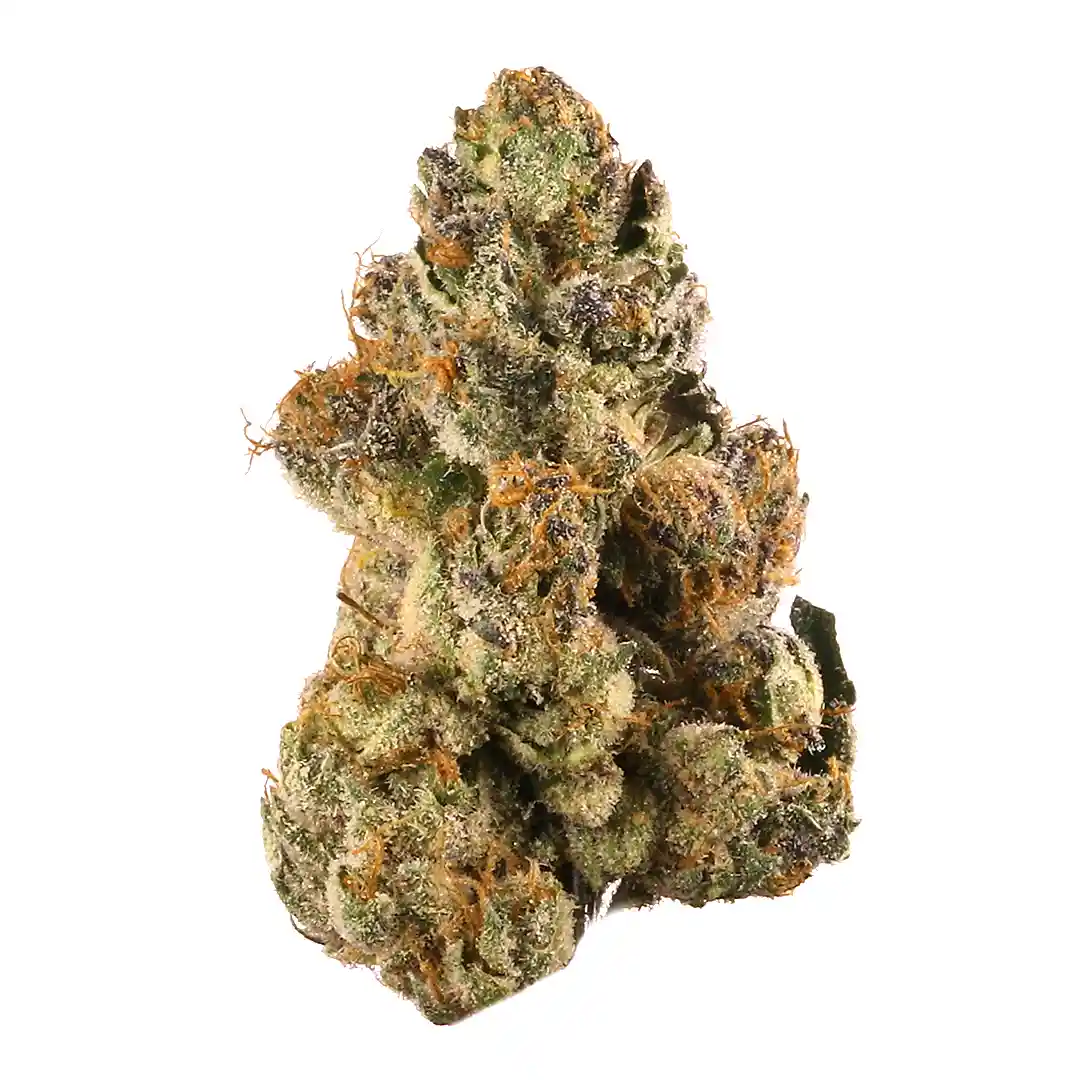
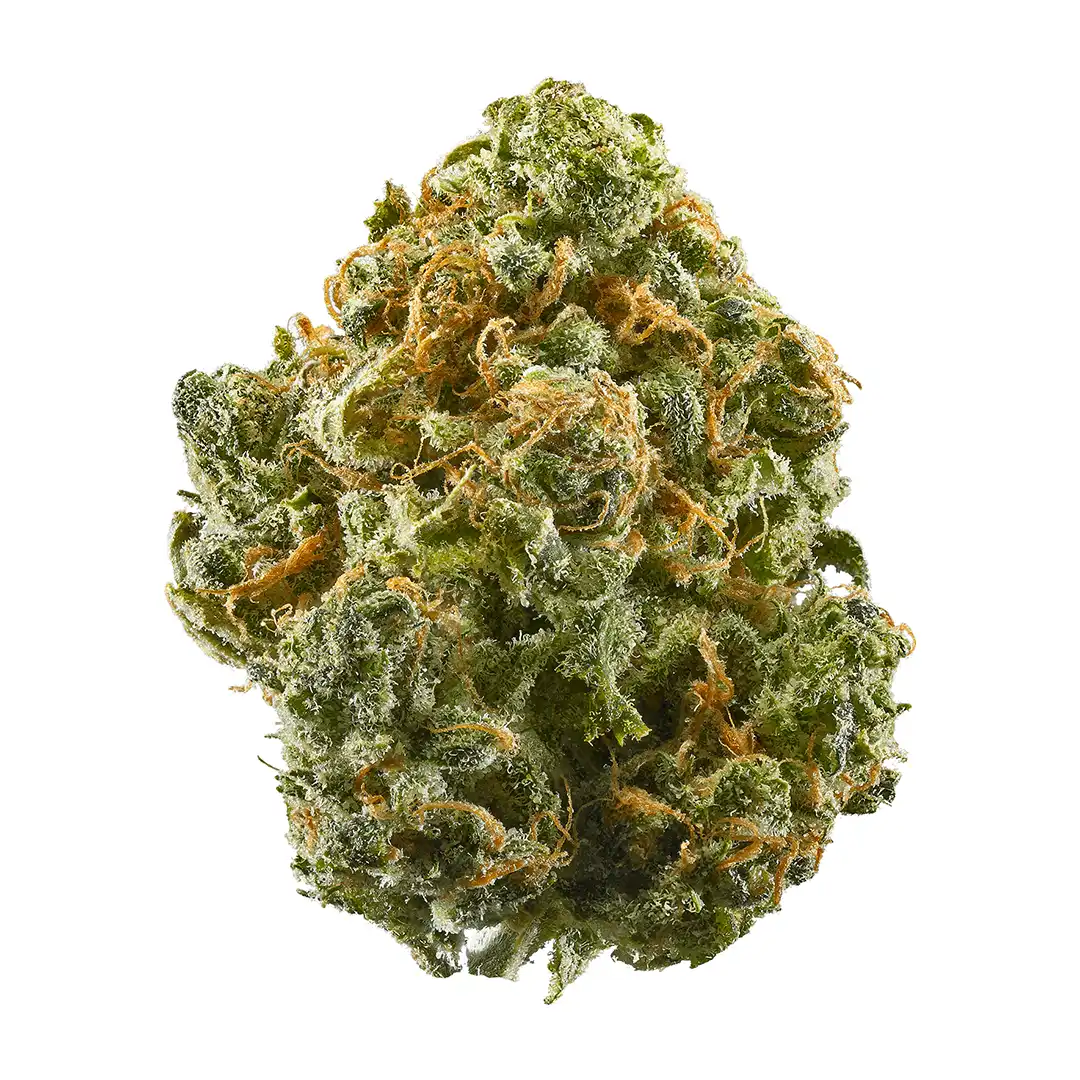
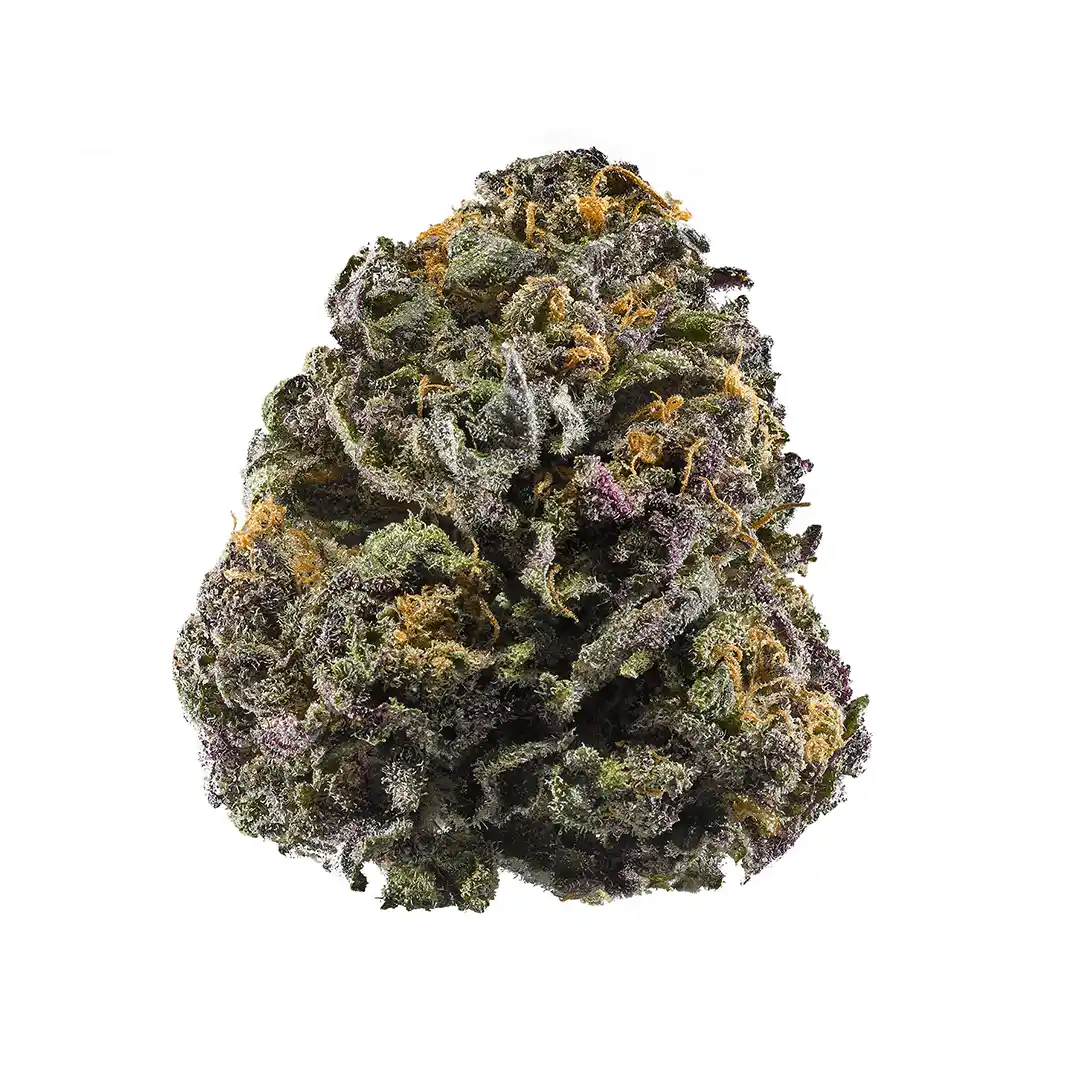
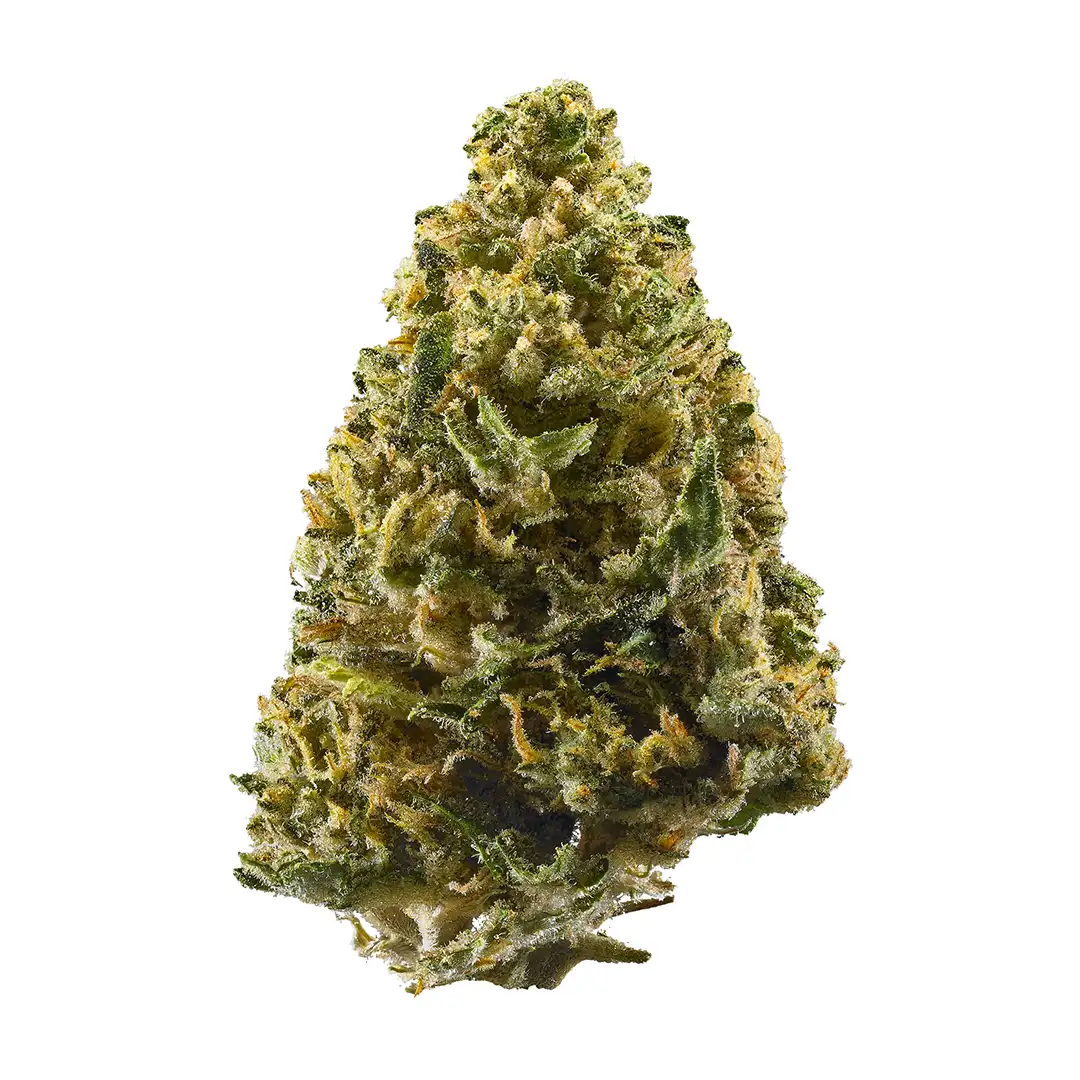
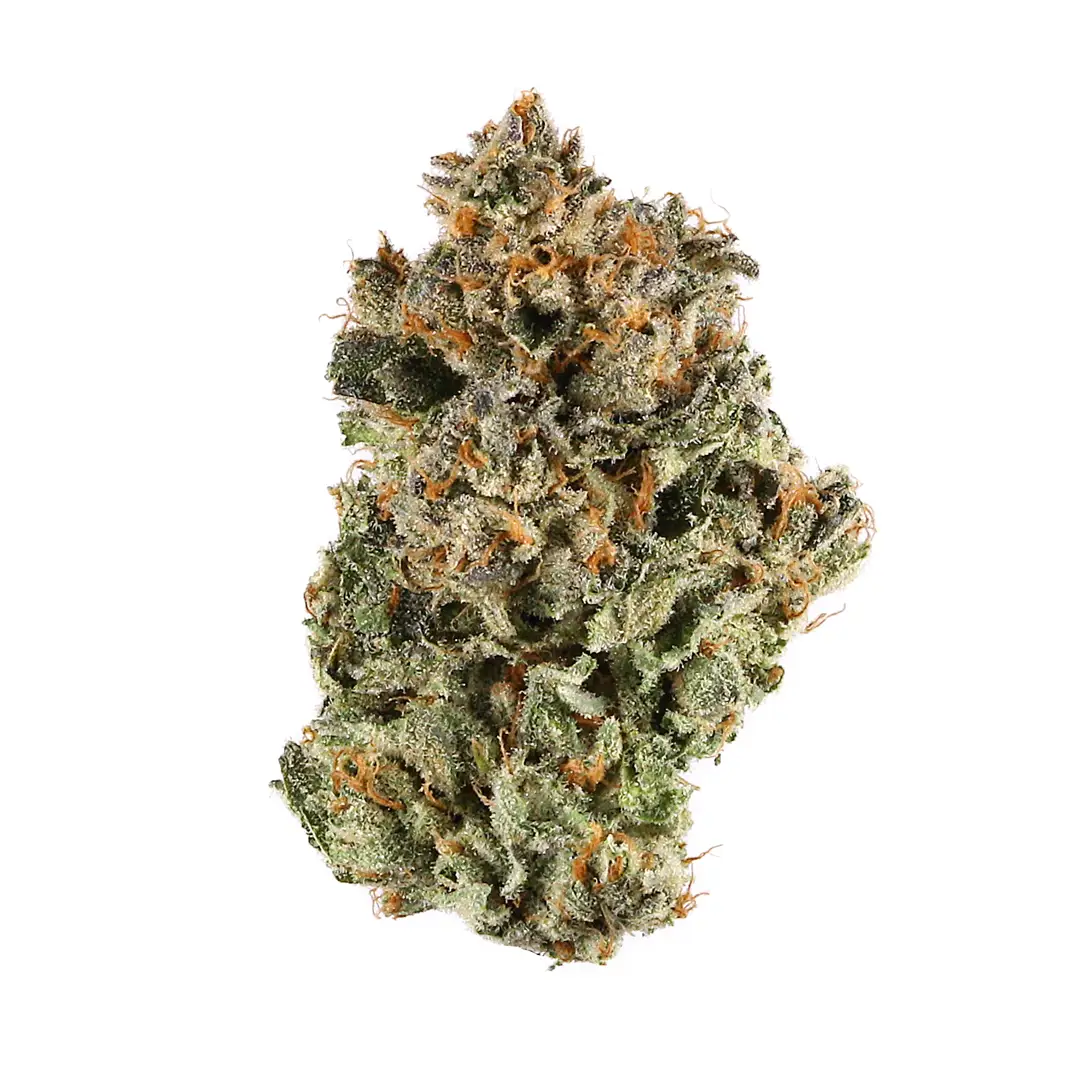
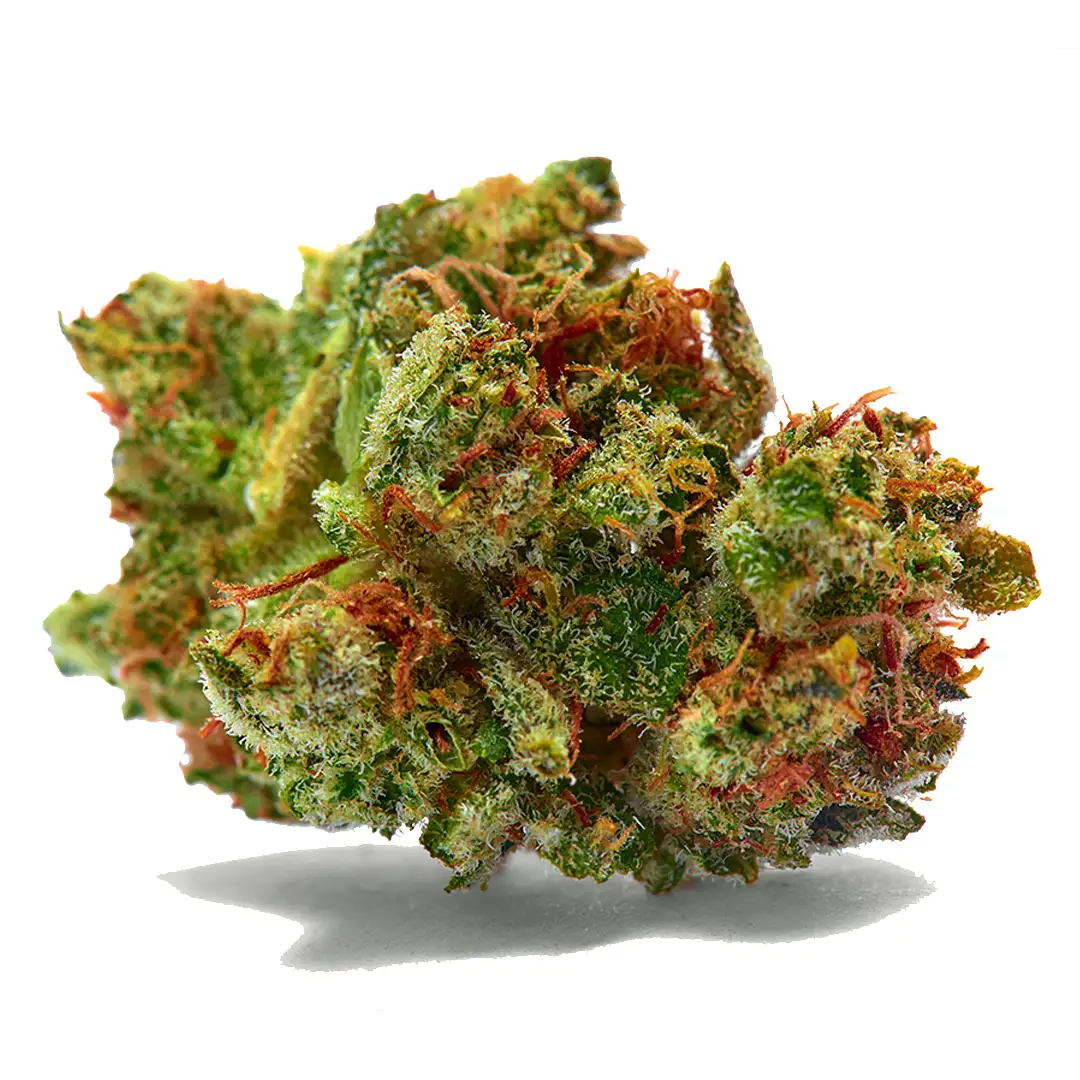
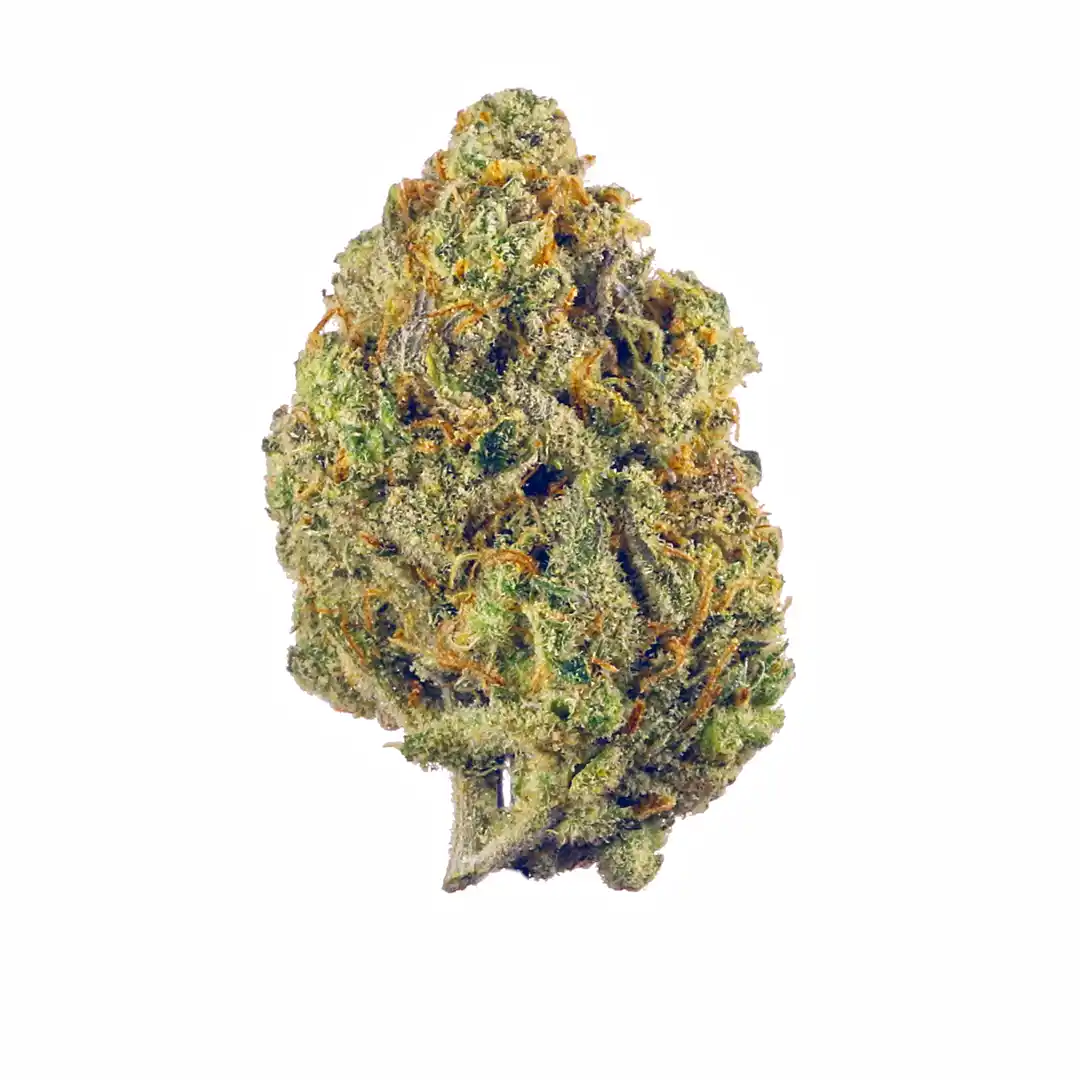
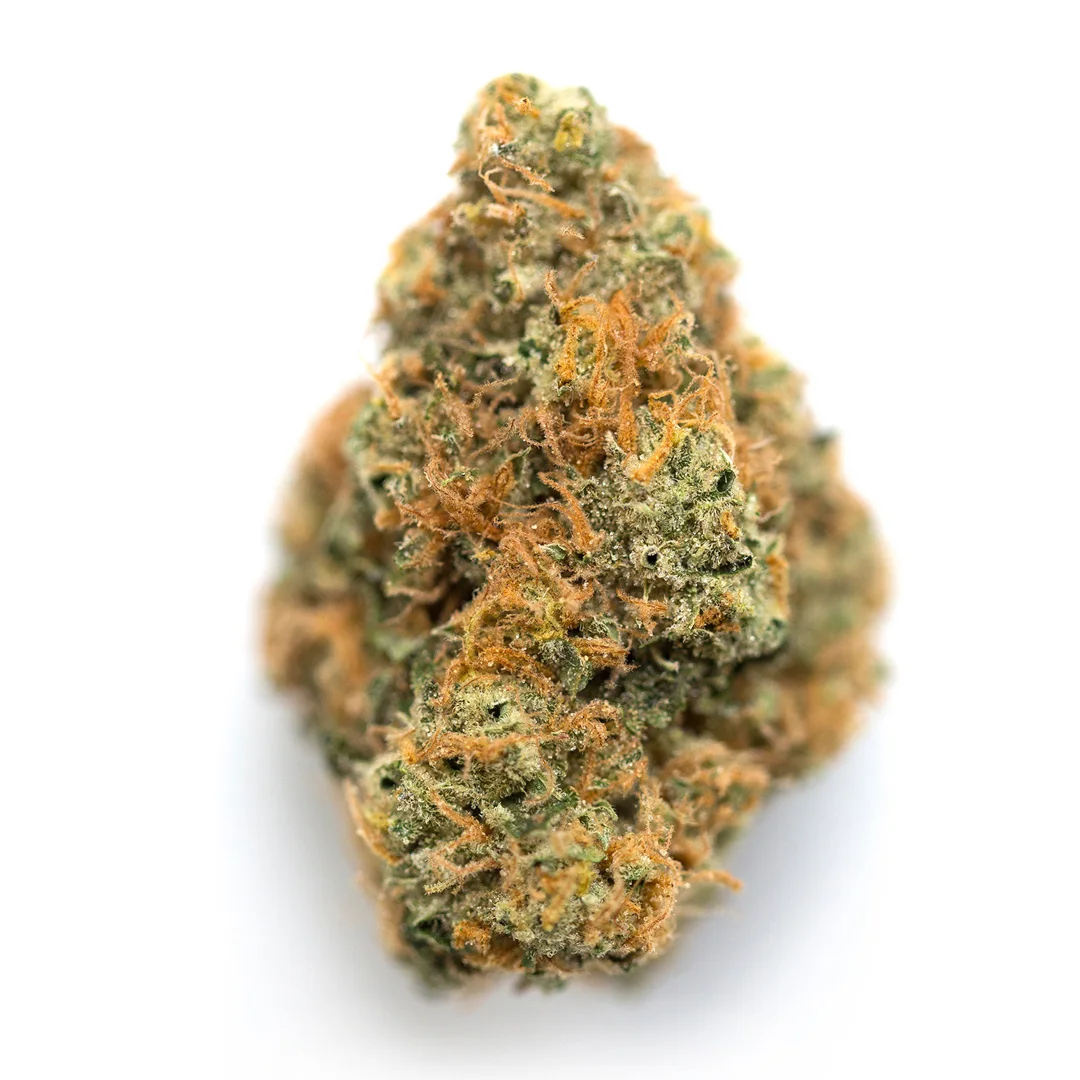
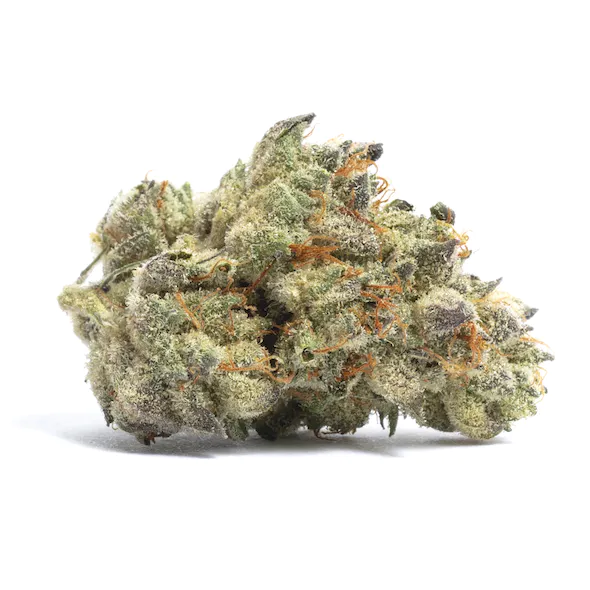
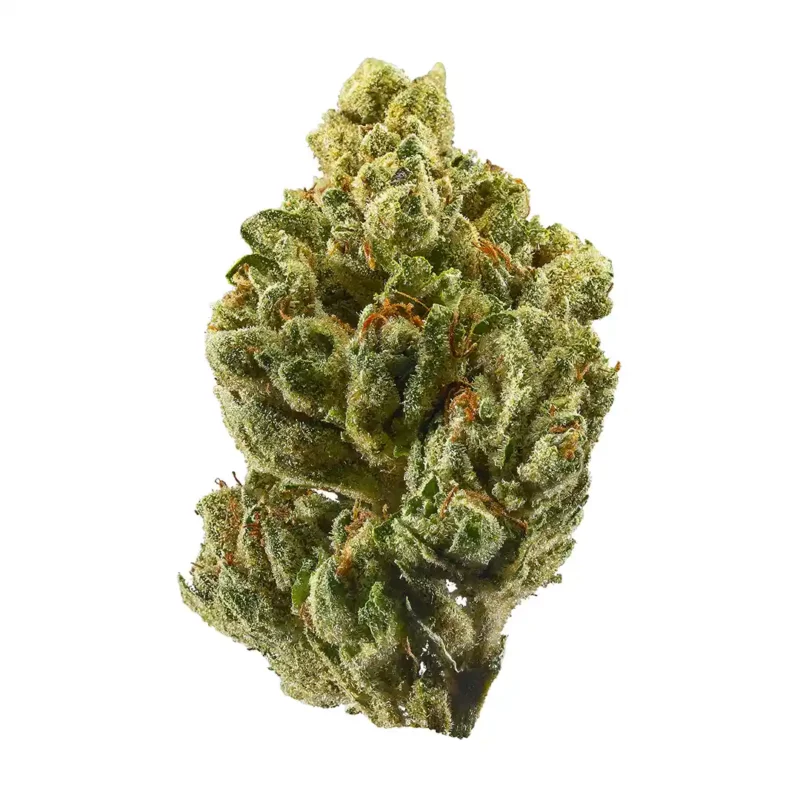
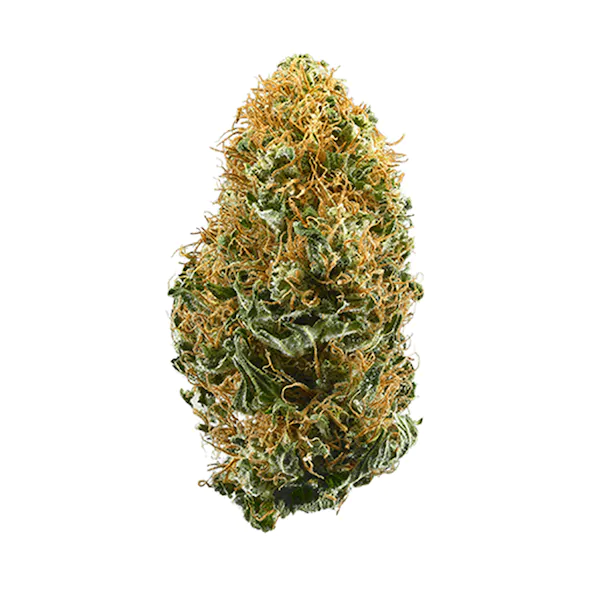
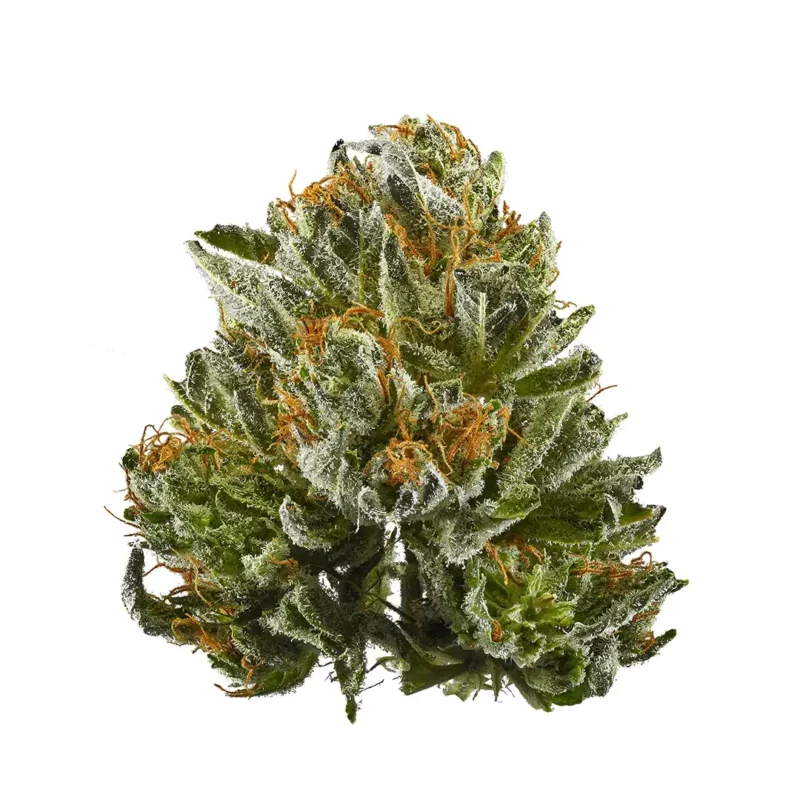
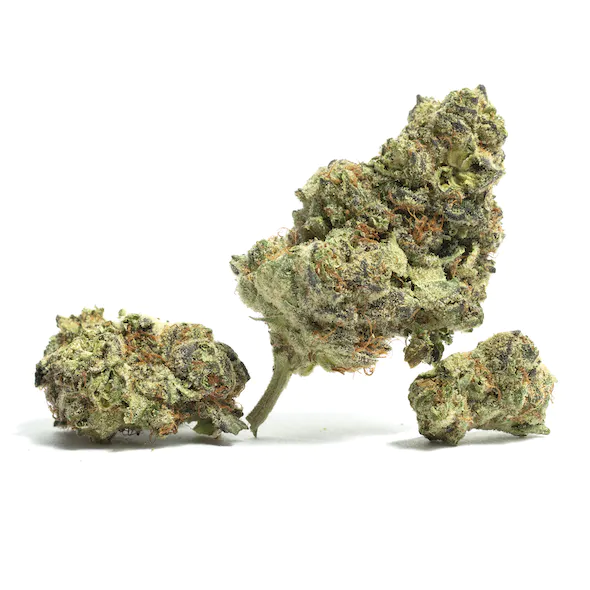
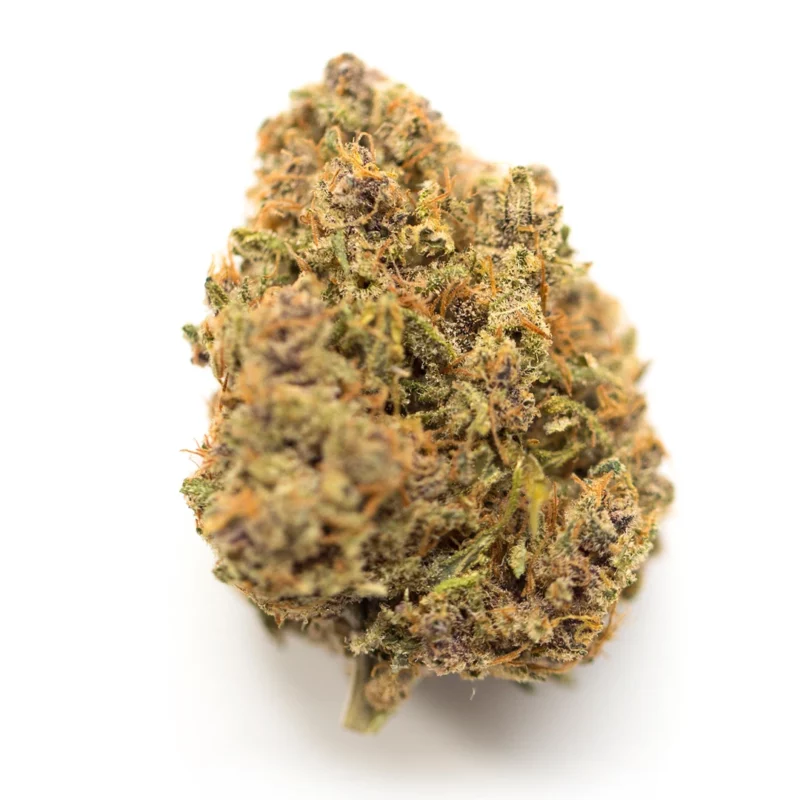
A prime example of this success can be seen in industry-leading botanical and specialty breeders like In House Genetics. Cultivators looking to elevate their crop quality often look to these pioneers for inspiration. By browsing an in house genetics website, farmers can review a comprehensive in house genetics strain list to see how specific traits have been masterfully stabilized. (Plant Genetics)
Many modern facilities kickstart their own breeding projects by acquiring premium in house genetics seeds. Whether you refer to them as inhouse seeds or simply in house seeds, securing top-tier foundation stock is a strategic move. Utilizing this high-quality inhouse genetic material provides a reliable, genetically stable baseline, allowing new breeding programs to hit the ground running without spending years filtering out unstable phenotypes. (Plant Genetics)
The Role of Indoor and Vertical Farming (Plant Genetics)
The impact of genetic customization isn’t limited to traditional outdoor fields. In the realm of controlled environment agriculture (CEA), bespoke genetics are an absolute necessity.
Vertical farming genetic optimization involves breeding plants specifically for indoor structures. These plants must thrive under artificial LED lighting, require minimal root space, and grow with a compact physical structure so they don’t tangle in tiered racking systems. Furthermore, tailored genetics are crucial for achieving accelerated growth cycles in indoor agriculture. By breeding plants that mature rapidly, indoor farmers can squeeze multiple additional harvests into a single calendar year, dramatically increasing their annual revenue.
Actionable Tips for Implementing a Private Genetic Research Program (Plant Genetics)
Transitioning from a seed buyer to a seed creator is a significant undertaking, but it is highly rewarding. If you are considering implementing a private genetic research program on your farm, keep these practical steps in mind:
- Define Your Objectives: Are you breeding for drought resistance, pest immunity, or flavor? Establish clear goals before making your first cross.
- Source Premium Foundation Stock: Don’t start from scratch with unstable seeds. Purchase reliable, proven genetics (such as renowned in-house varieties) to serve as your genetic baseline.
- Invest in Analytics: Partner with agricultural testing labs to utilize molecular marker selection. Knowing exactly which traits are present in your seedlings will save you months of growing time.
- Start Small: Dedicate a specific, isolated zone in your greenhouse or field strictly for R&D to prevent accidental cross-pollination with your commercial cash crops.
- Keep Meticulous Records: Genetic mapping is useless without data. Track growth rates, nutrient uptake, and environmental responses daily. (Plant Genetics)
The Future is Sown In-House
The agricultural sector is moving away from the “one-size-fits-all” model. By integrating proprietary plant breeding programs, modern farms are taking control of their supply chains, adapting in real-time to climate variations, and producing higher-quality yields than ever before. Whether leveraging CRISPR technology for pest resistance or optimizing compact cultivars for a vertical farm, the power of bespoke genetics is undeniable. Embracing these advanced scientific methodologies ensures that farming remains sustainable, profitable, and infinitely adaptable for generations to come. (Plant Genetics)


