









Cannabis Kief Explained: What It Is, Potency, and What to Know
Introduction
Cannabis kief is one of the most recognizable byproducts of the cannabis plant, often noted for its fine, powdery texture and concentrated cannabinoid content. As cannabis products continue to diversify, kief remains a widely discussed component due to its potency, versatility as a material, and role in concentrate production.
Rather than focusing on preparation or use, it’s more important to understand what kief is, how it’s characterized, and what factors influence its quality and effects.
What Is Cannabis Kief?
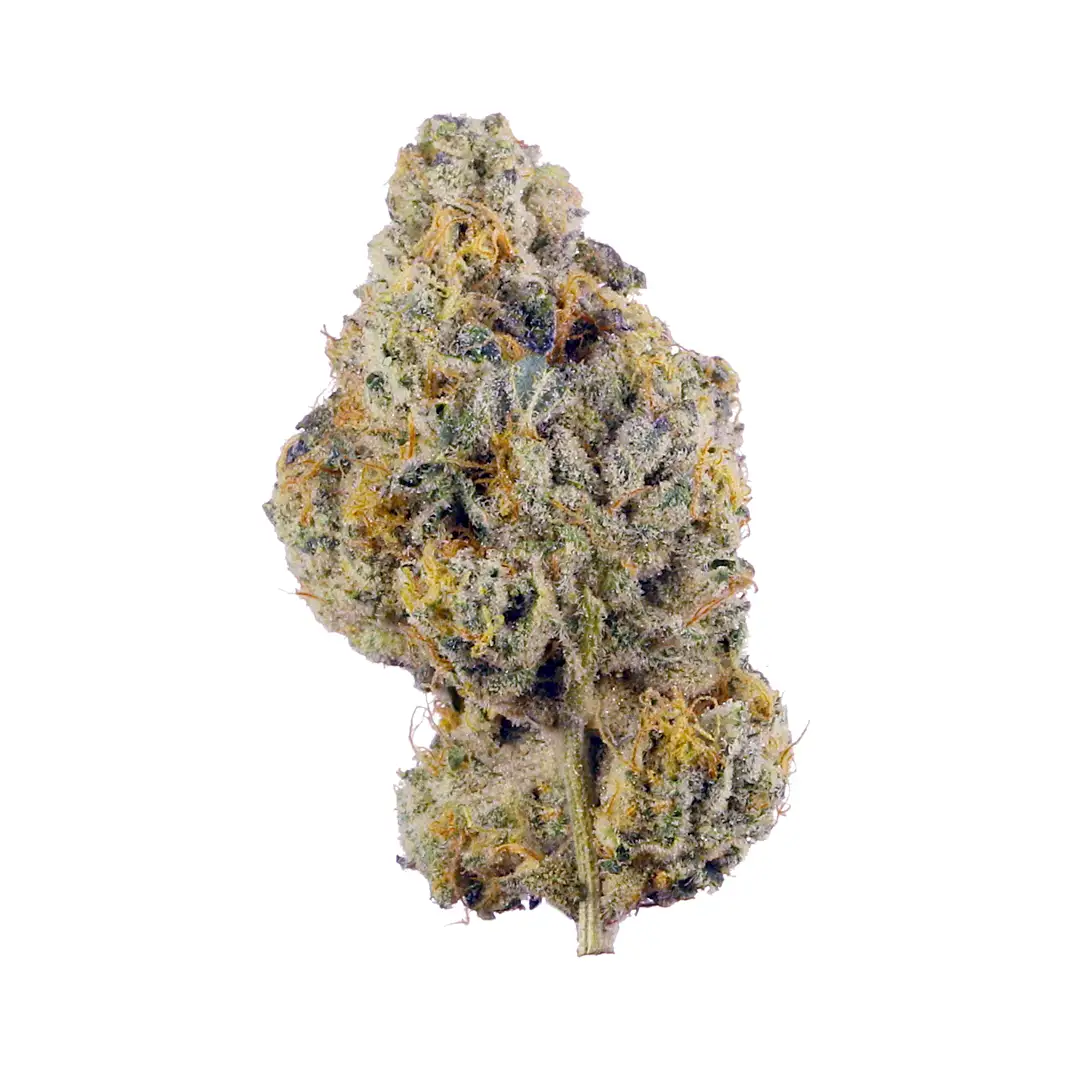
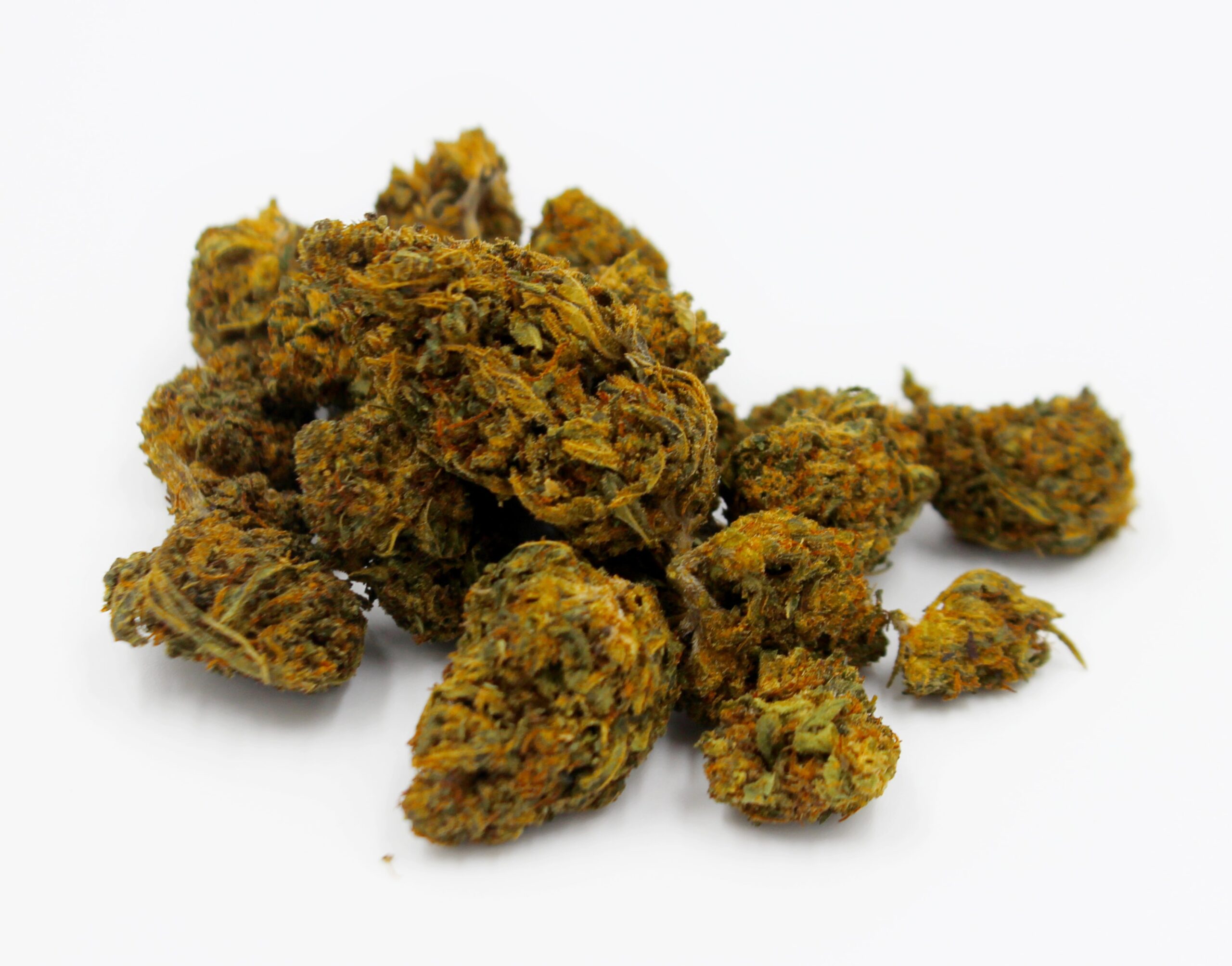
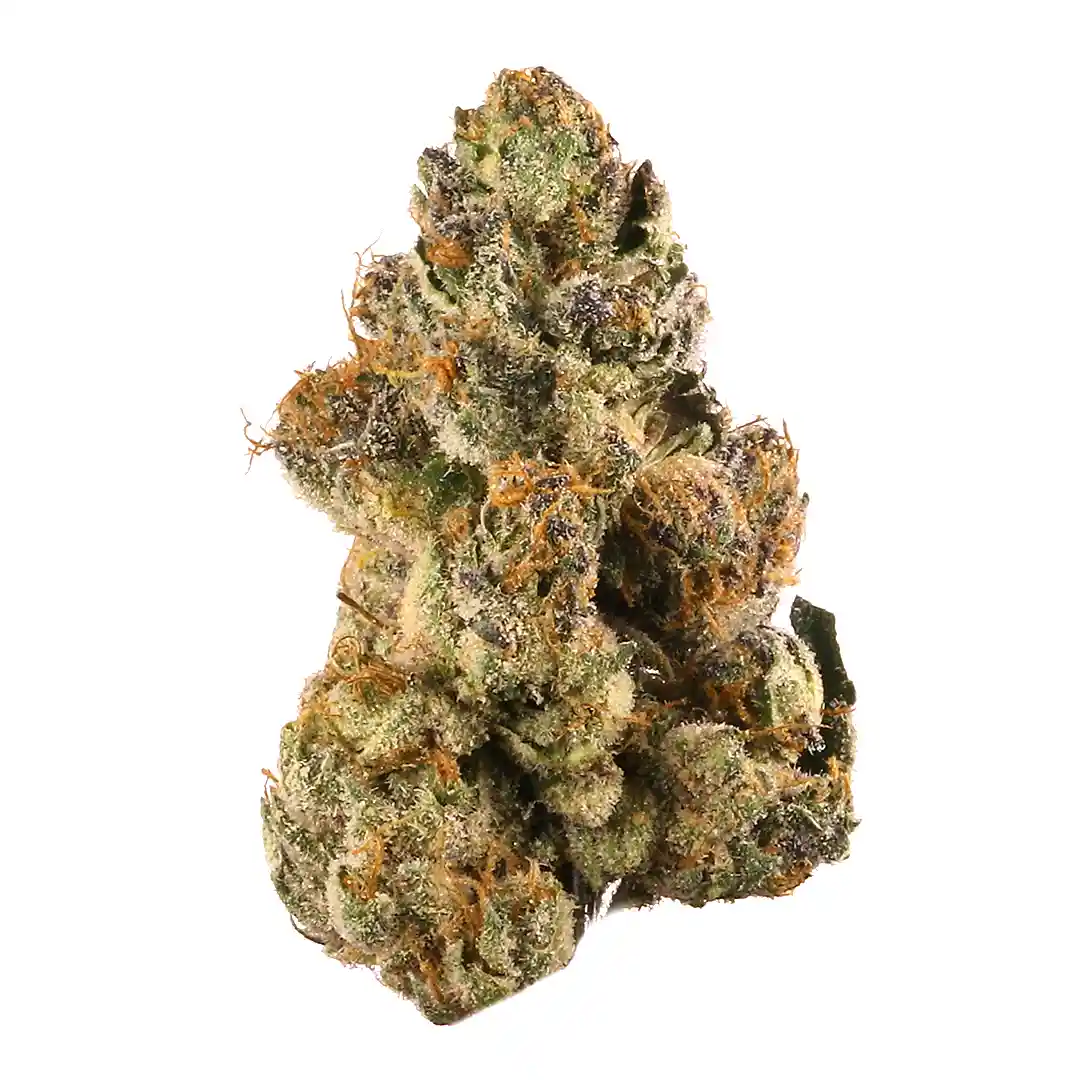
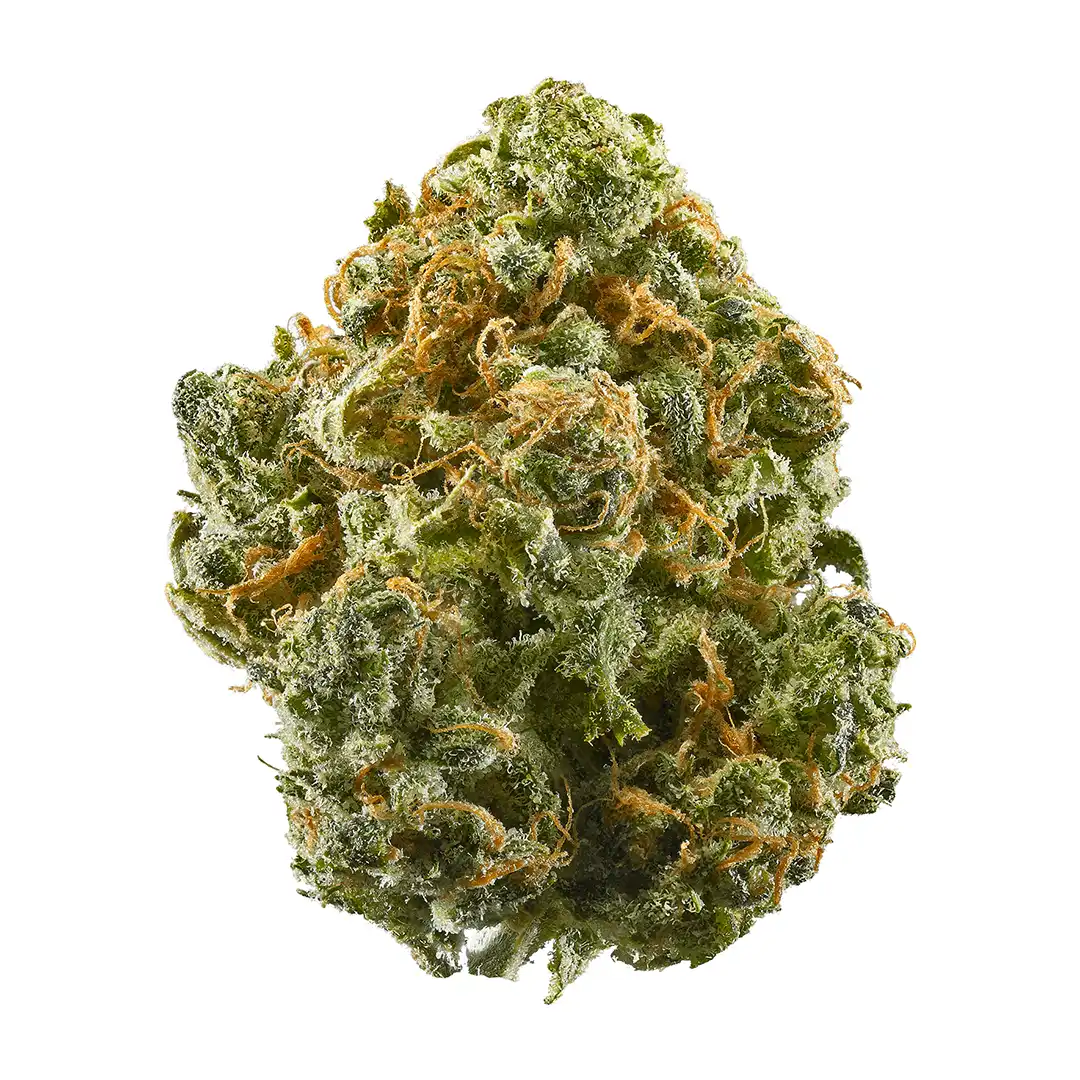
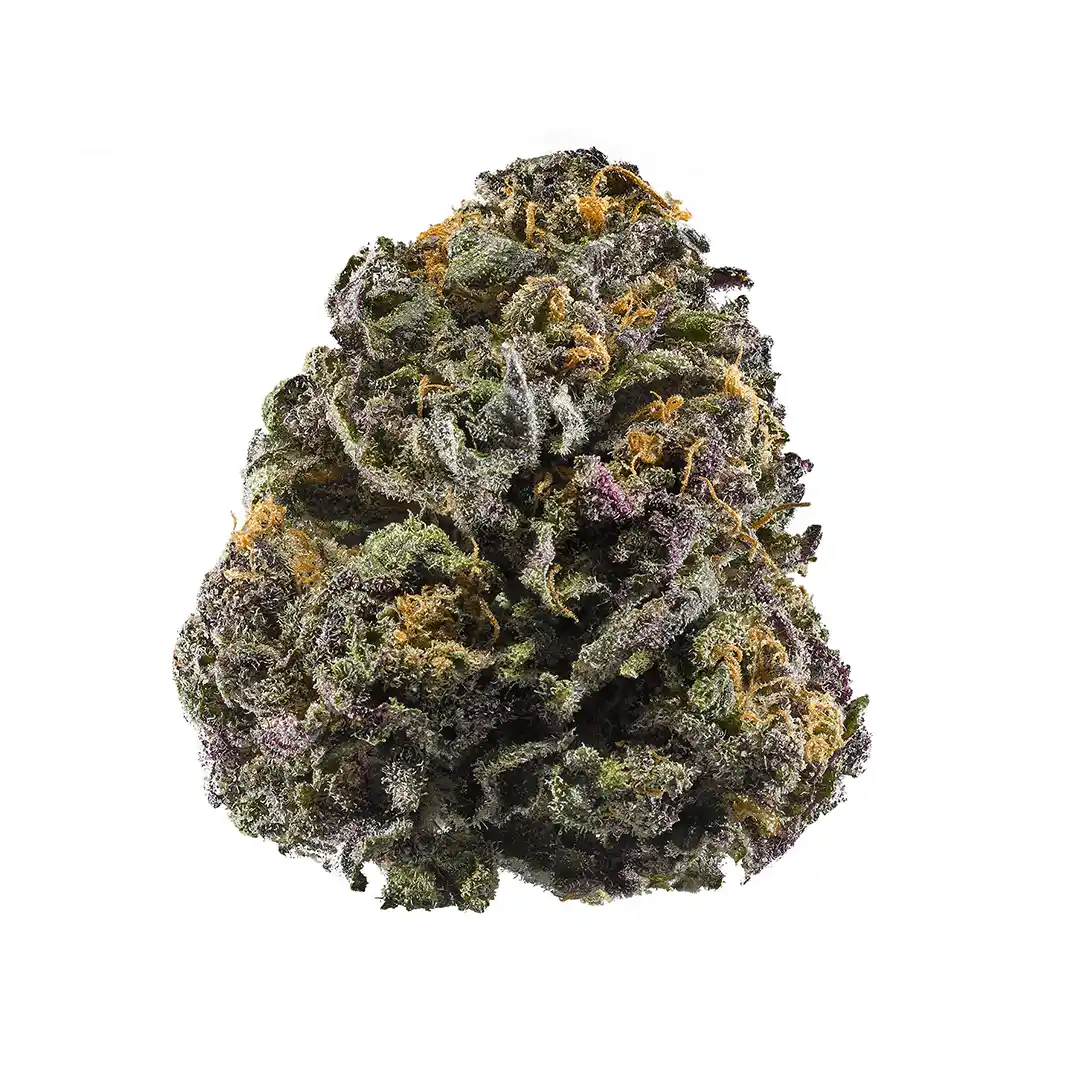
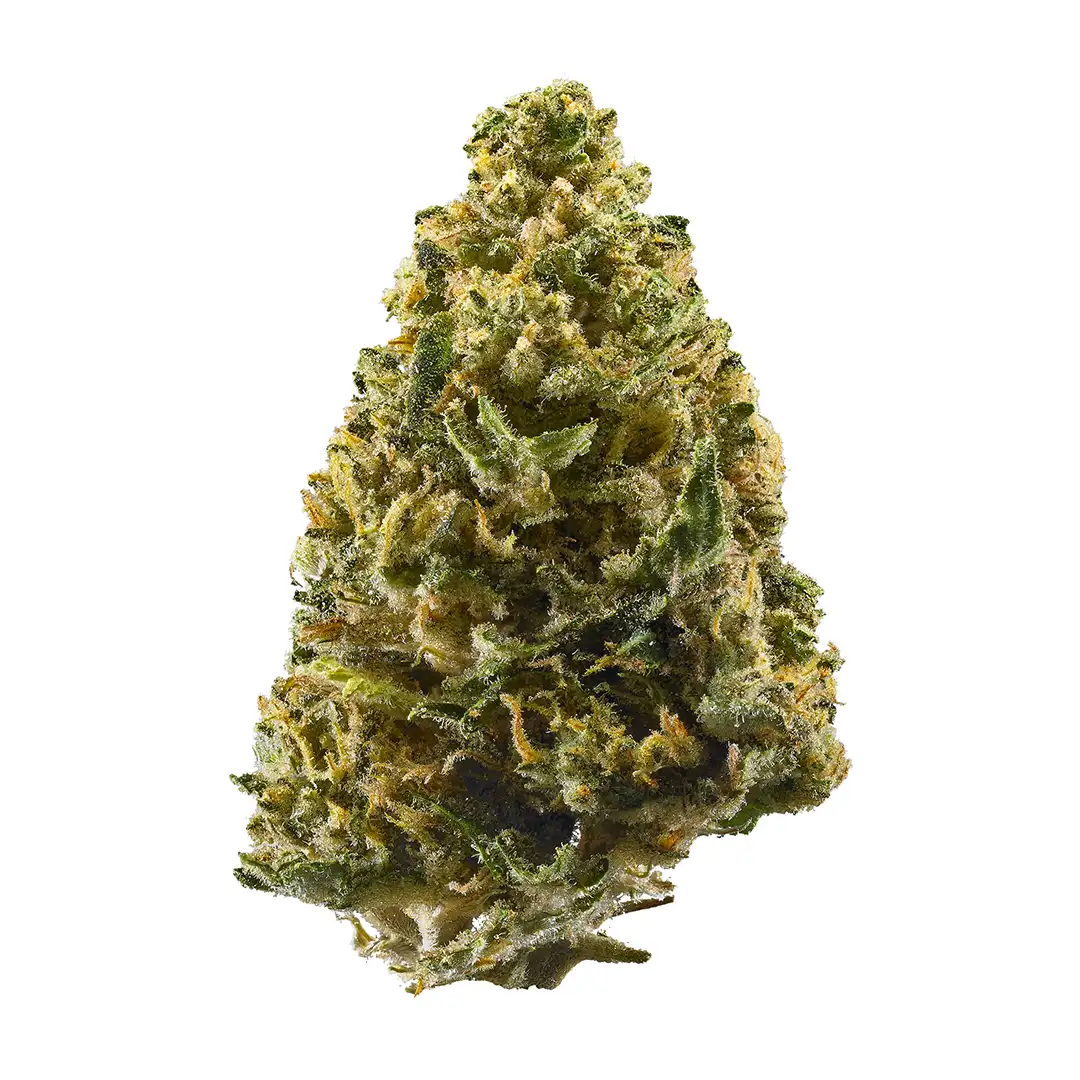
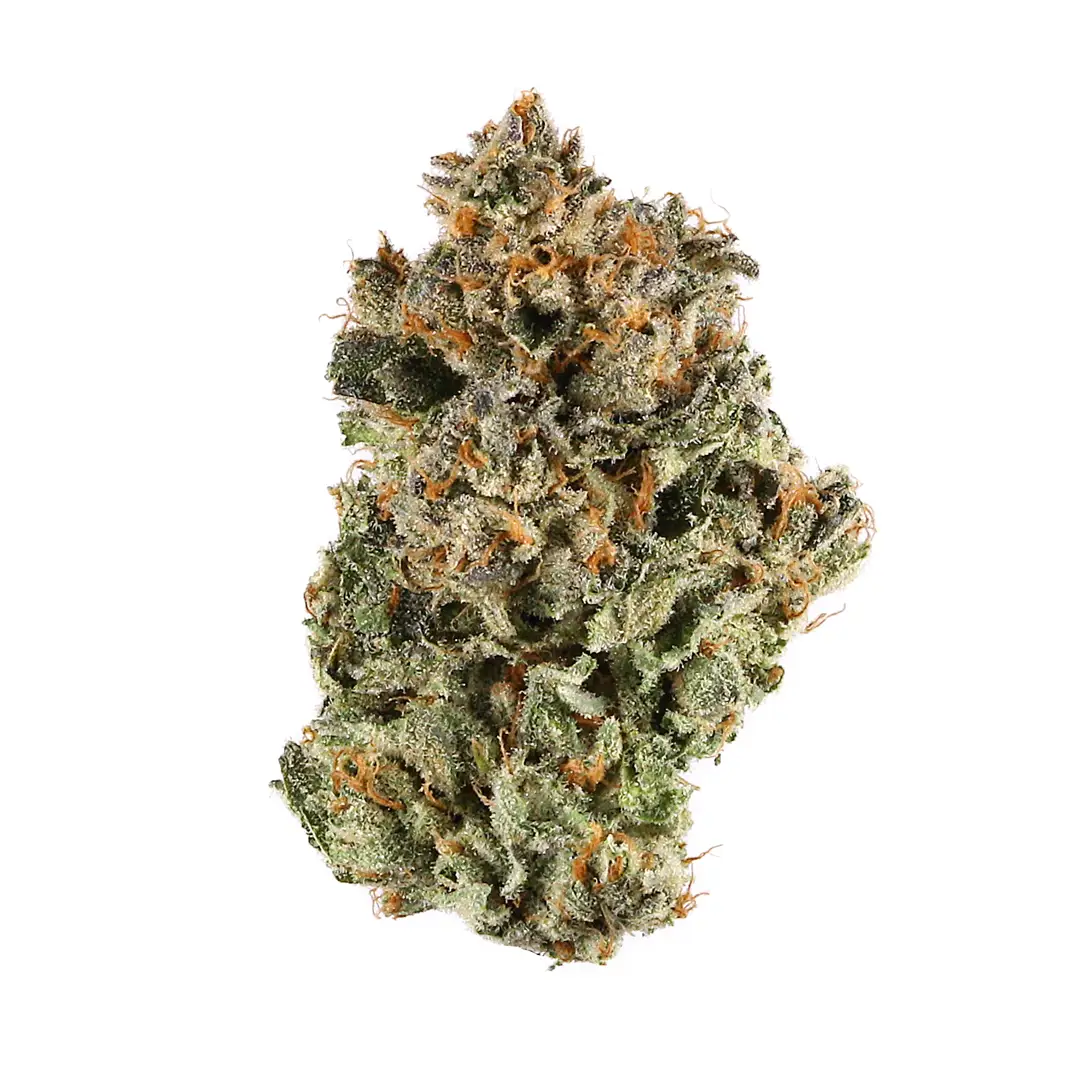
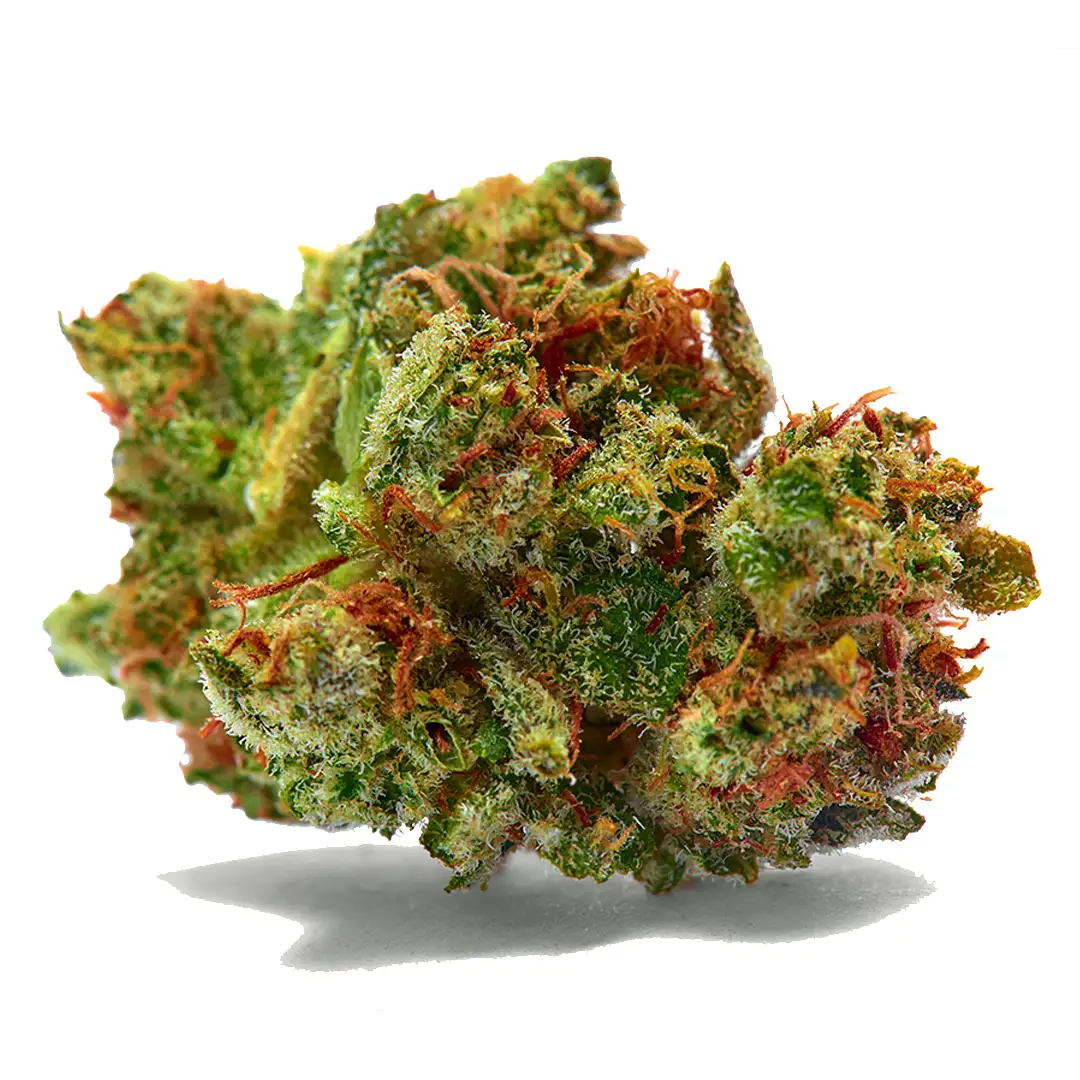
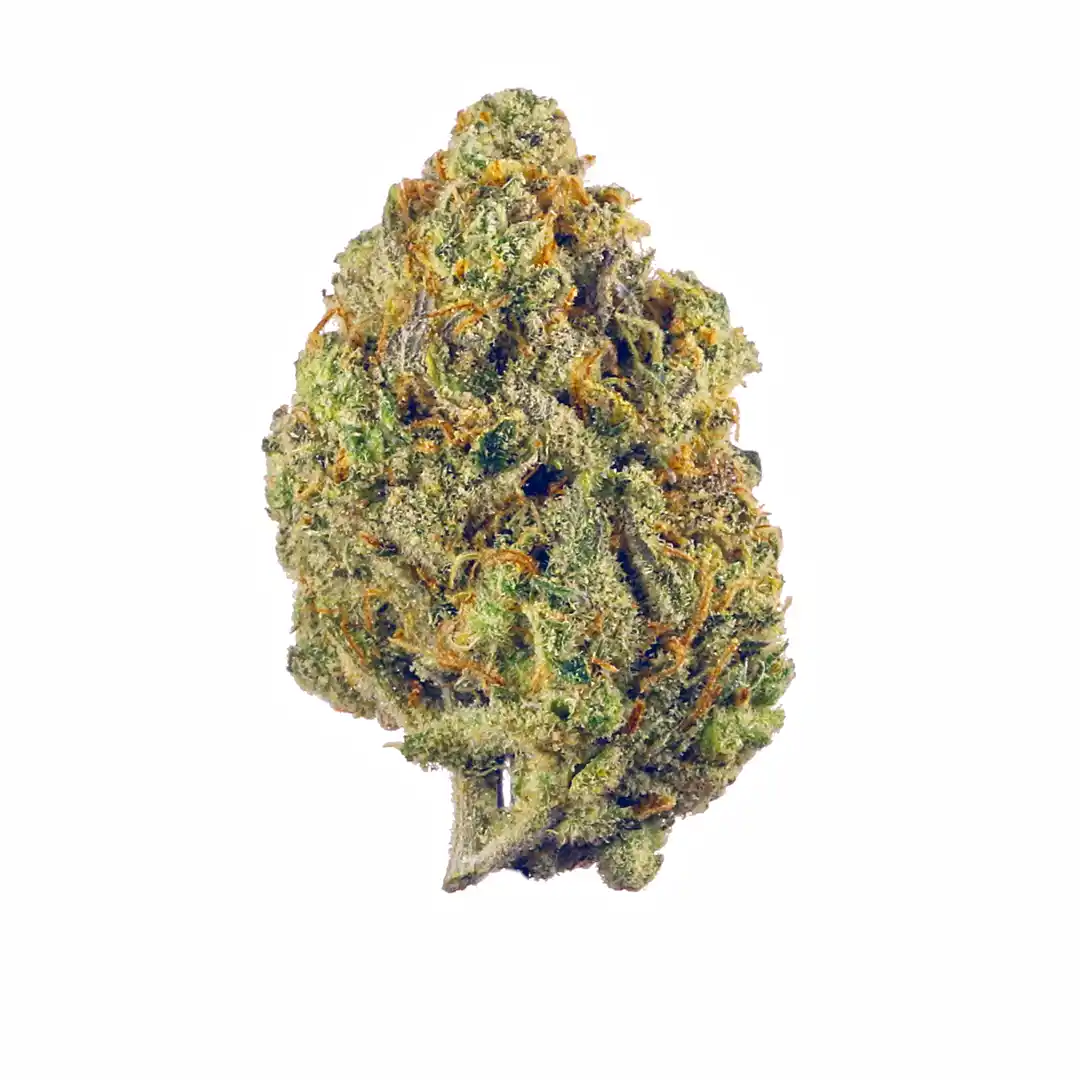
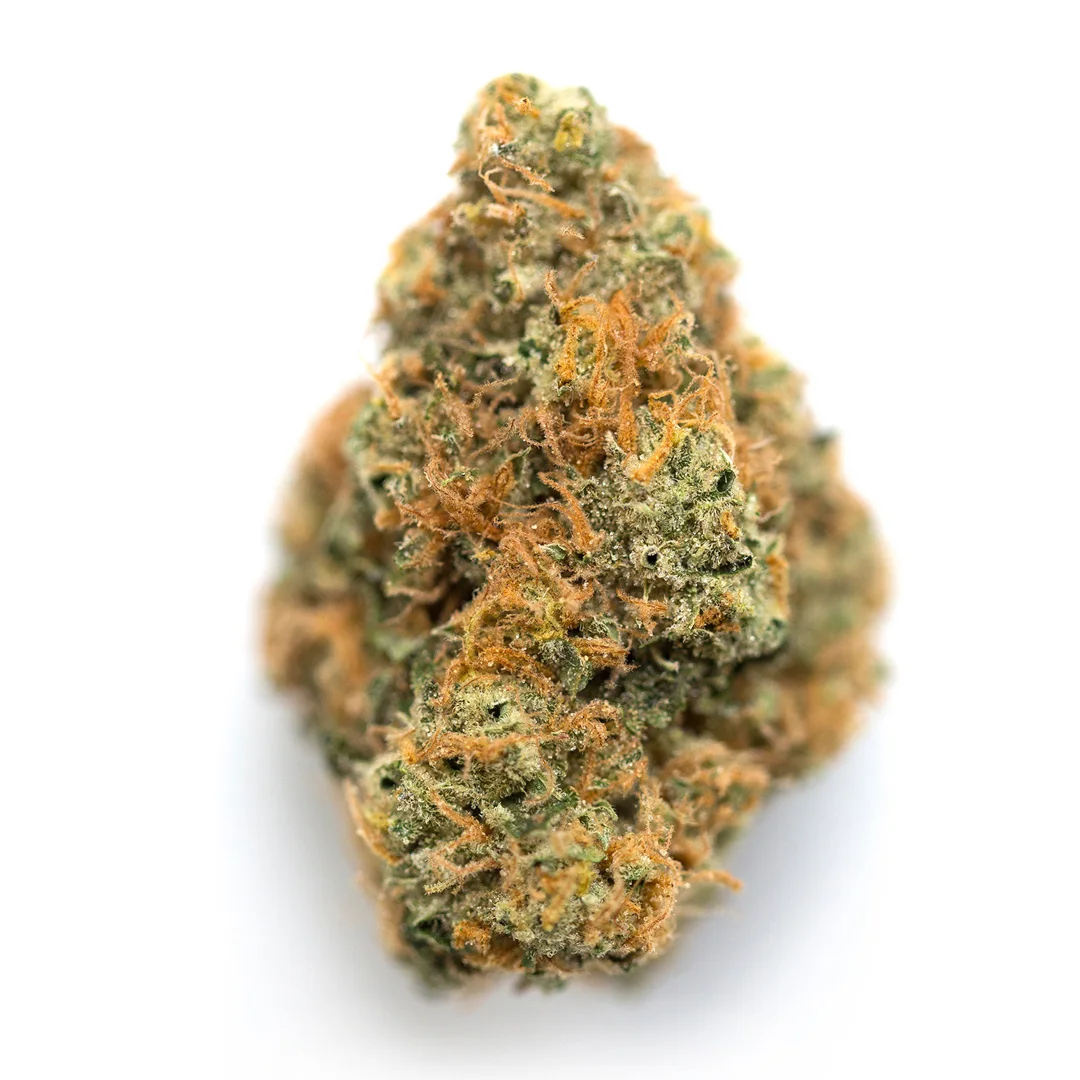
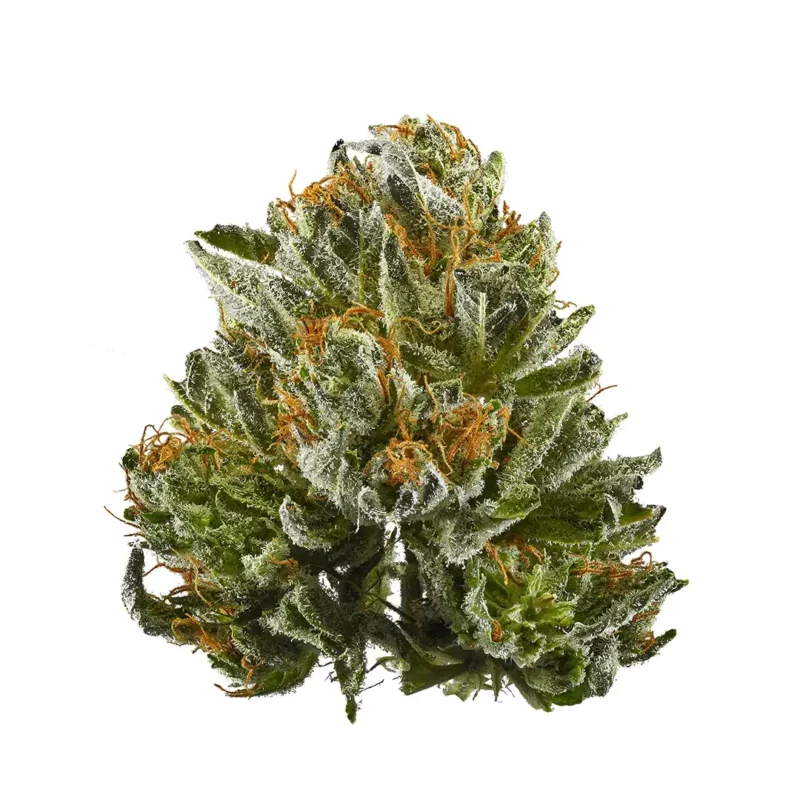
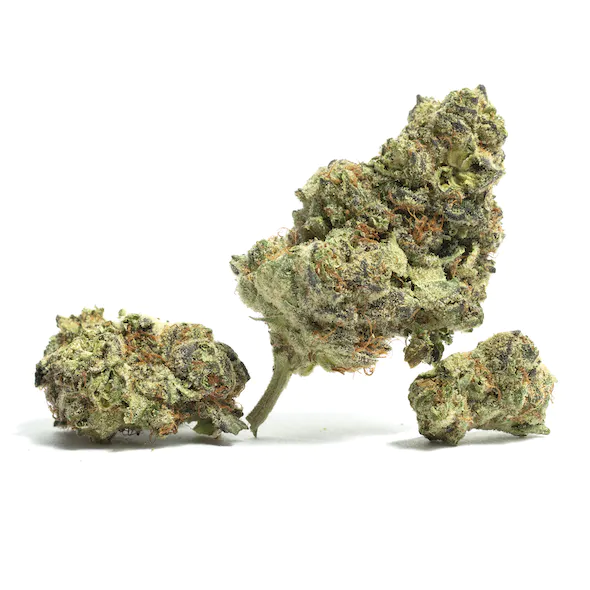
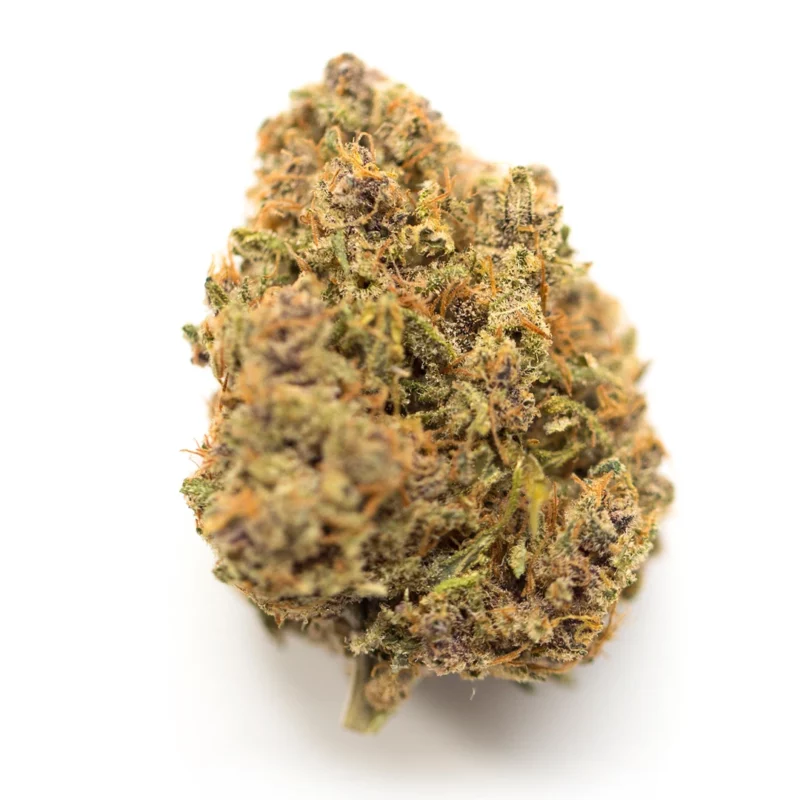
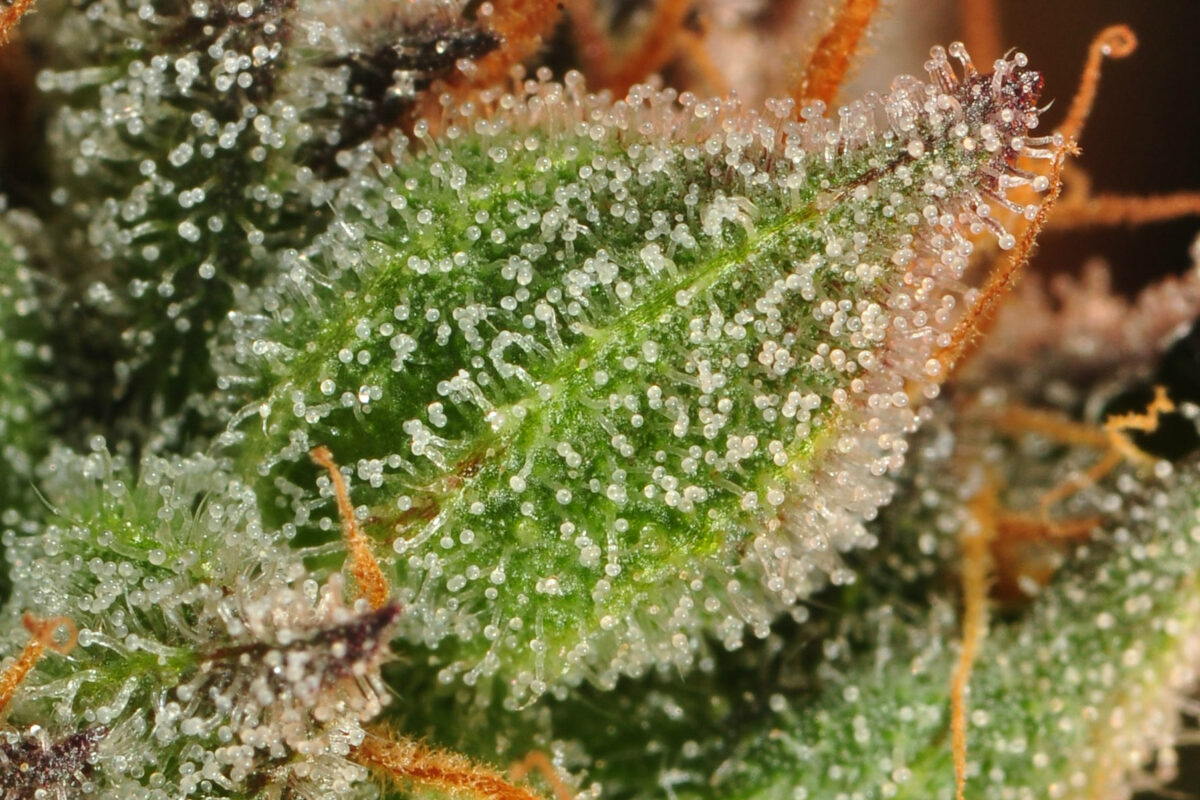
Kief refers to the resin glands (trichomes) that naturally form on the surface of cannabis flower. These microscopic structures are responsible for producing key compounds such as:
- Cannabinoids (e.g., THC and CBD)
- Terpenes (aromatic compounds)
When separated from the plant material, these trichomes form a fine, granular substance that is typically light green to golden in color.
Kief is often discussed as a concentrated form of cannabis, though it differs from other concentrates in that it is minimally processed.
Key Characteristics of Kief
Texture and Appearance
Kief is generally described as:
- Powdery or الرمل-like in consistency
- Light green, tan, or golden in color
- Soft and loosely packed
Its appearance can vary depending on the source material and handling.
Potency
Kief is often more concentrated than standard cannabis flower because it consists primarily of trichomes. While cannabinoid levels can vary, kief is commonly associated with:
- Higher THC concentrations than flower
- Enhanced terpene presence
- Stronger overall profile compared to raw plant material
However, potency depends heavily on source quality, strain genetics, and processing conditions.
Aroma and Flavor Profile
Because kief contains a high concentration of terpenes, it is typically associated with:
- Strong aroma intensity
- Strain-specific scent characteristics
- Rich, concentrated flavor profiles
Environmental exposure (heat, light, air) can affect these qualities over time.
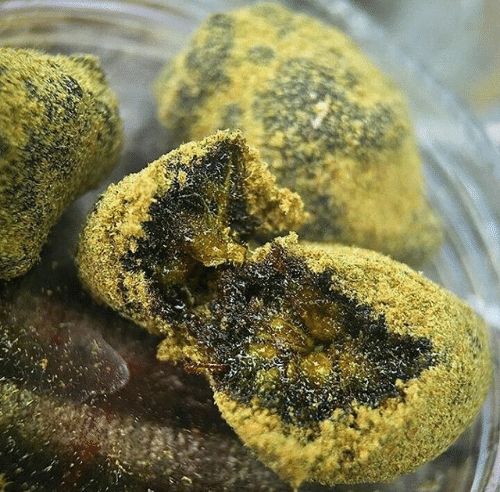
Is Cannabis Kief “Bad”?
Kief itself is not inherently “bad,” but its suitability depends on context, quality, and individual tolerance.
Considerations Include:
- Potency: Higher cannabinoid concentration may not be suitable for all individuals
- Variability: Effects can differ depending on composition and source
- Purity: Quality depends on how cleanly the trichomes were separated
- Storage conditions: Improper storage may degrade cannabinoids and terpenes
As with all cannabis products, responsible and informed decision-making is important.
Factors That Influence Kief Quality
1. Source Material
High-quality cannabis flower with strong trichome production typically yields higher-quality kief.
2. Genetics
Certain cultivars are known for producing more resin, which can influence both quantity and characteristics of kief.
Examples often associated with high trichome production include:
- White Widow
- OG Kush
- Girl Scout Cookies
- Northern Lights
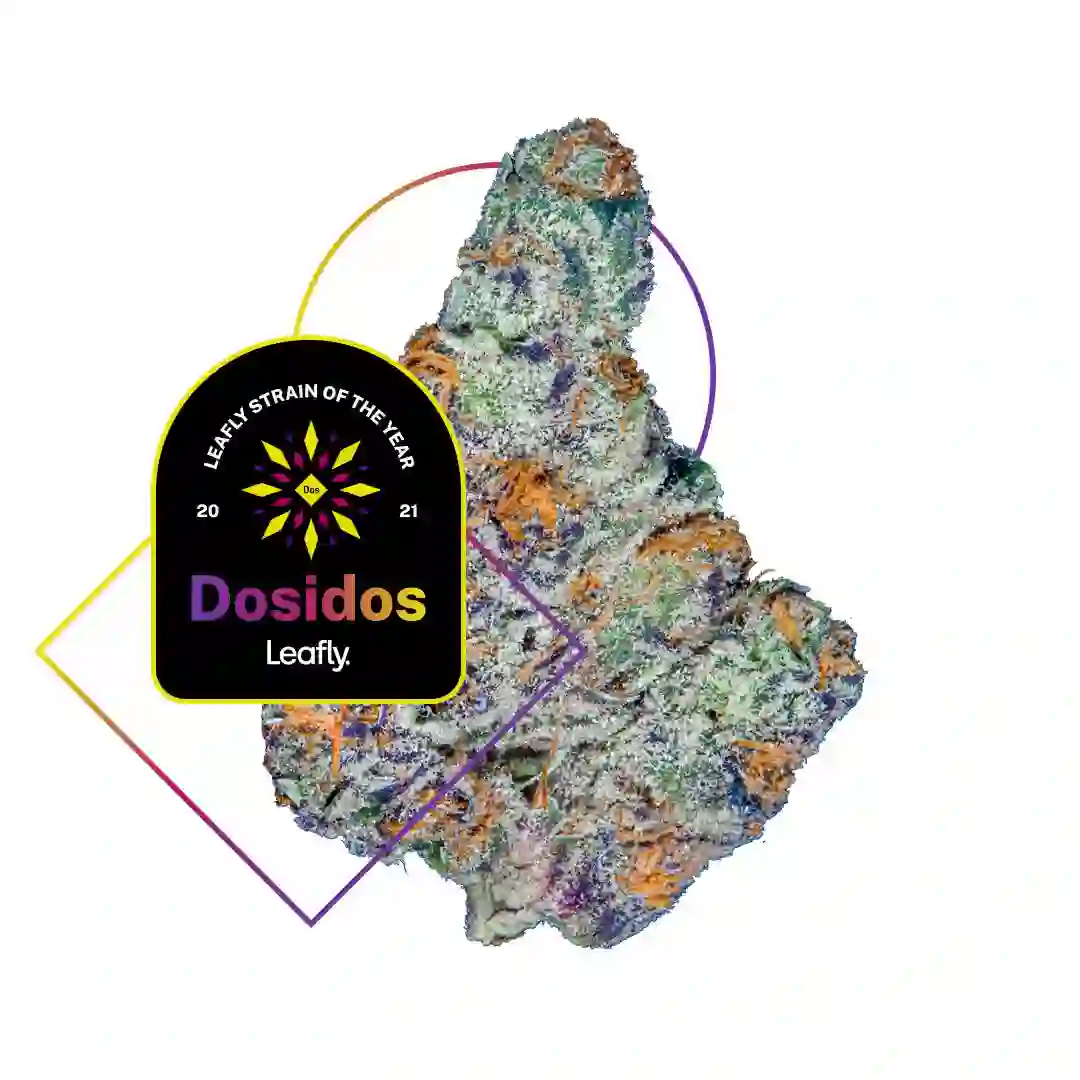
- Granddaddy Purple
These examples are commonly referenced in discussions around resin production, though outcomes vary by cultivation and handling.
3. Handling and Processing
The way trichomes are separated and collected can affect:
- Purity (presence of plant material)
- Texture
- Cannabinoid and terpene retention
4. Storage Conditions
Exposure to heat, light, and oxygen can degrade kief over time, impacting:
- Potency
- Aroma
- Color
Kief in the Broader Cannabis Market
Kief is often discussed as a foundational material within the cannabis industry. It may be:
- Used as a base for other concentrate types
- Incorporated into infused products
- Collected as a standalone product
Its role continues to evolve as the market places more emphasis on solventless and minimally processed cannabis products.
Safety Considerations
Because kief is more concentrated than cannabis flower, general considerations include:
- Increased likelihood of strong effects due to higher potency
- Variability in individual tolerance
- Potential for overconsumption
- Impairment of coordination and judgment
Individuals with health conditions or those taking medications should consult a qualified professional before engaging with cannabis products.
Legal Considerations
Cannabis and cannabis-derived products, including kief, are subject to varying regulations depending on jurisdiction. These may include:
- Age restrictions
- Possession limits
- Product classification rules
- Licensing requirements for production and distribution
Always verify local and state laws, as regulations are subject to change.
Final Thoughts
Cannabis kief is a naturally occurring, trichome-rich component of the plant that stands out for its concentration, aroma, and role in product development. Rather than focusing on preparation or enhancement techniques, understanding its characteristics, quality factors, and safety considerations provides a more informed perspective.
As the cannabis industry continues to mature, education and transparency remain key to navigating products like kief responsibly.
Disclaimer
This content is for informational purposes only and does not constitute medical or legal advice. Cannabis laws vary by location and are subject to change. Always consult local regulations and a qualified professional regarding cannabis-related decisions.