












(Cannabis Tea Benefits)
For centuries, people across the globe have steeped therapeutic plants in hot water to extract their healing properties. Among these ancient botanical remedies, cannabis-infused beverages hold a particularly revered place. Whether you are looking for a soothing bedtime ritual, an alternative to smoking, or a potent natural remedy for chronic ailments, this guide explores everything beginners should know about cannabis tea.
In this comprehensive guide, we will dive into the science behind cannabis-infused tea, how cannabinoids interact with the body, the wellness benefits associated with infused beverages, and important safety considerations for first-time users.
What is Cannabis Tea?
Cannabis tea is a warm beverage infused with compounds naturally found in the cannabis plant, particularly cannabinoids such as THC (tetrahydrocannabinol) and CBD (cannabidiol). Unlike traditional herbal teas, cannabis tea involves a slightly more complex process because cannabinoids are not naturally water-soluble.
The active compounds in cannabis are fat-soluble, meaning they bind more effectively to fats than water alone. This distinction plays a major role in how cannabis tea affects the body and how efficiently cannabinoids are absorbed.
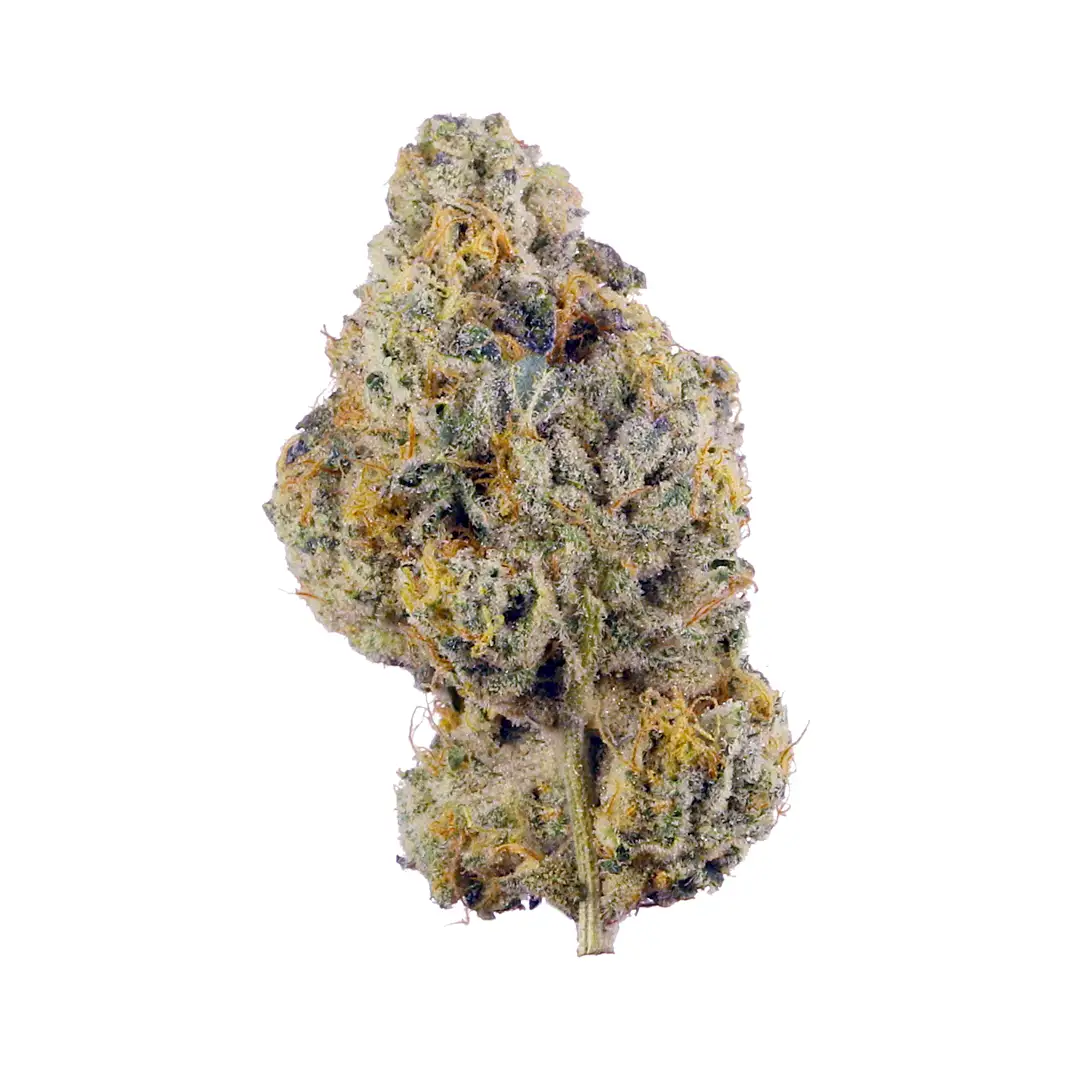
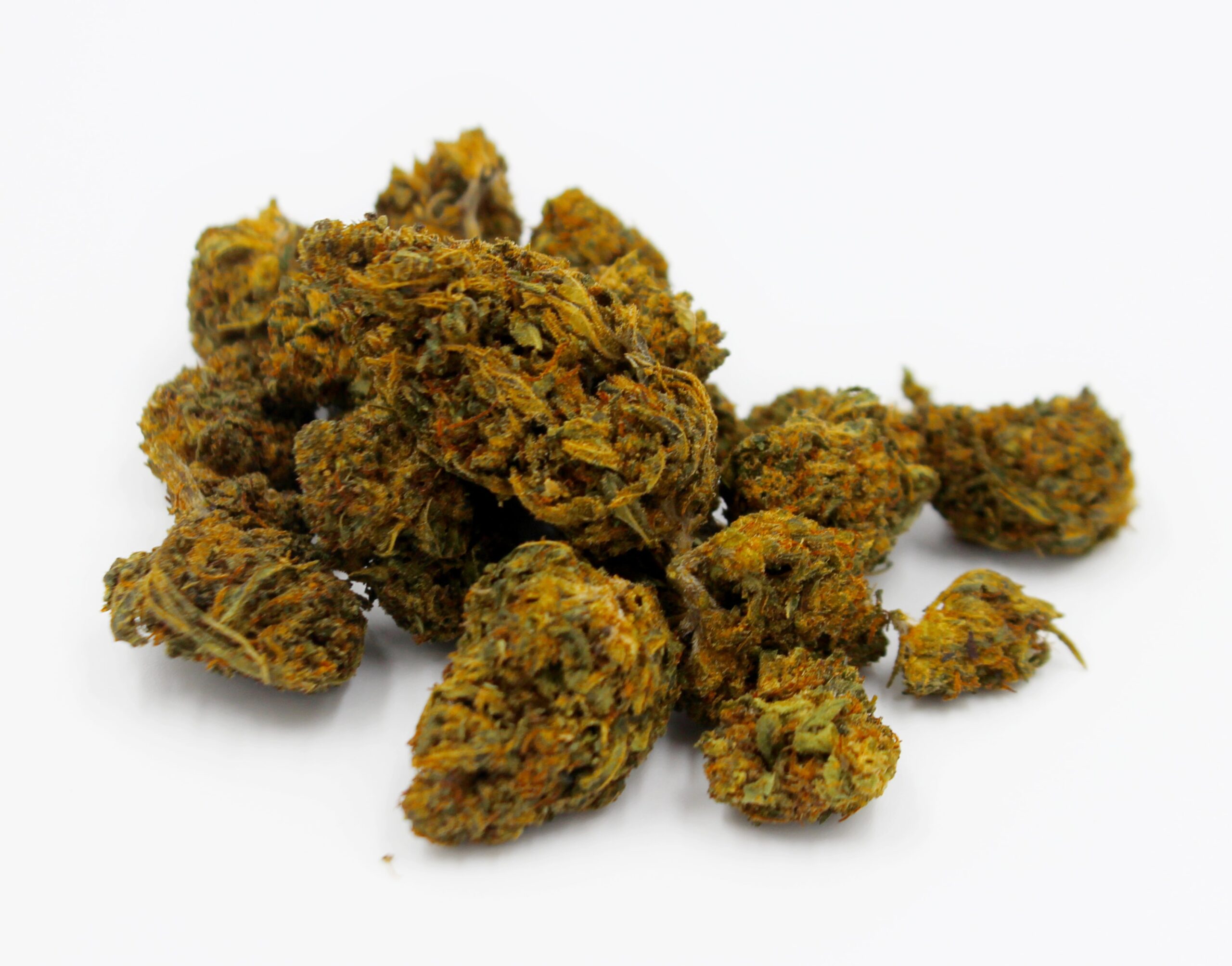
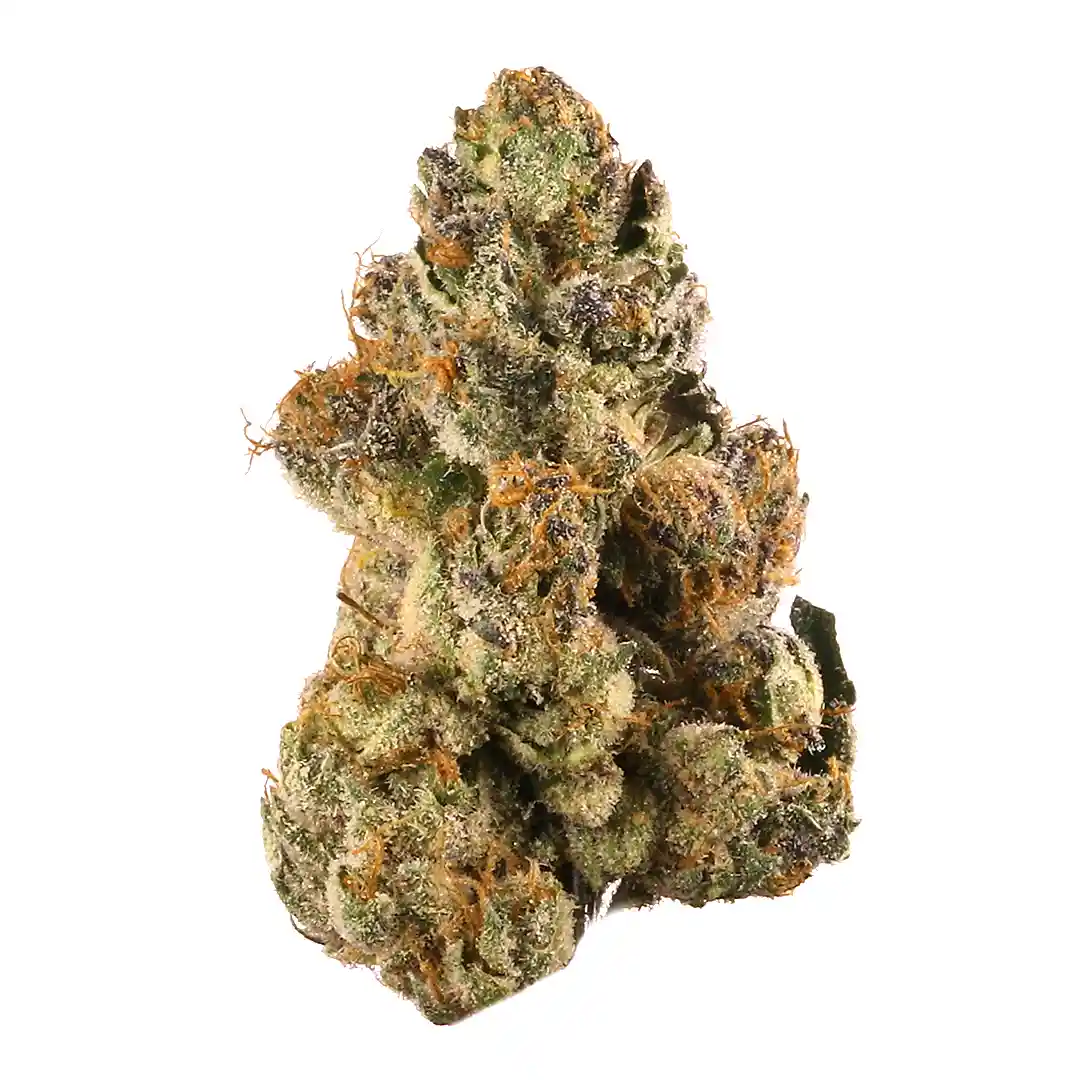
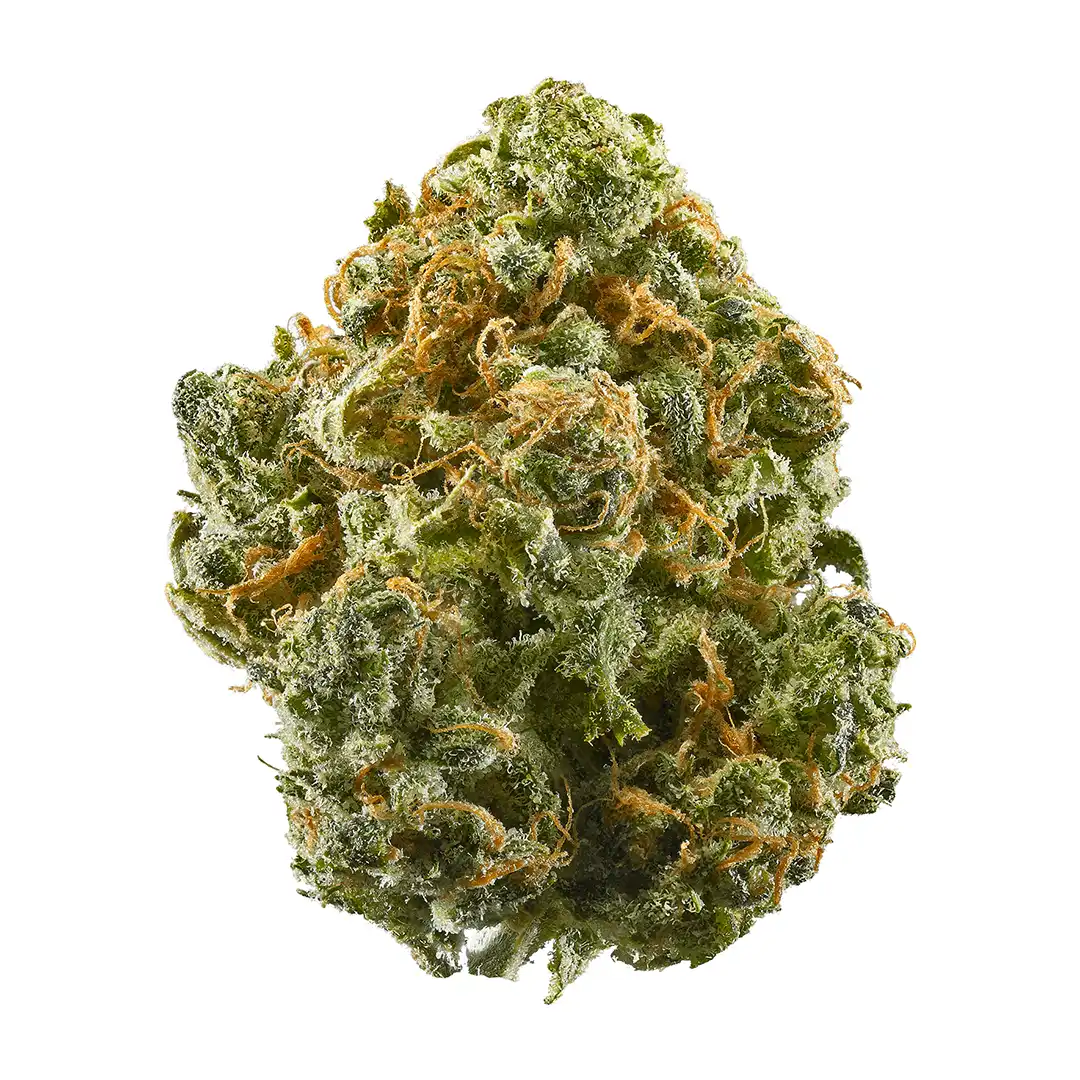
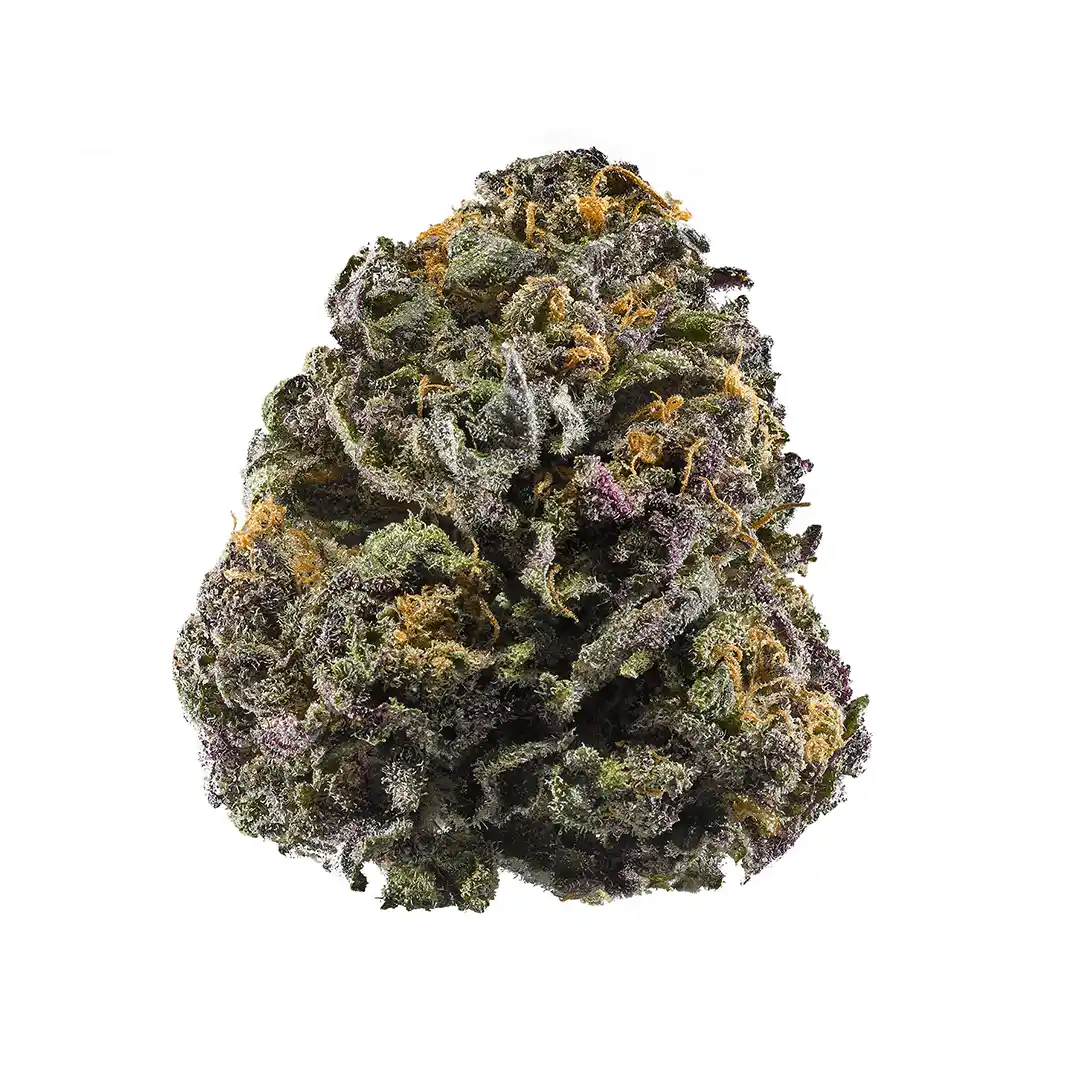
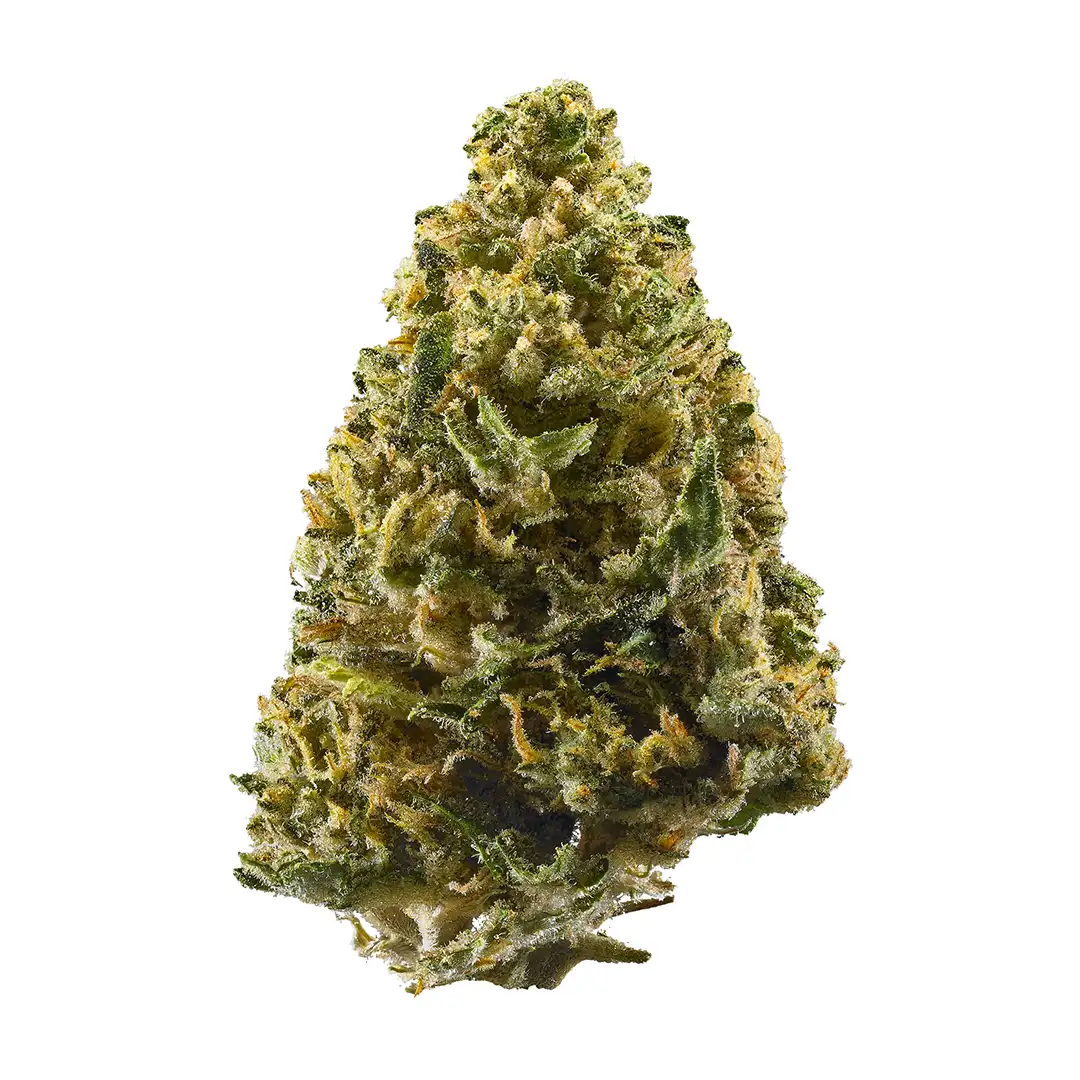
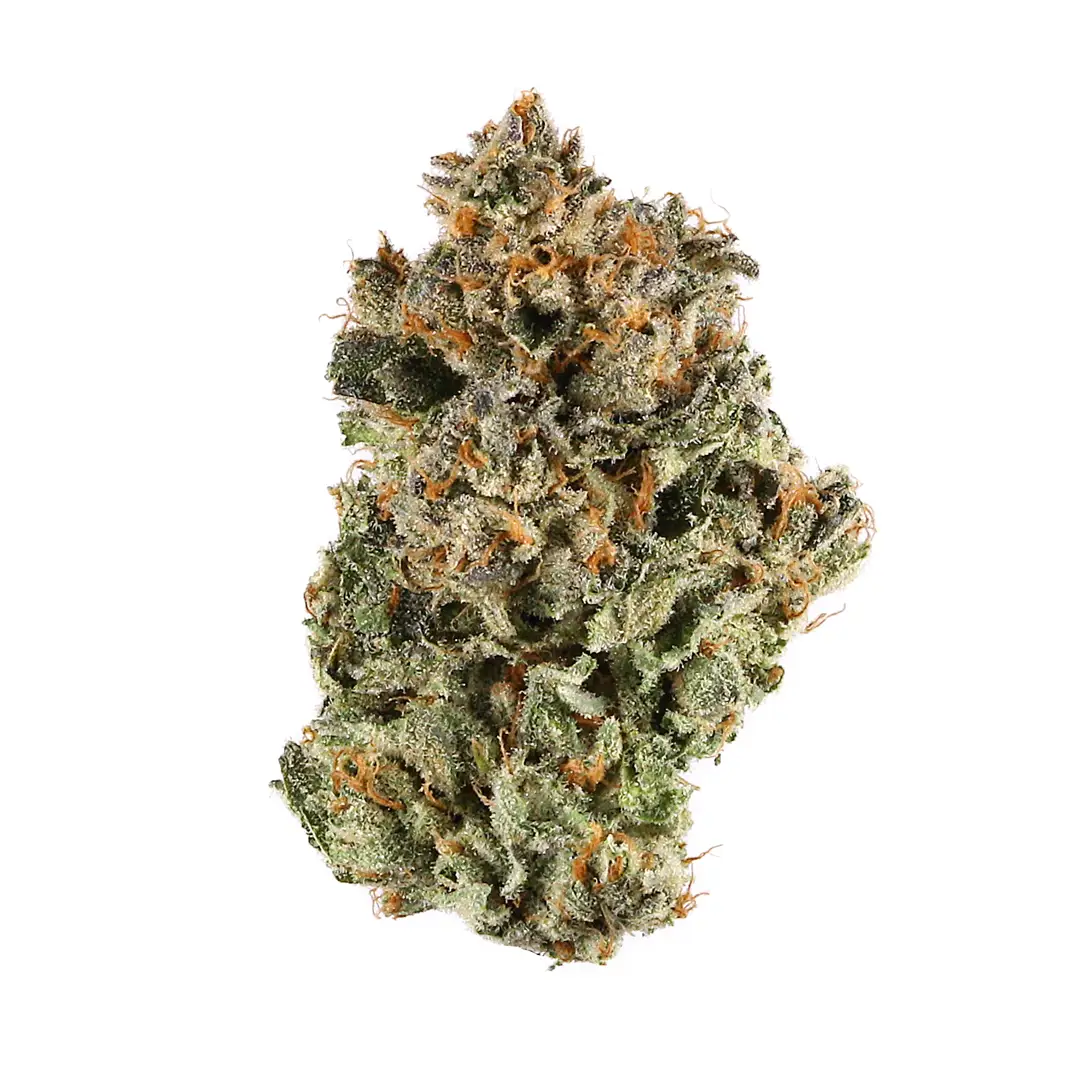
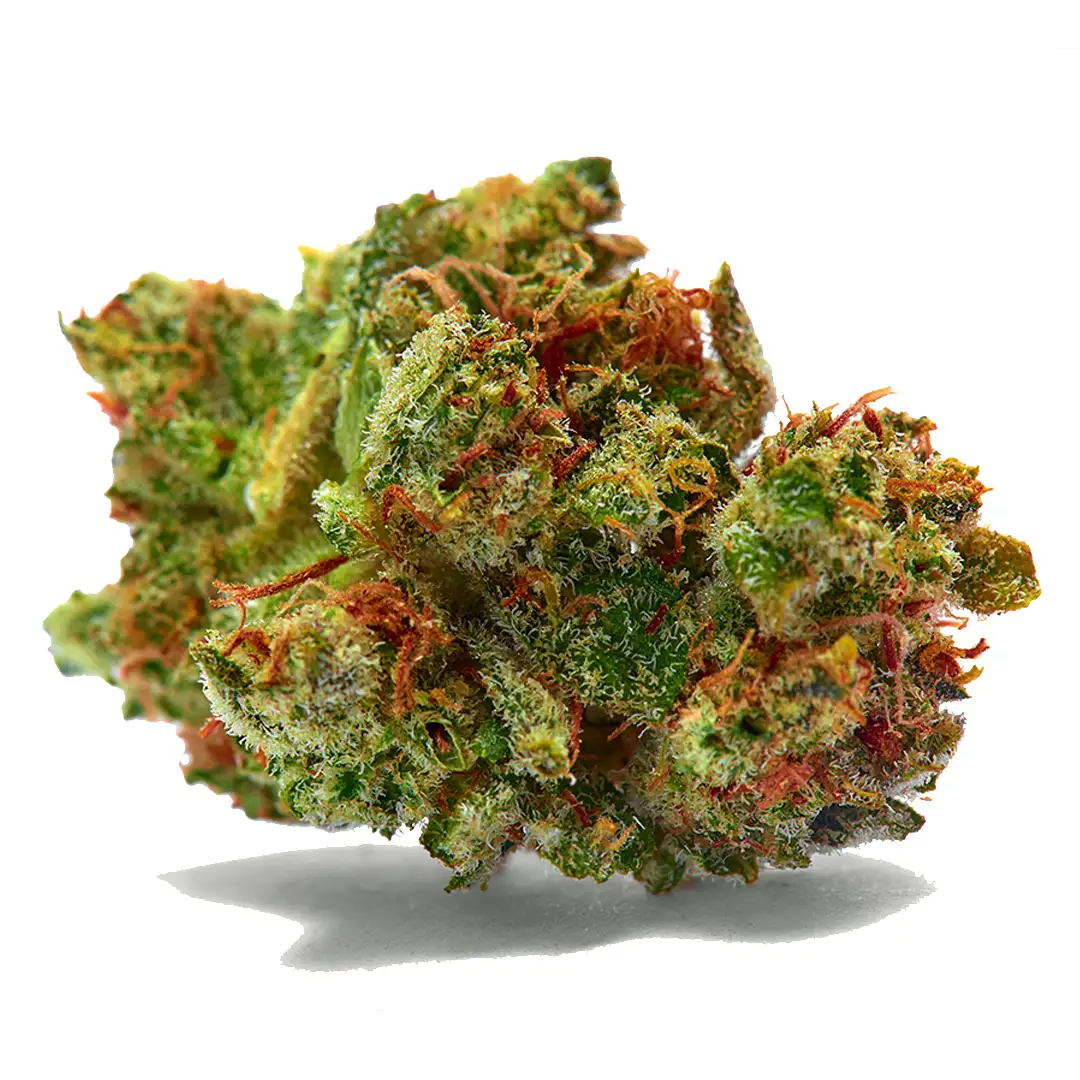
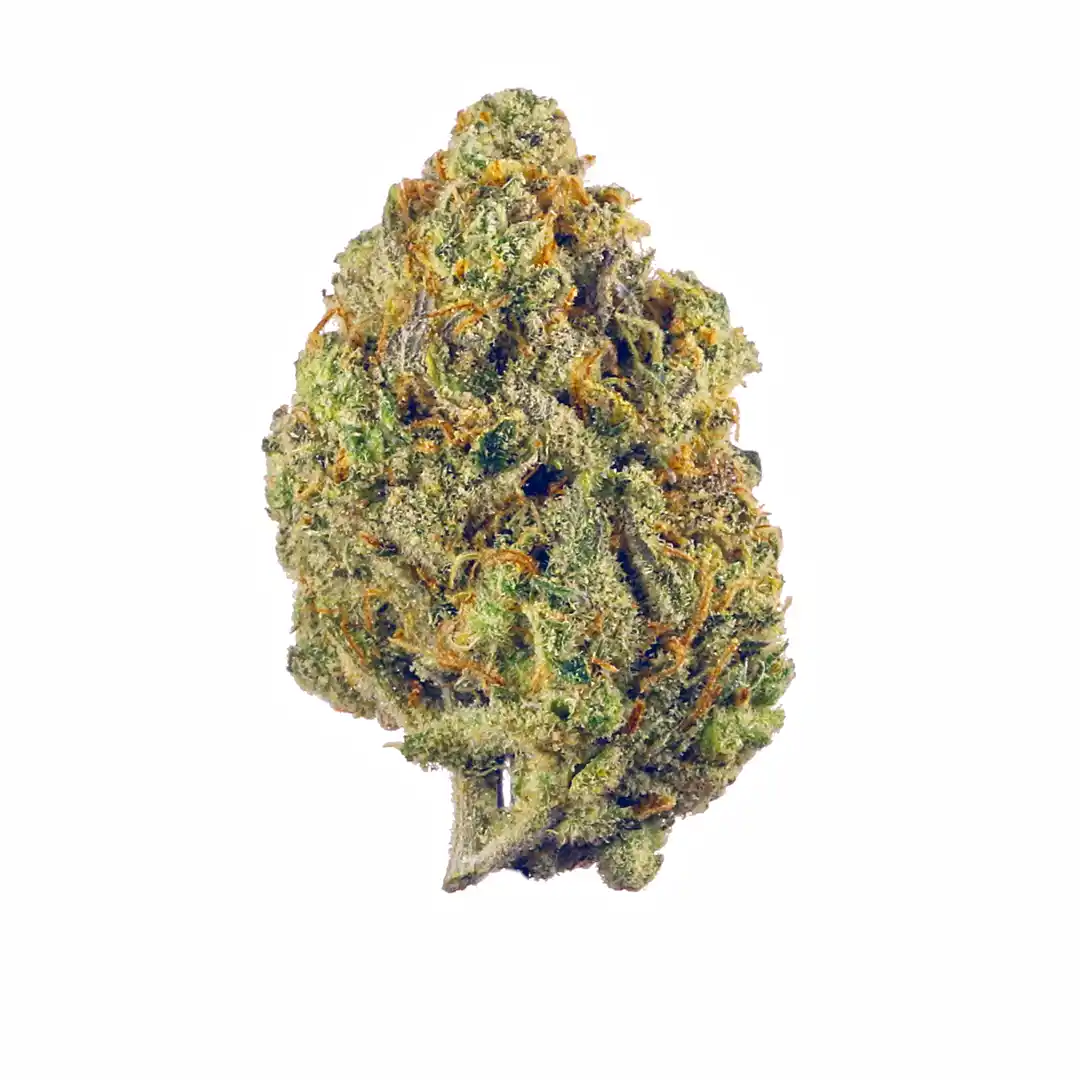
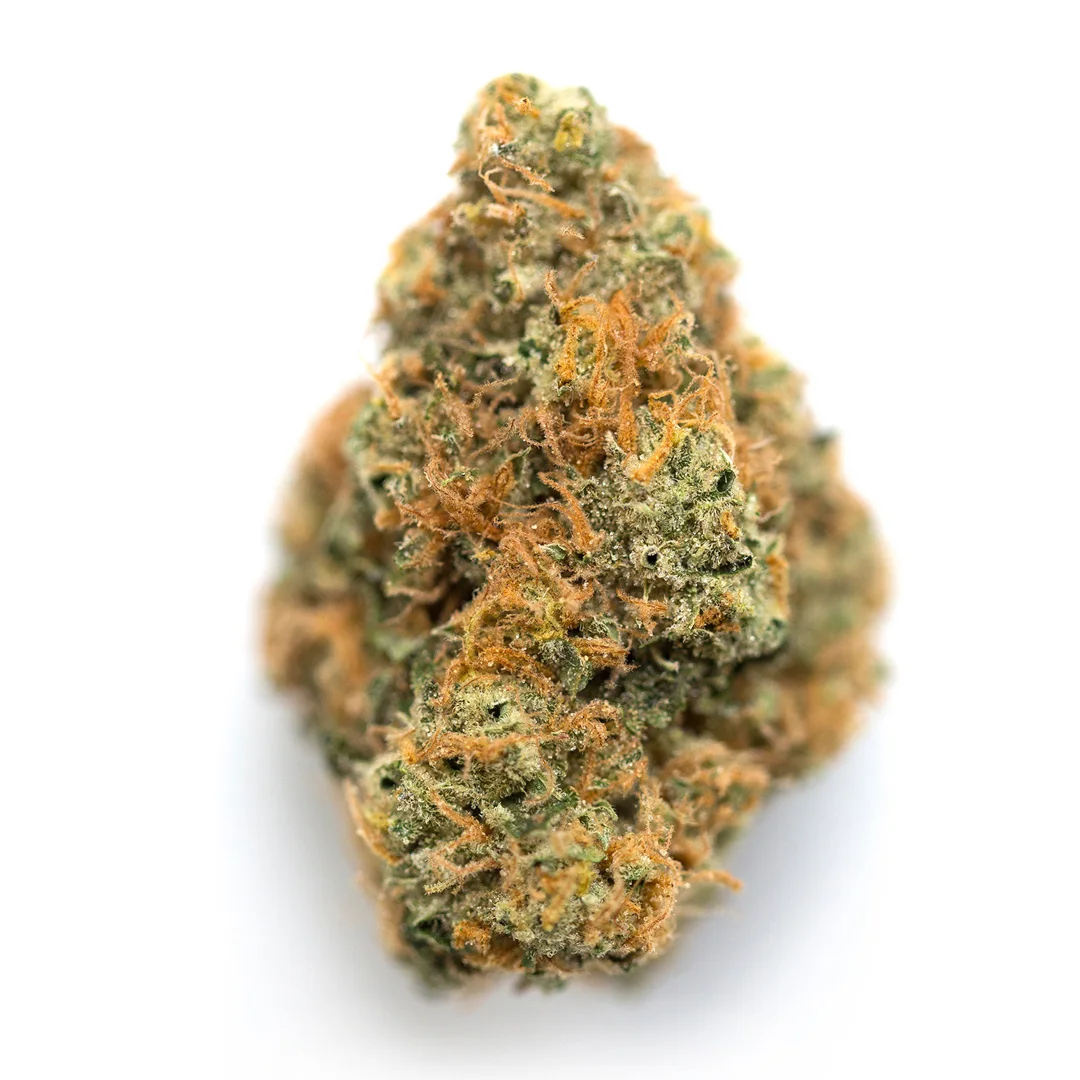
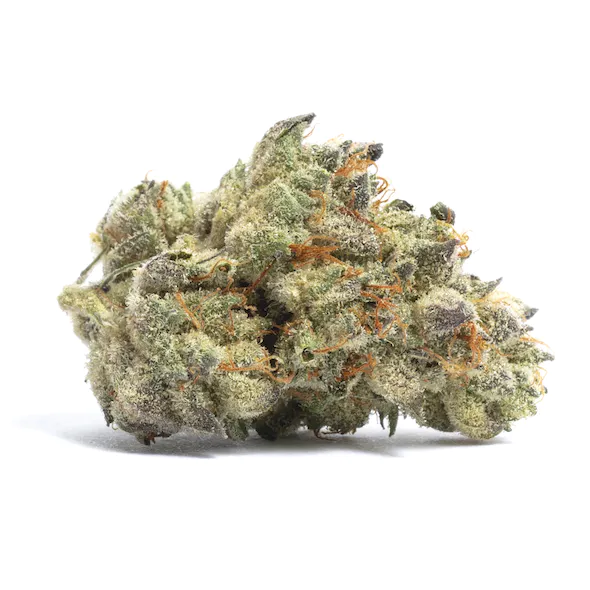
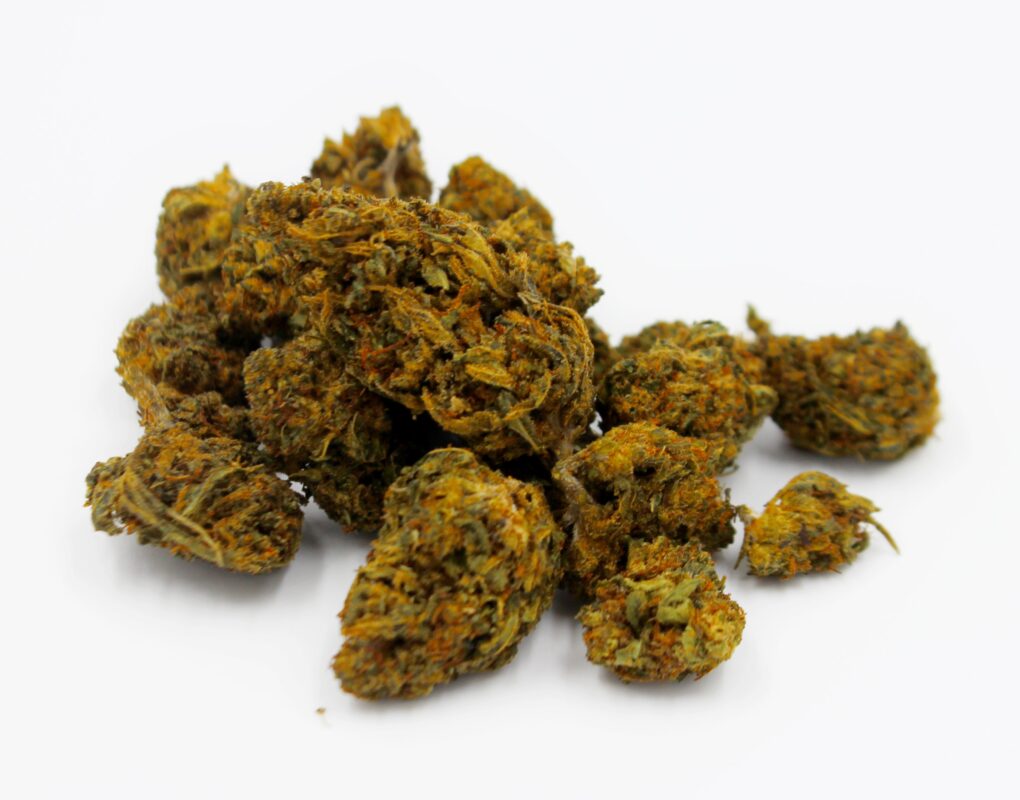
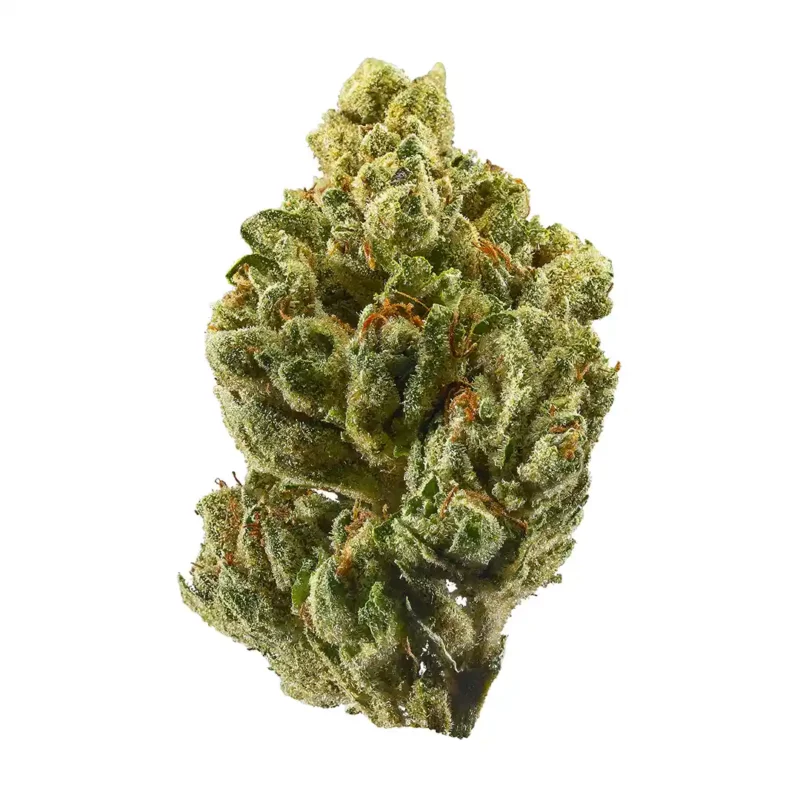
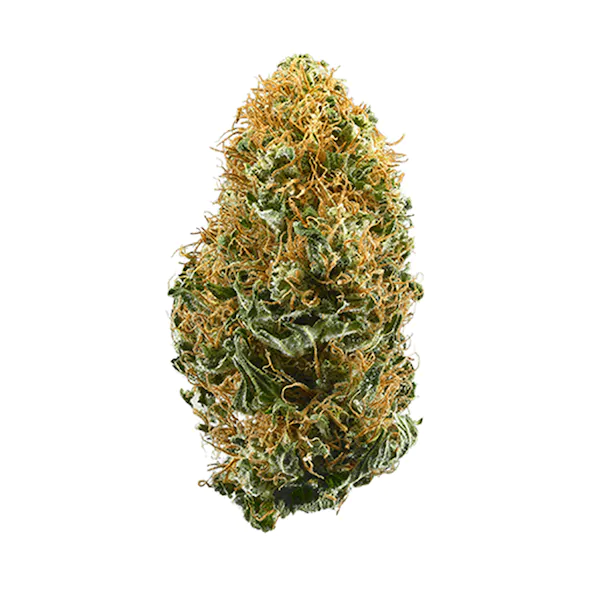
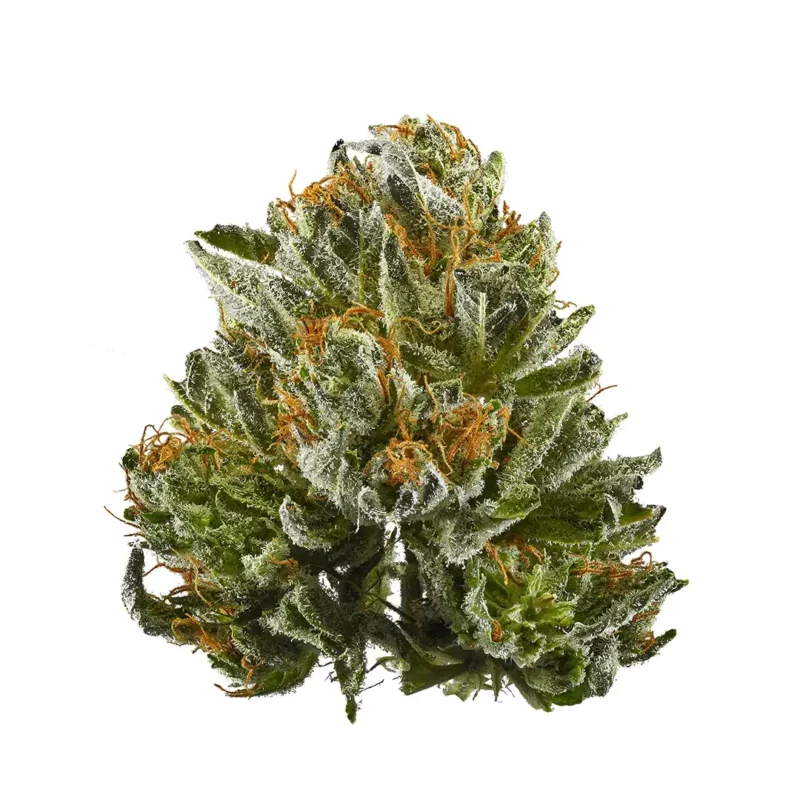
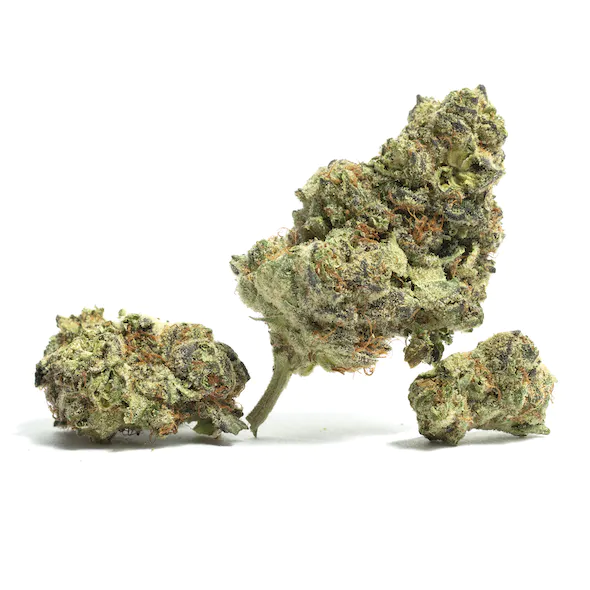
Cannabis tea can be made using THC-rich cannabis flower, CBD-rich hemp flower, cannabis stems, infused oils, or tinctures. Depending on the ingredients used, the resulting beverage may be intoxicating, mildly relaxing, or completely non-psychoactive. (Cannabis Tea Benefits)
Will Cannabis Tea Make You High?
One of the most common beginner questions is whether cannabis tea produces psychoactive effects. The answer depends entirely on the cannabinoid profile of the material used.
If the tea contains THC-rich cannabis and activated cannabinoids, the beverage can produce a long-lasting body-centered high. Many users describe the experience as calming, heavy, and deeply relaxing compared to smoking or vaping.
CBD-rich tea, however, generally does not create intoxicating effects. Instead, it is associated with relaxation, reduced stress, and physical relief without the mental euphoria linked to THC. (Cannabis Tea Benefits)
Raw cannabis leaves steeped in hot water may contain THCA, the non-psychoactive precursor to THC. In that state, the beverage may provide nutritional and anti-inflammatory properties without producing a high. (Cannabis Tea Benefits)
CBD Tea vs THC Tea Benefits (Cannabis Tea Benefits)
CBD and THC affect the body differently, making each option suitable for different wellness goals.
THC Tea Benefits
Deep Relaxation
THC is widely associated with calming physical tension and promoting a heavy sense of bodily relaxation.
Appetite Support
THC may help stimulate appetite and reduce nausea for some individuals.
Sleep Support
Many users consume THC-rich teas in the evening to encourage rest and reduce nighttime restlessness.
CBD Tea Benefits
Clear-Headed Calm
CBD is often chosen by individuals seeking physical relief without intoxication.
Stress Relief
CBD may support emotional balance and a calmer mood.
Inflammation Support
Many people use CBD-focused beverages to support muscle recovery and joint comfort.
Hemp Tea Benefits
Hemp tea typically contains minimal THC and higher levels of CBD. It is popular among users seeking a non-intoxicating wellness beverage that may help reduce stress, support relaxation, and promote balance within the body’s endocannabinoid system.
Understanding Decarboxylation
Cannabis naturally contains cannabinoids in their acidic forms, such as THCA and CBDA. Through exposure to heat, these compounds convert into their active forms, THC and CBD, in a process known as decarboxylation. (Cannabis Tea Benefits)
THCAheatTHC
This transformation is essential for activating the psychoactive and therapeutic effects commonly associated with cannabis products. (Cannabis Tea Benefits)
Without this activation process, cannabis tea made from raw flower may produce only mild or non-intoxicating effects.
Why Fat Matters in Cannabis Tea
Cannabinoids are hydrophobic, meaning they repel water. They are also lipophilic, meaning they bond well with fats.
Because of this, cannabis-infused beverages often contain ingredients like coconut oil, butter, cream, or full-fat milk. These fats help cannabinoids become more bioavailable, allowing the body to absorb them more effectively during digestion. (Cannabis Tea Benefits)
Common fat sources associated with cannabis tea include:
- Coconut oil
- Butter
- Whole milk
- Heavy cream
- Cocoa butter
- MCT oil
Potential Benefits of Cannabis Tea
Long-Lasting Relief
Unlike smoking, cannabis tea is processed through the digestive system and liver. This results in slower onset but potentially longer-lasting effects.
Respiratory-Friendly Alternative
Many users prefer cannabis tea because it avoids inhalation entirely. This allows individuals to consume cannabinoids without exposing the lungs to smoke or vapor.
Relaxation and Sleep Support
Warm infused beverages are commonly associated with nighttime relaxation routines. THC-rich teas, particularly when paired with calming herbs like chamomile or lavender, are frequently used before bedtime. (Cannabis Tea Benefits)
Digestive Comfort
Cannabinoid receptors exist throughout the digestive tract. Some individuals report reduced nausea, stomach discomfort, and cramping after consuming cannabis-infused beverages.
Cannabis Tea Effects vs Smoking (Cannabis Tea Benefits)
The experience of drinking cannabis tea differs significantly from smoking or vaping cannabis.
Smoking or Vaping
- Fast onset
- Effects felt within minutes
- Shorter duration
- Easier to dose incrementally
Cannabis Tea or Edibles
- Slower onset
- Effects may take 30 to 90 minutes
- Longer-lasting experience
- Often produces stronger body effects
When THC is processed by the liver, it converts into 11-hydroxy-THC, a metabolite many users experience as stronger and more sedating than inhaled THC.
How Long Does Cannabis Tea Take to Kick In?
Because cannabis tea is digested before entering the bloodstream, effects are delayed compared to inhalation methods.
Most people begin feeling effects within:
- 30 to 90 minutes
- Occasionally up to 2 hours
Several factors influence onset time, including:
- Body metabolism
- Food intake
- Potency
- Individual tolerance
- Cannabinoid profile
For beginners, patience is extremely important. Consuming additional servings too quickly can result in unexpectedly strong effects later on. (Cannabis Tea Benefits)
Cannabis Tea Dosage for Beginners
For first-time consumers, low-dose experiences are generally recommended.
Beginners often start with:
- 2.5mg to 5mg THC
- CBD-dominant products
- Balanced THC:CBD ratios
Starting with a lower dose allows individuals to observe how their body reacts before increasing potency.
The common advice for edible cannabis products applies strongly to infused beverages: (Cannabis Tea Benefits)
Start low and go slow.
Alternative Types of Cannabis Tea
Cannabis tea can take many forms beyond traditional flower infusions.
Cannabis Stem Tea
Cannabis stems contain smaller amounts of cannabinoids and trichomes. Some users collect stems over time and use them for milder, more subtle tea experiences. (Cannabis Tea Benefits)
Tincture-Based Tea
Cannabis tinctures can be added directly into hot tea beverages for convenience and easier dosing.
CBD Herbal Tea
CBD flower and hemp blends are commonly paired with herbs such as:
- Chamomile
- Peppermint
- Lavender
- Lemon balm
- Ginger
These combinations are popular among users seeking relaxation without intoxication.
Flavor and Aroma Considerations
Cannabis tea naturally carries earthy, herbal, and grassy flavor notes. Some people enjoy the botanical profile, while others prefer masking it with stronger flavors.
Common additions include:
- Honey
- Lemon
- Ginger
- Cinnamon
- Mint
- Chai spices
- Vanilla
Citrus and spices are particularly effective at balancing the natural bitterness of cannabis. (Cannabis Tea Benefits)
Best Time of Day to Drink Cannabis Tea
Different cannabis varieties may suit different routines.
Morning
CBD-focused or uplifting cannabinoid profiles may pair well with daytime productivity and focus.
Afternoon
Balanced THC:CBD products are often associated with stress relief and physical comfort during the day.
Evening
THC-rich or indica-dominant options are commonly used for winding down, promoting relaxation, and supporting sleep routines.
Storing Cannabis Tea
Prepared cannabis tea is typically stored in an airtight glass container in the refrigerator for several days.
Because infused fats may separate and solidify during refrigeration, the beverage is often reheated and stirred thoroughly before consumption.
Common Beginner Mistakes
Consuming Too Much Too Quickly
Delayed onset is one of the most common causes of uncomfortable experiences with cannabis beverages.
Expecting Immediate Effects
Unlike smoking, infused drinks require digestion before effects appear.
Underestimating Potency
Even small amounts of cannabis flower can contain high concentrations of THC.
Ignoring Cannabinoid Ratios
THC-heavy products may feel overwhelming for some beginners, while balanced or CBD-rich products often provide a gentler introduction.
Final Thoughts
Cannabis tea offers a unique alternative to smoking and vaping, combining the ritual of warm herbal beverages with the long-lasting effects of cannabinoids. Whether someone prefers CBD for relaxation or THC for deeper physical relief, infused tea provides a slower, often more sustained experience compared to inhalation methods.
For beginners, understanding onset time, dosage, cannabinoid content, and absorption is essential for a safe and enjoyable experience. With mindful consumption and patience, cannabis tea can become a relaxing addition to personal wellness routines.


