












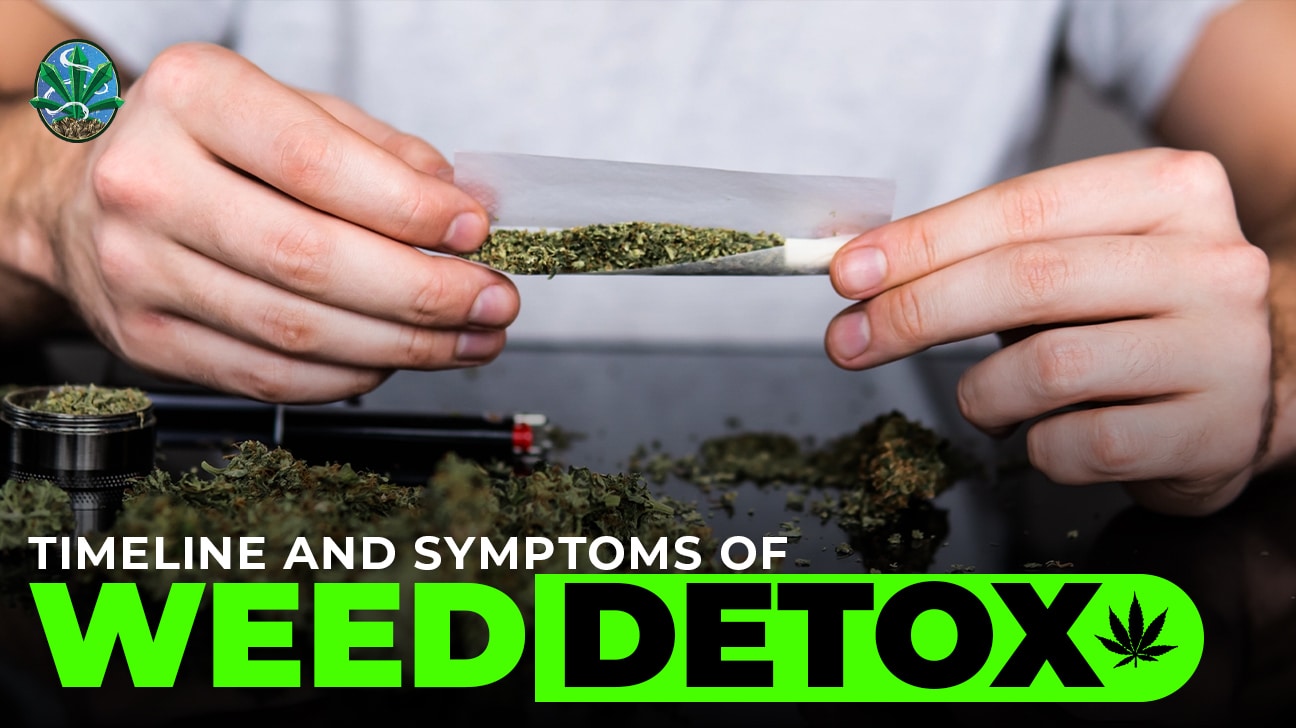
(Weed Detox) For many cannabis users, taking a break from THC can feel surprisingly challenging. Whether you are stopping for personal wellness, preparing for a drug test, resetting your tolerance, or simply reevaluating your relationship with cannabis, understanding the timeline and symptoms of weed detox can make the process far less intimidating.
Unlike substances associated with dangerous physical withdrawal, cannabis detox is generally considered manageable for most people. However, that does not mean the experience is always easy. Heavy or long-term cannabis users may experience a variety of temporary mental, emotional, and physical symptoms as the body adjusts to functioning without THC.
In this comprehensive guide, we will break down what weed detox actually means, how long THC stays in the body, the common stages of cannabis withdrawal, and what symptoms you may encounter during the detox process.
What is Weed Detox?
Weed detox refers to the period during which the body clears THC and other cannabinoids from its system after cannabis use stops. During this adjustment phase, users may experience withdrawal symptoms while the body and brain adapt to the absence of regular THC exposure.
THC (tetrahydrocannabinol), the primary psychoactive compound in cannabis, is stored in fat cells throughout the body. Unlike alcohol, which leaves the system relatively quickly, THC can linger for days or even weeks depending on frequency of use, body composition, metabolism, and potency of the cannabis consumed.
For occasional users, detox may be relatively mild and short-lived. For daily or high-potency users, symptoms may become more noticeable during the first few weeks after quitting.
Why Weed Withdrawal Happens
Cannabis interacts with the body’s endocannabinoid system, which helps regulate mood, sleep, appetite, stress response, and memory.
When THC is consumed regularly over time, the brain adapts to the constant presence of cannabinoids. Once cannabis use suddenly stops, the body temporarily struggles to rebalance itself, which can trigger withdrawal symptoms.
This adjustment period is what many people refer to as weed detox or cannabis withdrawal.
Is Weed Detox Dangerous?
For most healthy adults, cannabis withdrawal is not considered medically dangerous. However, the symptoms can still feel uncomfortable, disruptive, and emotionally draining.
People who use cannabis heavily for anxiety, sleep, appetite, or emotional regulation may find the mental side of detox particularly difficult during the first several days.
In some cases, individuals with underlying mental health conditions may experience stronger emotional symptoms when quitting cannabis abruptly.
How Long Does Weed Stay in Your System?
One of the most common questions people ask is how long THC remains detectable after stopping cannabis use. Unfortunately, there is no universal answer because detection windows vary greatly from person to person.
Several factors influence THC retention:
- Frequency of cannabis use
- THC potency
- Body fat percentage
- Metabolism
- Hydration
- Physical activity
- Consumption method
General THC Detection Windows
Urine Tests
- Occasional users: 3 to 7 days
- Moderate users: 1 to 3 weeks
- Heavy daily users: 30+ days
Blood Tests
- Usually detectable for 1 to 7 days
Saliva Tests
- Typically detectable for 24 to 72 hours
Hair Tests
- Potentially detectable for up to 90 days
It is important to understand that feeling “detoxed” and testing negative are not always the same thing. Withdrawal symptoms may disappear long before THC fully leaves fat stores in the body.
Weed Detox Timeline
While every person experiences detox differently, cannabis withdrawal tends to follow a fairly predictable timeline.
Stage 1: The First 24 to 48 Hours
The first two days after stopping cannabis are often when symptoms begin to emerge.
Many users report:
- Irritability
- Anxiety
- Restlessness
- Mood swings
- Mild headaches
- Cravings for cannabis
Sleep disturbances may start during this phase, especially for people who relied on cannabis nightly.
Heavy users sometimes describe a sense of mental fog or emotional uneasiness as the brain begins adjusting to lower cannabinoid levels.
Stage 2: Days 3 to 7
For many people, this is the peak of weed withdrawal symptoms.
Common symptoms during this period include:
Sleep Problems
Insomnia is one of the most frequently reported cannabis withdrawal symptoms. Falling asleep may become difficult, and vivid dreams or nightmares are extremely common during early detox.
Mood Changes
Irritability, frustration, emotional sensitivity, and anxiety often intensify during this stage.
Some users report:
- Short temper
- Low motivation
- Feelings of sadness
- Increased stress response
Appetite Changes
Cannabis is strongly associated with appetite stimulation, so quitting may temporarily reduce hunger levels.
People may experience:
- Reduced appetite
- Mild nausea
- Digestive discomfort
Physical Symptoms
Although cannabis withdrawal is primarily psychological for many users, physical symptoms can still occur.
Possible symptoms include:
- Sweating
- Chills
- Headaches
- Fatigue
- Muscle tension
- Restlessness
Stage 3: Week 2
By the second week, many symptoms begin gradually improving.
Sleep quality may slowly return, although vivid dreams often continue for several more weeks.
Mental clarity also tends to improve during this phase. Some people notice:
- Better concentration
- Increased daytime energy
- Reduced brain fog
- Improved motivation
However, psychological cravings for cannabis may still appear, especially during stressful situations or familiar routines associated with smoking.
Stage 4: Weeks 3 to 4
For most moderate cannabis users, the worst withdrawal symptoms are usually over by this point.
Appetite often normalizes, sleep becomes more stable, and emotional balance improves significantly.
Some heavy users, however, may still experience:
- Occasional cravings
- Sleep disruptions
- Anxiety flare-ups
- Mood instability
This phase is often more psychological than physical, as habits and routines connected to cannabis use become more noticeable.
Stage 5: One Month and Beyond
After one month, many former cannabis users report feeling mentally sharper and emotionally more stable.
Potential improvements may include:
- More consistent energy levels
- Better memory and focus
- Improved sleep quality
- Greater emotional regulation
- Reduced tolerance-related fatigue
Long-term heavy users may still experience intermittent cravings, particularly in social situations or during stress, but physical withdrawal symptoms are usually minimal by this stage.
Common Weed Detox Symptoms
Cannabis withdrawal symptoms can vary widely depending on the person, but the most commonly reported include:
Emotional Symptoms
- Irritability
- Anxiety
- Mood swings
- Depression-like feelings
- Restlessness
Sleep Symptoms
- Insomnia
- Frequent waking
- Intense dreams
- Night sweats
Physical Symptoms
- Headaches
- Fatigue
- Chills
- Sweating
- Appetite loss
- Digestive discomfort
Cognitive Symptoms
- Brain fog
- Difficulty concentrating
- Low motivation
- Mental fatigue
Why Dreams Become So Intense During Detox
One of the strangest aspects of cannabis detox for many people is the sudden return of vivid dreams.
THC affects REM sleep, the stage associated with dreaming. Regular cannabis use often suppresses REM sleep, which can reduce dream recall.
Once cannabis use stops, the brain experiences a “REM rebound,” leading to unusually vivid, emotional, or bizarre dreams during the first few weeks of detox.
For many users, this eventually stabilizes over time.
Factors That Affect Weed Detox Severity
Not everyone experiences weed detox the same way. Several factors influence symptom intensity and duration.
Frequency of Use
Daily users generally experience stronger withdrawal symptoms than occasional users.
THC Potency
High-potency concentrates, cartridges, and dabs may increase dependency and prolong detox symptoms.
Duration of Use
Someone who used cannabis heavily for years may experience a longer adjustment period than someone who used casually for a few months.
Mental Health
People who relied on cannabis for stress, anxiety, or emotional regulation may notice stronger psychological withdrawal symptoms.
Lifestyle and Physical Health
Exercise, hydration, nutrition, and sleep habits can all affect how quickly the body recovers during detox.
Natural Ways to Support Weed Detox
While no miracle detox product instantly removes THC from the body, healthy habits may help support the process.
Hydration
Drinking enough water supports normal bodily functions and may help manage headaches and fatigue.
Exercise
Physical activity can improve mood, reduce stress, and support healthy metabolism.
Sleep Hygiene
Consistent sleep schedules, limiting caffeine late in the day, and reducing screen exposure before bed may help combat insomnia.
Nutrition
Balanced meals rich in protein, healthy fats, and fiber may help stabilize energy and appetite during detox.
Stress Management
Meditation, breathing exercises, journaling, and outdoor activity may help ease emotional withdrawal symptoms.
Do THC Detox Drinks Work?
Many commercial detox drinks claim to rapidly cleanse THC from the body. However, most do not permanently eliminate cannabinoids.
Some products may temporarily dilute urine or alter test results for a short window, but they do not instantly erase stored THC from fat cells.
The body ultimately requires time to naturally metabolize and eliminate cannabinoids.
When Should You Seek Professional Help?
Although cannabis withdrawal is usually manageable, professional support may help if symptoms become overwhelming.
You may want to speak with a healthcare professional if you experience:
- Severe anxiety or depression
- Panic attacks
- Extreme insomnia
- Inability to function normally
- Dependence interfering with daily life
Support groups, therapy, and addiction specialists can help individuals navigate difficult detox experiences more safely and comfortably.
Final Thoughts
Weed detox can feel physically uncomfortable and emotionally frustrating, especially during the first one to two weeks after quitting cannabis. However, for most users, symptoms are temporary and gradually improve as the body rebalances itself.
Understanding the timeline and symptoms of weed detox helps remove some of the uncertainty surrounding the process. While everyone’s experience differs, knowing what to expect can make withdrawal feel far more manageable.
Whether you are taking a tolerance break, preparing for a drug test, or stepping away from cannabis entirely, patience is key. Recovery takes time, and the body often needs several weeks to fully adjust after regular THC exposure.
By focusing on hydration, sleep, nutrition, and stress management, many users find the detox process becomes significantly easier with each passing day.


