










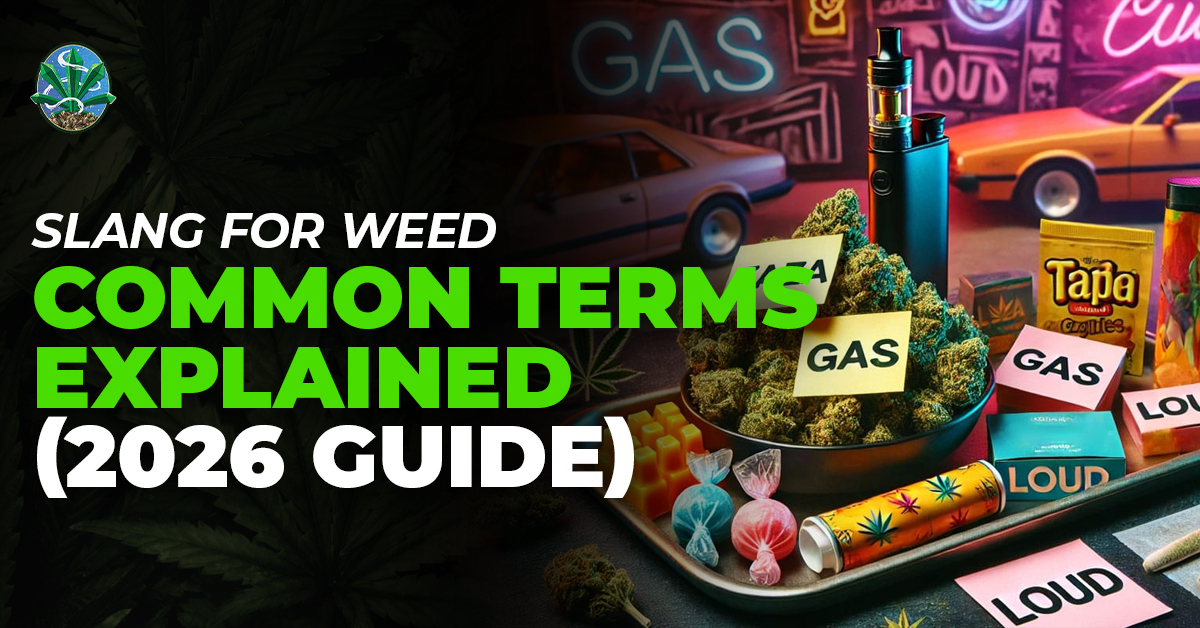
Common Slang Terms for Marijuana Explained
Marijuana has a rich history, and so does its slang. Over the years, countless slang terms for weed have emerged. These terms reflect cultural shifts and regional influences.
Understanding these slang terms for weed can be fascinating. It offers insight into the evolving cannabis culture. From “weed” to “ganja,” each term has a story.
Some slang terms for weed are rooted in history. Others are born from pop culture or music. They often reflect the social attitudes of their time.
For instance, “reefer” gained fame in the 1930s. It was popularized by the film “Reefer Madness.” Meanwhile, “chronic” became famous thanks to Dr. Dre.
Slang terms for weed also vary by region. In some places, “pot” is the go-to term. Elsewhere, “herb” or “bud” might be more common.
The language of cannabis is ever-changing. New slang emerges as cannabis becomes more mainstream. Social media plays a big role in this evolution.
This article will explore these slang terms. We’ll delve into their origins and meanings. Join us on this linguistic journey through cannabis culture.
The Origins of Marijuana Slang
The slang for weed draws from various influences. Many terms originate from different languages. “Ganja,” for example, comes from Sanskrit. It underscores marijuana’s global reach and cultural significance.
Other terms have historical roots. In the 1930s, “reefer” emerged in the U.S. It coincided with the cultural moment of “Reefer Madness.” This film painted marijuana in a negative light.
As marijuana spread globally, new slang terms emerged. The 1960s saw “grass” and “pot” gain popularity. They became symbols of the counterculture movement. Each term carried distinct cultural connotations.
Here’s a quick look at some origins:
- “Weed” – Known for its rapid spread in the wild.
- “Pot” – Likely derived from “potiguaya” in Spanish.
- “Mary Jane” – A playful nod to the name marijuana.
The influence of language and history is evident. Slang evolves as societal attitudes shift. It reflects the times and contexts in which it develops.
(slang terms for weed)

In sum, the origins of marijuana slang are varied and rich. They highlight the plant’s dynamic role in society. Understanding these roots adds depth to our knowledge of cannabis culture.
Mainstream Slang Words for Weed
Mainstream slang for weed has a language all its own. These terms often infiltrate everyday conversation. They make cannabis culture relatable and accessible.
“Weed” remains the most ubiquitous term. Its simplicity and ease make it widely accepted. It’s often the first slang word people learn.
Another common term is “pot.” Its roots trace back to “potiguaya,” a Spanish word. This term gained popularity in English-speaking countries.
Let’s explore more mainstream slang terms:
- “Mary Jane” – A playful take on marijuana, resembling a person’s name.
- “Dope” – Often used for various drugs but commonly known for weed.
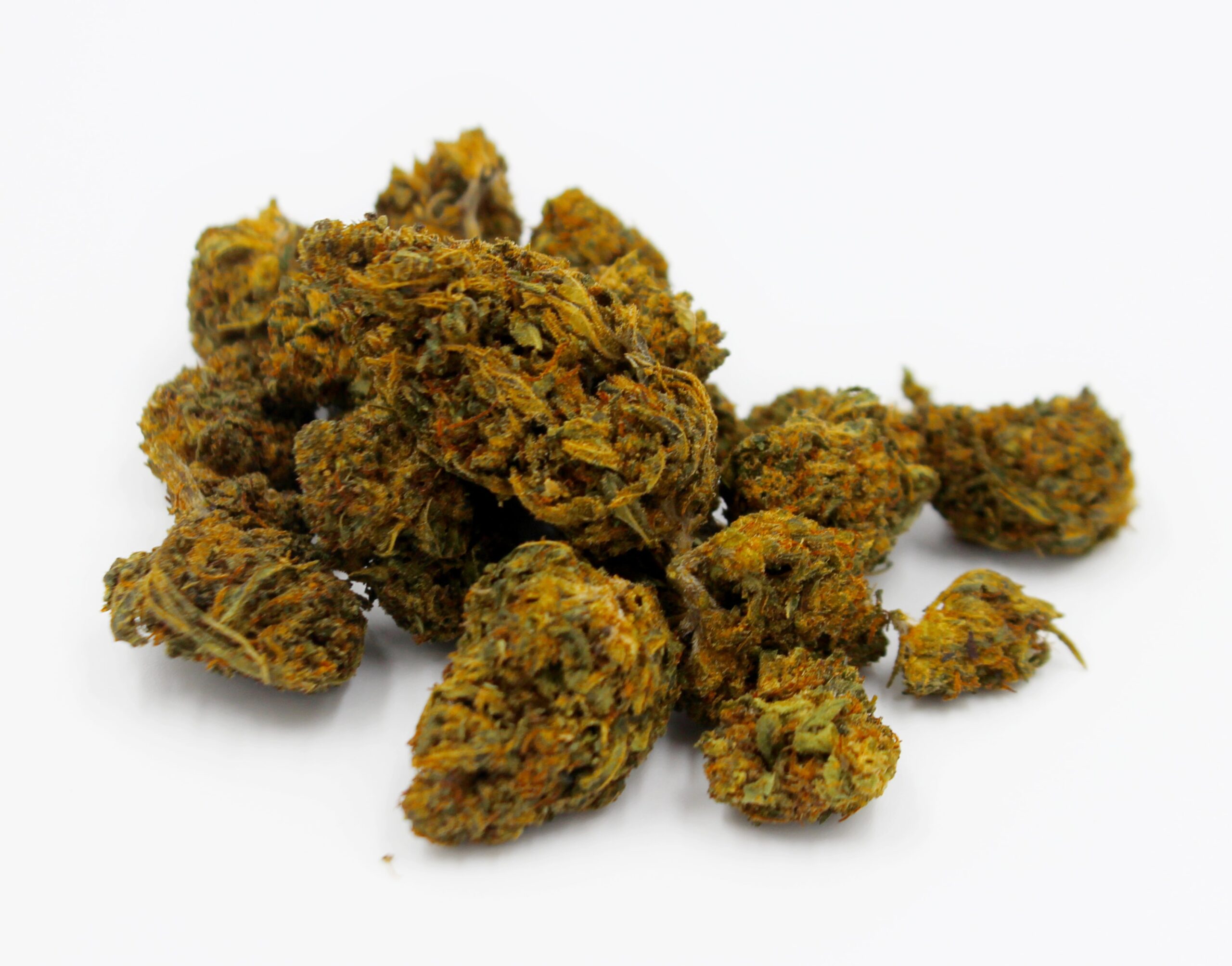
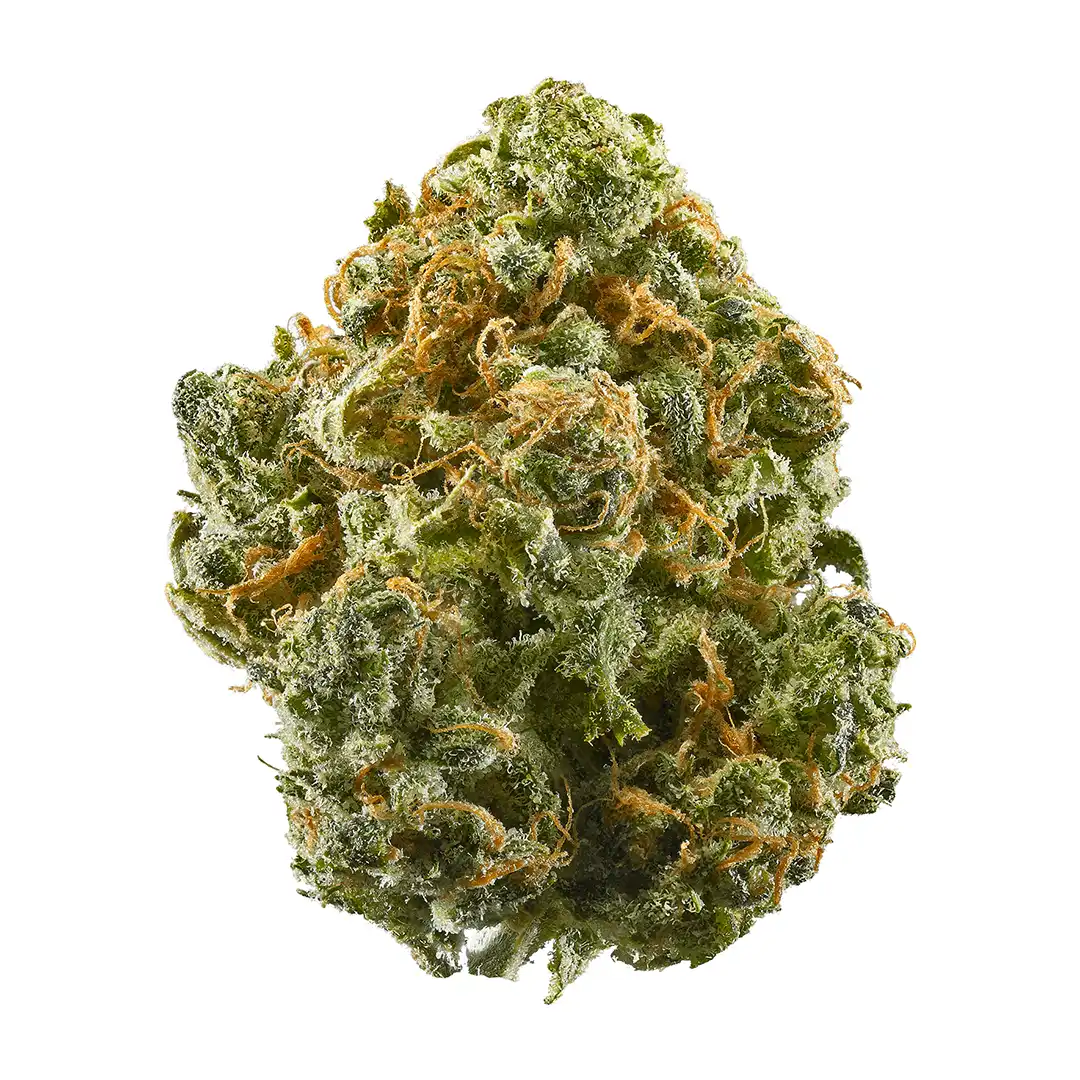
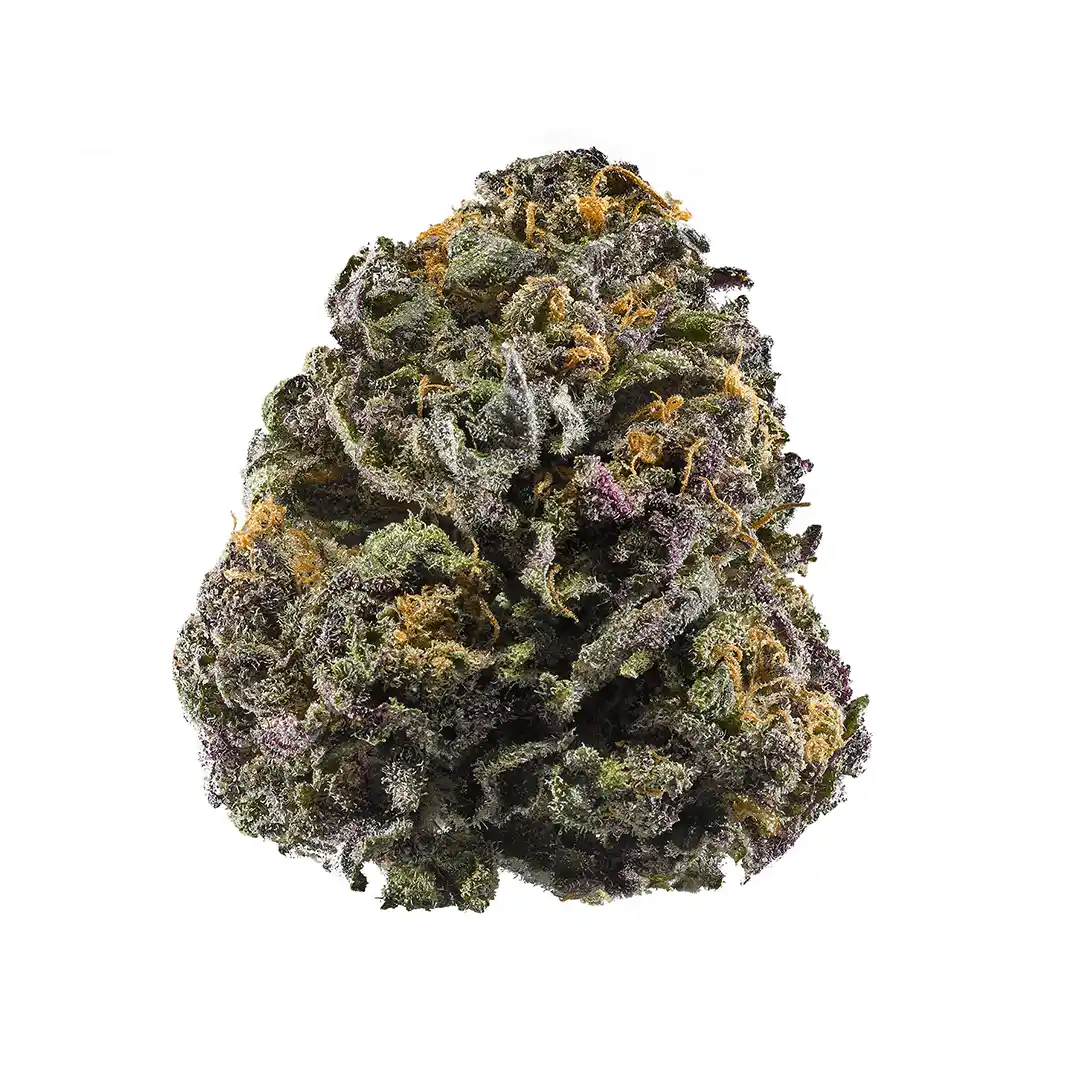
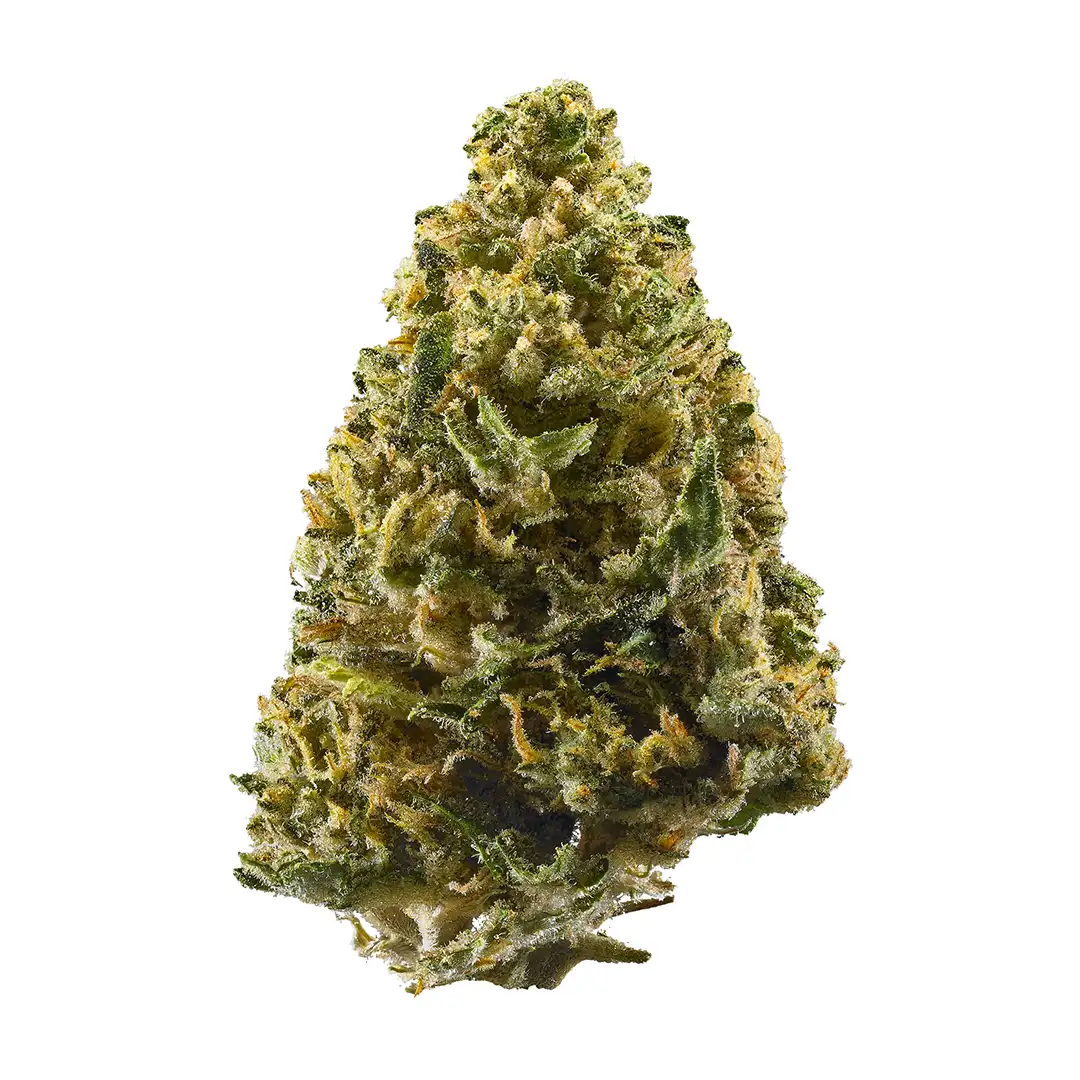
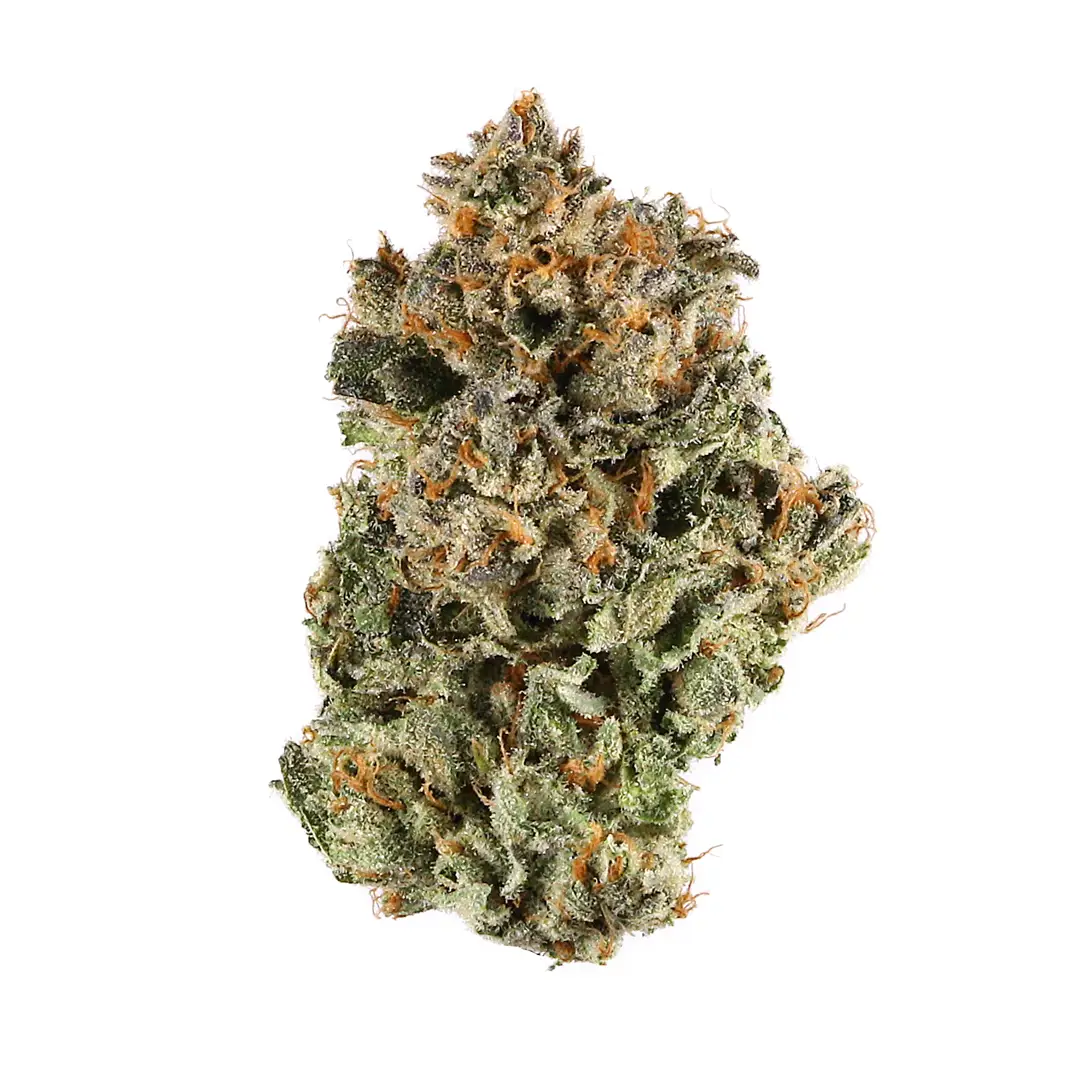
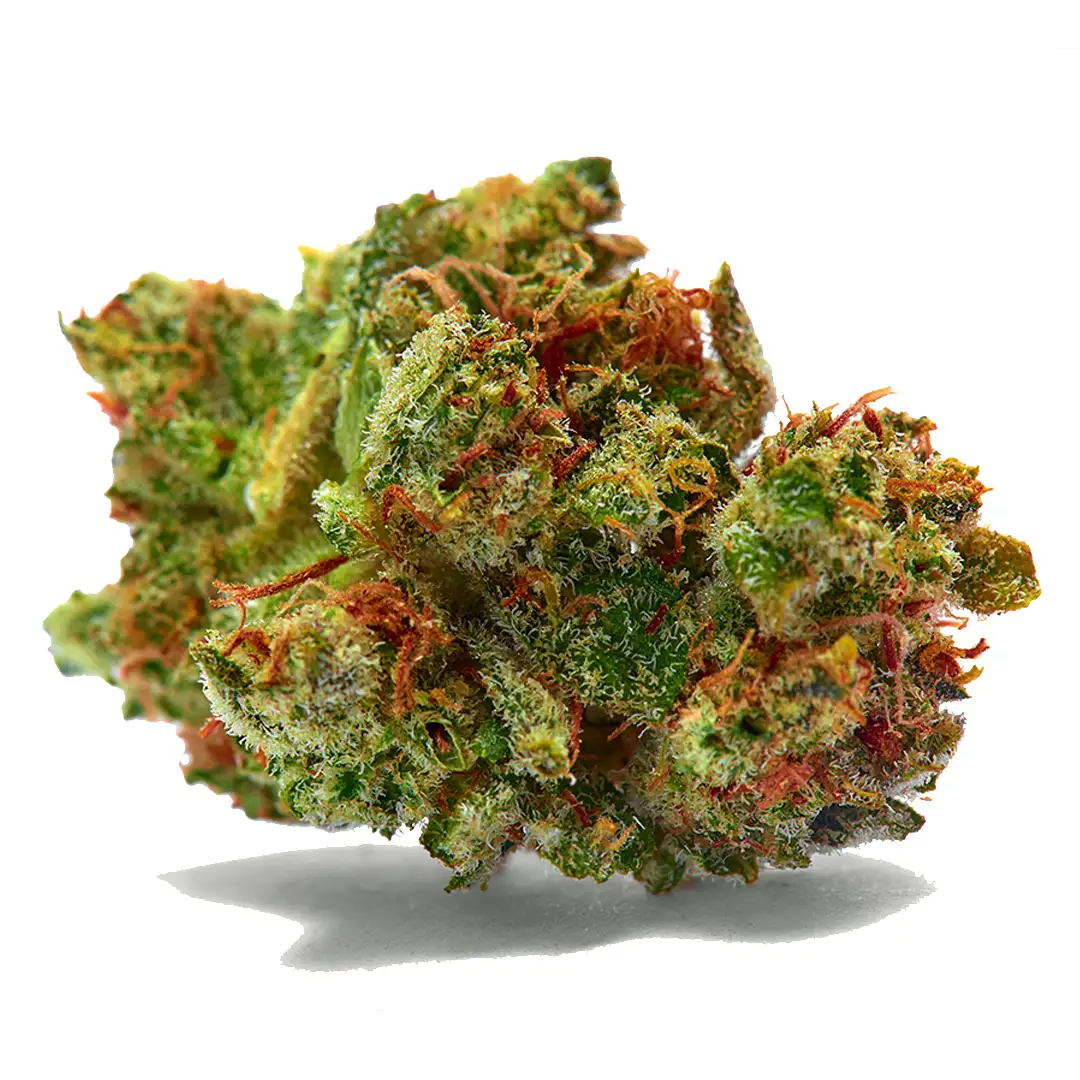
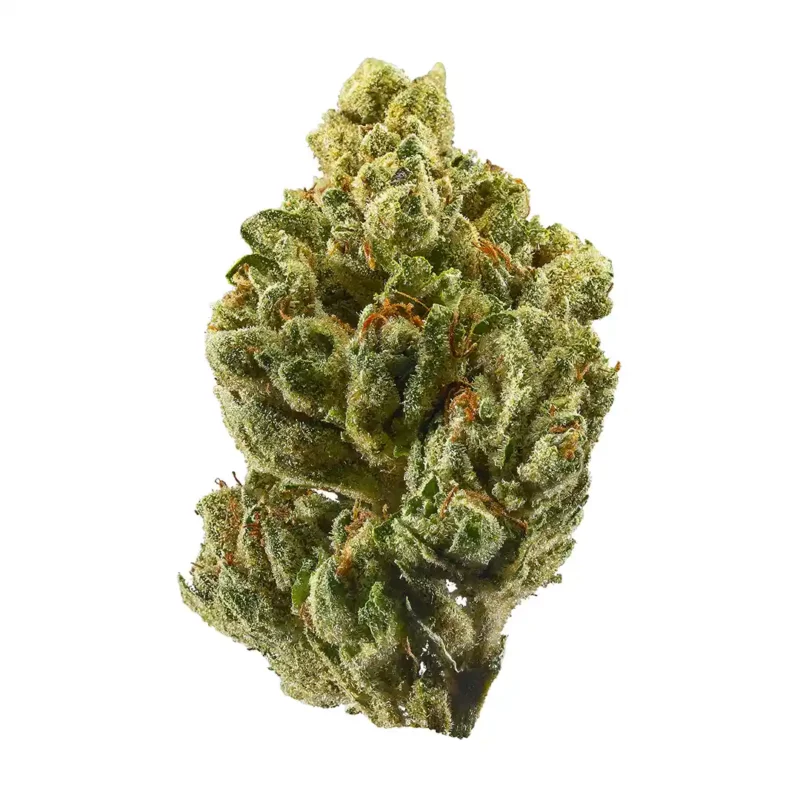
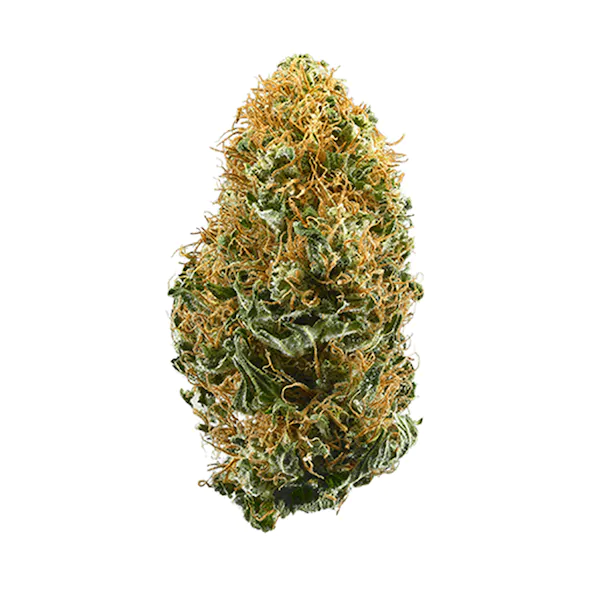
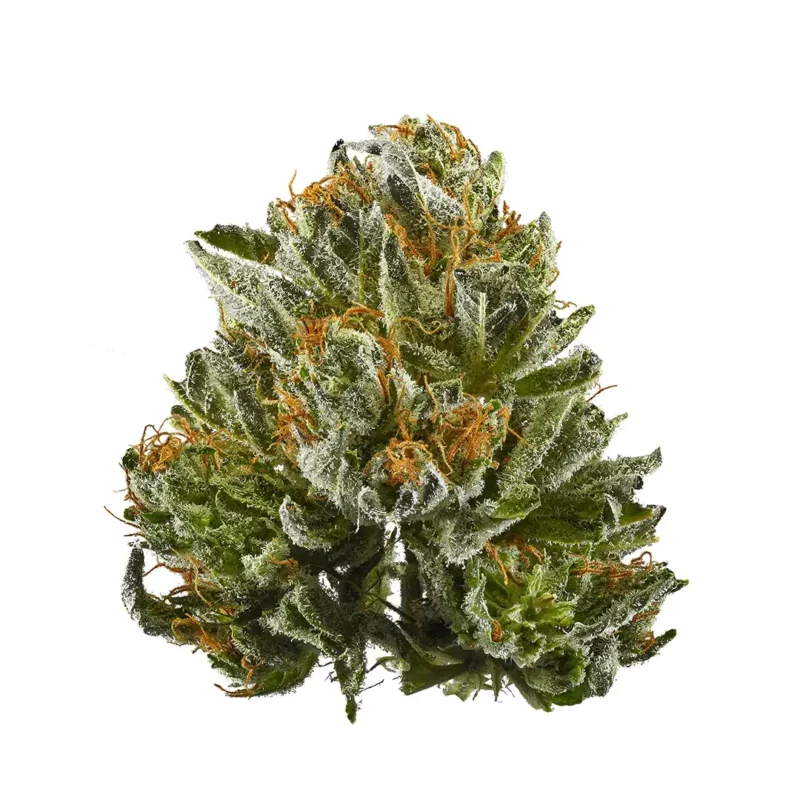
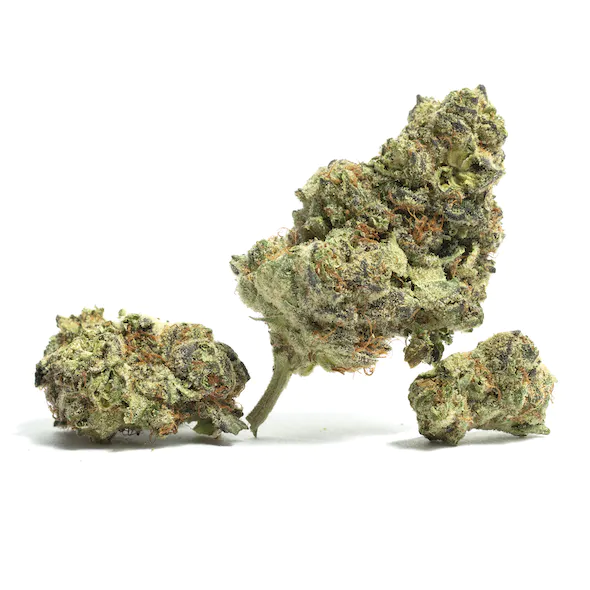
- “Bud” – Refers to the flower of the cannabis plant, essential for consumption.
Language adapts as cultures evolve. These slang terms reflect broader acceptance and understanding. They connect diverse communities with a shared lexicon.
Each term carries unique nuances. While “grass” evokes natural imagery, “chronic” implies quality. This versatility showcases the rich tapestry of cannabis dialogue.
(slang terms for weed)

In summary, mainstream slang for weed serves many purposes. It simplifies, categorizes, and sometimes enhances the cannabis conversation. As usage expands, so does the lexicon. This language diversity reveals how deeply entrenched marijuana is in contemporary culture. (slang terms for weed)
Cultural and Regional Slang Terms
Cultural influences shape the language we use. Slang words for weed often reflect regional nuances. These terms can reveal a community’s unique relationship with marijuana.
“Ganja” is one such term. It originates from the Sanskrit language. Common in Rastafarian culture, it emphasizes the spiritual aspect of cannabis use.
Different areas may also adopt unique expressions. For example, “reefer” gained traction in the U.S. during the 1930s. It was notably featured in the anti-marijuana film “Reefer Madness.”
Here’s a short list of culturally inspired slang:
- “Dagga” – Used in South Africa to refer to marijuana.
- “Spliff” – A blend of tobacco and marijuana, popular in the Caribbean.
- “Charas” – A type of cannabis resin handcrafted in Northern India.
Each of these words carries its own stories and connotations. They highlight the diversity within cannabis culture. Local histories and practices contribute to these varied expressions.
Understanding regional slang enriches the marijuana conversation. It emphasizes the plant’s global reach and cultural significance. As cannabis continues to spread, so will its vocabulary.
(slang terms for weed)
by Jon Tyson (https://unsplash.com/@jontyson)
In sum, cultural and regional slang terms for weed underscore the plant’s universal appeal. They remind us of the varied ways marijuana is incorporated into cultural contexts. Familiarity with these terms not only broadens linguistic horizons but fosters connections across borders.
(slang terms for weed)
Slang for Different Forms and Products
Cannabis comes in many different forms. Each variation has its own unique set of slang terms. Understanding these terms helps enthusiasts and novices alike.
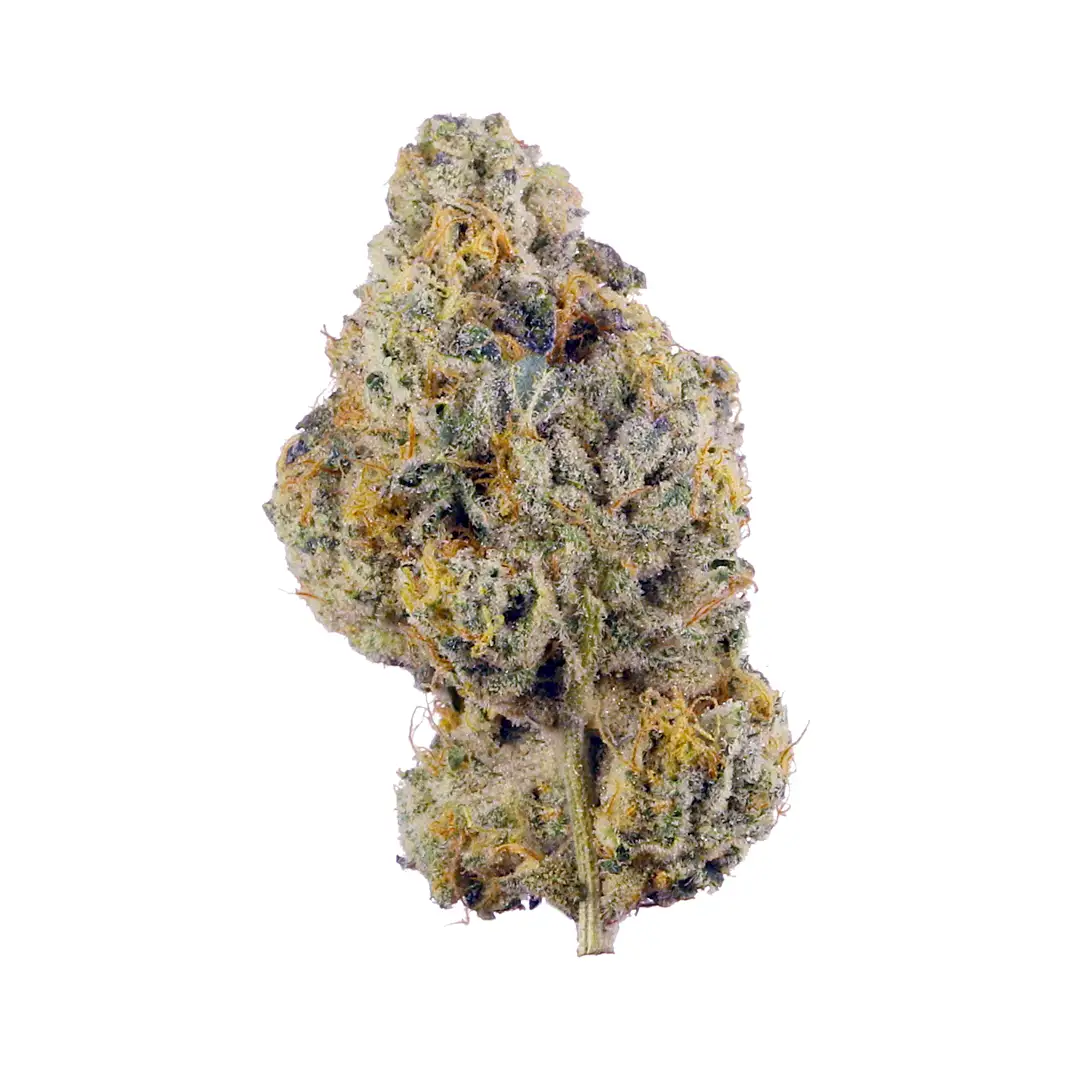
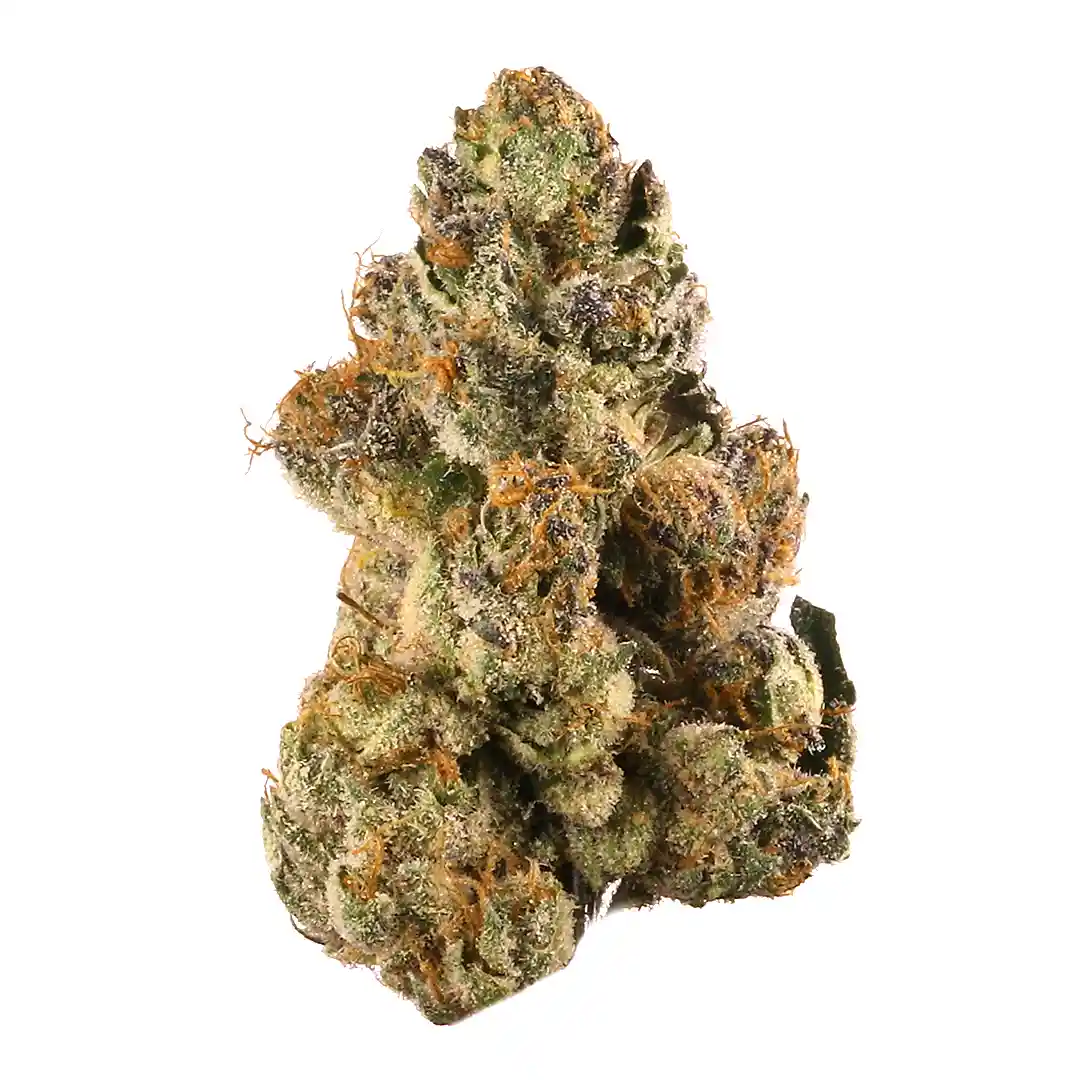
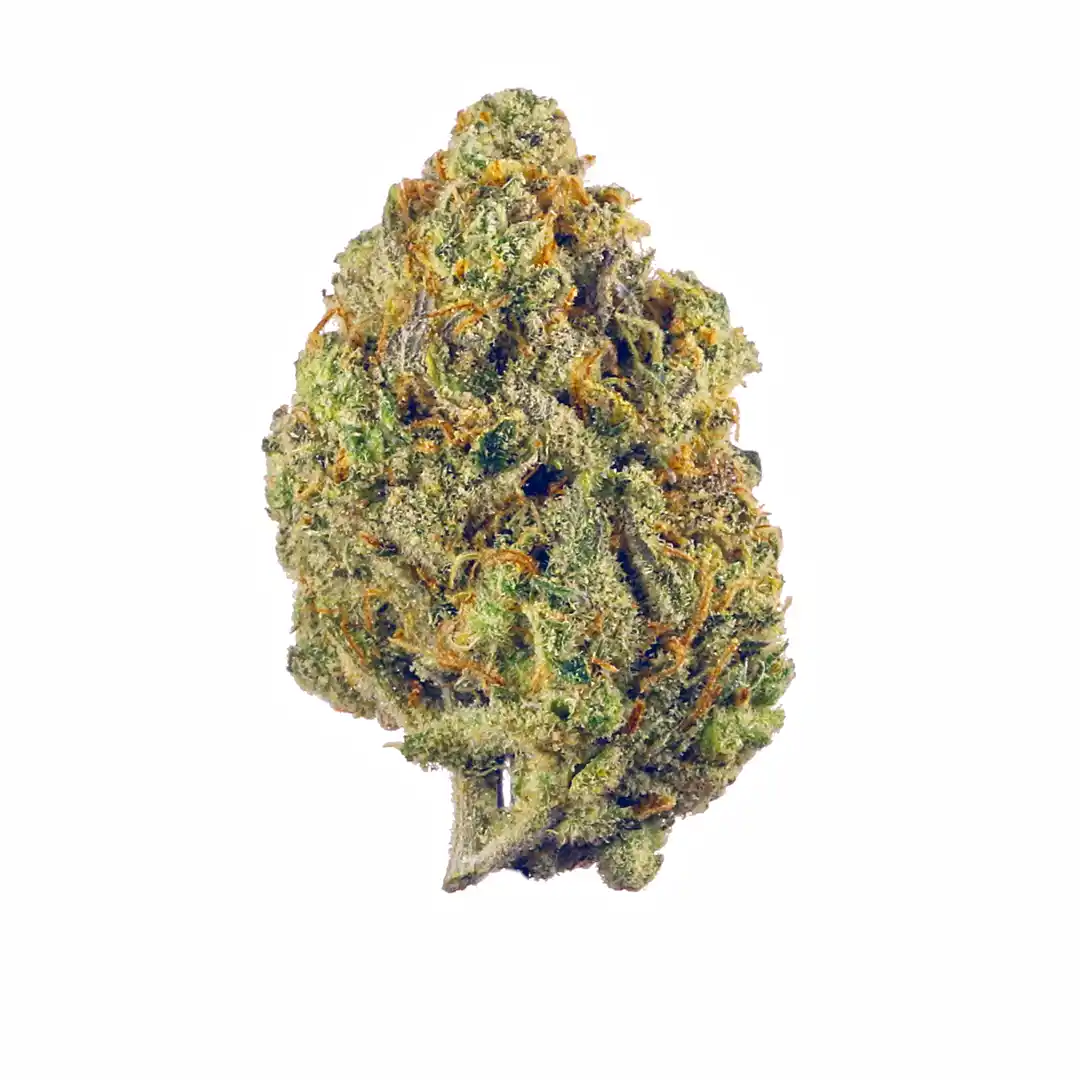
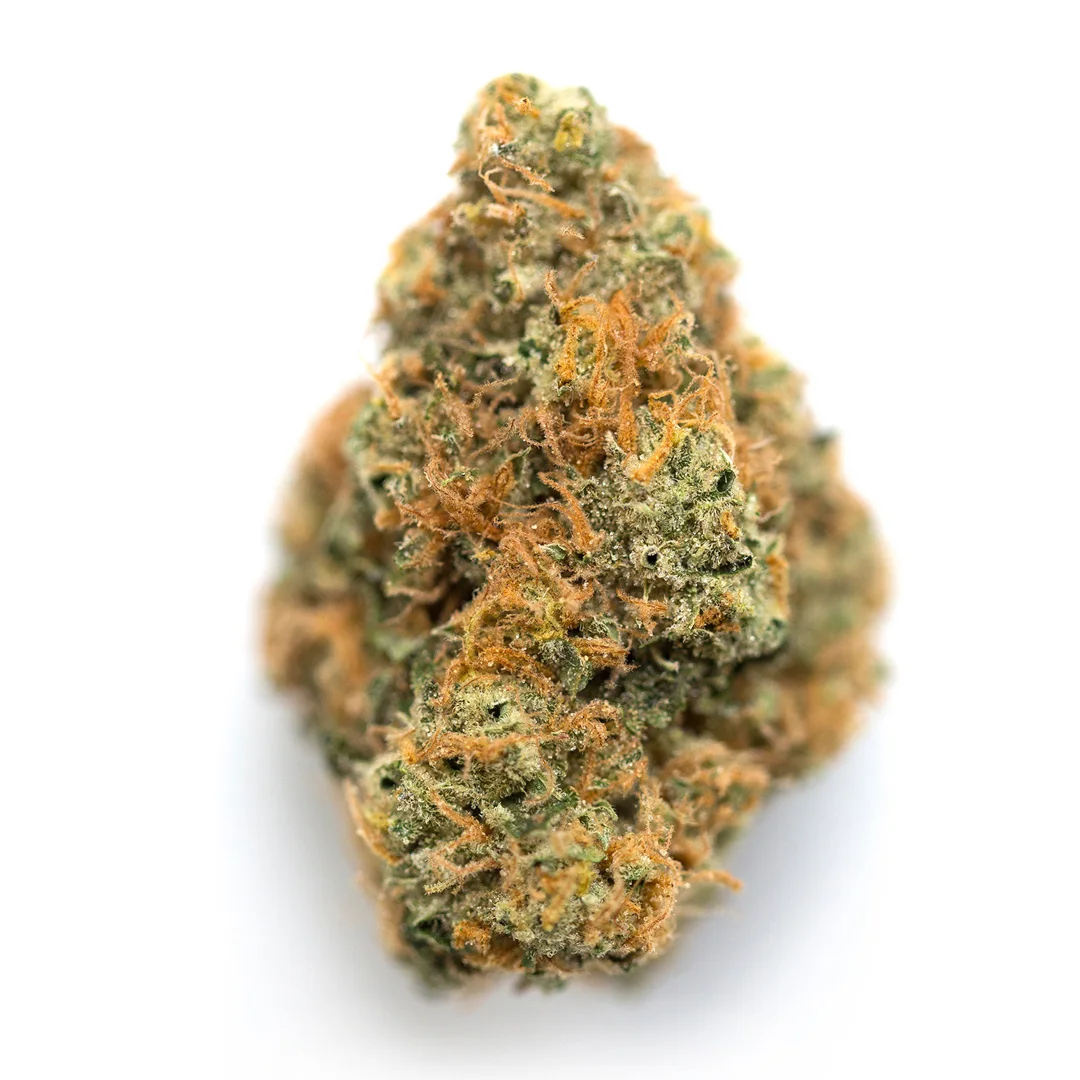
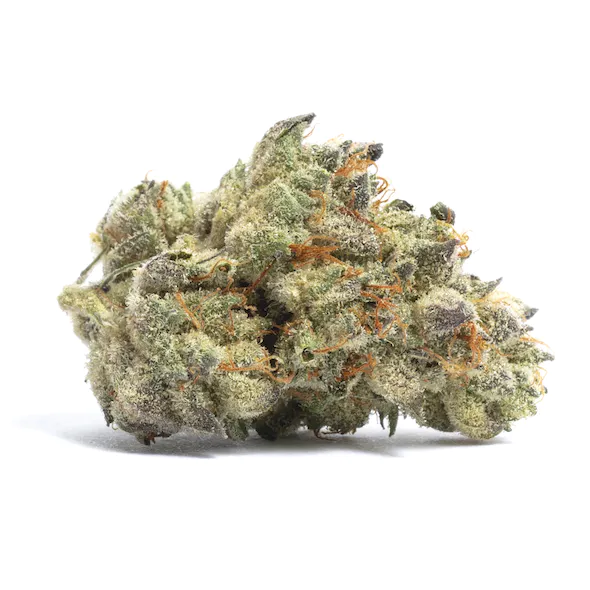
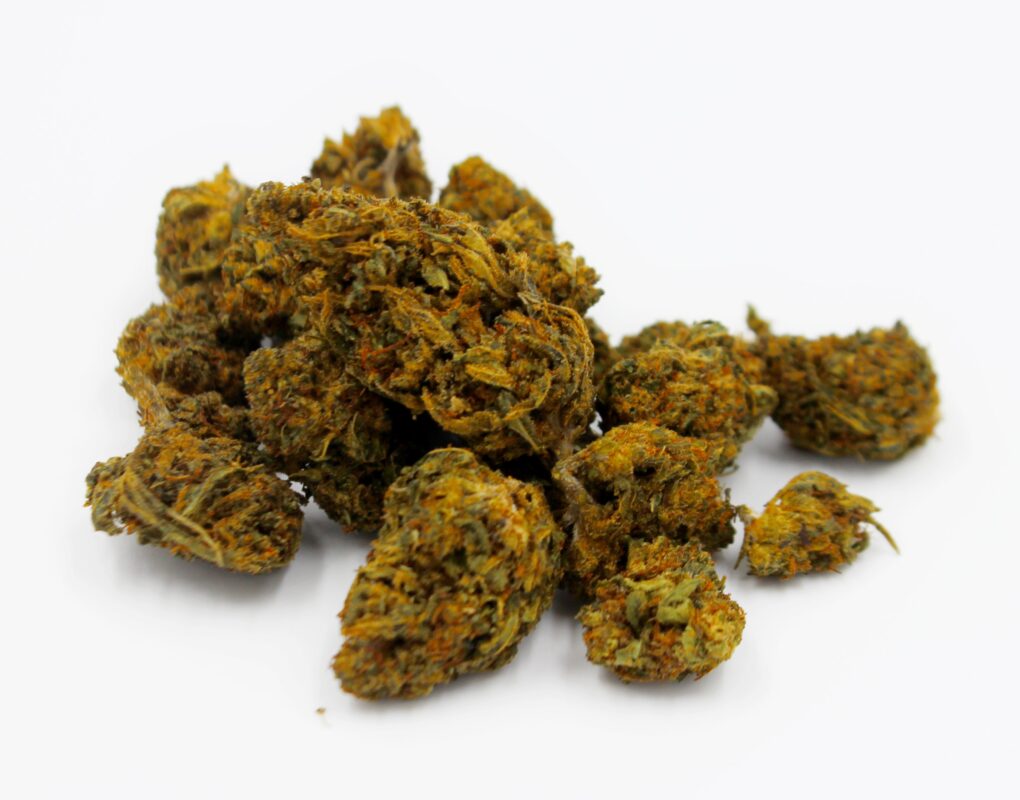
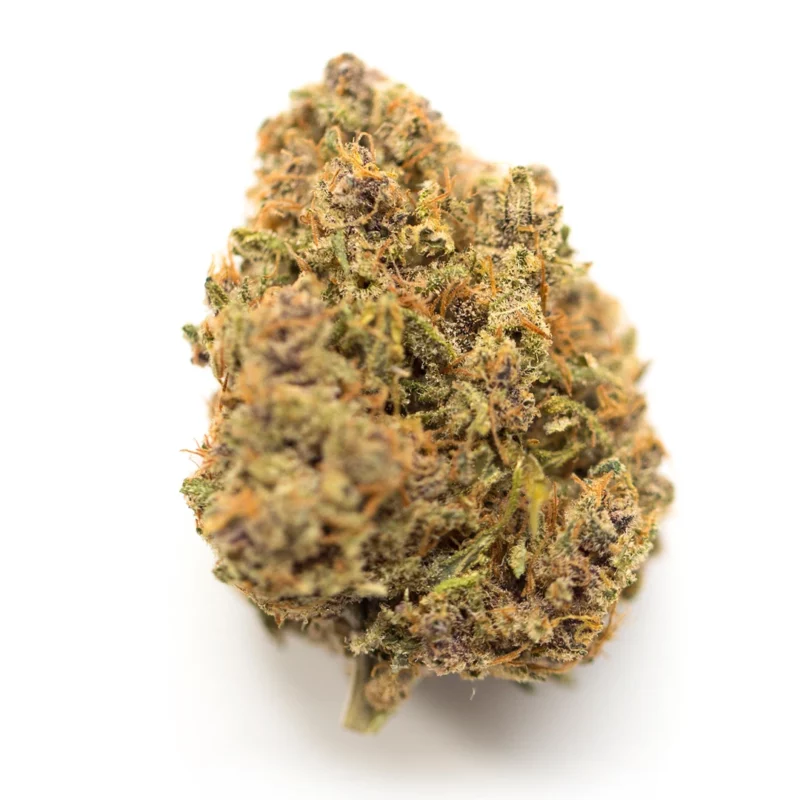
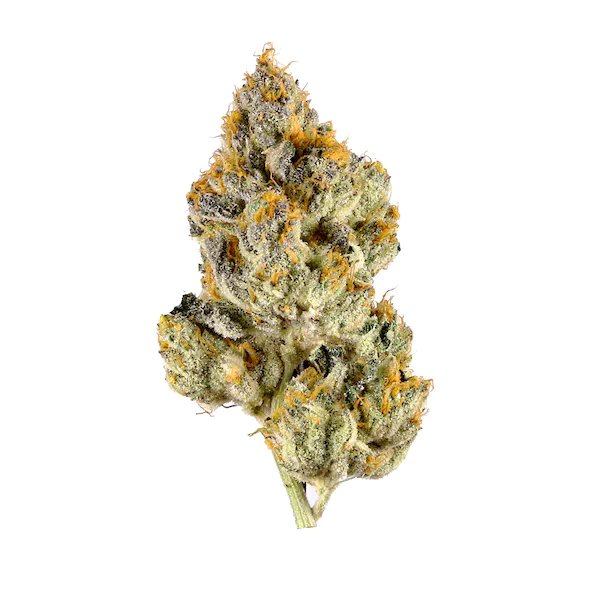
“Bud” is a common term for the smoked flower of the cannabis plant. It refers to the compact clusters that are harvested and cured for use. A high-quality piece of this is often called a “nug.”
Concentrates like “shatter” and “wax” have distinct names due to their textures. “Shatter” is recognized for its glassy appearance and is brittle to touch. “Wax,” on the other hand, has a softer, opaque consistency.
Products like “edibles” and “oils” cater to non-smoking users. “Edibles” are foods infused with cannabis, ranging from brownies to gummies. “Oil” is often used in vaporizers or for cooking, offering a more discreet consumption method.
Here’s a brief rundown of different product slang:
- “Hash” – Concentrated cannabis resin, often used in pipe form.
- “Kief” – The fine trichomes that fall off cannabis flowers.
- “Rosin” – Solventless concentrate created through heat and pressure.
These terms illustrate the diversity in cannabis consumption. Each form offers a different experience and caters to various preferences. Knowing them enhances one’s understanding of the cannabis landscape.
(slang terms for weed)

by Cova Software (https://unsplash.com/@covasoftware)
In essence, marijuana’s versatility is mirrored in its vocabulary. Slang words for different forms and products provide insight into the evolving nature of cannabis use. Familiarity with these terms also aids in making informed choices.
(slang terms for weed)
Slang for Methods of Consumption
The way cannabis is consumed has generated its own colorful vocabulary. These slang terms cover a variety of ingestion methods, each with its own charm.
Smoking remains the most common method, and terms like “joint,” “blunt,” and “spliff” are widely used. A “joint” refers to marijuana rolled in paper, while a “blunt” uses a cigar wrapper. A “spliff” blends tobacco with marijuana.
For those who prefer water filtration, a “bong” serves that purpose. This water pipe cools the smoke, providing a smoother experience. Those seeking discreet use might choose a “vape,” which vaporizes the cannabis, offering minimal odor.
Edibles are another popular method, with their own unique lingo. Infused foods and drinks mask the taste of cannabis for a different kind of high. People who prefer inhaling directly might opt for a “dab,” a concentrated form of cannabis consumed by heating the extract. (slang terms for weed)
Here’s a quick overview of consumption slang:
- “Pipe” – A simple device used for direct smoking.
- “Bubbler” – A small water pipe, portable like a pipe but smoother.
- “Cartridge” – Pre-filled vape unit containing cannabis oil.

by Jinsoo Choi (https://unsplash.com/@the_voyager141)
These slang terms reflect the creativity and innovation in cannabis consumption. Understanding them helps in choosing the best method for personal preferences and situations.
Slang for the Effects of Marijuana
The effects of marijuana are as varied as the slang used to describe them. Many terms capture the unique sensations and feelings that cannabis users experience.
Feeling “baked” is one way to describe being high. It’s a popular term that conveys a deeply relaxed state. Similarly, being “lit” indicates someone is having a good time while under the influence.
Those new to cannabis may feel “buzzed” initially. This sensation often starts with a mild euphoria. If someone overindulges, however, they might become “zooted,” referring to being extremely high.
Cannabis can also make users feel “chill,” a term for the calming effects. This is often pursued by individuals using cannabis to unwind after a long day. Conversely, certain strains make people feel “creative” or “euphoric.”
Cannabis effects terms include:
- “Faded” – Feeling drowsy but in a pleasant state.
- “Trippy” – Experiencing intensified sensory perceptions.
- “Geeked” – High and bubbly, often giggly or energetic.

by Cosmin Ursea (https://unsplash.com/@cosminursea)
These slang terms embody the broad spectrum of marijuana’s effects. They capture the nuanced experiences, from calm relaxation to bursts of creativity. As cannabis culture grows, so does the vocabulary surrounding its diverse impacts.
Slang for Cannabis Strains and Quality
When discussing cannabis, slang often highlights the strain and quality. This linguistic creativity helps users identify what they’re consuming.
“Kush” is a term many enthusiasts know. It refers to strains from the Hindu Kush mountains. These strains are often valued for their robust effects and rich flavors.
“Chronic” is another term signifying top-shelf marijuana. Popularized by Dr. Dre, it represents cannabis of superior quality and potency. This designation often commands higher prices in dispensaries.
Potent marijuana may also be called “dank.” This slang emphasizes the strong smell and high THC content of certain strains. Another term for high-grade cannabis is “skunk,” known for its distinctive aroma.
Cannabis strain-related slang includes:
- “Sativa” – Energizing and uplifting strains.
- “Indica” – Relaxing and sedative strains.
- “Hybrid” – Crossbreeds balancing effects of both Sativa and Indica.

by Aarón Ruiz (https://unsplash.com/@karuiz)
Understanding these terms aids in selecting the right cannabis for personal preferences. Whether seeking relaxation, creativity, or energy, the right strain can enhance the experience. The precise terminology around strains and quality reflects cannabis culture’s intricate nature.
Modern and Social Media Weed Slang
In the age of social media, weed slang is constantly evolving. The internet has created a platform where new terms spread rapidly.
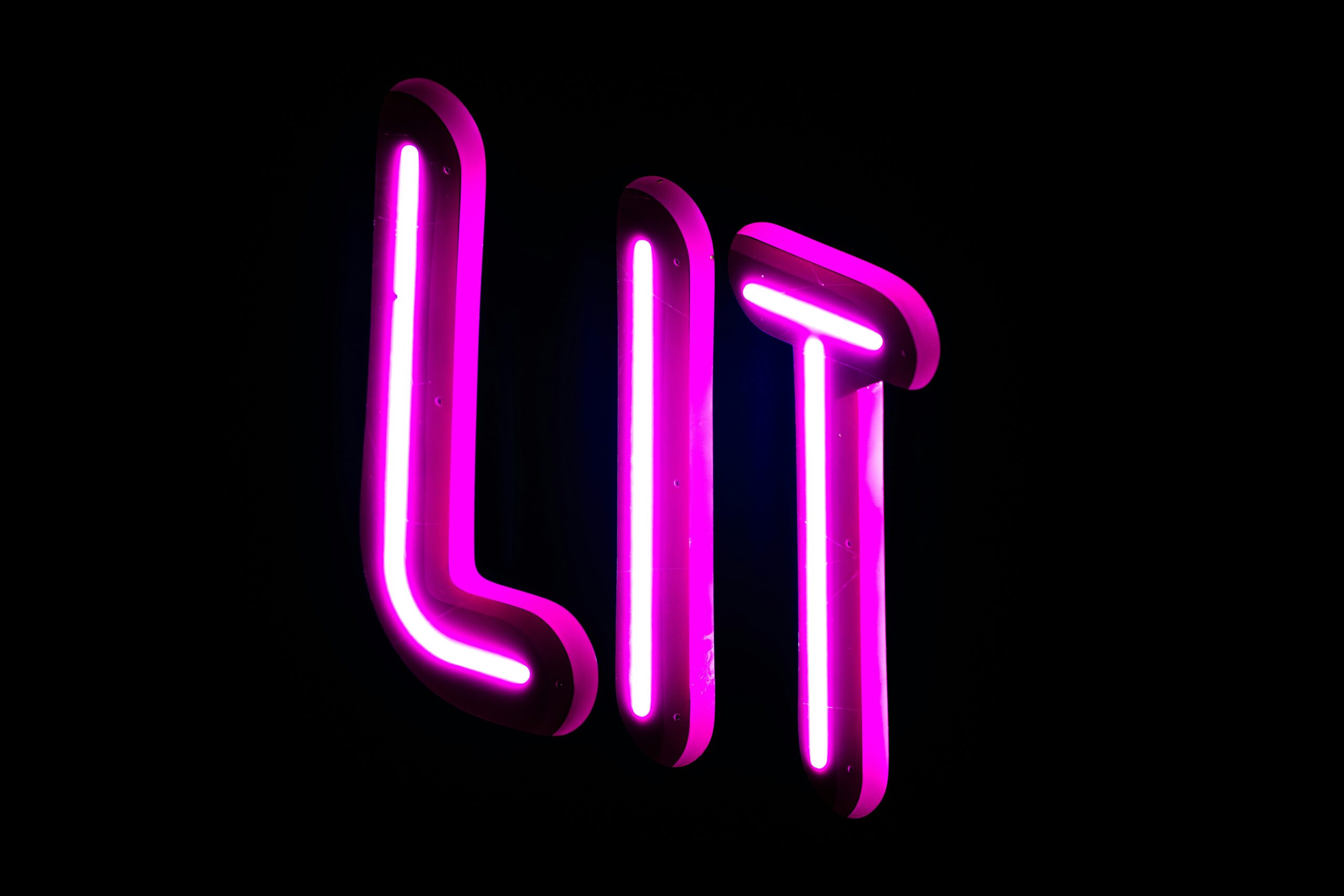
“Lit” is one modern term for being high. This term is widely used across social media platforms and real life. It describes the enjoyable and lively effects of cannabis.
Another popular term is “zooted.” This slang describes someone who is very high. It’s a playful way to express a more intense level of intoxication.
Sometimes, specific numbers symbolize cannabis culture. “420” is a classic example. It signifies the time or date associated with marijuana, like a secret code understood globally.
New slang includes:
- “Dankrupt” – Out of weed.
- “Cushy” – High-quality weed, derived from “Kush.”
- “Gas” – Slang for strong and potent weed.
by Talon-Kai Honeyman (https://unsplash.com/@seenbytk)
These terms often trend online, reflecting their cultural impact. They show how language adapts with technology and social media influences. Weed slang will keep evolving as new generations redefine cannabis culture.
Frequently Asked Questions About Weed Slang
Weed slang can be confusing to those new to cannabis culture. Often, people have questions about these terms and their meanings.
A common question is why there are so many slang words for weed. The variety reflects the diverse cultures and communities that use marijuana.
Some may wonder about the origins of specific terms. Words like “ganja” and “pot” have historical roots and come from different languages and regions.
Here are some frequently asked questions:
- What is the most popular slang term for marijuana today?
- How do slang terms for weed change over time?
- Are slang terms for weed different in various countries?
Understanding weed slang helps navigate cannabis culture and communicate within the community. As marijuana becomes more widely accepted, awareness of these terms continues to grow. Slang offers insight into the cultural significance and social dynamics surrounding cannabis use.
Conclusion: The Ever-Evolving Language of Weed
The language of weed is ever-changing, reflecting its diverse cultural impact. New terms emerge as marijuana continues to blend into mainstream society.
This dynamic evolution mirrors changes in legal status and social acceptance. Cannabis slang not only captures the essence of marijuana culture but also influences how it is perceived worldwide.
Whether you’re a seasoned enthusiast or just curious, understanding these terms enhances your appreciation of cannabis culture. As slang evolves, it further enriches the vibrant tapestry of marijuana’s role in society.


