











Understanding the Meaning of Cultivar in Botany
Have you ever wondered why every single ‘Gala’ apple at the supermarket delivers the exact same crisp, sweet bite, while apples from a wild tree in the woods are entirely unpredictable in size and flavor? According to agricultural historians, this incredible uniformity is not a random act of nature. It comes down to a deliberate type of human intervention that ensures the fruit you buy today perfectly matches the fruit you enjoyed last week.
The secret behind this reliable perfection lies in a word you have likely spotted on nursery tags but perhaps ignored: the cultivar. If you are curious about the cultivar meaning, it is a helpful mash-up of two common terms—”cultivated” and “variety.” While wild plants constantly cross-pollinate and create completely inconsistent offspring, a cultivar is a designer plant specifically chosen and copied by humans to preserve an exact trait, whether that is a vibrant petal color or a sweeter taste.
Recognizing what is cultivar selection instantly changes how you approach your backyard projects. In everyday gardening basics, identifying these unique names acts as your ultimate key to shopping success. Because these tailored plants are effectively botanical twins of their original parent, you can confidently buy a labeled rose or tomato at your local hardware store, knowing it will provide predictable results rather than a frustrating surprise.

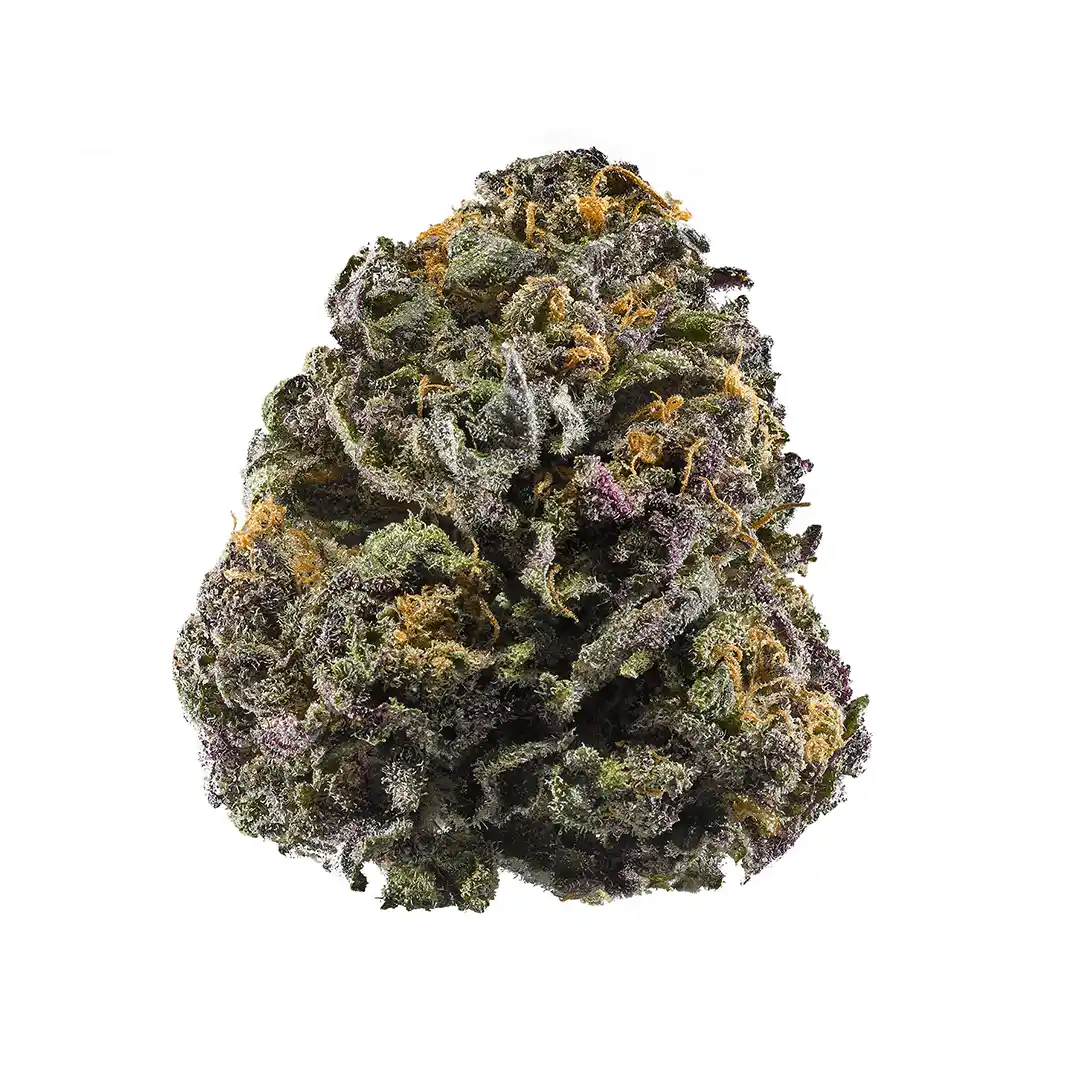
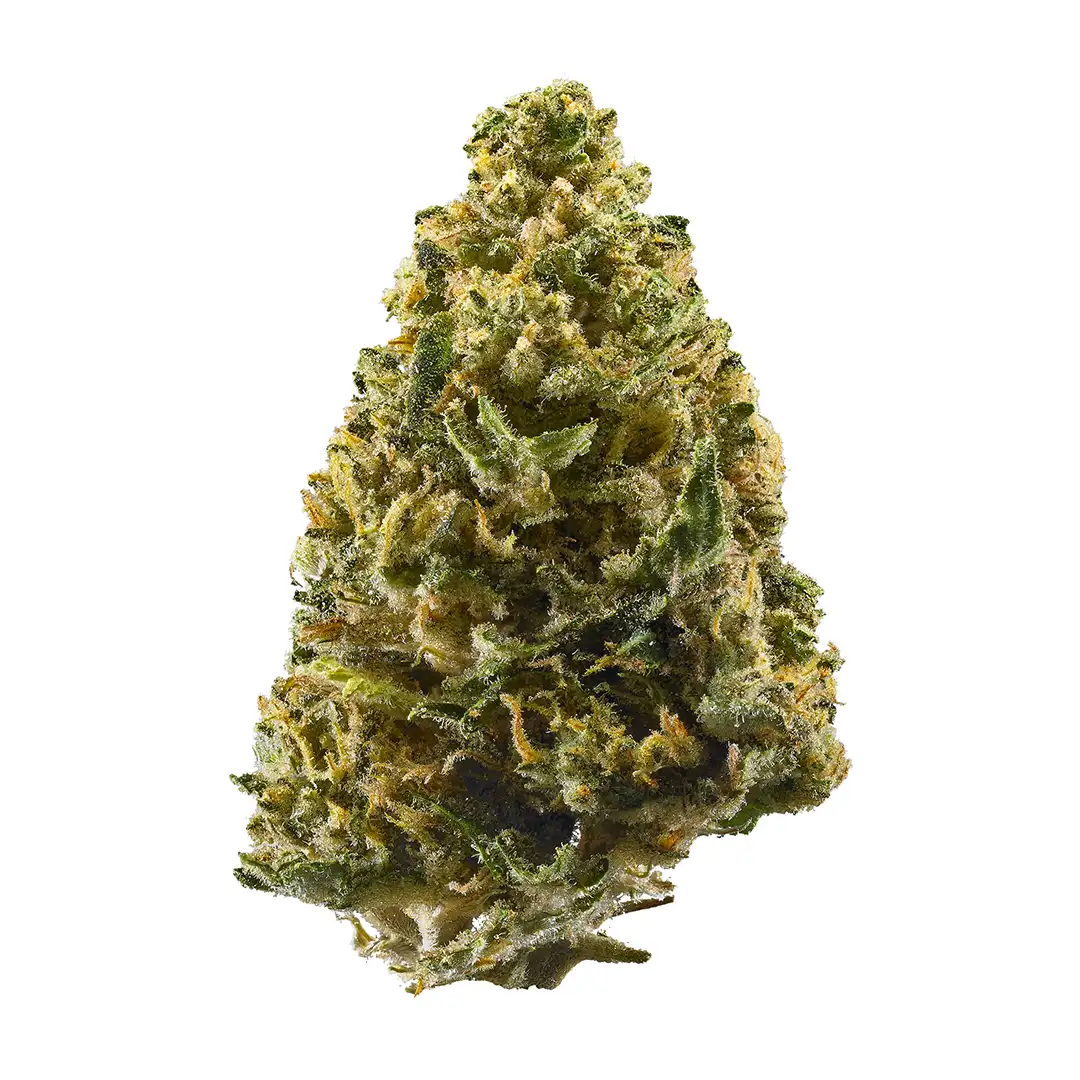
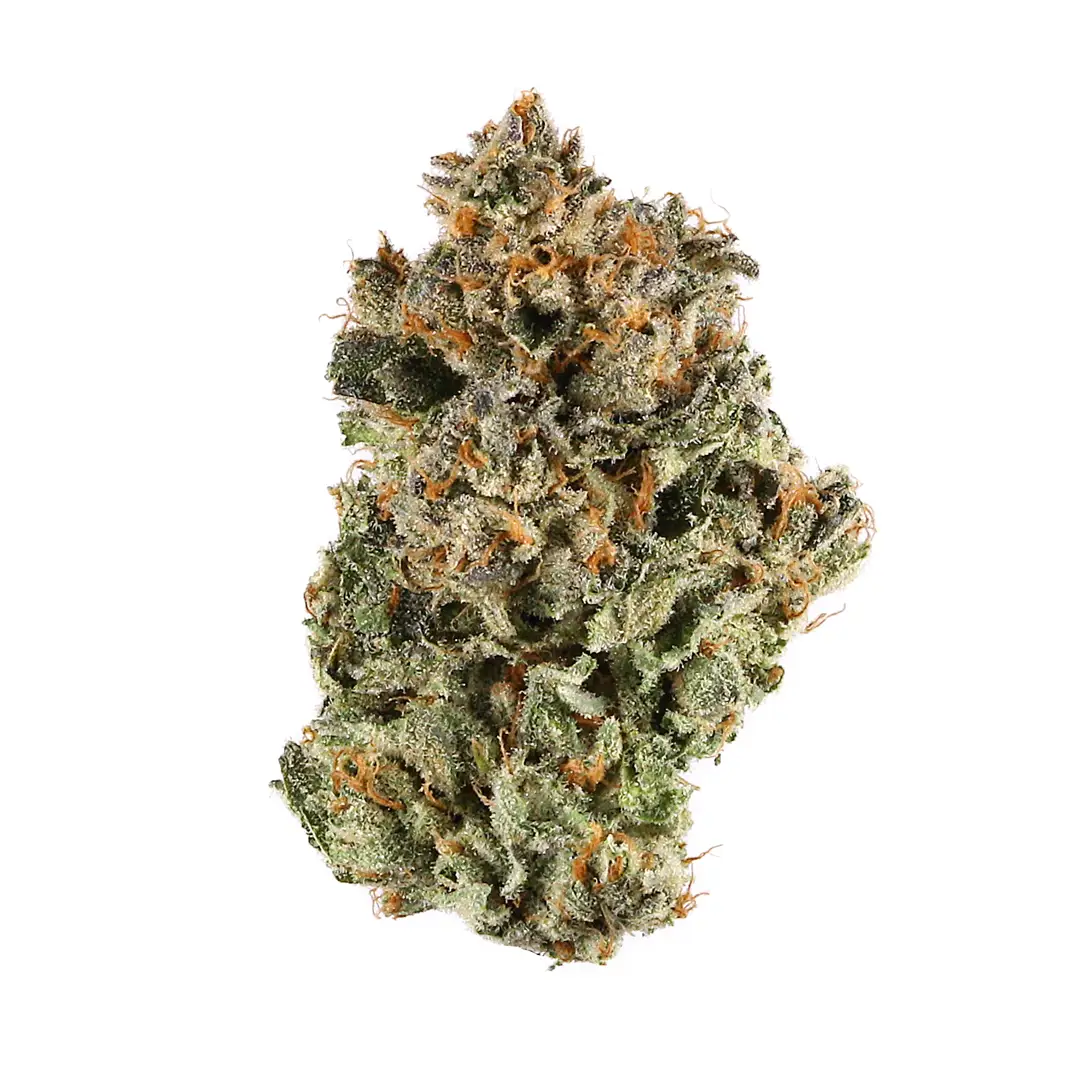
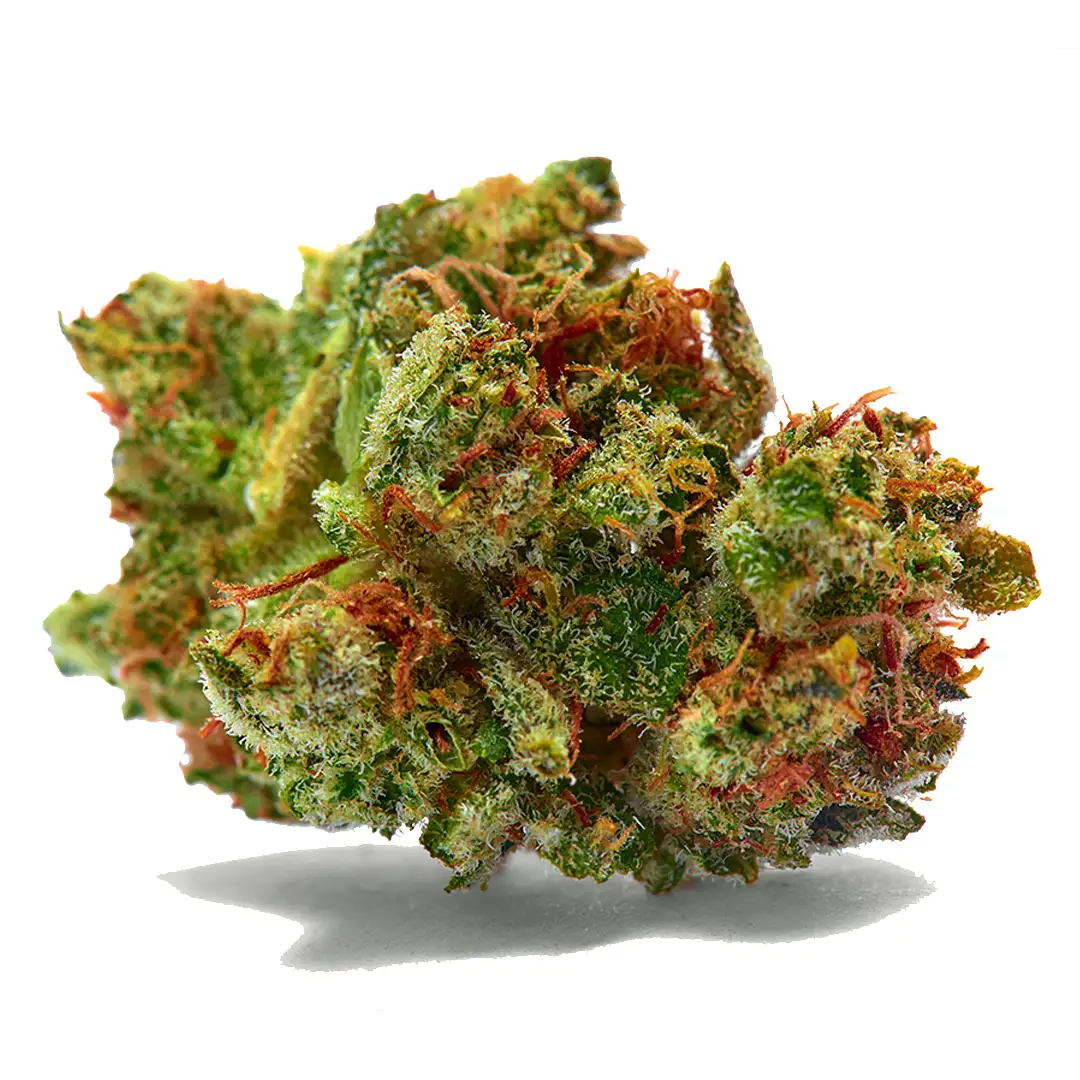
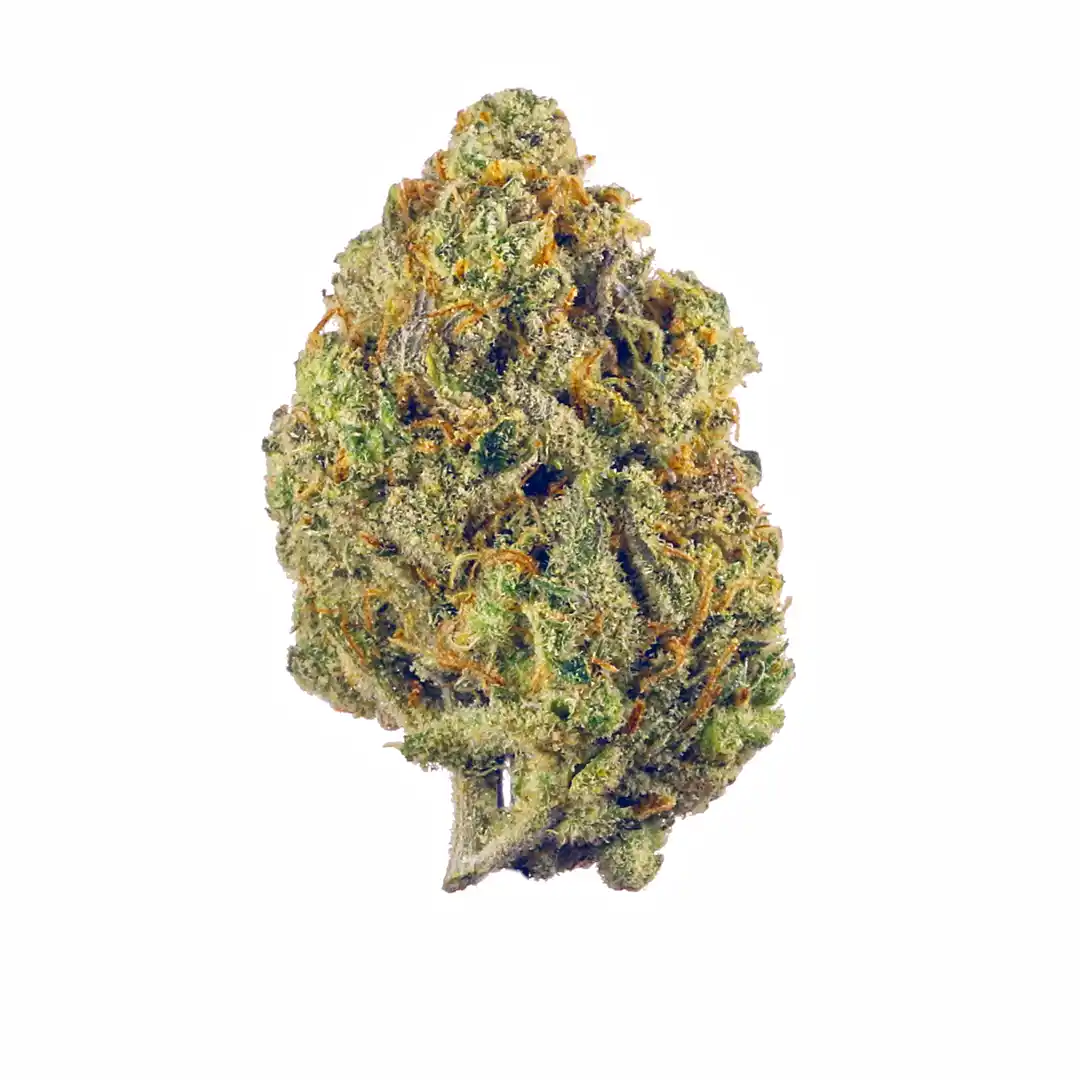
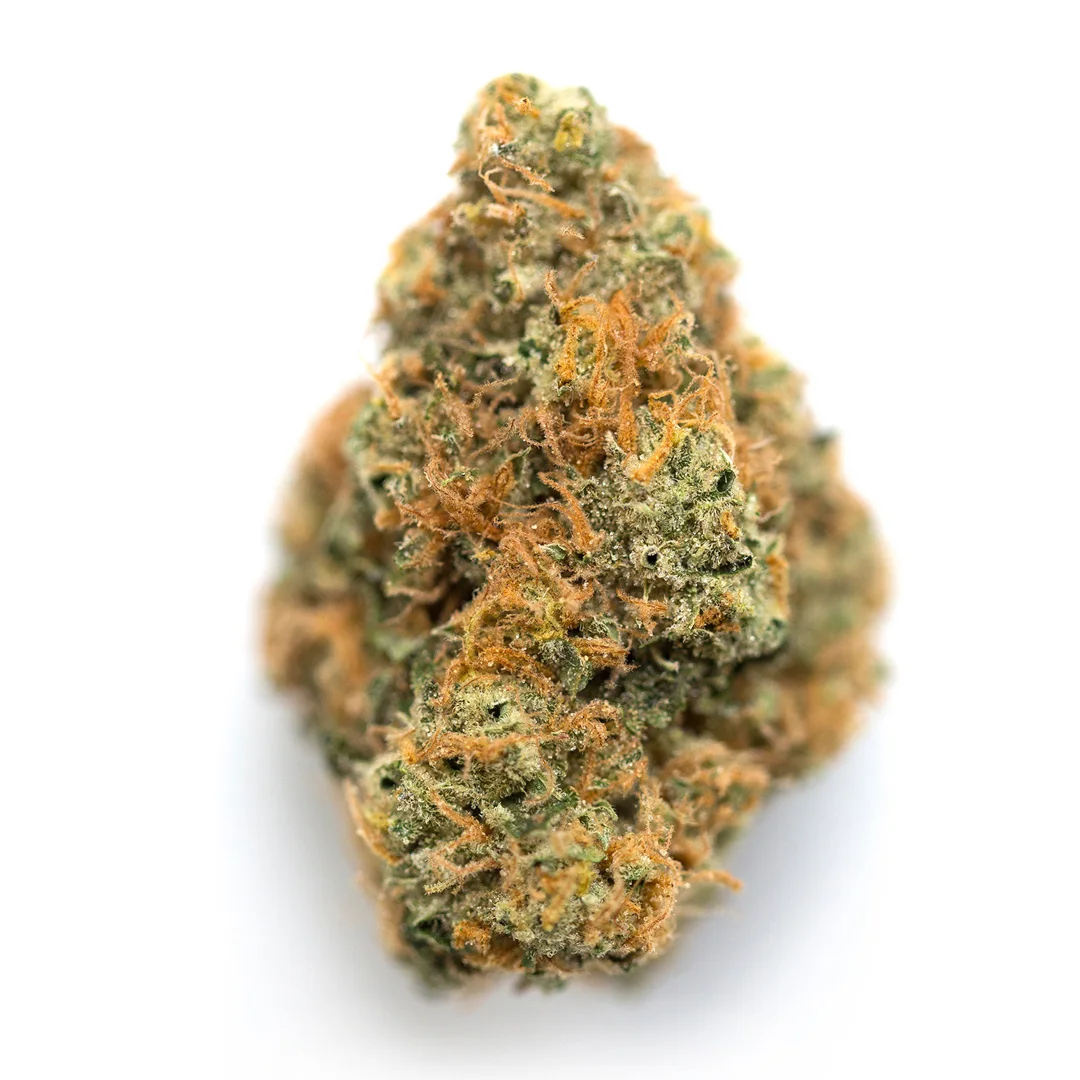
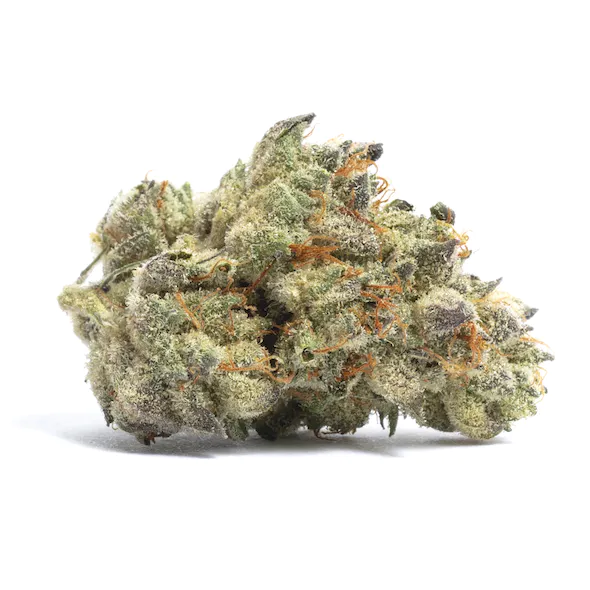
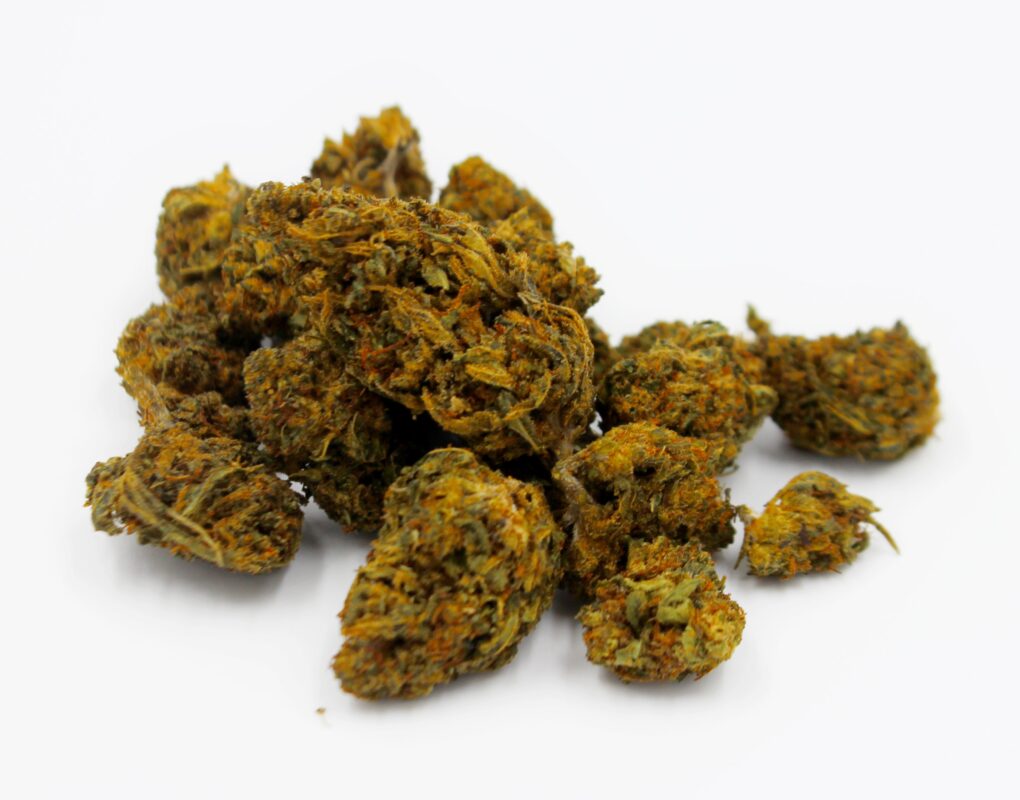
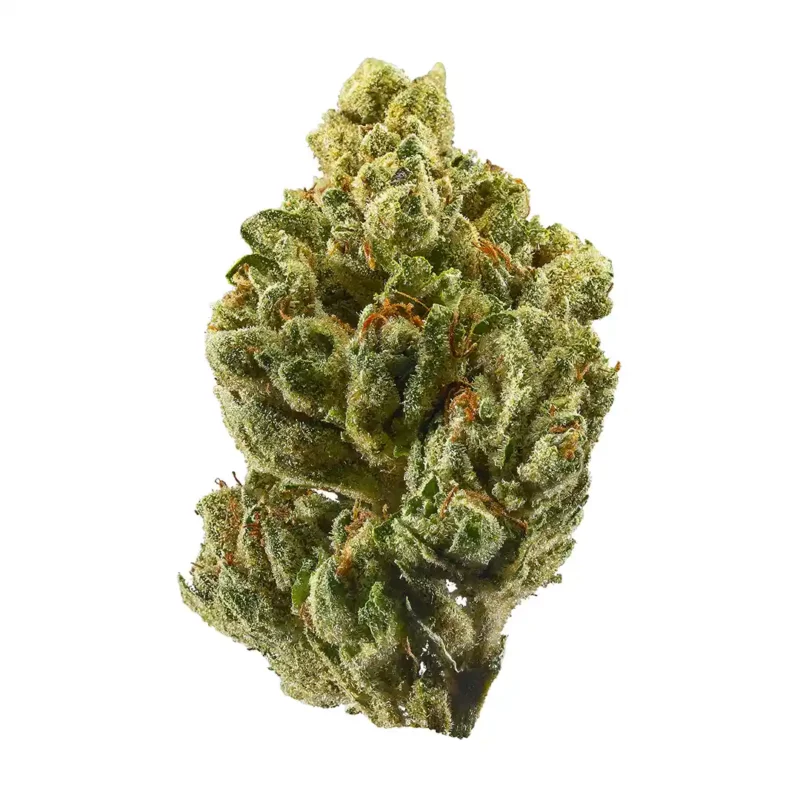
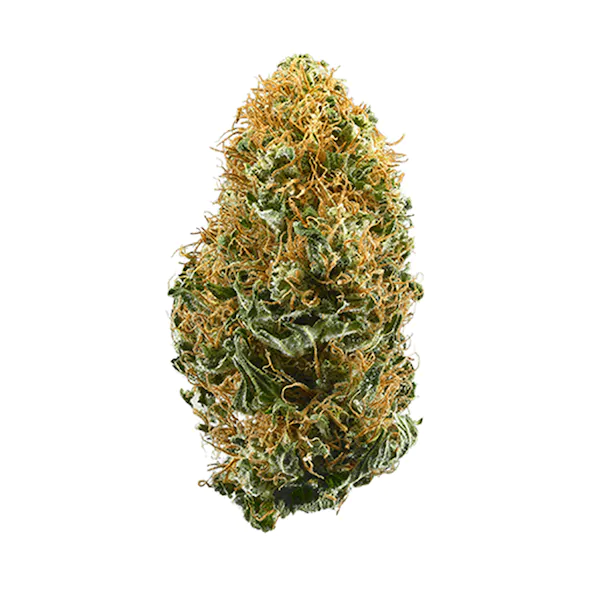
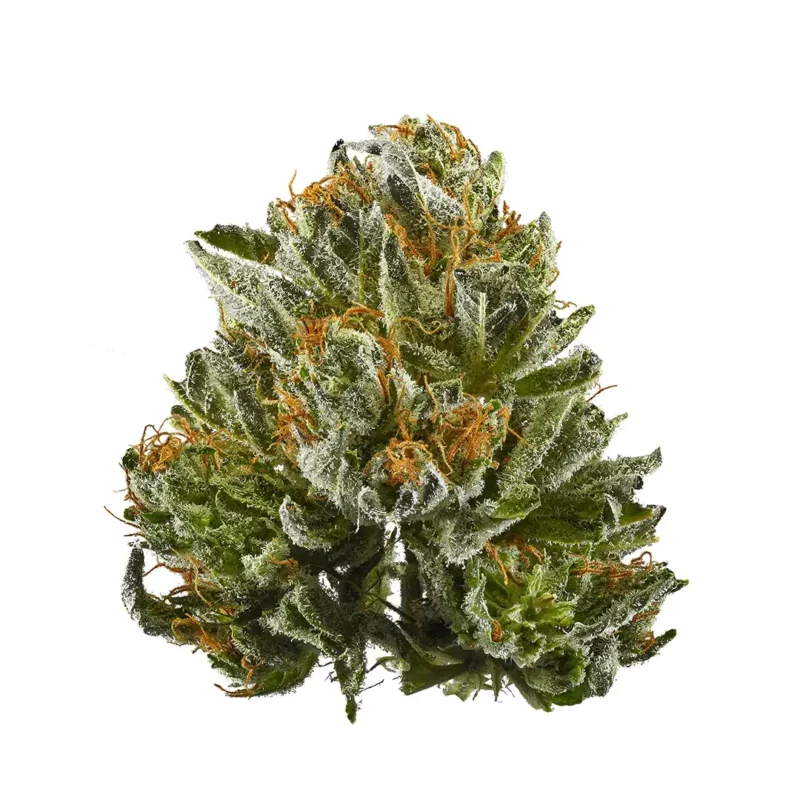
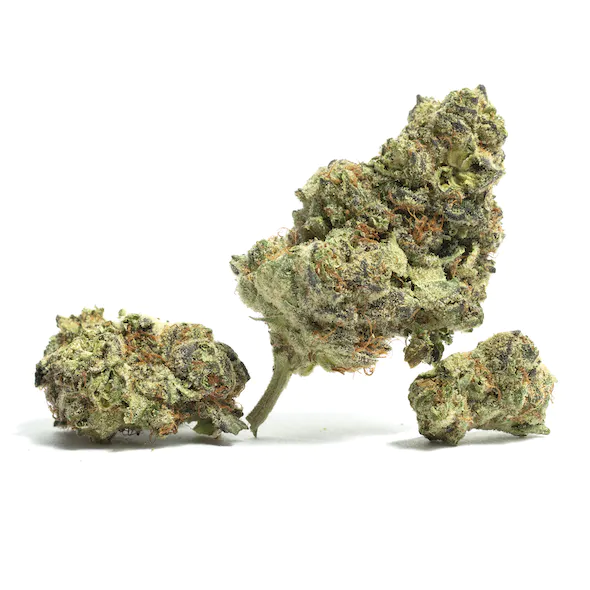
Cultivar Meaning in the Cannabis Community (and Why “Strain” Isn’t Quite the Same)
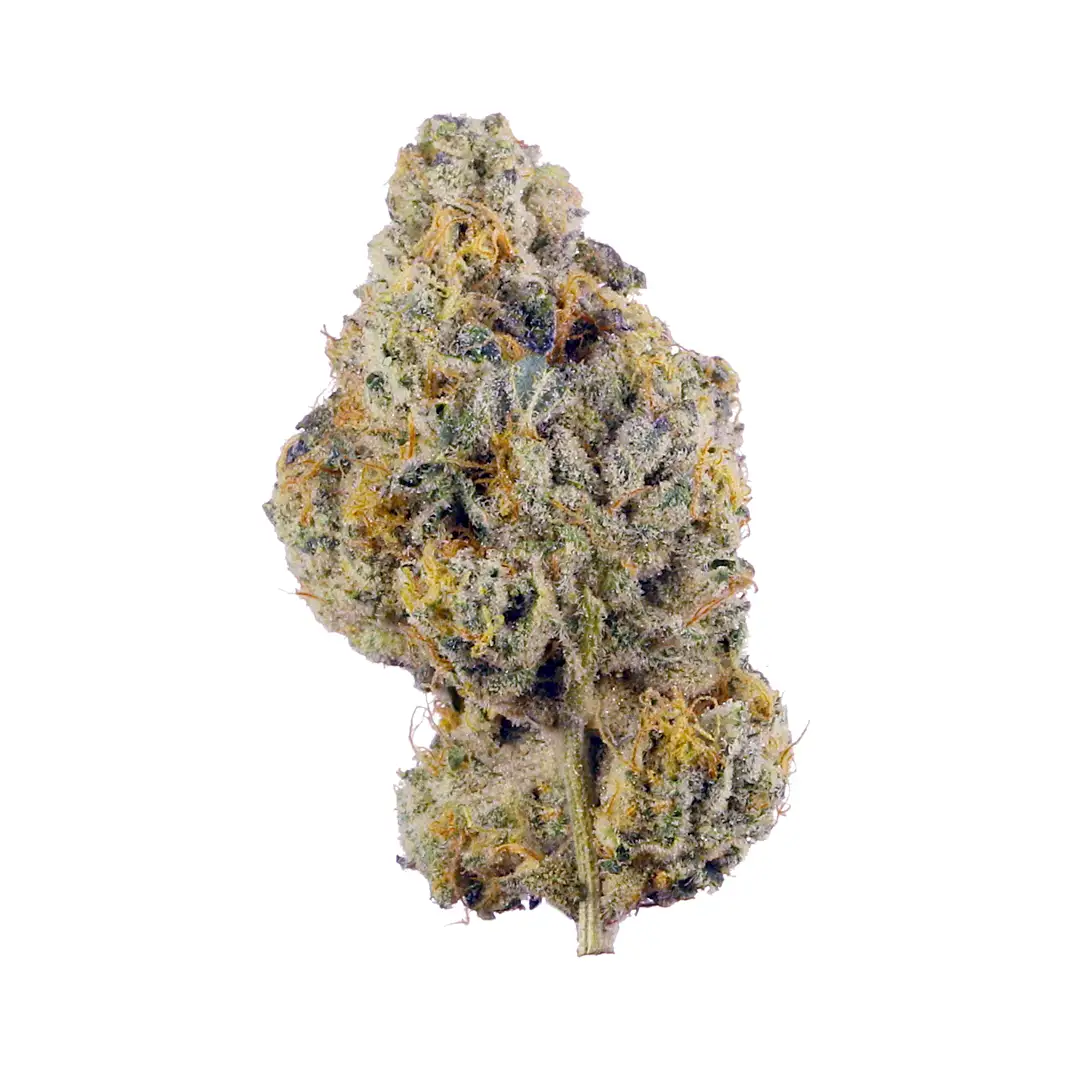
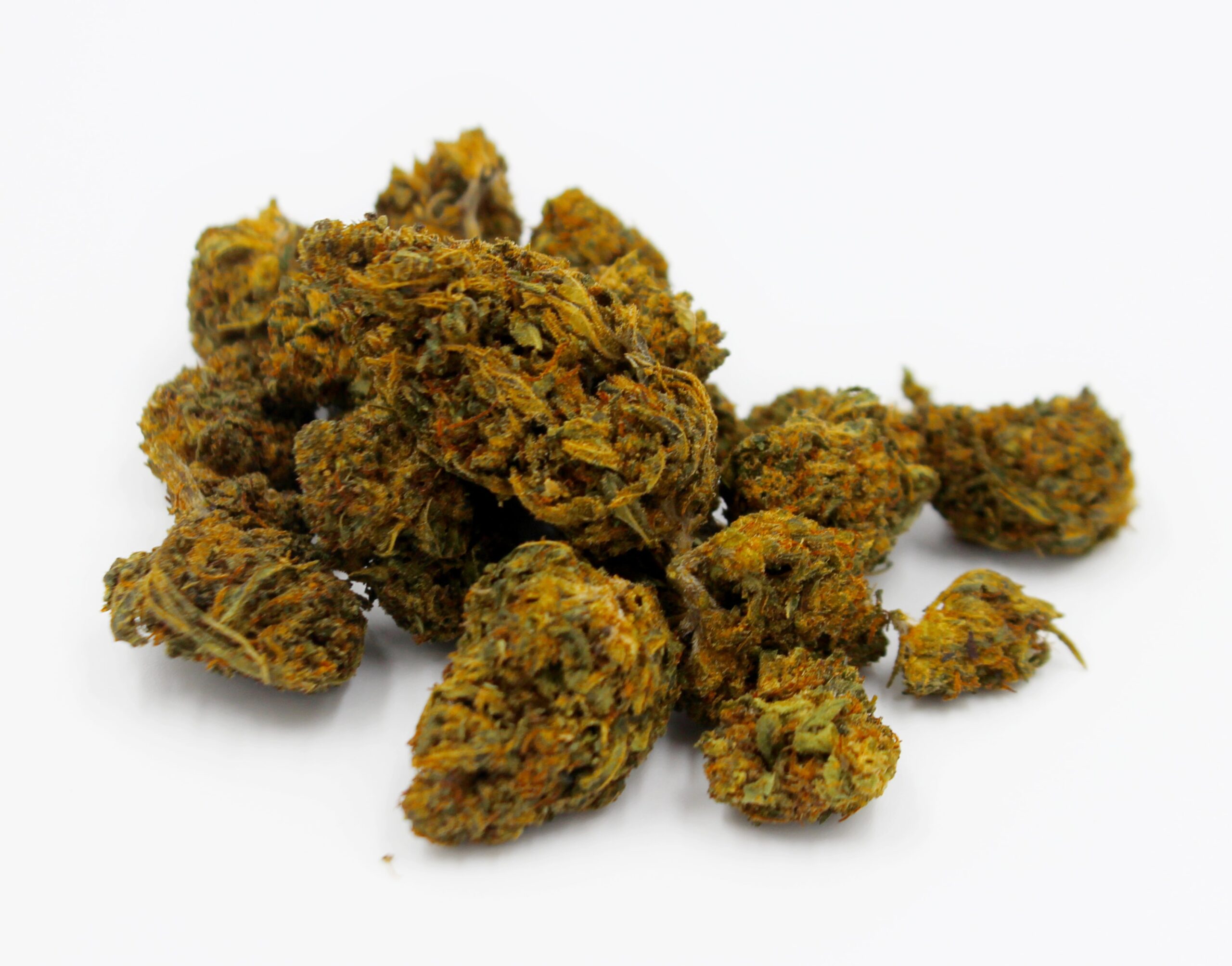
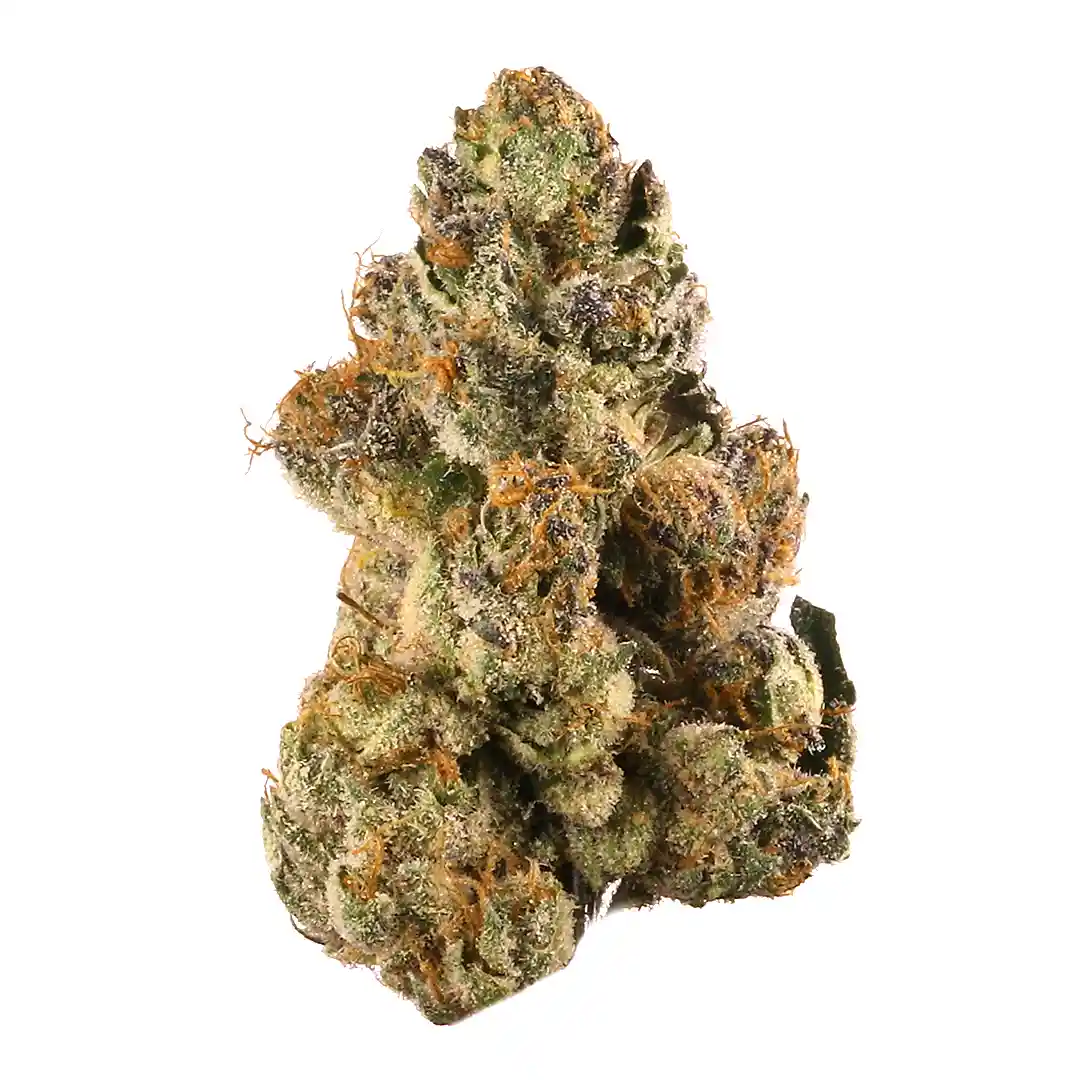
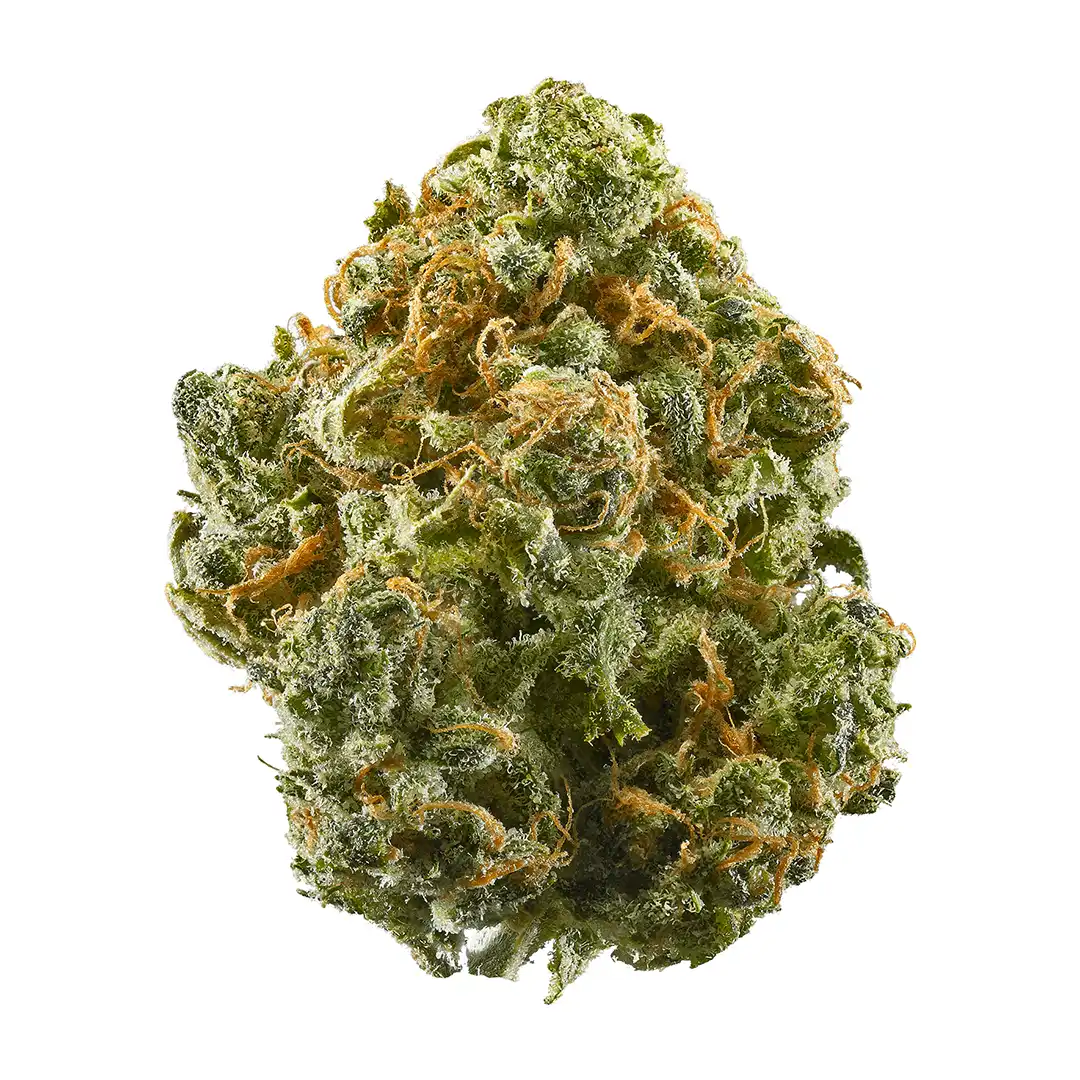
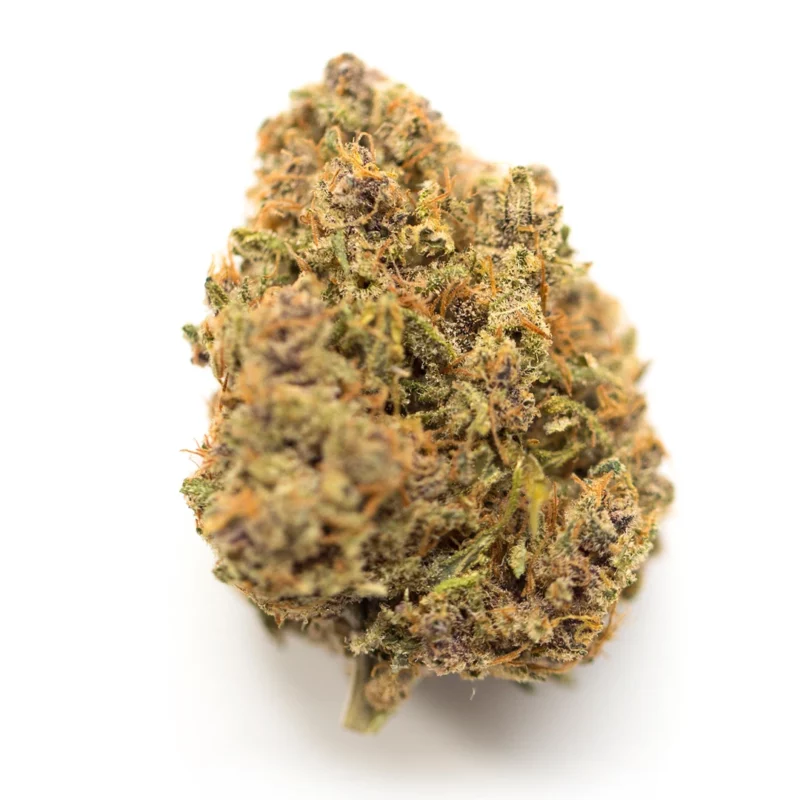
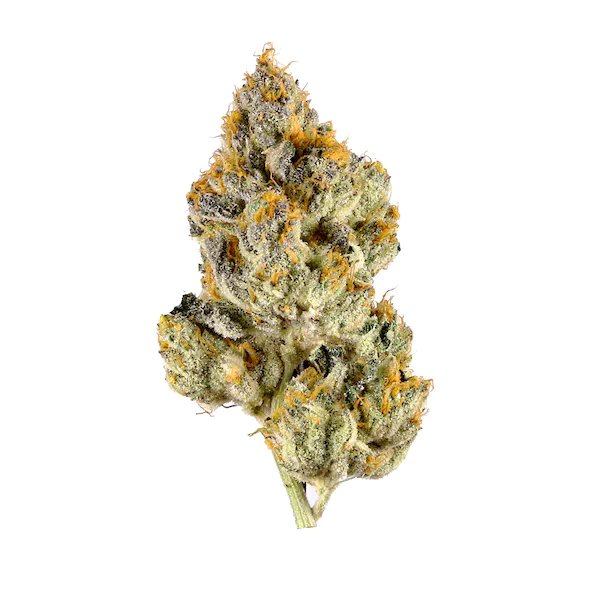
In cannabis discourse, cultivar refers to a cultivated variety: a plant line that’s been selected and maintained for a relatively stable set of traits (for example, morphology, aroma profile, chemotype, or flowering behavior). The term is borrowed from botany and horticulture, and it’s often more precise than the popular word “strain,” which is widely used in retail contexts but can be scientifically ambiguous. (cultivar meaning)
A key reason “cultivar” matters in cannabis is variation. Even when two products share the same market name, their underlying genetics and expressed traits may differ due to breeding history, propagation method (seed vs. clone), and environmental factors that influence phenotype. As a result, “cultivar” is frequently used by breeders, nurseries, and researchers to emphasize lineage and reproducibility rather than branding. (cultivar meaning)
In regulated markets, cultivar language also intersects with labeling, testing, and traceability. A cultivar name may function as a shorthand identifier for a genetic line, but compliance frameworks typically rely on batch-specific data (such as certificate-of-analysis results) to describe chemical composition. This is one reason consumers may encounter the same cultivar name attached to products with meaningfully different cannabinoid/terpene results across producers or harvest lots. (cultivar meaning)
Finally, “cultivar” can signal a move toward standardized nomenclature in cannabis—closer to conventional agriculture—while still coexisting with community-driven naming conventions. In that sense, the term captures both the plant’s horticultural reality and the industry’s ongoing effort to align popular categories with botanical and analytical specificity.
The Simple Math Behind the Word ‘Cultivar’: Where Botanical Names Come From (Cultivar Meaning)
When you browse the aisles of your local garden center, you are looking at plants specifically chosen to thrive in your yard. The secret to this tailored performance lies in the cultivar definition. While it might sound like complicated science, the word is actually a simple portmanteau—a linguistic mash-up created by combining two different ideas: (cultivar meaning)
- Cultivated: A plant nurtured, selected, or bred by human hands for specific traits like sweeter fruit or brighter petals.
- Variety: A distinct type or version of a plant. (cultivar meaning)
Combining these halves gives us the ‘cultivar,’ which you might occasionally spot on plant tags hidden among other botanical terms as the cultivated variety abbreviation cv. Unlike a wild flower you stumble across in the woods, a plant featured in a shiny nursery catalog didn’t just happen by chance. It was purposefully chosen by people to guarantee you get the exact same results every single time you plant it. (cultivar meaning)
Cultivar vs. Variety: Why Nature Creates One and Humans Build the Other
Walking through the woods, you might spot a white bluebell growing among a sea of purple. That spontaneous color change is nature creating what botanists officially call a variety. When a plant naturally mutates and successfully passes those unique traits down to its seedlings, it earns a distinct place on the family tree. This is the core of the botanical difference between a cultivar and a variety: a true variety occurs naturally in the wild and reliably grows identical babies from its own seeds without any human help.
Human intervention flips this script entirely. If a gardener spots an unusual wild flower, digs it up, and selectively breeds it for brighter petals, we cross the line distinguishing natural and man-made plants. The plant is now elevated to a special category just for our gardens, receiving the formal taxonomic rank of cultivated plants. Because these showstoppers are specialized products of human selection, their seeds carry a chaotic mix of unpredictable genetics. Planting a seed from a prized tomato cultivar will likely sprout a disappointing, wild-looking stranger instead of the juicy fruit you expected. (cultivar meaning)
This distinction makes you a much smarter shopper at the local garden center. When chatting with nursery staff, knowing that a natural variety comes true from seed—while a human-made cultivar usually cannot—saves you from wasting seasons trying to grow complex hybrid roses from dried pods. To ensure you get the exact same vibrant colors every time, growers must abandon seeds entirely and rely on cloning. (cultivar meaning)
The ‘Copy-Paste’ Secret: Why Cultivars Require Cloning to Stay the Same
Saving a seed from a delicious ‘Honeycrisp’ apple and planting it in your yard will likely result in disappointment. A cultivar’s seeds contain a chaotic mix of parent traits, making them a complete gamble. To guarantee the exact same crisp bite, growers rely on plant cloning. By taking a living piece of the original plant rather than a seed, they bypass unpredictable genetics entirely. This strategy focuses on maintaining genetic purity, ensuring every single ‘Honeycrisp’ sold today is literally an identical twin to the original discovery. Those rules also affect what you can do at home. Spotting a PVP label (Plant Variety Protection) means you cannot legally clone that cultivar from cuttings to sell to others. While commercial propagation is restricted, these patented plants perform so reliably that they easily justify the extra cost. (cultivar meaning)
Creating these perfect twins requires hands-on techniques rather than simply tossing seeds into the dirt. Nursery professionals rely on three main asexual propagation methods for clones:
- Cuttings: Snipping a leafy stem and rooting it directly in soil.
- Grafting: Splicing a cultivar branch onto a tough root system—labor-intensive work explaining why some specialty trees cost more.
- Tissue Culture: Growing microscopic plant pieces in a specialized lab. Those rules also affect what you can do at home. Spotting a PVP label (Plant Variety Protection) means you cannot legally clone that cultivar from cuttings to sell to others. While commercial propagation is restricted, these patented plants perform so reliably that they easily justify the extra cost. (cultivar meaning)
Once successfully duplicated, these plants receive a special botanical ID badge on their tags. Those rules also affect what you can do at home. Spotting a PVP label (Plant Variety Protection) means you cannot legally clone that cultivar from cuttings to sell to others. While commercial propagation is restricted, these patented plants perform so reliably that they easily justify the extra cost. (cultivar meaning)

Decoding the Secret Language of Plant Tags and Single Quotes
Next time you stroll through the garden center, take a closer look at the plastic tags stuck in the pots. You might notice that while the first part of a plant’s name looks like complicated, italicized Latin, the second part is often a familiar word enclosed in single quotation marks. This is not a typo; it is the official cultivar name format dictated by the International Code of Nomenclature for Cultivated Plants. Think of those single quotes as a verified botanical ID badge. They guarantee that a breeder intentionally selected and cloned this exact plant for desirable traits like brighter flowers or a sweeter harvest. Those rules also affect what you can do at home. Spotting a PVP label (Plant Variety Protection) means you cannot legally clone that cultivar from cuttings to sell to others. While commercial propagation is restricted, these patented plants perform so reliably that they easily justify the extra cost. (cultivar meaning)
These naming conventions for garden plants completely transform how you shop. If you buy a tomato, the italicized words tell you its wild ancestry, but the name tucked inside the quotes tells you exactly which delicious twin you are taking home. Occasionally, nurseries will slap flashy trademarked brand names on pots in big letters, but the true plant identity always sits quietly inside those single quotes. (cultivar meaning)

Hybrids vs. Cultivars: Is Every ‘Designer’ Plant the Same?
Is a cultivar the same as a hybrid? While often used interchangeably, these terms actually describe completely different parts of the plant breeding and selection process. A hybrid tells you how a plant was made—usually by intentionally cross-pollinating two different parent plants to combine desirable traits, like a tomato with both disease resistance and sweet flavor. Conversely, a cultivar is a status. It simply means a human decided a specific plant was special enough to name, clone, and sell. Therefore, while many “designer” cultivars are hybrids, a cultivar can also just be a lucky, naturally occurring mutation someone spotted in a field. Those rules also affect what you can do at home. Spotting a PVP label (Plant Variety Protection) means you cannot legally clone that cultivar from cuttings to sell to others. While commercial propagation is restricted, these patented plants perform so reliably that they easily justify the extra cost. (cultivar meaning)
Browsing through spring seed catalogs, you will frequently spot “F1 Hybrid” stamped across vegetable packets. This label highlights a specific type of cultivar created by crossing two purebred parent lines for maximum vigor and uniformity. However, because these F1 plants are essentially first-generation botanical formulas, they will not produce a stable plant variety if you save their seeds—the offspring will grow into an unpredictable mix of their grandparents. (cultivar meaning)
Heirloom Seeds vs. Modern Cultivars: Finding Your Garden’s Best Fit
Strolling down the seed aisle, you might notice packets proudly labeled “heirloom” alongside standard options. An heirloom is essentially just a very old, stable cultivar that has been passed down through generations of gardeners. These vintage varieties are open-pollinated plants, meaning they rely on insects or wind to share pollen naturally. Because their genetics have stabilized over decades, if you save a seed from a classic ‘Brandywine’ heirloom tomato, it will reliably grow into that exact same tomato next year.Those rules also affect what you can do at home. Spotting a PVP label (Plant Variety Protection) means you cannot legally clone that cultivar from cuttings to sell to others. While commercial propagation is restricted, these patented plants perform so reliably that they easily justify the extra cost. (cultivar meaning)
Today’s breeders, however, often focus on entirely different plant characteristics to solve everyday gardening frustrations. When weighing heirloom seeds against modern cultivars, it helps to match their distinct advantages to your specific backyard goals:
- Heirlooms: Prized for incredible, complex flavors and the ability to save seeds year after year for free.
- Modern Cultivars: Engineered specifically for high yields, uniform shapes, and crucial disease resistance that helps them survive local pests and harsh weather. (cultivar meaning)
Choosing between a finicky but flavorful antique and a rugged, modern workhorse ultimately depends on your personal priorities. If you want a dependable, low-maintenance harvest that fights off seasonal blight, a modern cultivar is your safest bet. Conversely, if your goal is experiencing unique tastes or preserving seeds to save money, those vintage cultivars are unmatched. While nature freely shares heirloom genetics, keeping newer designer plants exclusive involves legal patents and propagation rights. (cultivar meaning)
The Hidden World of Plant Patents and Propagation Rights
Flipping over a nursery tag, you might spot warnings like “Asexual Propagation Prohibited” and wonder why a flower needs legal protection. Developing a hardy, disease-resistant rose takes years of expensive research. To safeguard that investment, creators use plant breeders rights and patents, treating these botanical breakthroughs as plant intellectual property. This explains why newer designer plants carry a higher price tag—part of your purchase pays a royalty fee to the breeder. (cultivar meaning)
Those rules also affect what you can do at home. Spotting a PVP label (Plant Variety Protection) means you cannot legally clone that cultivar from cuttings to sell to others. While commercial propagation is restricted, these patented plants perform so reliably that they easily justify the extra cost. (cultivar meaning)
Three Practical Reasons to Choose Specific Cultivars Over Wild Species
Spending a few extra dollars on a named cultivar instead of a generic wild species is a direct investment in your garden’s success. Breeders spend decades observing and selecting plants to solve common landscaping headaches, giving us the practical benefits of growing specific plant cultivars. Choosing these tailored plants unlocks three major advantages for your yard:
- Disease Resistance in Plants: You can drastically reduce chemical sprays, as many cultivars are naturally immune to common issues like powdery mildew or black spot.(cultivar meaning)
- Controlled Size: “Dwarfism” is a trait bred to keep plants compact, meaning dwarf plant varieties perfectly fit patio containers without needing constant pruning. (cultivar meaning)
- Aesthetic Uniformity: You can predict exactly when your garden will bloom and rely on consistent, vibrant colors every single season. Those rules also affect what you can do at home. Spotting a PVP label (Plant Variety Protection) means you cannot legally clone that cultivar from cuttings to sell to others. While commercial propagation is restricted, these patented plants perform so reliably that they easily justify the extra cost. (cultivar meaning)
Rather than crossing your fingers and hoping a wild plant behaves, you get a botanical guarantee tailored to your available space.
How to Shop for Plants Like a Pro
Plant tags do not have to be a confusing jumble of marketing terms. Recognizing that these plants are exact botanical twins allows you to truly value the hard work plant breeders put into making our gardens beautiful. Before your next trip to the garden center, use this 3-step checklist:
- Hunt for the quotes: Spot the ‘single quotes’ on the label to guarantee you are getting a reliable, human-made cultivar.
- Shop with purpose: Purposely select varieties bred to thrive in your specific local climate and soil conditions.
- Skip the seeds for exact matches: Remember that buying an already-grown cloned plant ensures you get the exact designer traits you desire without the genetic gamble.
Those single quotes serve as a reliable guide when shopping for plants. Armed with this knowledge, you can navigate the nursery aisles and select the exact varieties that will thrive in your yard.


