
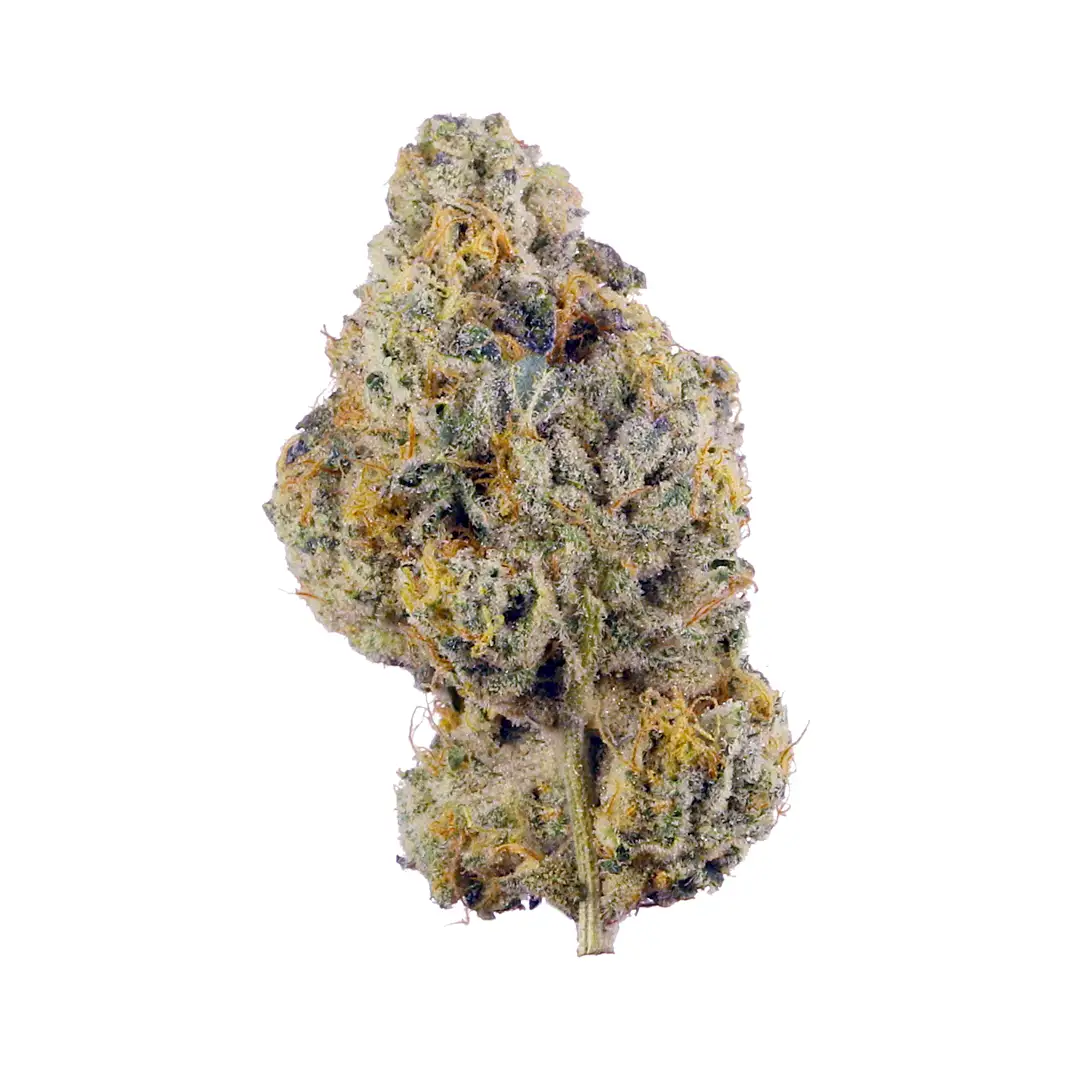
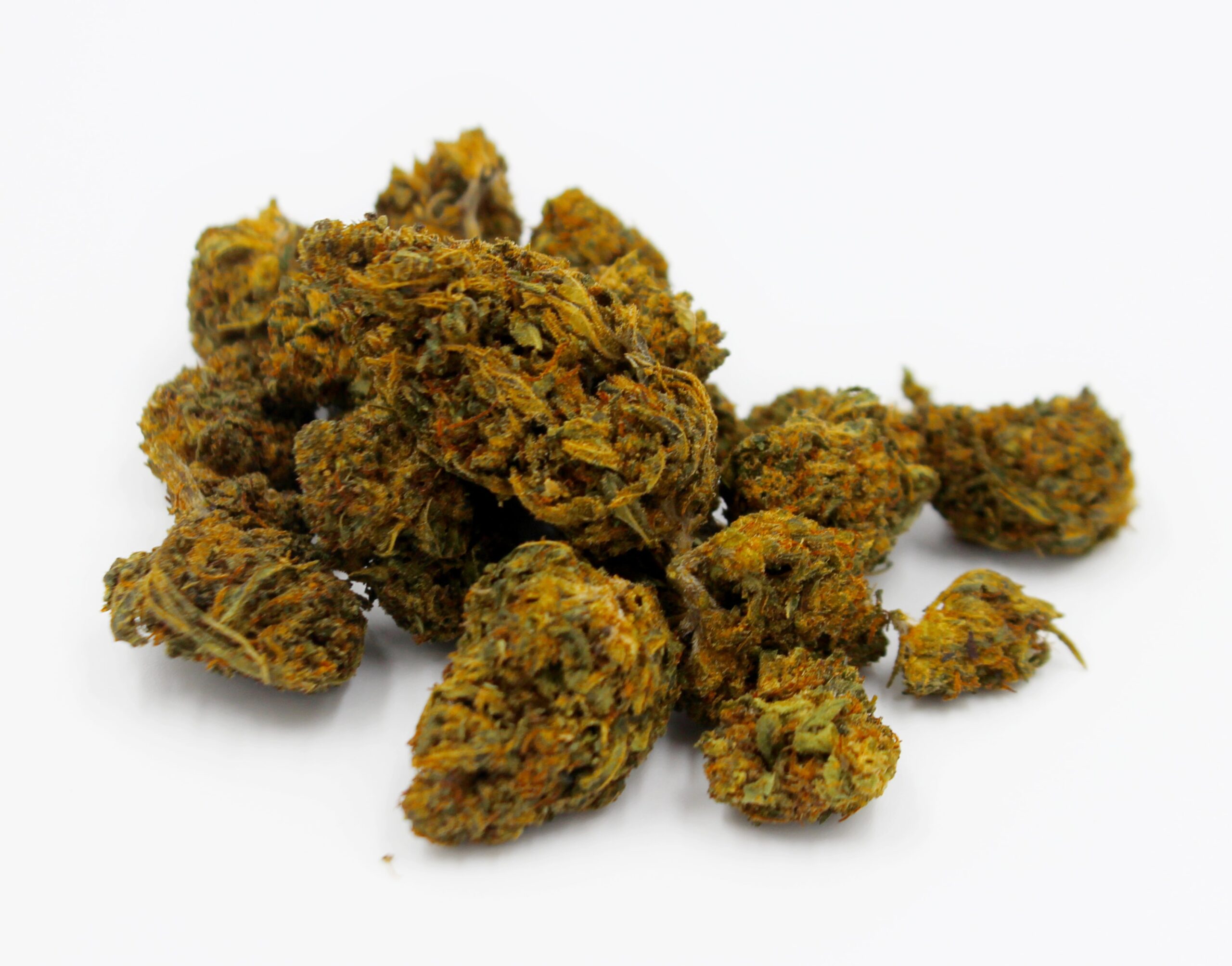
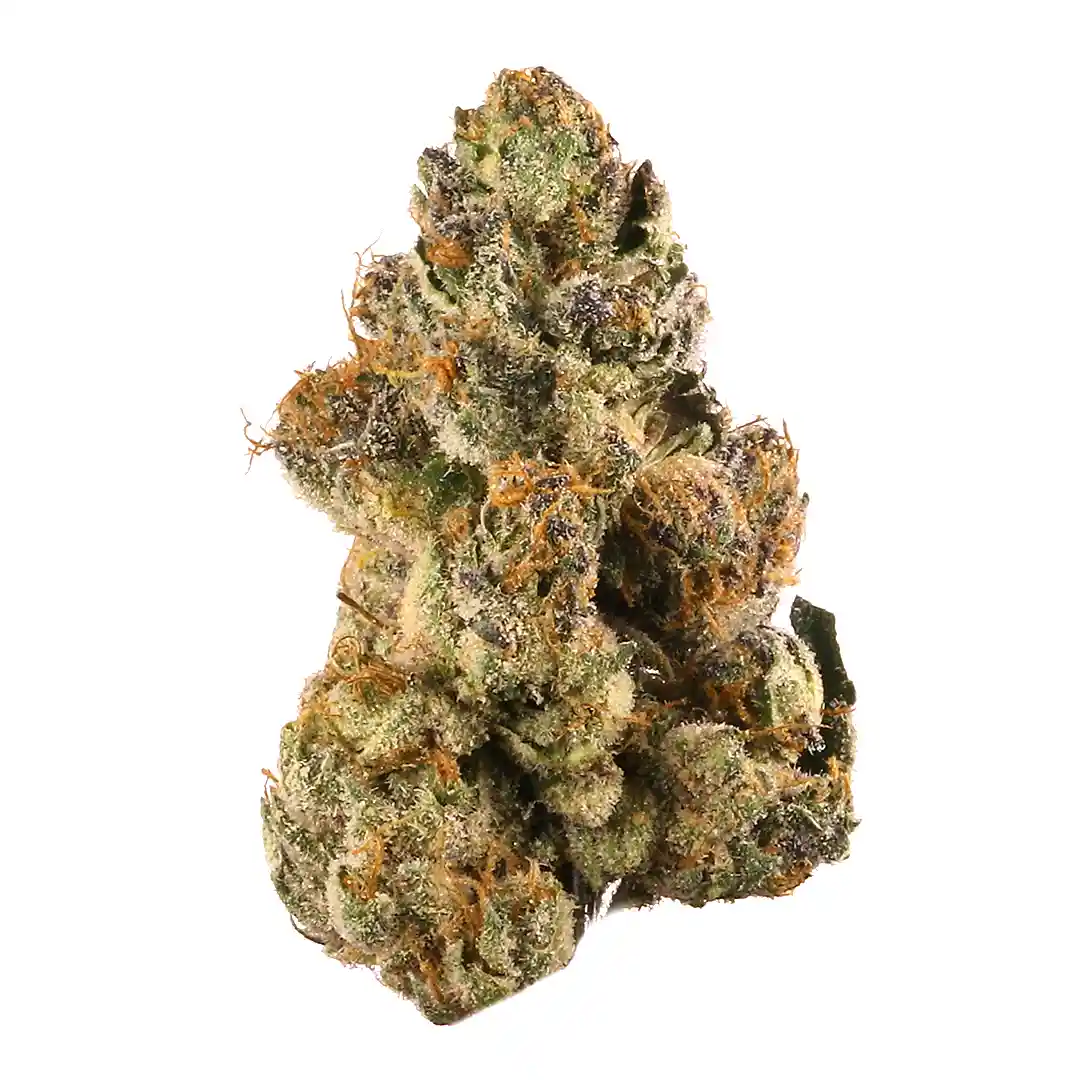
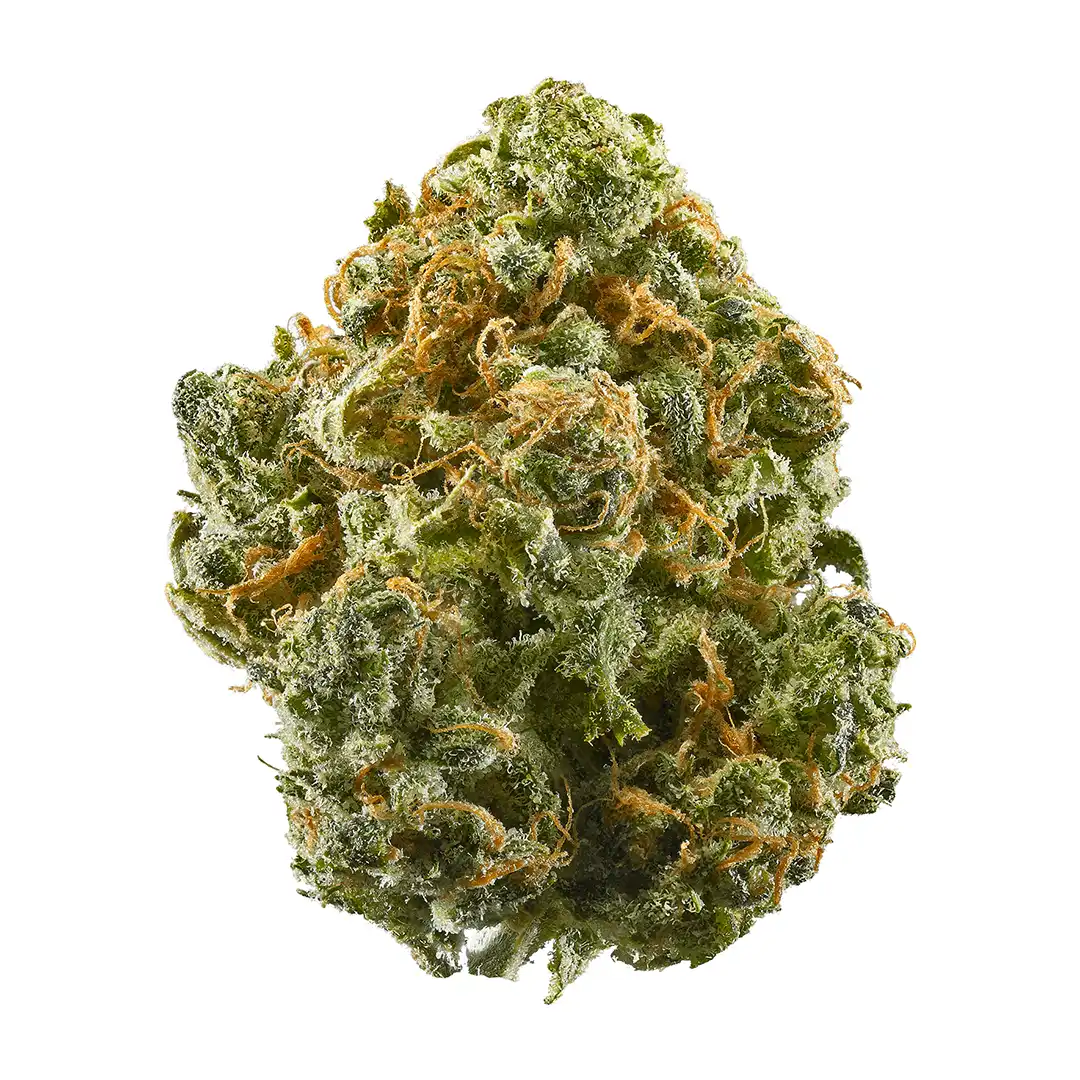
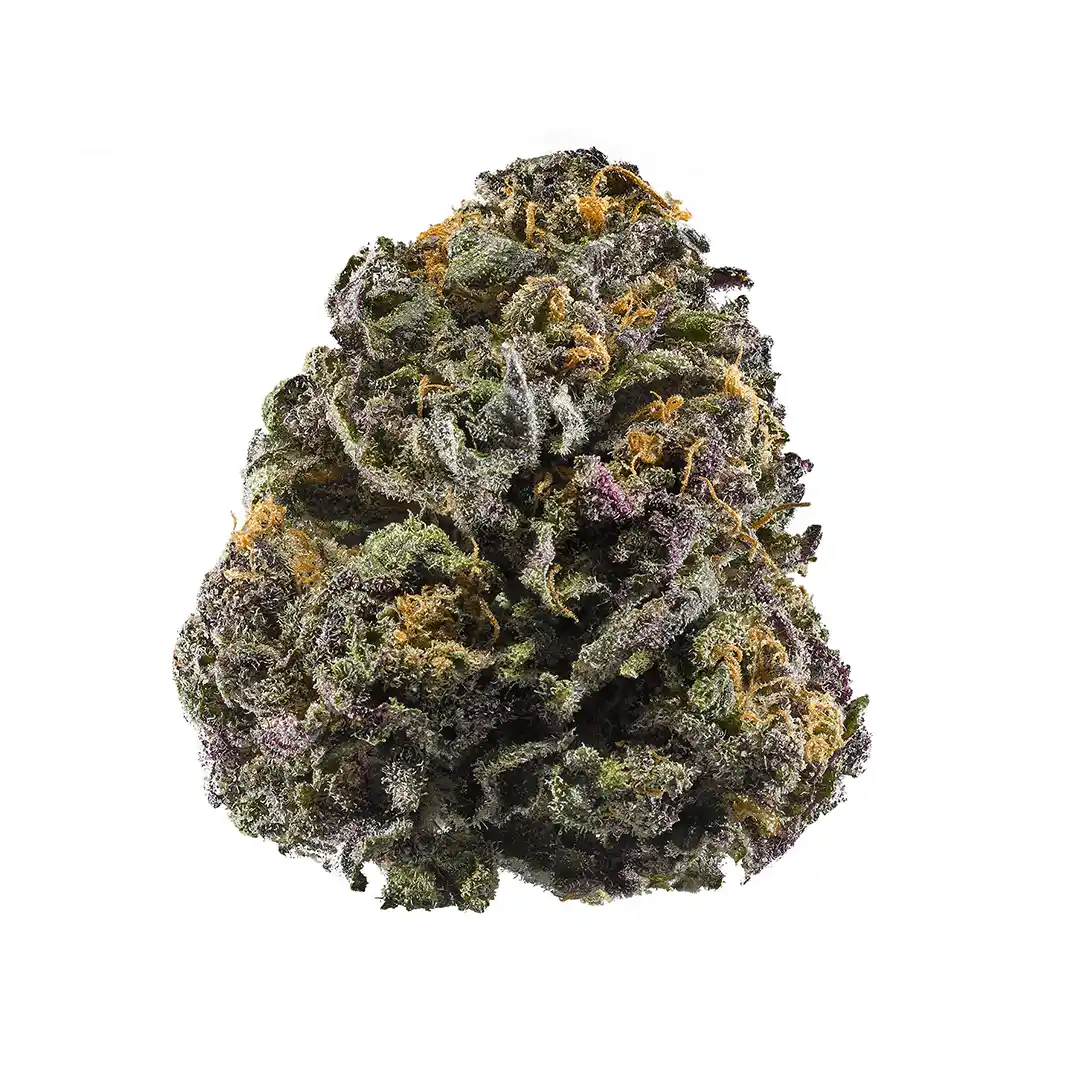
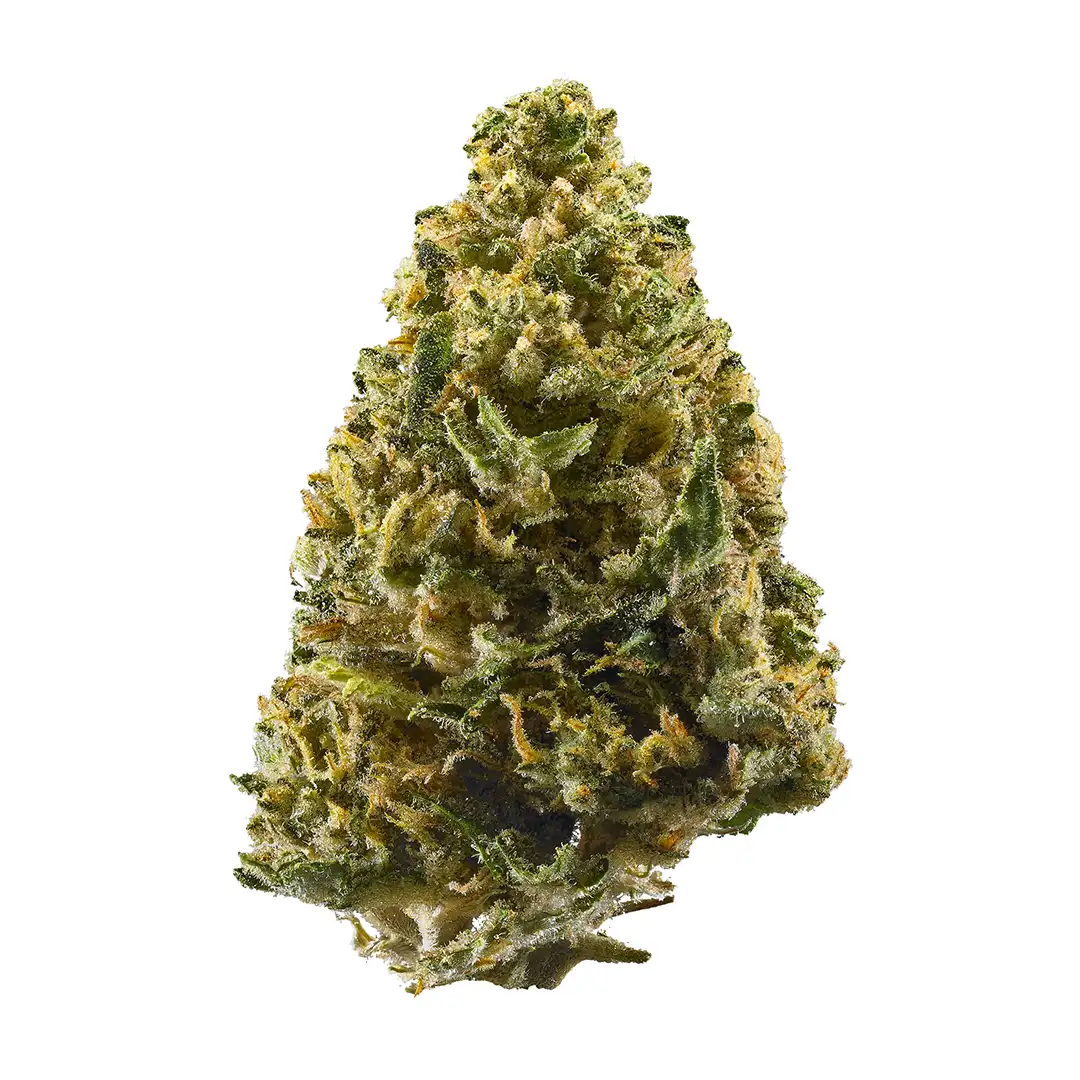

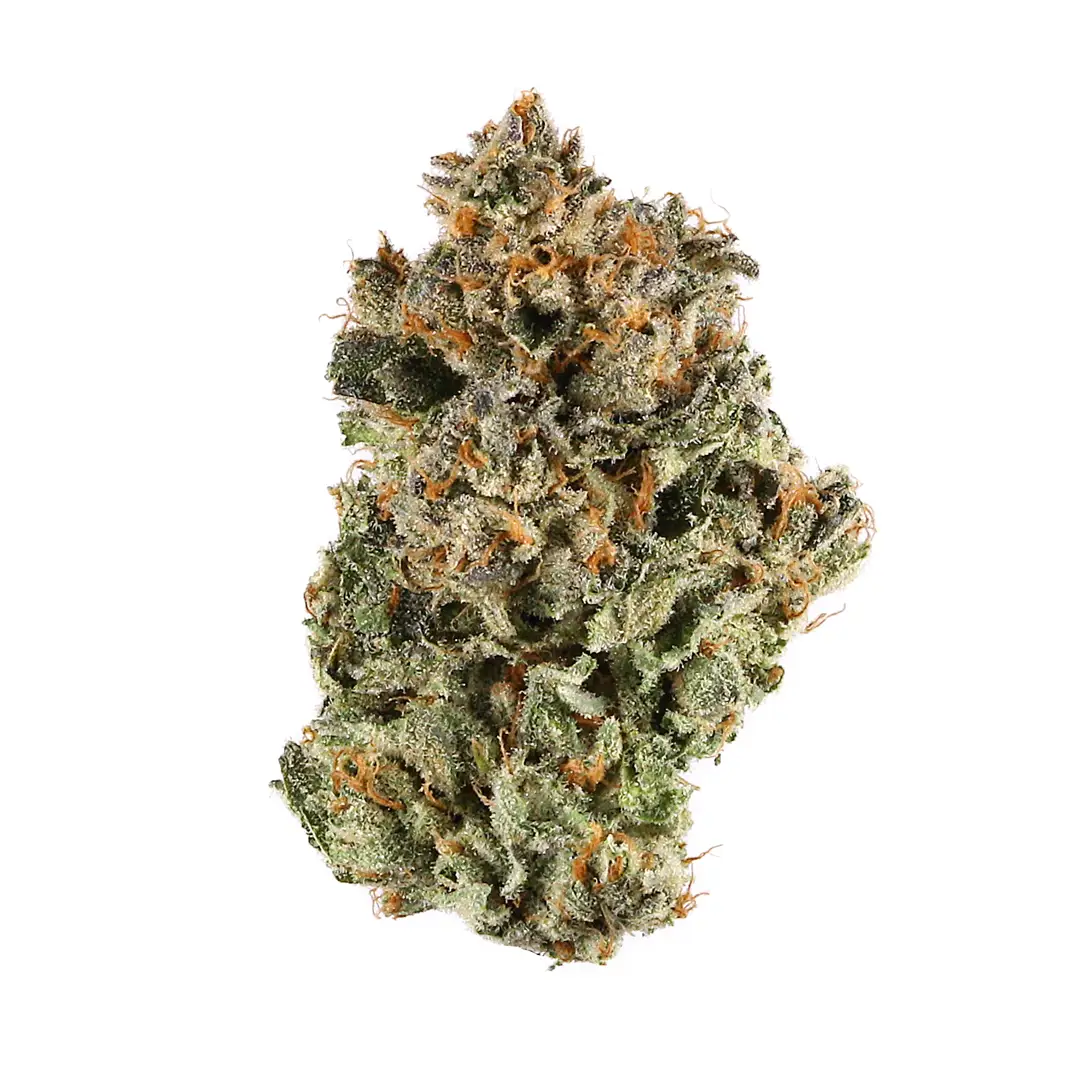
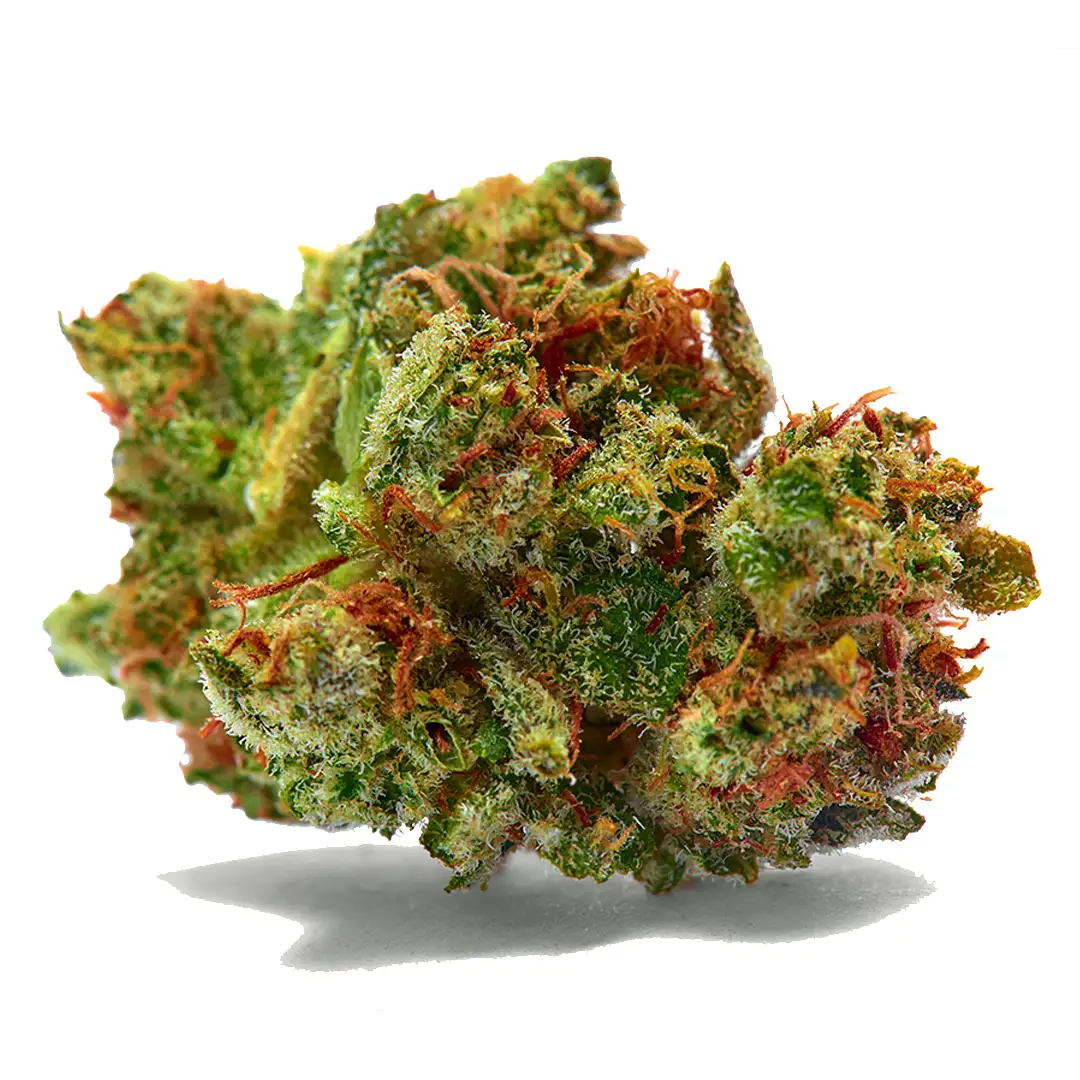
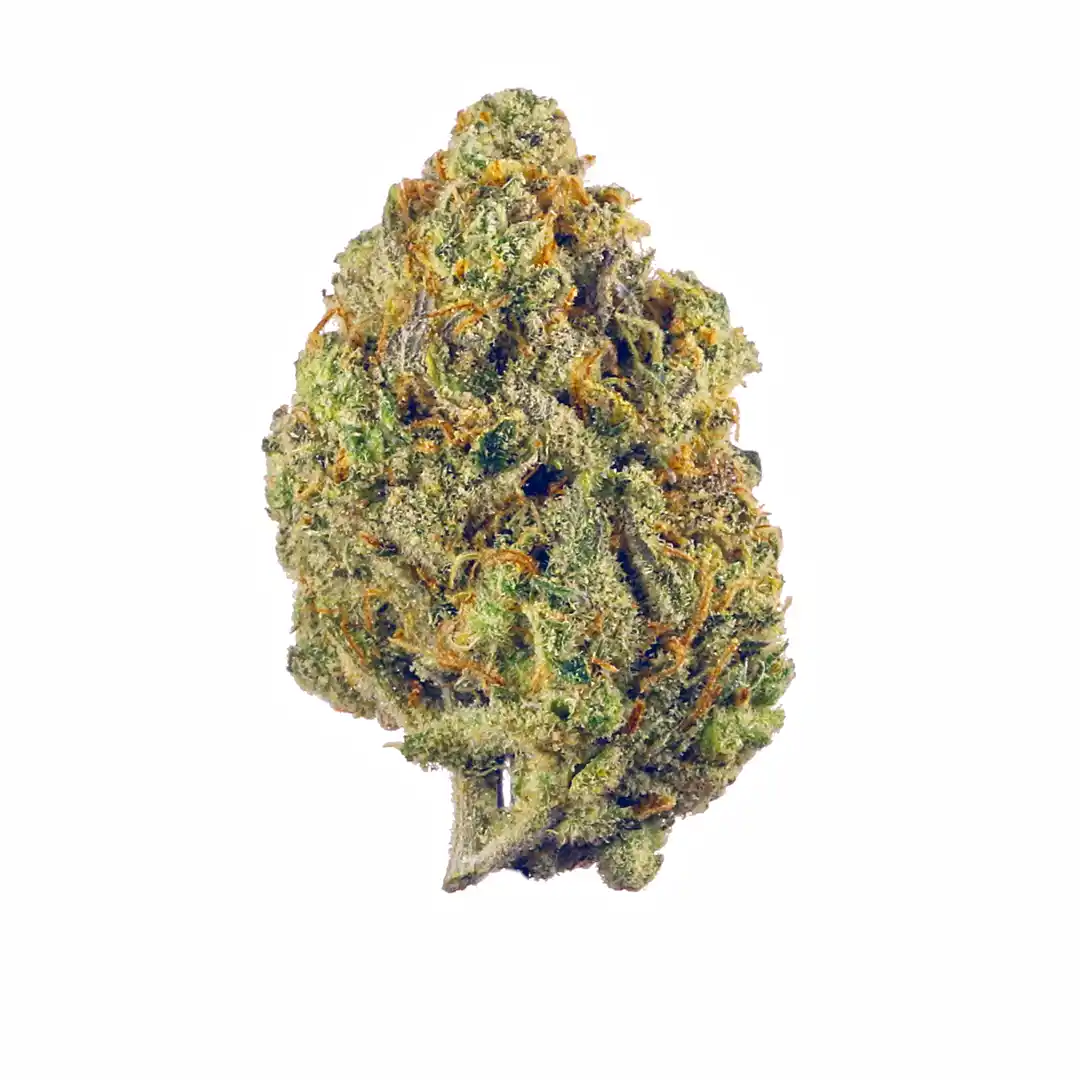
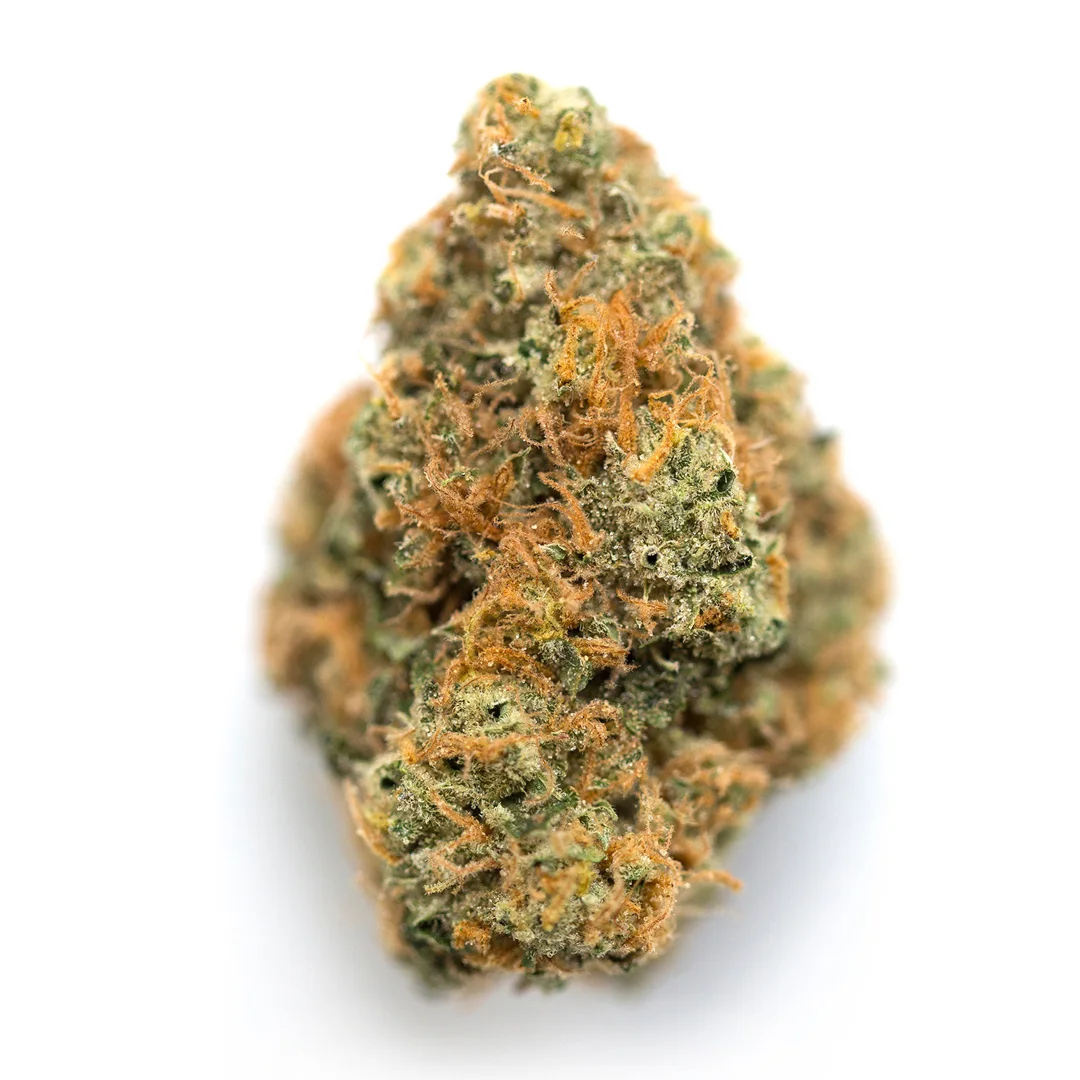
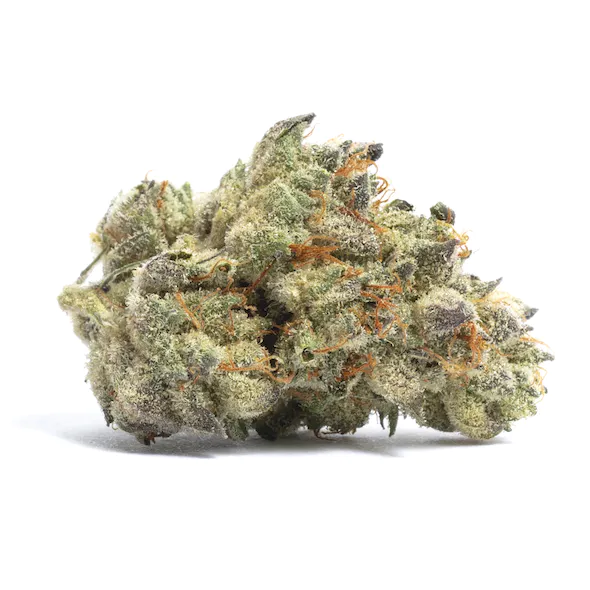
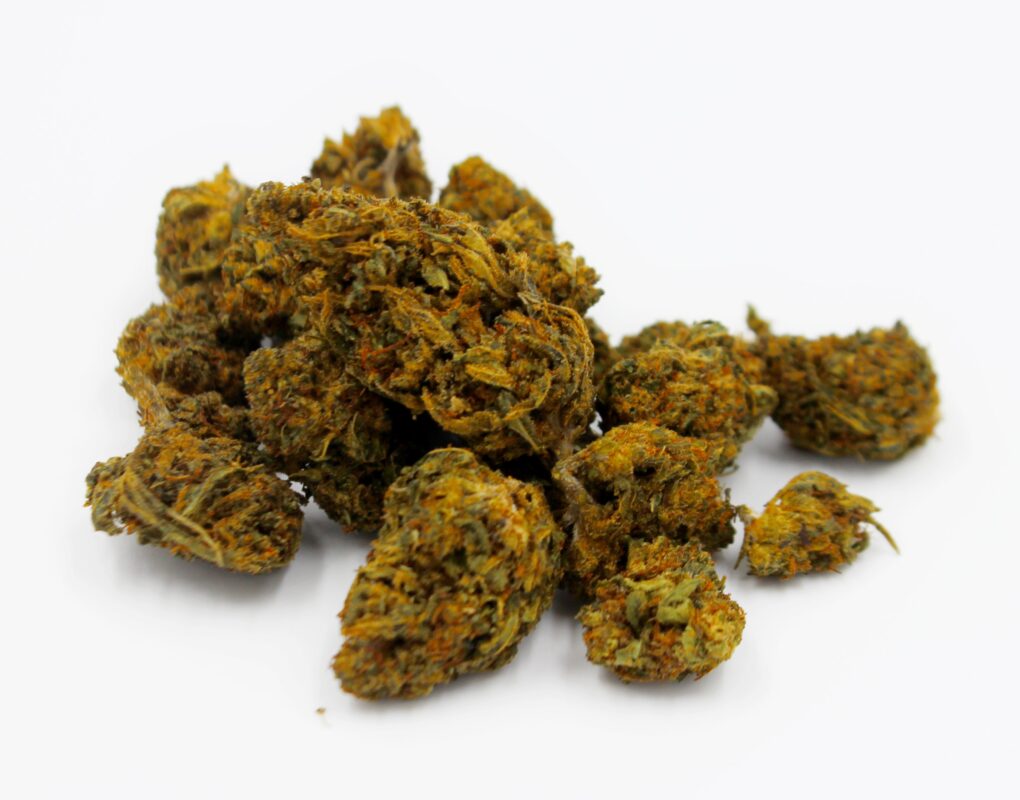
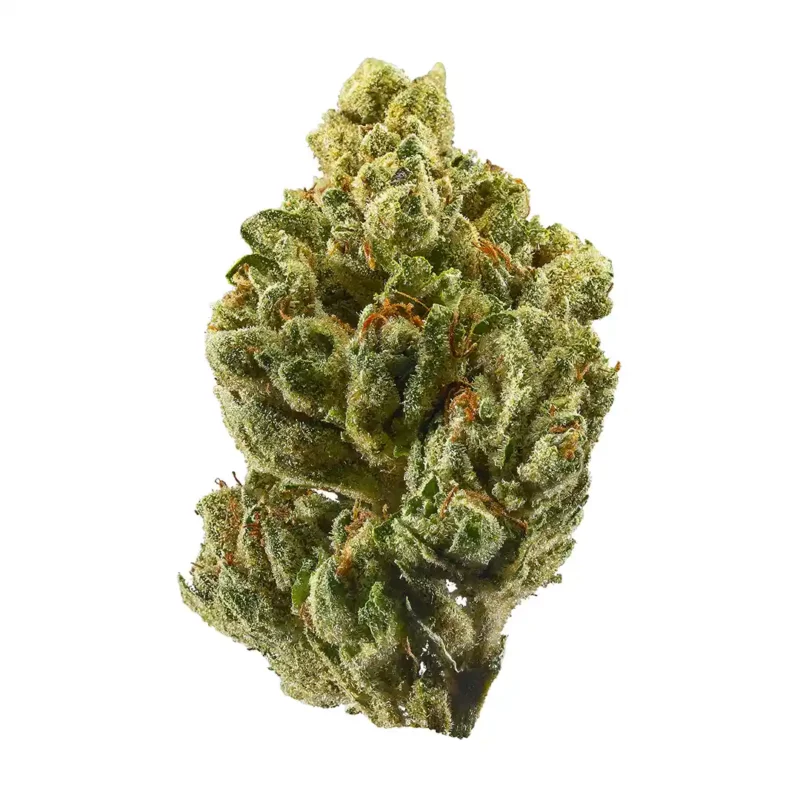
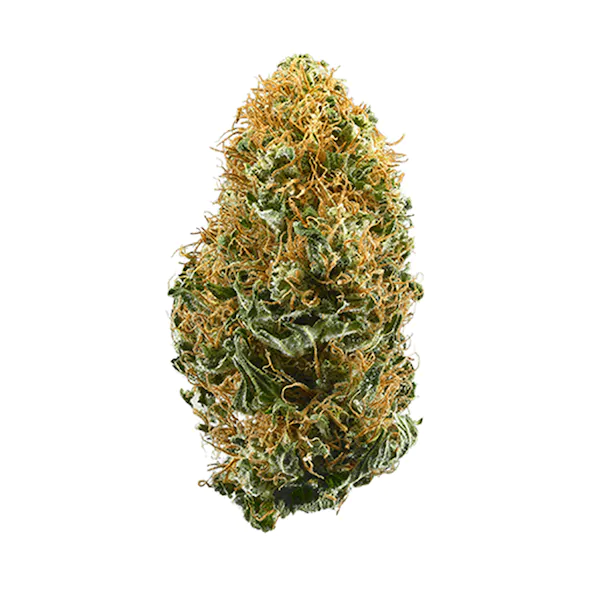
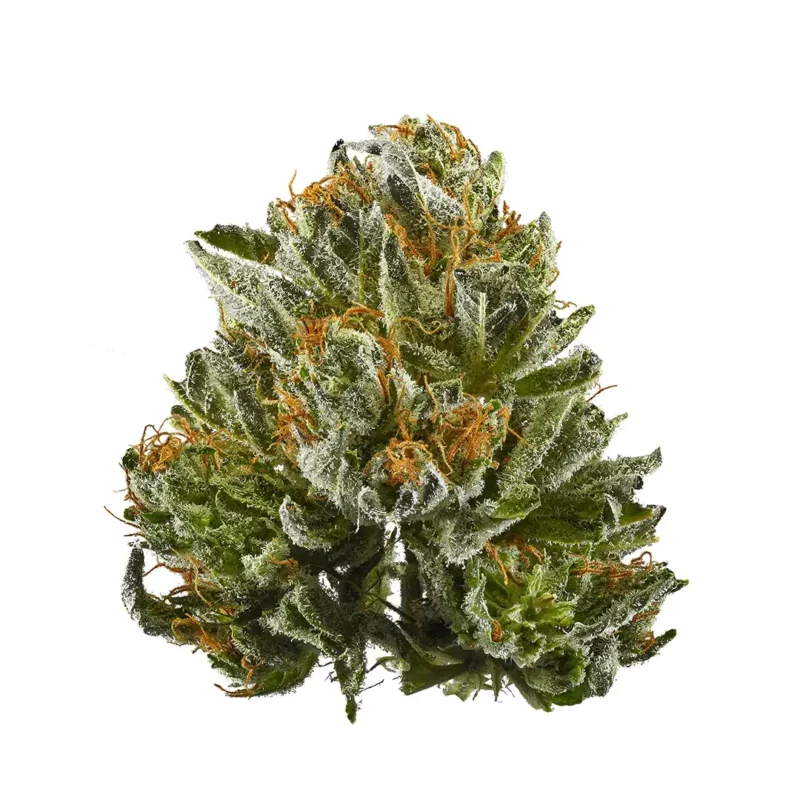
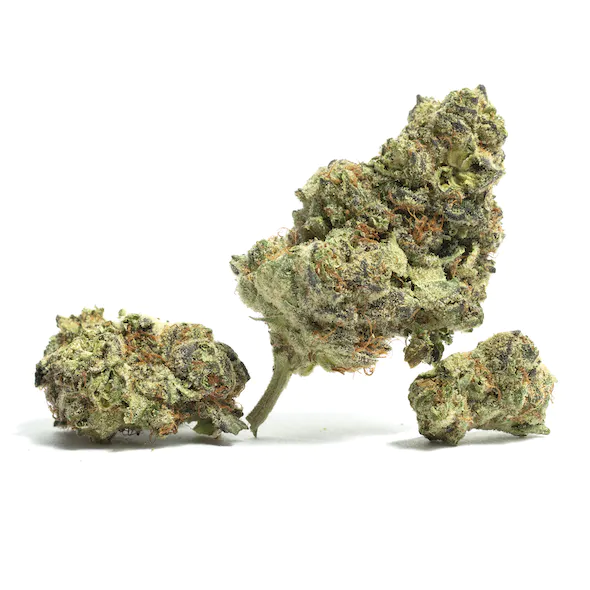
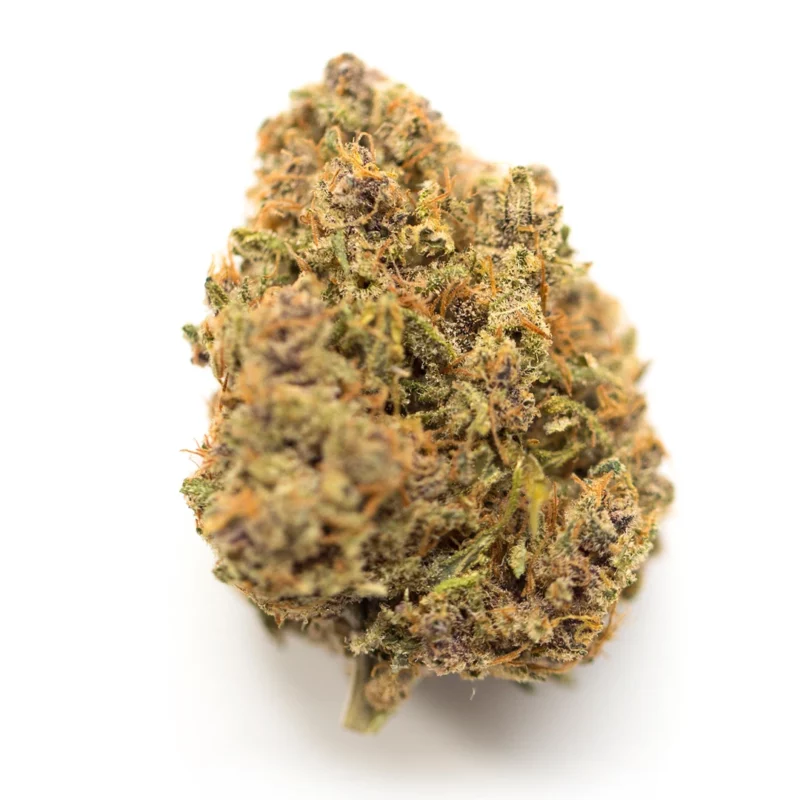
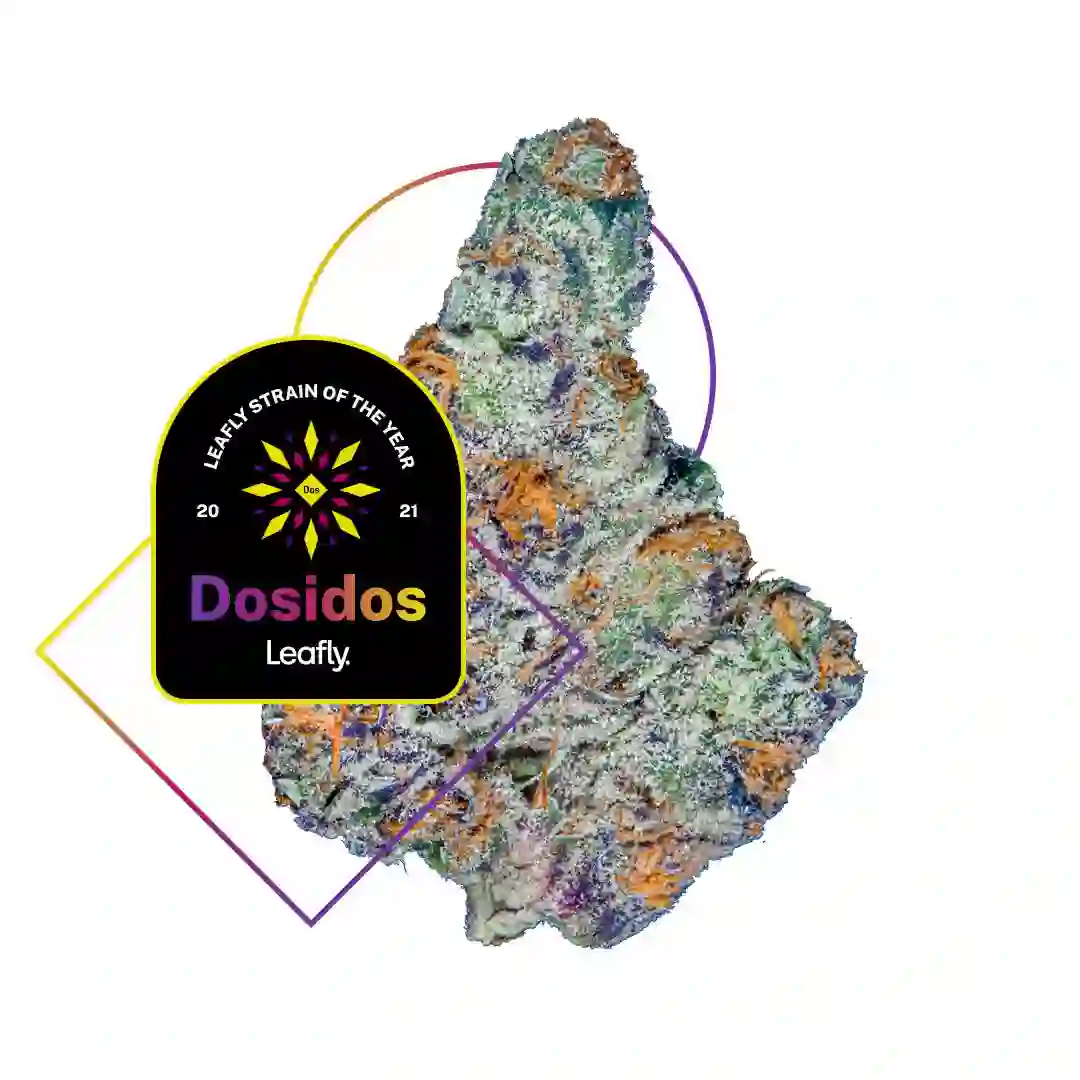
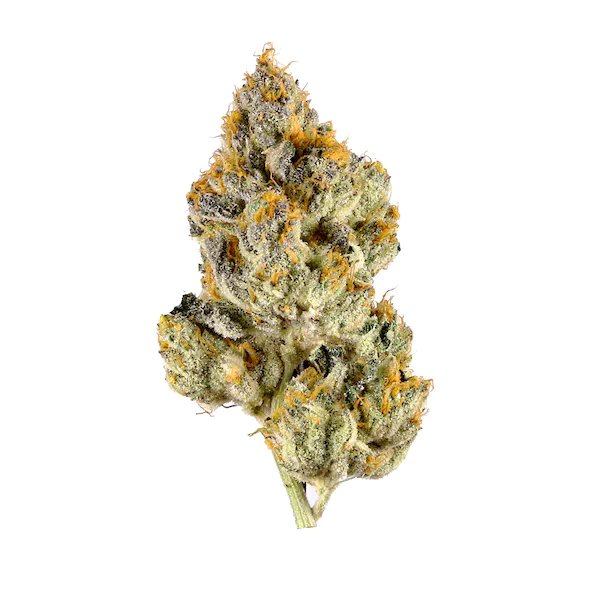







Life cycle of cannabis buds have different distinction that includes a vegetative phase, a flowering phase, and a post-harvest phase.

3 Life Cycle of Cannabis Buds
Cannabis Vegetative Phase
The vegetative phase is the stage in which the plant focuses on growing leaves and stems, as well as developing a strong root system. This phase can last for several weeks to several months, depending on the strain and growing conditions. During this phase, the plant does not produce flowers or buds.
Cannabis Flowering Phase
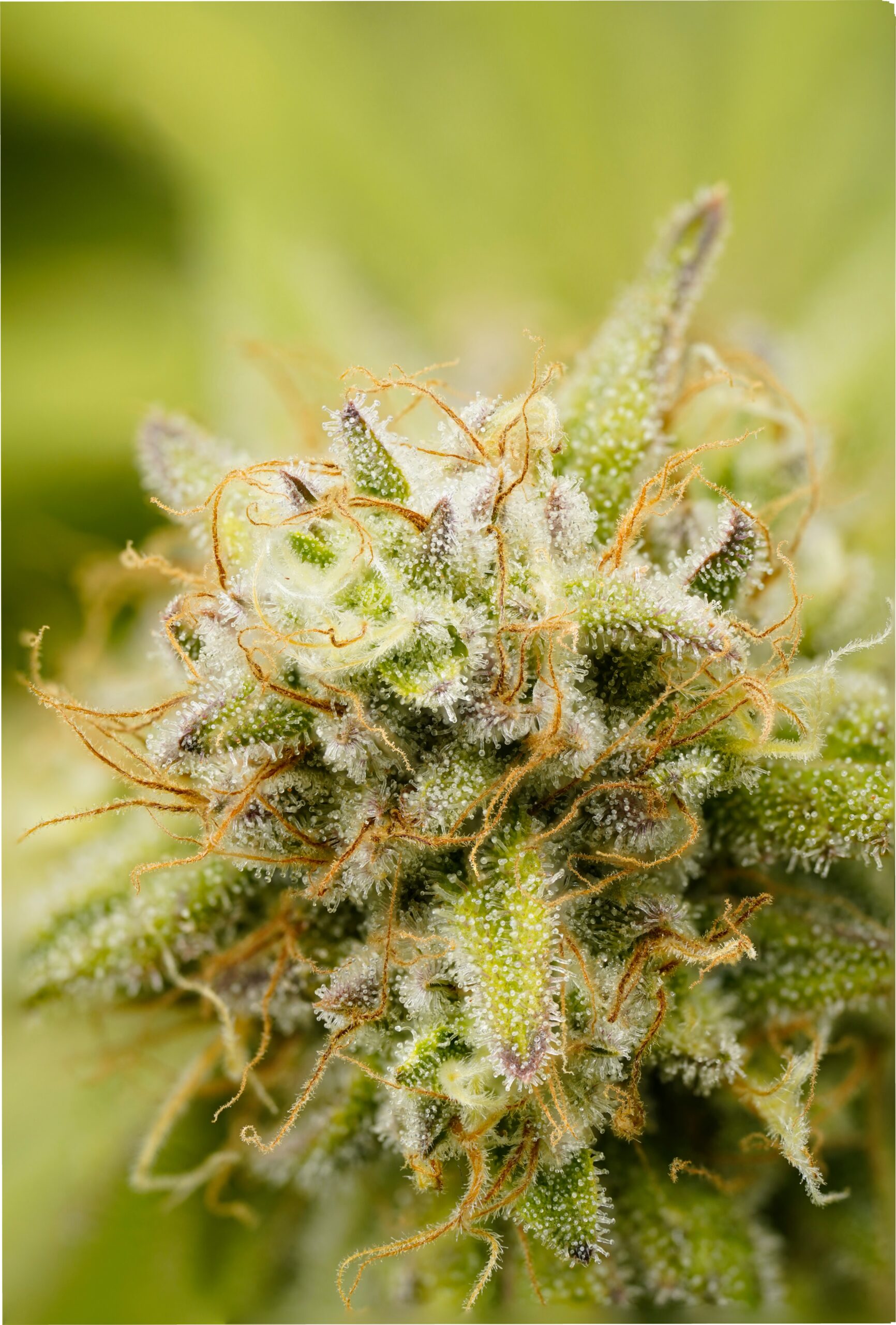
The flowering phase is the stage in which the plant produces buds. This phase is triggered by changes in the plant’s exposure to light, such as reducing the amount of light the plant receives each day. As the plant enters the flowering phase, it will start to produce buds, which will grow and mature over the course of several weeks. During this phase, the plant will also produce pistils and trichomes, which are responsible for the characteristic aroma and psychoactive effects of cannabis.
Cannabis Post-harvest Phase
After the buds are harvested, they go through a post-harvest phase, where various chemical reactions occur. Like you mention, during this phase, the buds can undergo significant molecular changes, such as the breakdown of chlorophyll and the further formation of terpenes and cannabinoids. Curing the buds at this stage can also affect the flavor and overall quality of the buds.

When you think about cannabis, chances are that the first thing that comes to mind is the buds. But how do buds grow? What factors decide when a bud stops growing? And what changes occur to a bud after it’s harvested? In this Iced Out Genetics blog post, we will explore the life cycle of cannabis buds and answer all your questions about them.
Regarding bud size, a simple answer is that they stop growing around 75% of the way through their flowering period. This means that if your strain takes eight weeks to flower, buds should be reaching their maximum size by week six. However, this is just an average estimate—different strains can have different flowering times and reach their peak at different points.
Even after you’ve harvested them, buds can go through significant molecular changes, especially if exposed to heat and light. If left on the plant, they will continue to change up to and beyond the point of being considered “ripe”—which is when they have the peak concentration of THC. During this time, pistils and trichomes will continue to form as well as other phytochemicals such as terpenes and cannabinoids.
In short, The life cycle of cannabis buds starts with a vegetative phase, where the plant grow leaves, stems and roots. Then it enters flowering phase, where the buds form and mature. After harvest, molecular changes occur and curing can improve the final quality of the buds. Factors such as the strain, growing conditions, and post-harvest handling can all affect the size, quality, and overall characteristics of the buds.
If you want to get the most out of your crop, it’s important to know when your buds are ready for harvesting—this ensures that you get the best possible yield in terms of quality and quantity. To determine when your buds are ready for harvest, look out for changes in color (from white/clear trichomes to amber/darker ones) or an increase in resin production (the amount of stickiness on the surface). A combination of both these indicators usually indicates that it is time for harvesting.
In conclusion, while cannabis buds may not grow forever, they never really stop changing either—even after harvest. Knowing exactly when your buds have reached their maximum size is key so that you can ensure that you get the best yield possible from them in terms of quality and quantity. By understanding how long it takes for them to reach their peak size as well as being able to recognize signs like trichome color changes or increased resin production, you can make sure that your crop is harvested at exactly the right moment! Intended Audience: Cannabis growers looking for tips on harvesting their crops efficiently and effectively.
If you are looking for expert breeder and wholesaler of genetically produced cannabis seeds, shop online with Epitome Seeds.
Source: https://www.royalqueenseeds.com/blog-all-about-ripening-cannabis-buds-n1512