








US Cannabis Council’s Bombshell Move Could Spell Doom for THC in Hemp Products in 2024!
THC in Hemp – Derived Products|| Early this April 10, 2024, a sudden move from the U.S. Cannabis Council (USCC) erupted when Edward Conklin, their group’s executive director sent a letter to the chairs and ranking members of the U.S. House and Senate agriculture committees proposing a new definition of the hemp-derived products.
The proposed additional definition proposed by the USCC to be included in the Farm Bill are as follows.
Products in final form intended for human or animal consumption which are:
- Made or derived from hemp or hemp biproducts; and
- Contain detectable quantities of total THC and any other intoxicant that can be derived from hemp including other forms of THC; and
- Are intended to be consumed or absorbed inside the body by any means, including inhalation, ingestion, insertion, or topical application, shall be excluded from the current definition of hemp and considered marijuana as defined by 21 U.S.C 802(16).
THC in Hemp so far…
The USSC stated that the proposal protects the allowances granted to farmers by taking away the loophole made which resulted in a gray area in the hemp market. Conklin wrote that it will allow legitimate agricultural and industrial hemp producers the flexibility they need to navigate the changing plant characteristics when growing in the field.
“The recommendation makes clear that products containing intoxicants which are derived from the Cannabis sativa L. plant cannot be defined as ‘hemp.’”
Back in 2018, the 2018 Farm Bill federally legalized industrial hemp where a 0.3% THC (dry weight) was allowed. USCC sees the Farm Bill’s reauthorization as a key opportunity to augment the loophole which created a quote and quote “national crisis” by unregulated hemp products. Currently in 2024, industry stakeholders and law enforcement officials are urging Congress to address the loopholes in the bill. They included that the loopholes opened the door for intoxicating and unregulated products like delta-8, delta-9, and other cannabinoids.

Currently, the total demand for hemp-derived cannabinoids is valued in excess of $28 billion and supports the employment of 328,000 workers, who earn $13 billion in wages. Overall, the total economic impact of the hemp-derived cannabinoid industry on the U.S. economy is in excess of $79 billion. While they may seem large, these estimates are actually conservative, because they do not account for demand and employment from gas stations, grocery stores and convenience stores. (Whitney Economics.2023 National Cannabinoid Report)
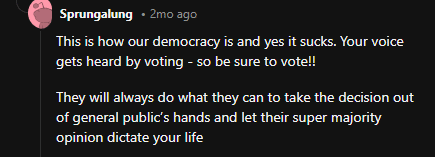
Here are tweet and reddit reactions to the news of banning thc in hemp products.



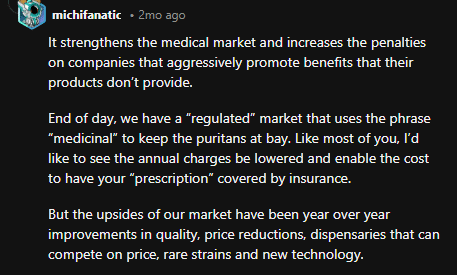
The TLDR (What we think)
The proposal by the USCC to redefine hemp-derived products based on their THC content is sparking widespread discussion across the hemp industry. It signifies a concerted effort to address the regulatory ambiguities that have allowed for the proliferation of unregulated hemp products, particularly those containing substances like THC (thc in hemp).
On one side of the debate, proponents of the proposal argue that tightening regulations is essential for consumer safety and for maintaining the legitimacy of the hemp market. By clarifying the definition of hemp-derived products, they aim to close loopholes that have enabled the sale of potentially harmful or mislabeled products. This move could provide greater assurance to consumers and bolster trust in the hemp industry as a whole.
However, there are also concerns about the potential impact of these regulatory changes. Some stakeholders worry that stricter regulations could stifle innovation and hinder the growth of the hemp-derived cannabinoid industry. With the demand for hemp-derived cannabinoids (variants with thc in hemp) on the rise, particularly as consumers seek alternatives to traditional pharmaceuticals, there’s a fear that overly restrictive regulations could limit access to beneficial products.
Furthermore, the proposed redefinition of hemp-derived products raises questions about the future of THC-containing products. Given the significant economic impact of the hemp-derived cannabinoid industry, including its role in job creation and economic growth, there’s uncertainty about how these changes could affect businesses and workers in the sector.
Overall, the USCC’s proposal underscores the complexities of regulating thc in hemp-derived products in a rapidly evolving industry. As stakeholders continue to weigh the potential benefits and drawbacks of these regulatory changes, it will be crucial to strike a balance that ensures consumer safety while also fostering innovation and economic development.
What do you think? Is thc in hemp bad? Do we need to regulate thc in hemp? Do you feel it’s fair?
Let us know what you think!
Learn The Term With Iced Out Genetics
What is Delta-8?
Delta-8-tetrahydrocannabinol, commonly known as Delta-8 or D8, is a cannabinoid found in the cannabis plant. It’s similar to the more well-known Delta-9-tetrahydrocannabinol (Delta-9 or THC), which is responsible for the psychoactive effects commonly associated with marijuana. However, Delta-8 is reported to produce milder psychoactive effects compared to Delta-9, making it potentially appealing to consumers seeking a more subtle or less intense experience.
Delta-8 occurs naturally in very small concentrations in the cannabis plant, but it can also be synthesized from other cannabinoids found in hemp or cannabis through various chemical processes. As a result, it can be extracted and incorporated into a wide range of products, including edibles, vape cartridges, tinctures, and topical creams.
In recent years, Delta-8 has gained popularity as an alternative cannabinoid, particularly in regions where Delta-9 THC remains illegal or heavily regulated. Some users report experiencing a clearer-headed high or fewer negative side effects compared to Delta-9 THC, although individual responses may vary.
However, it’s important to note that the legal status of Delta-8 is still somewhat uncertain and subject to change. While the 2018 Farm Bill legalized hemp and hemp-derived products containing less than 0.3% Delta-9 THC on a dry weight basis, the legality of Delta-8 specifically has been a topic of debate and regulatory scrutiny in some jurisdictions. As a result, consumers should exercise caution and research the laws in their area before purchasing or using Delta-8 products.
What is Delta-9?
Delta-9-tetrahydrocannabinol, commonly referred to as Delta-9 or simply THC, is one of the primary cannabinoids found in the cannabis plant. It’s known for its psychoactive effects, which can include euphoria, relaxation, altered perception of time, and heightened sensory experiences. Delta-9 THC is the compound primarily responsible for the “high” associated with marijuana use.
Delta-9 THC interacts with the body’s endocannabinoid system, specifically binding to cannabinoid receptors in the brain and nervous system. This interaction triggers various physiological and psychological effects, leading to the characteristic sensations associated with marijuana consumption.
On the other hand, Delta-8-tetrahydrocannabinol (Delta-8 or D8) is a similar cannabinoid found in cannabis, but it has a slightly different chemical structure compared to Delta-9 THC. This difference in structure results in differences in their effects on the body. While Delta-8 also has psychoactive properties, they are generally reported to be milder and less intense compared to Delta-9 THC. Some users describe Delta-8 as producing a clearer-headed high with fewer negative side effects.
In terms of legality, both Delta-8 and Delta-9 THC are cannabinoids derived from the cannabis plant. However, their legal status can vary depending on local regulations and interpretations of existing laws. While Delta-9 THC is heavily regulated and restricted in many jurisdictions due to its psychoactive effects, Delta-8 has been subject to less scrutiny until recently. However, as the popularity of Delta-8 products has grown, regulators have begun to address its legal status, leading to uncertainty and ongoing debates in some areas.
Conclusion
The ongoing debate surrounding THC in hemp continues to shape the regulatory landscape for cannabis-derived products. With the increasing popularity of hemp-derived cannabinoids, including THC, stakeholders are grappling with how to strike a balance between consumer safety and industry innovation.
Read More
Blue Dream Cannabis Hybrid Strain
#THCinHemp #CannabisNews