
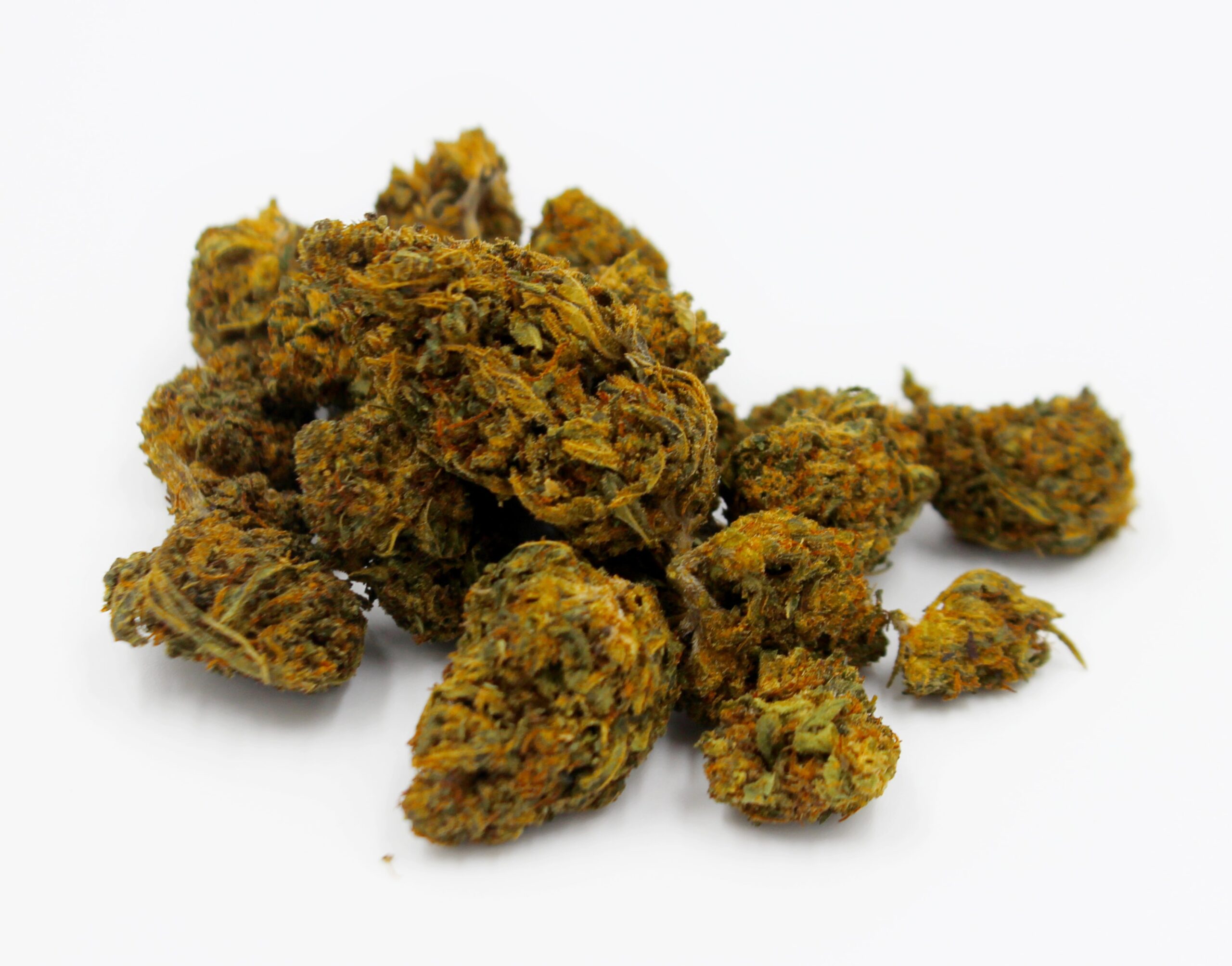
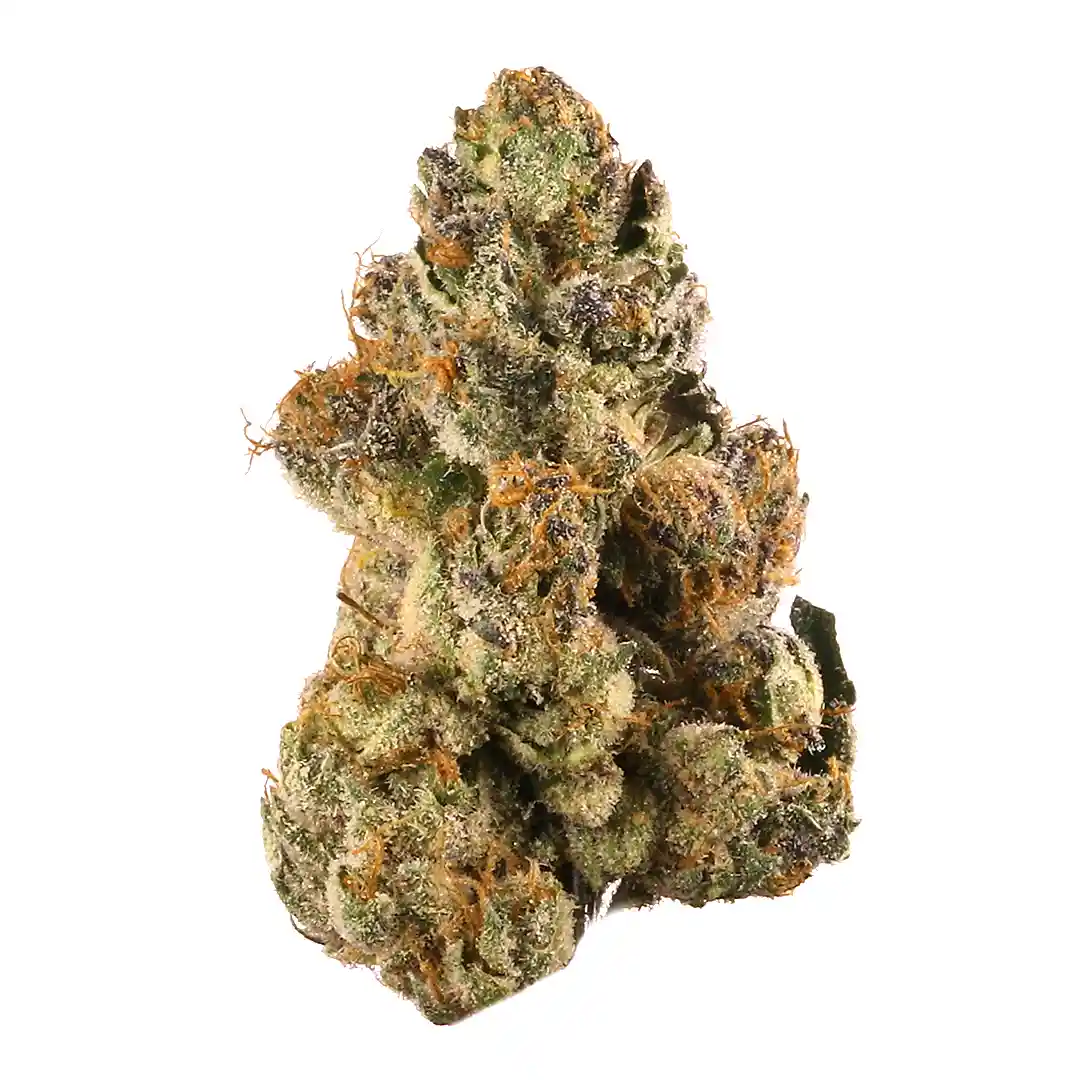
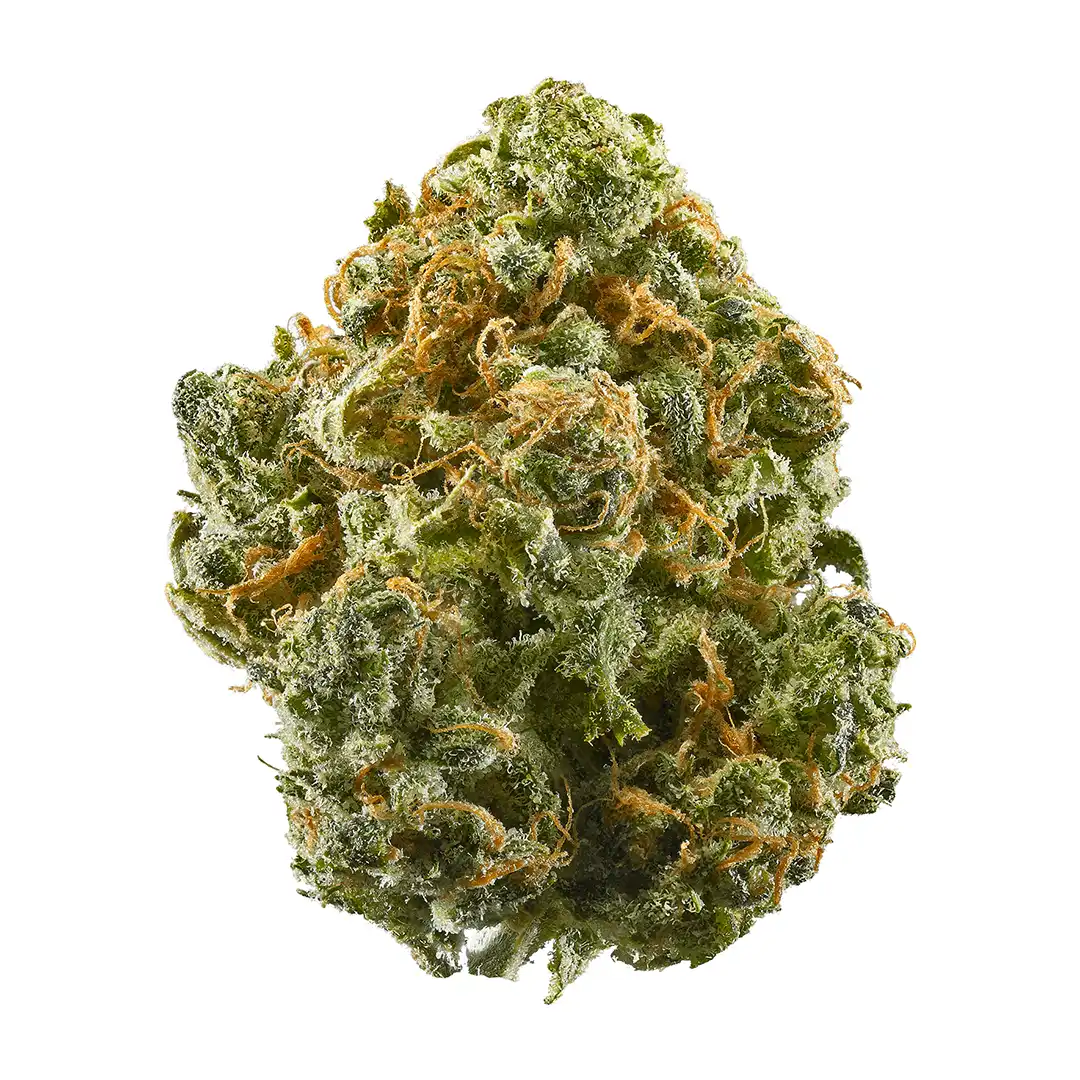
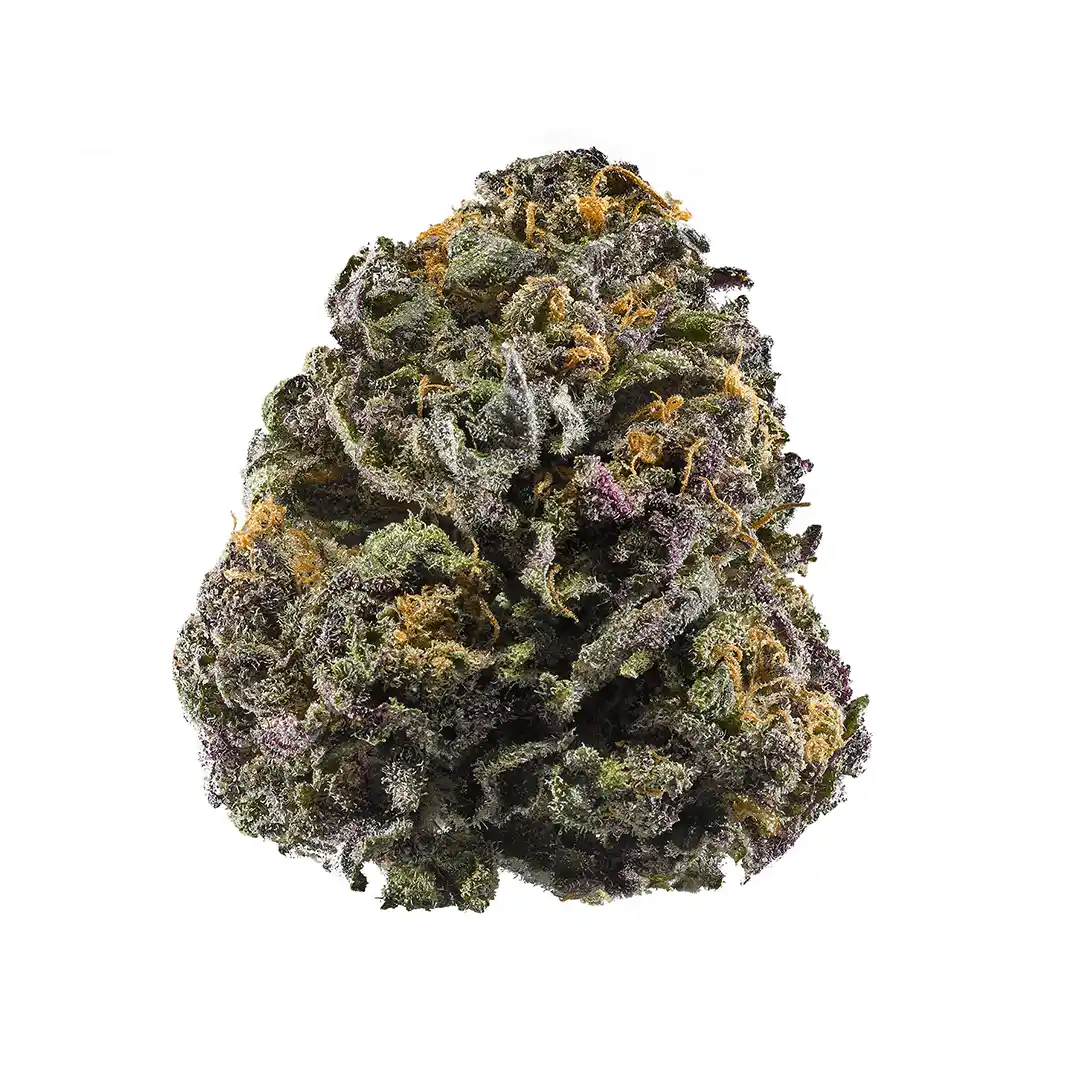
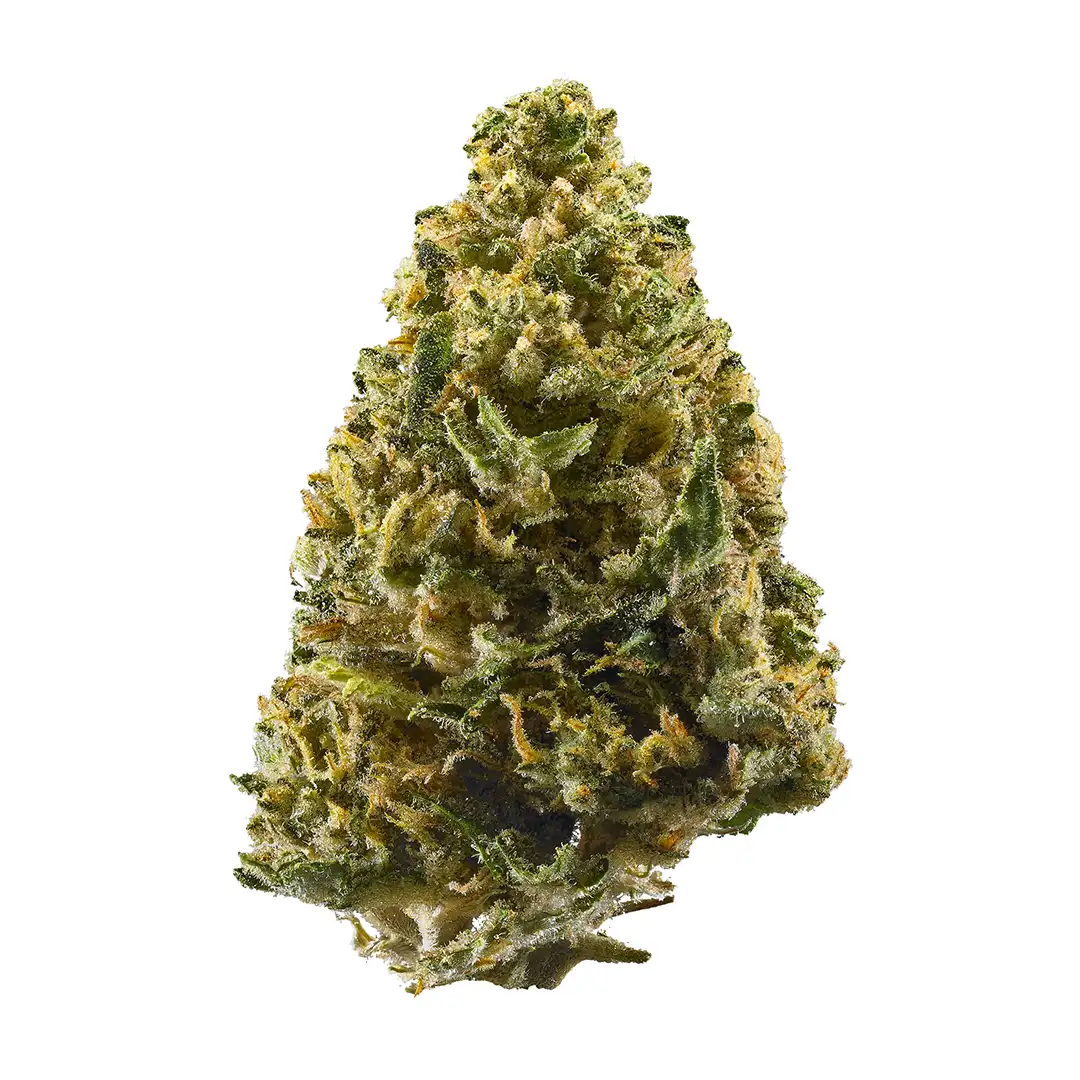

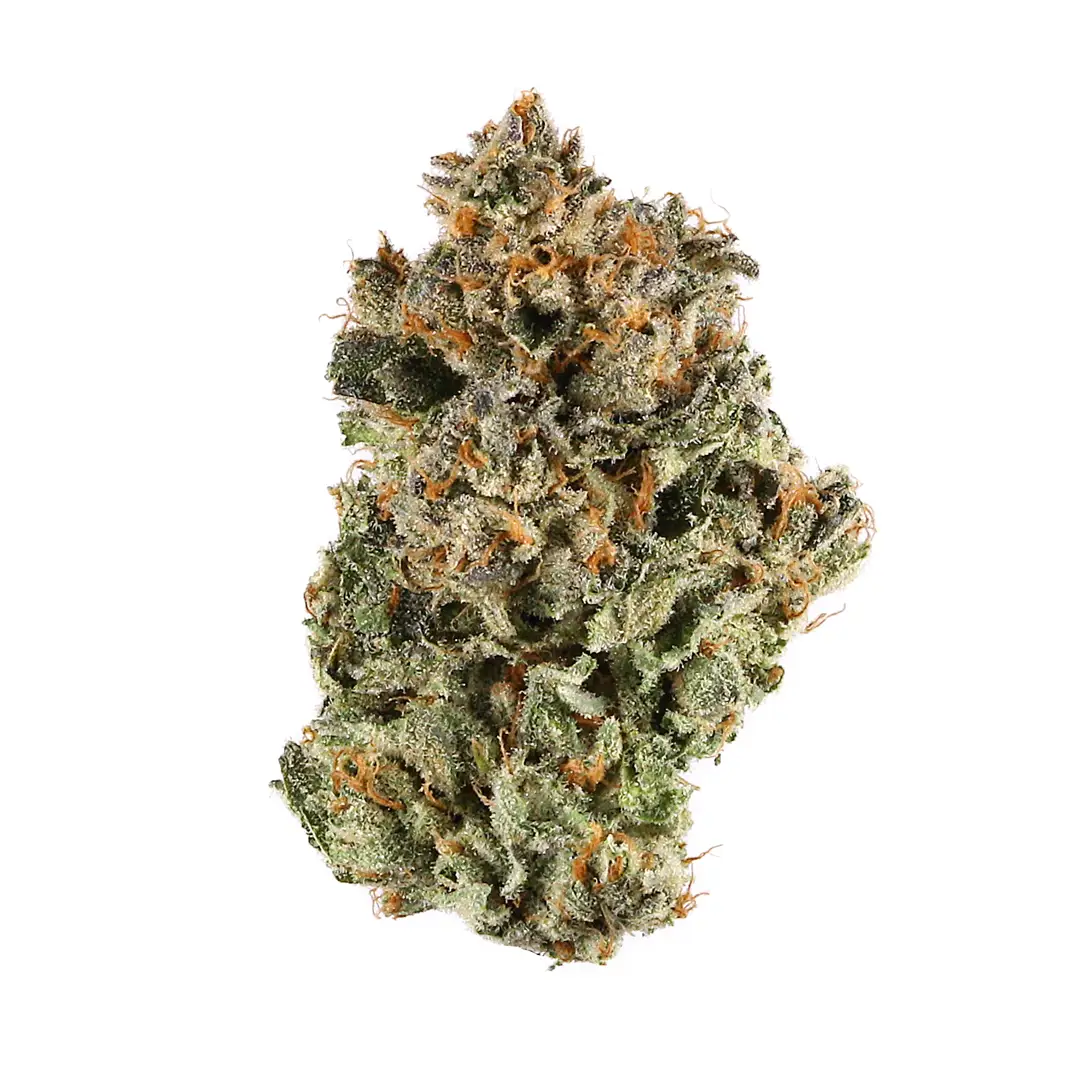
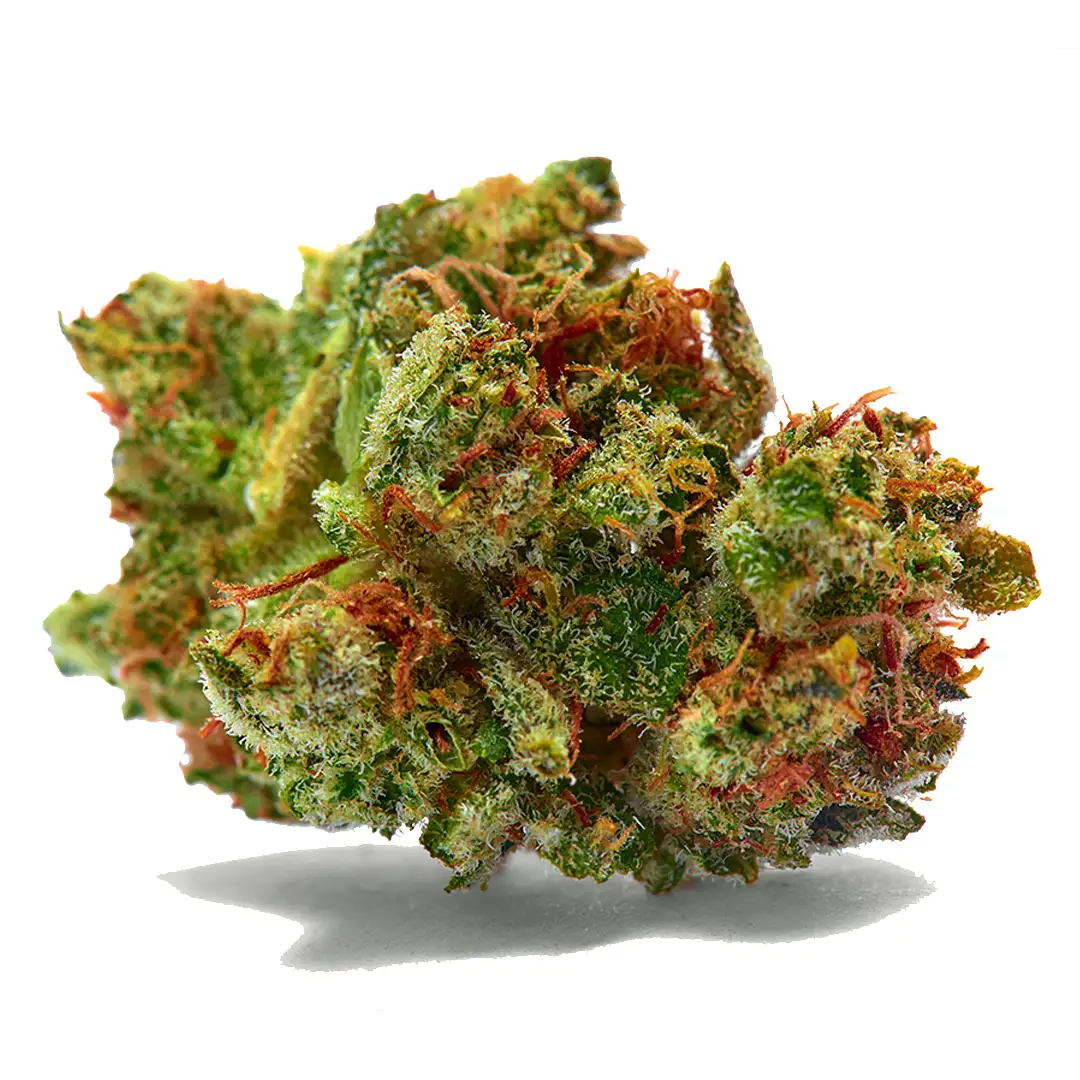
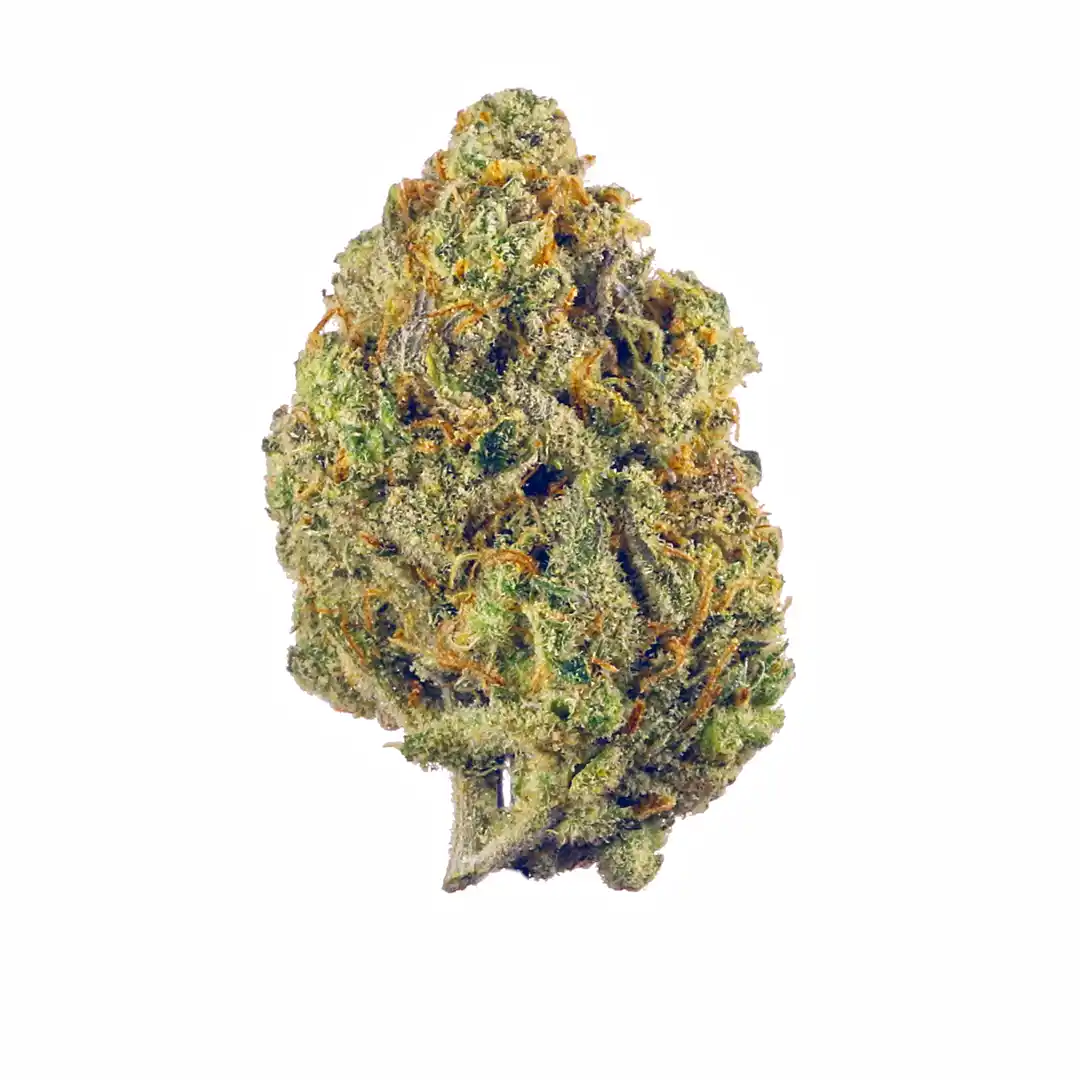
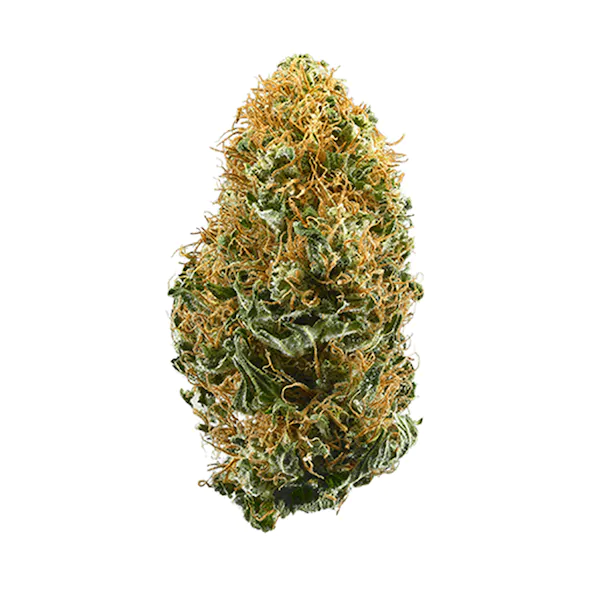
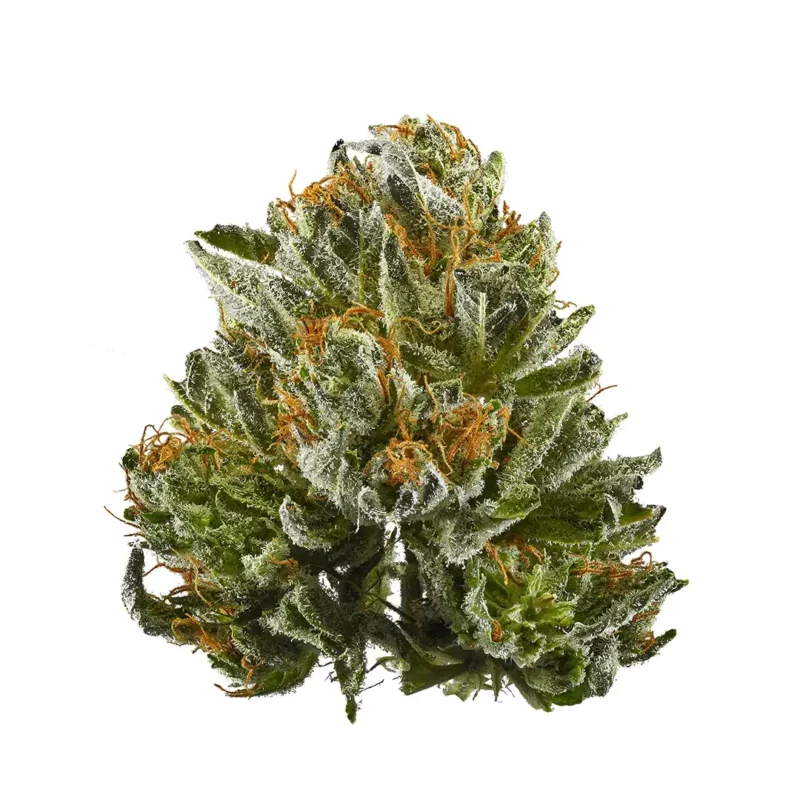
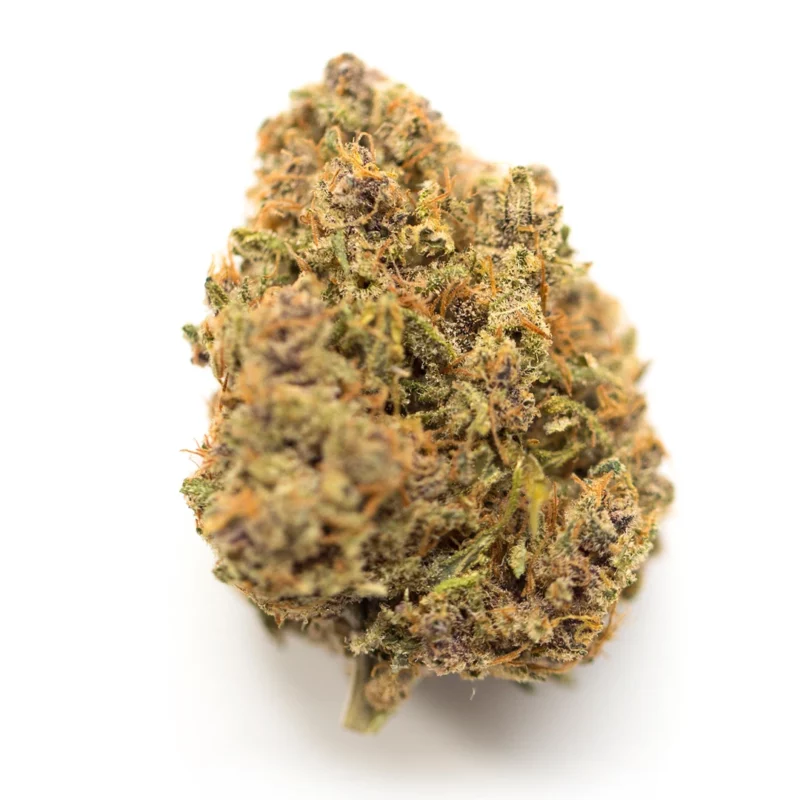








It’s necessary to keep an eye on both the pistils and trichomes as important indicators when growing cannabis. In this Iced Out Genetics blog post, we will the significance of pistils & trichomes as Important Indicators by identifying its maturity by monitoring the color change, & its potency & quality.
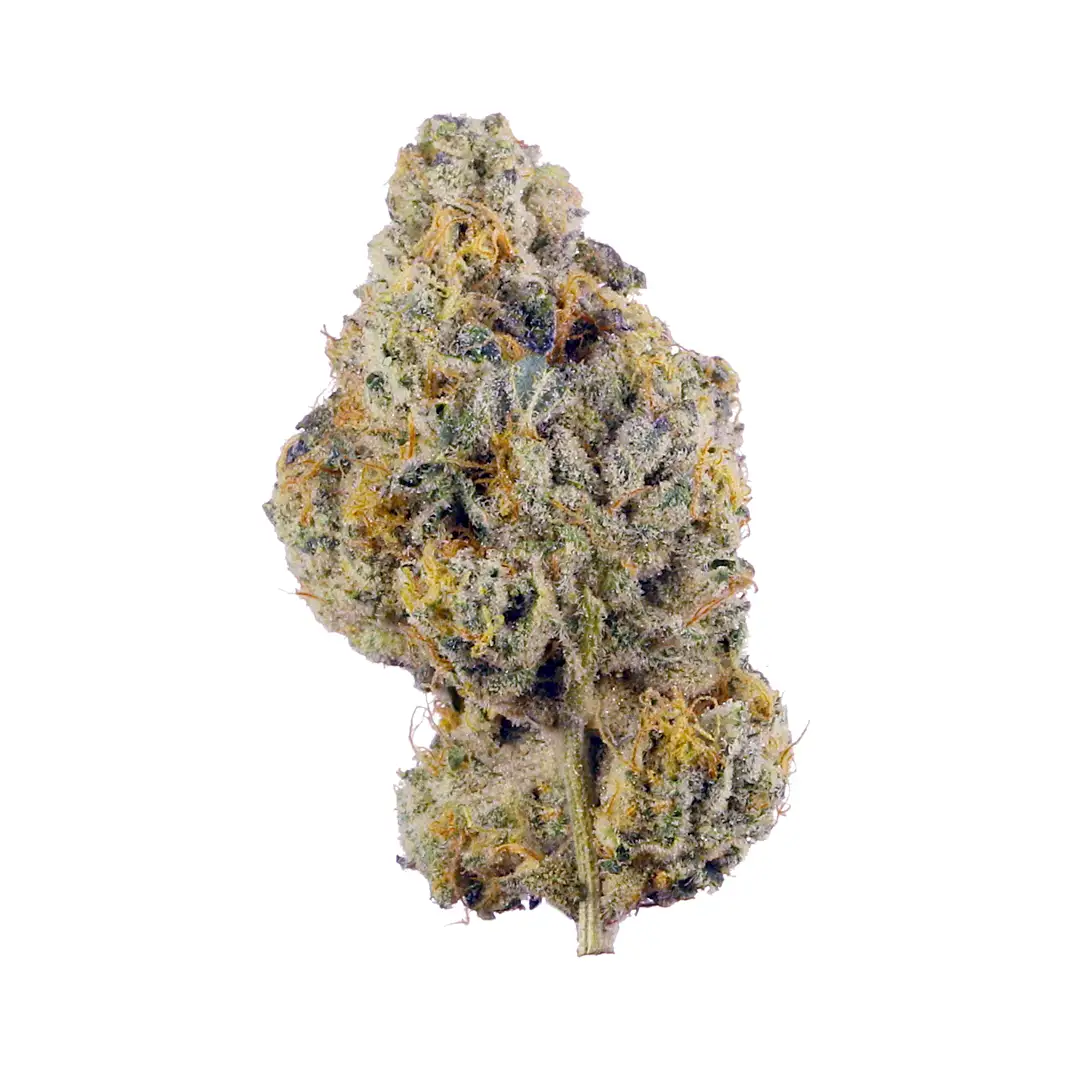
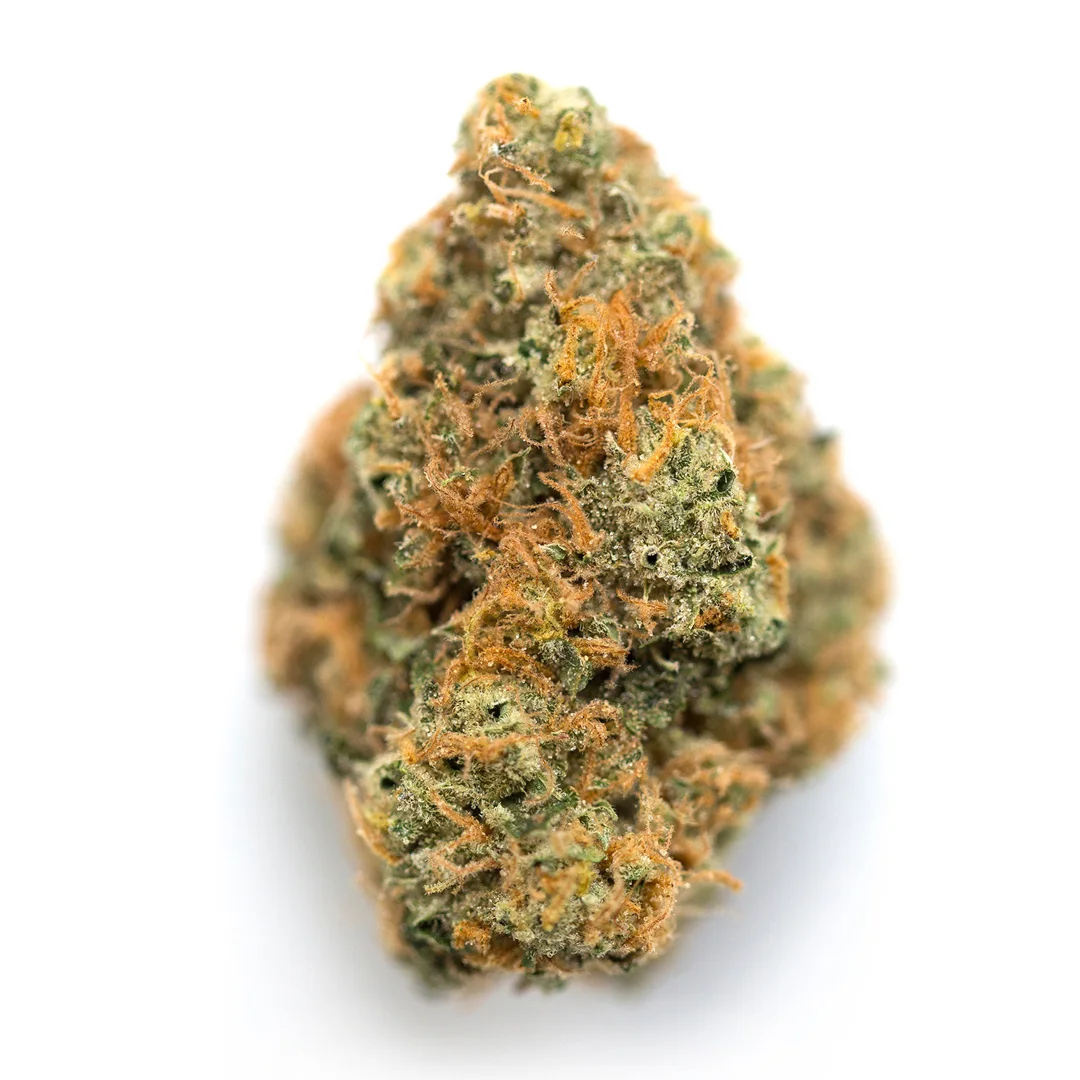
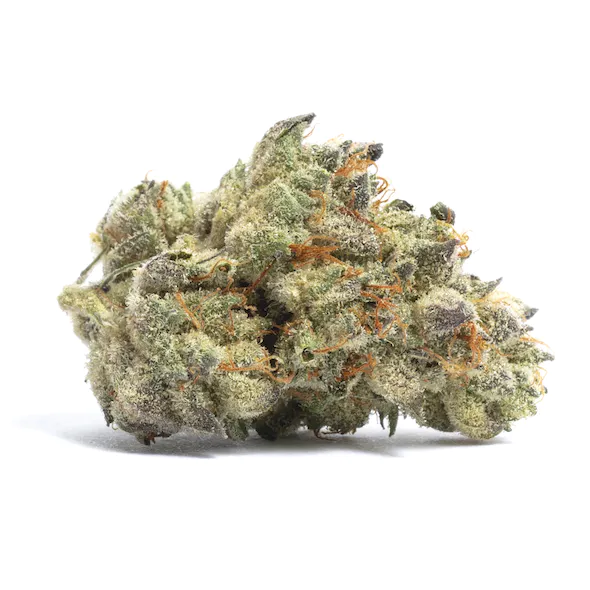
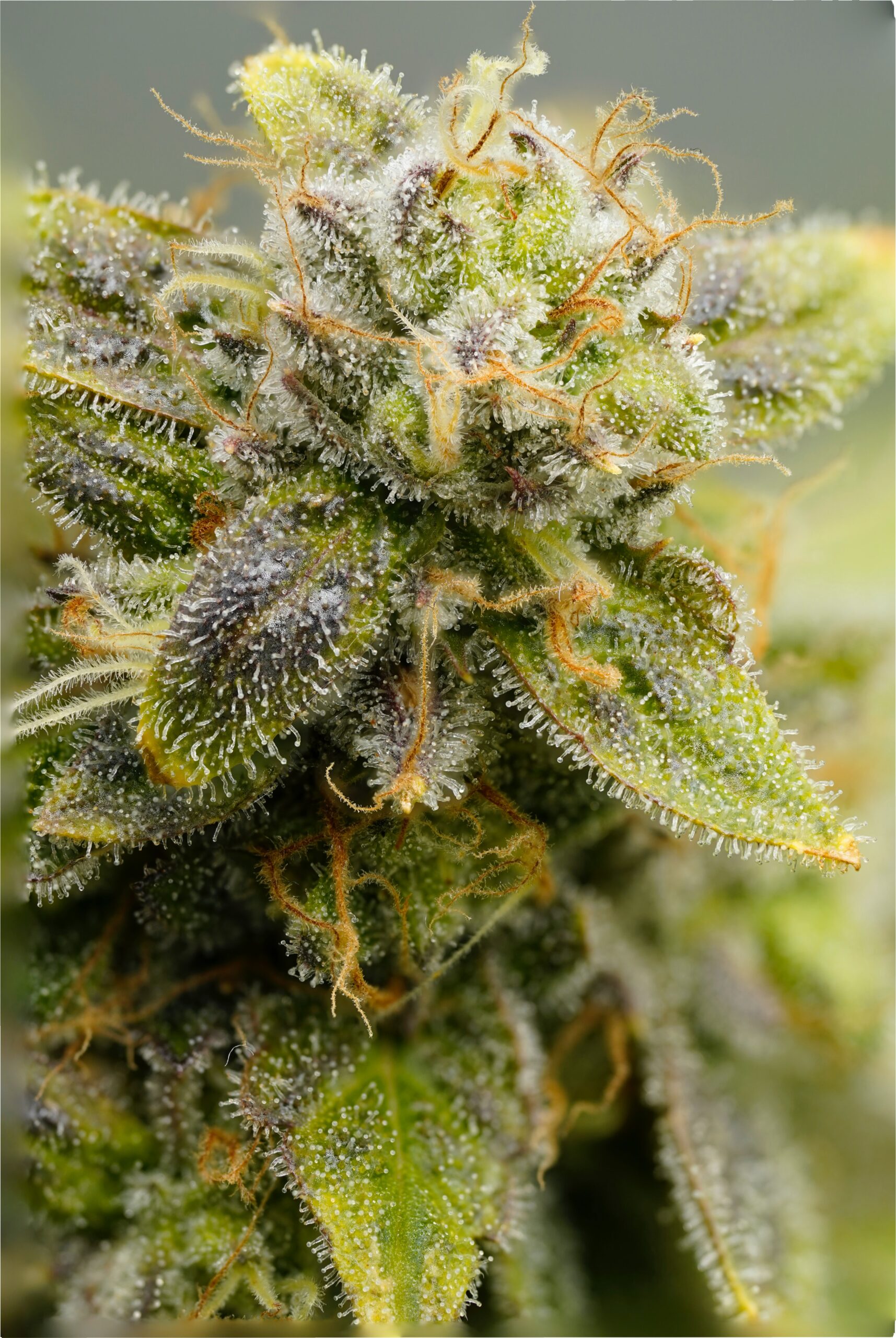
Pistils are a good indicator of the plant’s maturity, while trichomes provide information on the potency and overall quality of the buds. When the pistils start to change color from white to orange or brown, it’s a sign that the plant is nearing the end of its flowering stage and is ready for harvest. At this point, the trichomes should also be checked. If most of them have turned from clear to milky white, it’s a sign that the buds have reached their peak potency and are ready to be harvested.
However, if the pistils are still growing and the trichomes have not yet reached their peak, it may indicate that the plant is still in the early stages of its flowering stage. In this case, it’s best to wait a bit longer before harvesting. Keep monitoring the pistils and trichomes to ensure that the buds are at their best before harvesting.
In some cases, buds might keep growing pistils even after they’ve been harvested, that can happen if there is a lack of pollination, or when plants are grown indoors and may not receive enough pollination. In such cases, they might continue to grow pistils but they might not produce seeds. If you’re growing cannabis for consumption rather than breeding, this should not be a major concern.
1st Important Indicators:
Pistils
Pistils are the small hairs that grow on the plants. They’re actually part of a process called pollination, which occurs when pollen from one flower lands on another’s pistil and fertilizes it.
The pistils themselves aren’t really flowers; they’re just tiny structures made up of cells called stamens and anthers (which have no petals). The anthers produce pollen grains that can easily be seen by humans or other animals, but only if you look closely enough!

2nd Important Indicators:
Trichomes
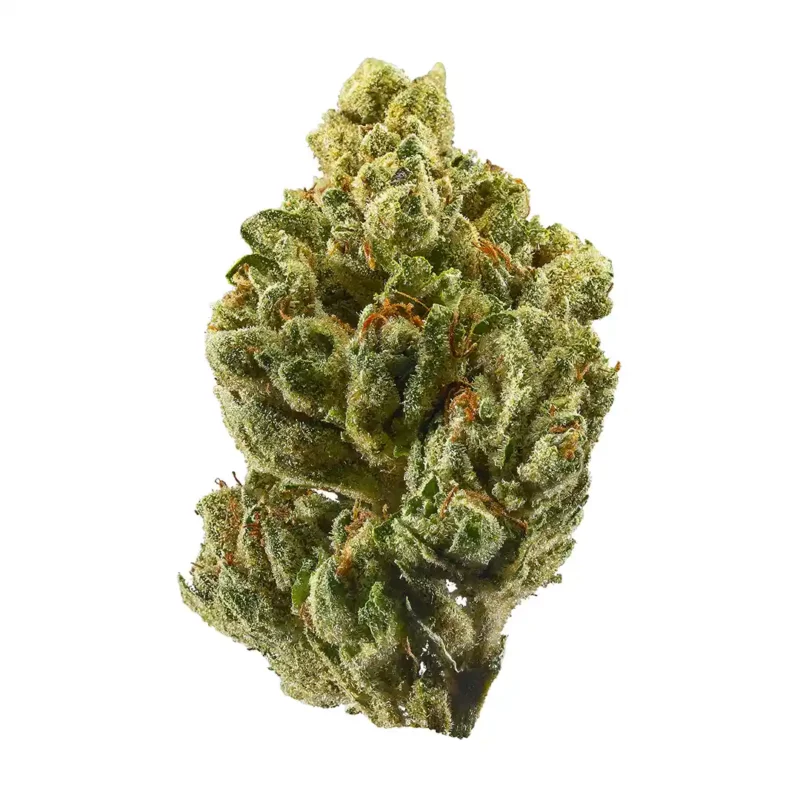
Trichomes are tiny hairs that grow on the buds of cannabis. They’re also known as “buds” or “hairs” because of their appearance, but they’re actually more like miniature leaves—they don’t have any chlorophyll or photosynthesis at all! Instead, trichomes are covered with resin glands and surrounded by epidermal cells (which look like tiny bumps). In addition to producing cannabinoids like THC and CBD, these glands produce terpenes—the fragrant oils responsible for aroma and flavor in many plants.
When you’re growing your buds, the trichomes are the most important indicators for maturity. Trichomes are the resin glands on your buds, and they turn from clear to milky white as they mature. Pistils are little hairs that grow from each bud. As these grow longer and shorter, it’s easier to tell how close to harvesting time you are! If the pistils are white, it is a sign of immaturity. The plant is still growing and has not reached maturity yet. If the pistils are brown or orange, it is a sign of overmaturity. The plant has already reached its full potential and should be cut back before flowering begins again.
If you have been growing cannabis for a while, you’re probably already familiar with the difference between pistils and trichomes. Pistils are the flowers of female plants, as their name suggests. They contain many different types of cannabinoids, including THC and CBD. Trichomes are sticky glands that secrete cannabinoids on tiny hairs called “trichomes” which can be found all over the plant. The most common trichome is CBN ( Cannabigerol) which has been shown to have anti-inflammatory effects when used in medical cannabis products like tinctures or capsules but it doesn’t produce psychoactive effects like THC does.
In summary, pistils and trichomes are both important indicators when growing cannabis. Pistils indicate the maturity of the plant, while trichomes indicate the potency and overall quality of the buds. Keep an eye on both when growing your buds, so you can harvest them at the perfect time for maximum yields and potency.
If you are looking for expert breeder and wholesaler of genetically produced cannabis seeds, shop online with Epitome Seeds.
Source: https://www.royalqueenseeds.com/blog-all-about-ripening-cannabis-buds-n1512